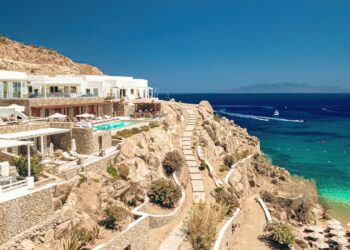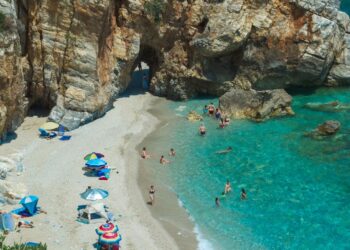
Agios Nikolaos is one of the easiest towns in eastern Crete to enjoy without turning the holiday into a driving project. Its centre wraps around Lake Voulismeni and a sheltered harbour, while beaches, archaeological sites and boat trips spread naturally along the Mirabello Gulf. The town is a good fit for travellers who want an attractive base with restaurants and evening walks, but it is not the best choice if your priority is a long, uninterrupted sandy beach outside the door.
This guide helps you decide whether to stay in Agios Nikolaos, where to base yourself, how much time to allow, and which nearby experiences genuinely deserve the effort. It also explains the practical difference between staying in the town, Elounda or a smaller beach area, because those choices produce very different holidays even though they sit close together on the map.
A graceful base for eastern Crete
Choose Agios Nikolaos for a walkable town, a strong mix of sea and history, and easy access to Spinalonga, Elounda and the Lasithi interior.
Is Agios Nikolaos worth visiting?
Yes, especially if you prefer a real town to an isolated resort. Agios Nikolaos has a compact centre, a working harbour, a waterfront full of places to eat and enough small beaches for a swim without needing to plan the whole day around a car. It feels polished and visitor-friendly, but it remains more urban and useful than a purely resort-based destination.
The strongest reason to choose it is balance. You can spend the morning at the Heraklion Archaeological Museum and continue east, take a boat to Spinalonga on another day, or stay local with a lake walk, a swim and dinner by the water. The town also works well at the beginning or end of a wider Crete road trip, when a walkable base is more valuable than another remote beach.
There are limitations. The central beaches are small, the town is hilly in places, and the most famous nearby sights are popular in high summer. Agios Nikolaos is also not a convenient base for exploring the far west of Crete: Chania, the White Mountains and the beaches beyond Kissamos belong to a different part of the island. For that landscape, use a dedicated Chania base rather than attempting a long day return.
Agios Nikolaos, Elounda or a beach resort?
The right base depends less on scenery than on how you want your evenings to work. Agios Nikolaos is the most flexible option: you can walk to the lake, harbour, shops and restaurants, and use buses or a hire car for day trips. Elounda is more resort-oriented and is particularly convenient for Spinalonga boats, while the areas around Ammoudara, Havania and Istro trade walkability for easier access to a beach.
| Base | Best for | Main advantage | Trade-off |
|---|---|---|---|
| Agios Nikolaos town | First-time visitors, couples, mixed interests | Walkable lake, harbour, restaurants and local services | Small urban beaches and some hills |
| Elounda | Resort stays, boat trips and quieter evenings | Close to Plaka and the shortest Spinalonga crossings | Less of a traditional town centre; car or taxi is more useful |
| Ammoudara or Havania | A beach-led holiday near town | More immediate access to swimming areas | You are not staying in the centre and may need transport at night |
| Istro | A slower beach stay and clear water | Voulisma and other coves are nearby | Less convenient for daily town walks and eastern excursions |
What to do in Agios Nikolaos
Walk around Lake Voulismeni
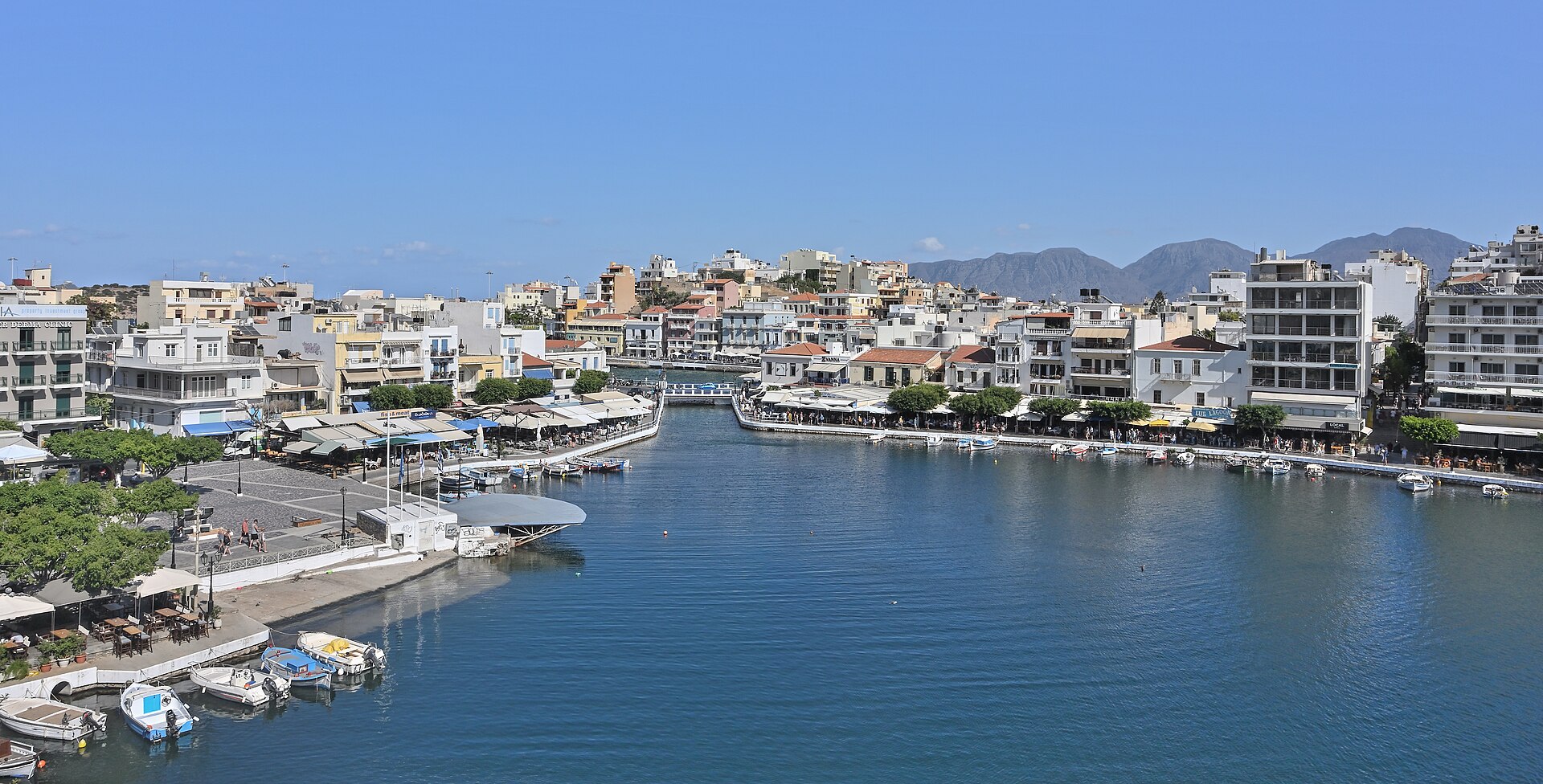
Lake Voulismeni is the town’s defining space: a near-circular body of water enclosed by steep streets, cafés and waterfront restaurants. It is not a separate excursion that you squeeze into an itinerary; it is the place you pass through repeatedly, at different times of day, as the town changes from coffee stop to evening promenade.
Walk the water’s edge, cross the bridge towards the harbour and climb a little above the lake for a broader view. The shape and depth of the lake have attracted local legends, including stories associating it with the goddess Athena. Treat those as mythology rather than geography. The practical reality is more useful: the lake is now connected to the sea and forms a dramatic centre for a town that is otherwise spread across a series of slopes.
See the harbour and waterfront
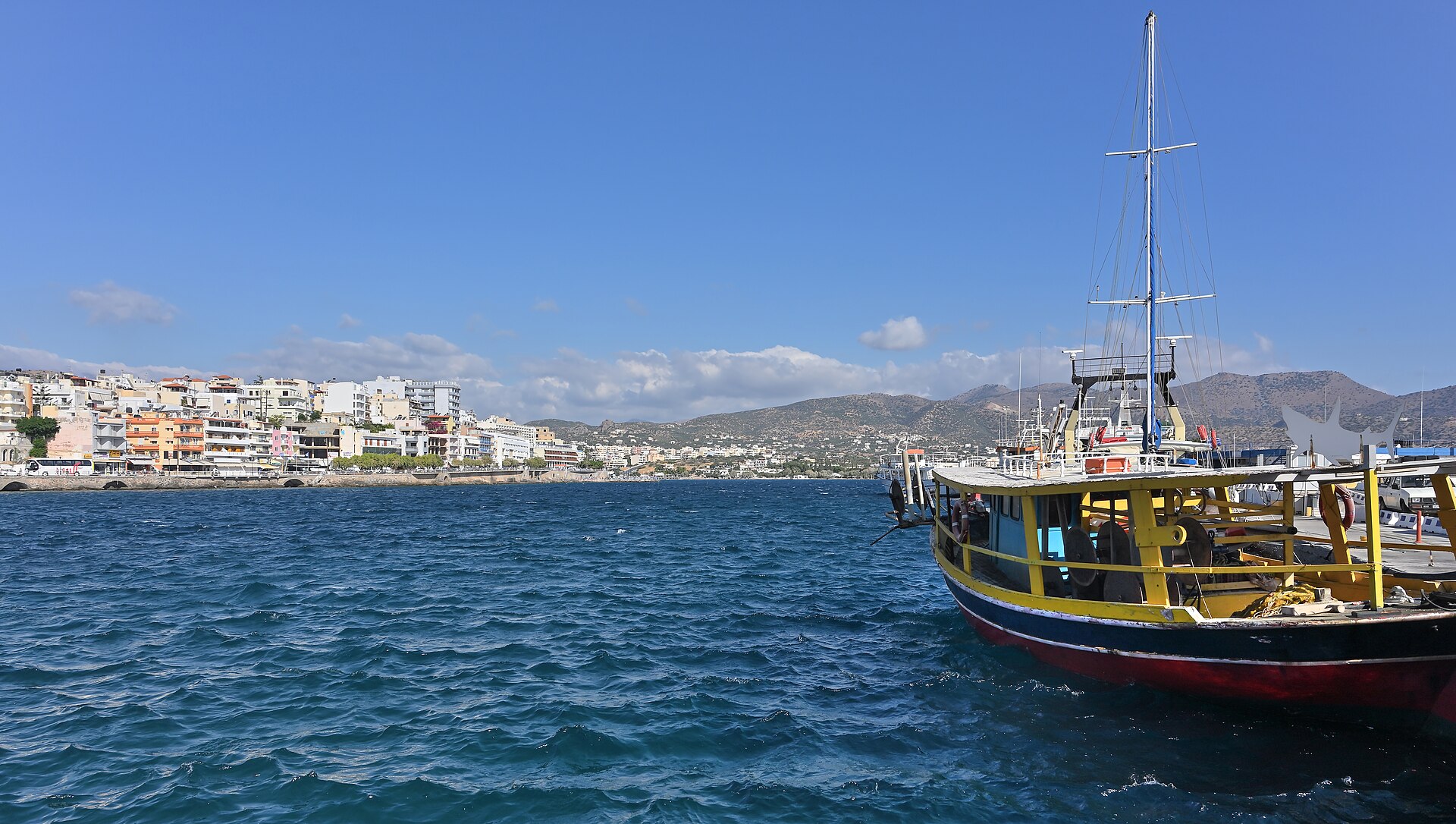
The harbour is the natural continuation of the lake walk. Fishing boats, excursion vessels and larger yachts use different parts of the waterfront, and the scene is more varied than a single resort promenade. This is a good area for an early evening stroll before choosing a table, particularly if you want to compare the atmosphere around the lake with the more open seafront.
Do not judge the town only by a midday circuit. Agios Nikolaos is at its most convincing in the transition between afternoon and evening, when the heat eases and the waterfront becomes a public space rather than a line of restaurants. If you are staying in a hillside property, check the walking route before booking: “close to the centre” can still mean a steep return after dinner.
Swim at Ammos or Kitroplatia
The beaches in and around town are convenient rather than expansive. Ammos lies near the centre and is useful when you want a quick swim without organising transport. Kitroplatia, closer to the waterfront, combines a small bathing area with restaurants and an urban setting. Neither should be sold as a remote Cretan beach experience; their value is that they fit naturally into a day in town.
For a more spacious beach day, look towards Havania north of Agios Nikolaos or the coves around Ammoudara to the south. Conditions, shade, facilities and water movement vary by beach and season, so treat beach lists as starting points rather than guarantees. A car gives you more choice, but it also creates the usual parking question in July and August.
Visit the Archaeological Museum when open
The Archaeological Museum of Agios Nikolaos interprets finds from eastern Crete, with material ranging from the Neolithic period through Roman times. It is a particularly useful stop before Spinalonga or Lato because it gives the region a longer historical frame than a beach-and-boat itinerary alone.
Opening information has changed while the museum and its displays have been undergoing work. The Ministry of Culture page lists general admission at €10, reduced admission at €5, and standard hours of 08:30–15:30 except Tuesdays; the museum’s own website currently says opening hours are to be announced. Check the museum’s current access page or the Ministry of Culture listing before building your day around it.
Spinalonga: the essential day trip
Spinalonga is the excursion that most clearly justifies choosing this part of Crete. The fortified islet sits in the Gulf of Elounda and combines a Venetian defensive complex with the remains of the settlement that operated as Greece’s official leprosy colony from 1903 to 1957. Its history is difficult as well as photogenic, so allow time to read the information on site instead of treating the island as a quick viewpoint.
You can reach Spinalonga by boat from Agios Nikolaos, Elounda or Plaka. The Ministry of Culture states that the site is closed in winter except for groups by arrangement, and open from 1 April to 31 October. Its listed summer hours are 08:00–20:00 daily, with access dependent on weather and boat itineraries. The same source lists a full ticket at €20 and a reduced ticket at €10. These are exactly the sort of details that can change, so confirm them at the official Spinalonga information page before travelling.
Plaka offers the shortest crossing and makes sense if your priority is time on the island. Elounda is a good compromise between a boat trip and a longer lunch or coastal stop. Departing from Agios Nikolaos can turn the experience into a half-day or longer outing, depending on the service and whether the boat adds a coastal cruise or swimming stop. Compare the actual itinerary, not only the departure town.
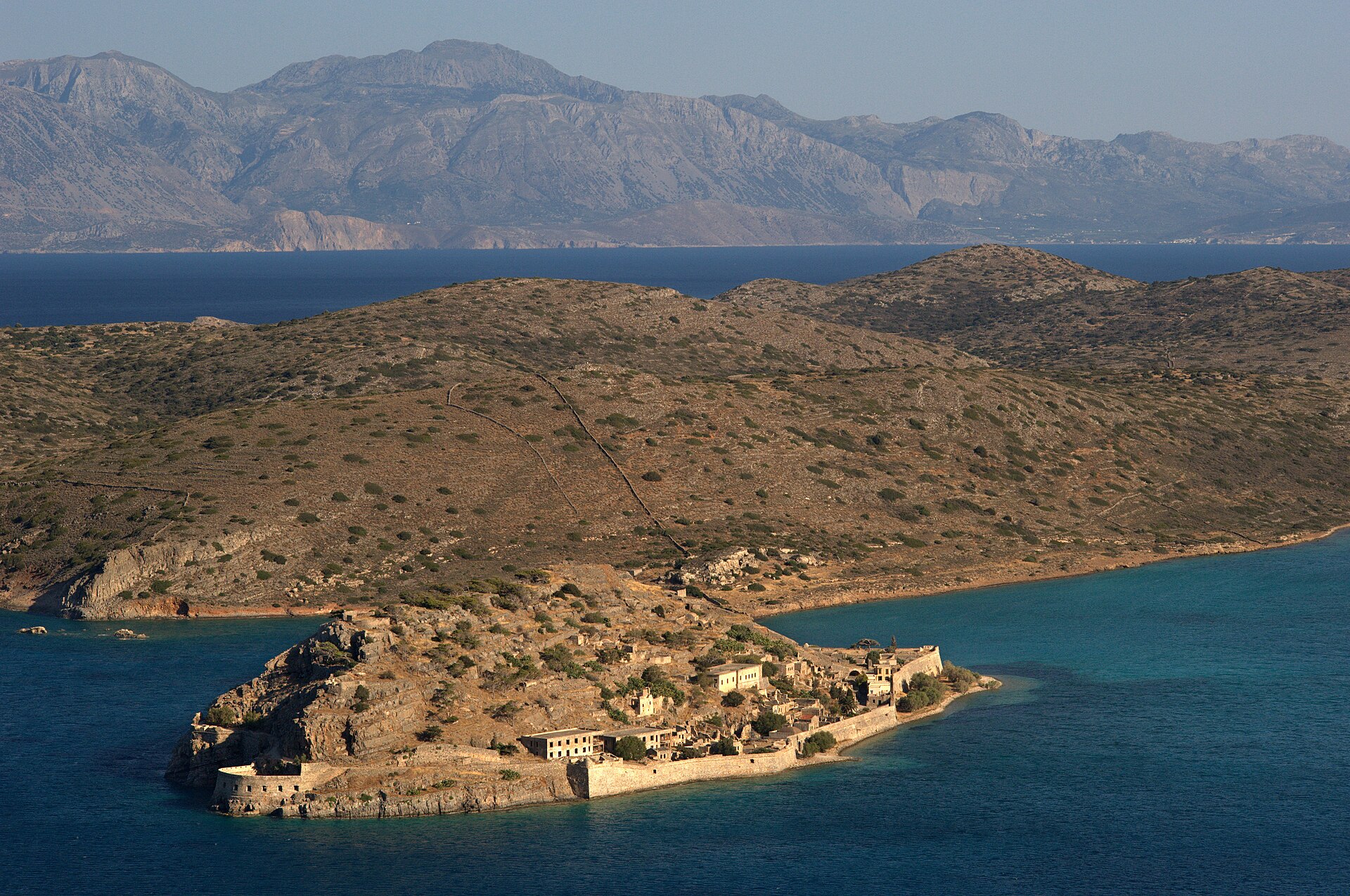
Wear shoes with a secure sole and bring water. The perimeter route includes uneven surfaces and exposed sections, and the combination of stone, heat and glare can make the visit more demanding than the short boat crossing suggests. The Ministry of Culture notes that the main ring road is accessible, but accessibility should be considered alongside the whole journey, including the boat and the landing.
Lato and Kritsa: a better cultural pairing
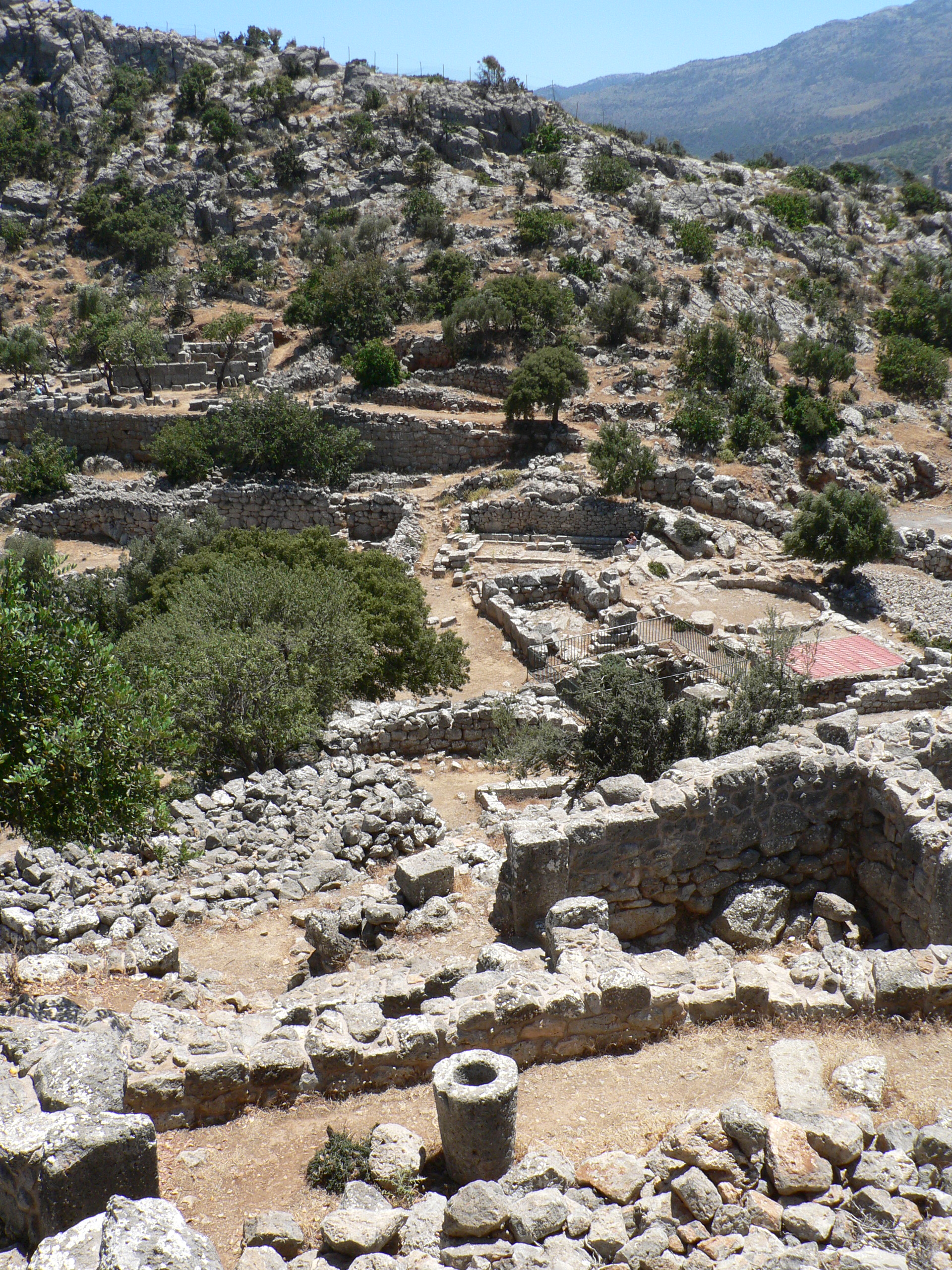
Ancient Lato is one of the most rewarding nearby sites for travellers who prefer atmosphere and landscape to a single famous monument. The Ministry of Culture describes it as an important Doric city-state built between two hills, with wide views towards Mirabello Bay. Its harbour, Lato pros Kamara, developed into modern Agios Nikolaos, and the ancient settlement was later abandoned as the harbour grew in importance.
Lato is not a polished urban ruin. You walk between walls, terraces and fragments of civic buildings in an open hillside setting, which means sun and footwear matter. Pair it with Kritsa rather than treating it as a rushed detour. The village gives the day a human-scale stop, while the nearby Church of Panagia Kera is an important Byzantine monument known for its frescoes. Check current opening arrangements separately: archaeological sites and churches do not always share the same timetable.
This combination works particularly well for visitors who have already seen Knossos and want a different experience of Cretan history. If you are travelling from Rethymno, Lato can also be incorporated into an eastbound route, but it is better experienced as part of a flexible day than as one more fixed appointment.
Beaches near Agios Nikolaos
Eastern Crete offers plenty of attractive swimming options, but “near Agios Nikolaos” covers a broad coastal area. Use the following choices according to the kind of day you want rather than trying to visit them all.
| Beach area | Choose it for | Planning note |
|---|---|---|
| Ammos and Kitroplatia | A quick swim without leaving town | Small urban beaches; combine with lunch or an evening walk |
| Havania | A straightforward beach stop north of town | Check parking, shade and facilities for the current season |
| Ammoudara | A beach day south of Agios Nikolaos | A car or taxi is useful, especially outside the hottest hours |
| Voulisma, Istro | Clear water and a more recognisable sandy-bay setting | Popular in summer; arrive early and expect conditions to change with wind |
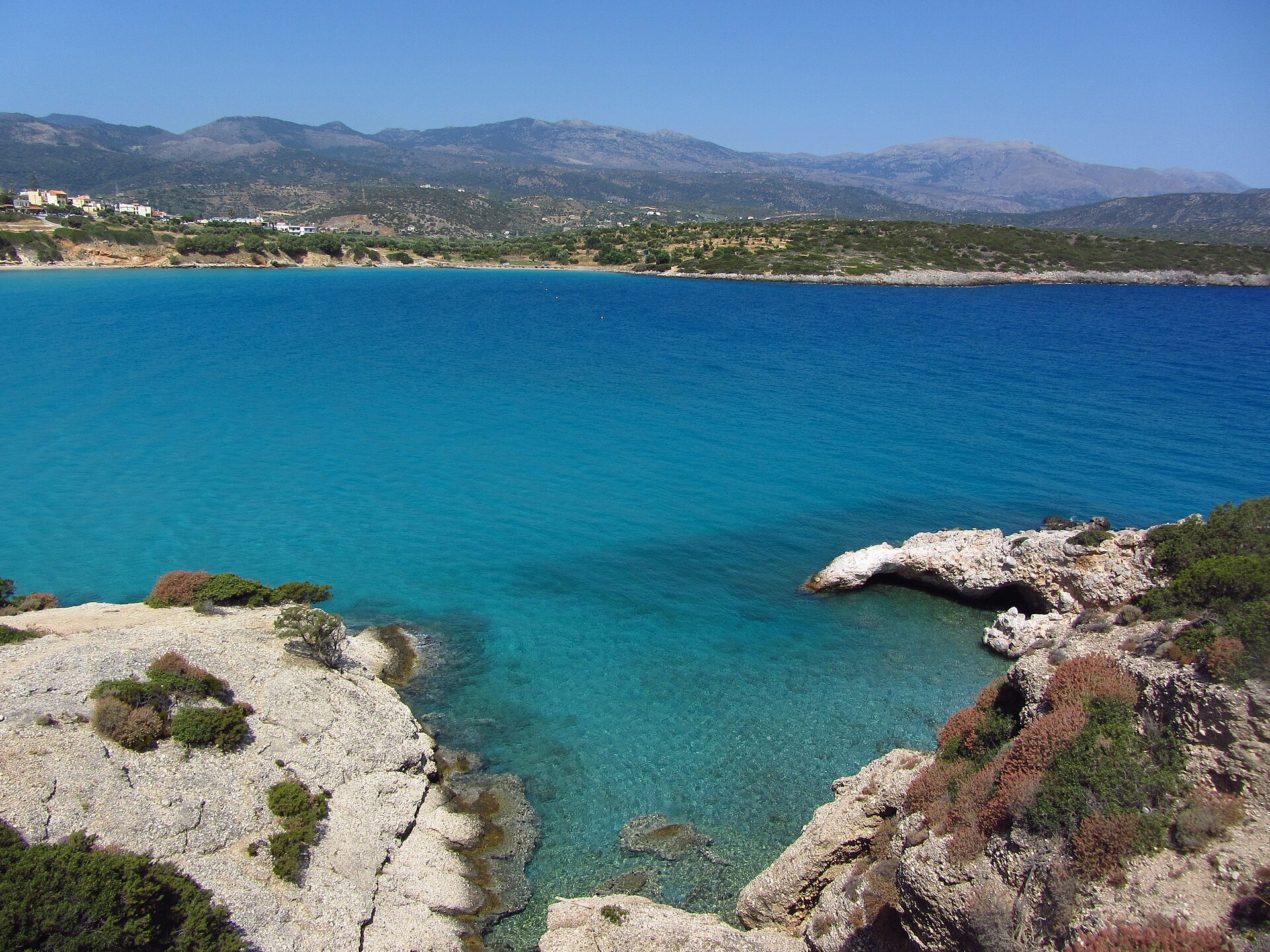
Voulisma is often presented as a guaranteed postcard beach, but the useful question is whether it suits the day you have. It can be busy, its appearance changes with wind and light, and a popular beach requires more patience with parking and space. If the sea is unsettled or the beach feels too crowded, the smaller coves around Istro can be a better reason to have a car than a single headline beach.
Getting to Agios Nikolaos
From Heraklion Airport or city
Most visitors arrive through Heraklion. Agios Nikolaos is connected to Heraklion by road and bus, and the route is practical for travellers who do not want to hire a car immediately. The official KTEL Heraklion–Lasithi website lists Agios Nikolaos station information and publishes route announcements, including seasonal services from Heraklion Central Bus Station to Agios Nikolaos and onward eastern destinations.
Because bus times change by date and season, do not copy a timetable from a search result or an old guide. Check the current KTEL timetable for your travel day and confirm the departure station. If arriving late at the airport, compare the last bus with a pre-booked transfer or taxi rather than assuming the next service will run.
By hire car
A car is not essential for the town itself. It becomes valuable for Lato, Kritsa, Istro, the Lassithi interior and beaches where buses are infrequent or poorly timed. If you are arriving for a short stay and plan to remain in Agios Nikolaos plus Spinalonga, you may be better off hiring a car only for selected days.
Parking deserves attention when choosing accommodation. Central streets can be busy, and a property’s private parking arrangement may be more important than a few minutes’ difference on the map. Keep the car out of the old centre when walking; the town is more enjoyable when you are not searching for a space beside the lake.
How many days do you need?
| Stay | A realistic plan | What to leave out |
|---|---|---|
| 1 night | Lake, harbour, dinner and a short town walk | Spinalonga and a distant beach |
| 2 nights | Town day plus Spinalonga from Plaka or Elounda | Trying to add Lato, Istro and the interior |
| 3–4 nights | Spinalonga, a beach day, Lato/Kritsa and a relaxed town evening | Long west-coast day trips |
| 5–7 nights | Use the town as an eastern Crete base, with weather and rest time | A checklist itinerary that crosses the whole island |
Two nights is the minimum that makes the area feel more than a stopover. Three or four nights gives you enough flexibility to separate Spinalonga from a beach day and still have time for the town. If Agios Nikolaos is one base within a longer Crete itinerary, keep the east-coast section distinct rather than measuring its success by how many faraway places you can reach before dinner.
When to visit
Late spring and early autumn are often the easiest periods for combining town walks, archaeological sites and swimming. Summer brings the warmest sea and the fullest range of boat trips, but also stronger demand, hotter exposed sites and more pressure on parking. April and October can be rewarding for history and walking, though sea conditions, boat schedules and opening arrangements need more careful checking.
For Spinalonga, the official seasonal information is decisive: the archaeological site’s normal public season is 1 April to 31 October, with winter visits only by arrangement for groups. For the museum, do not rely on a generic seasonal assumption because its own website has indicated that opening information is subject to announcement. The best itinerary is one that leaves a little slack around changeable operations.
Food, evenings and the feel of the town
Agios Nikolaos works well for travellers who like to choose dinner after a walk rather than return to a hotel complex. The lake and harbour provide the obvious evening circuit, but the town’s slopes and side streets are worth exploring before sitting down. Look for Cretan dishes, seafood where the menu and supply support it, local cheeses, greens, pulses and the small plates that make a long meal easier to share.
The waterfront is convenient, not automatically better. A table with a lake view can be useful for the atmosphere, while a restaurant one street back may offer a calmer meal and less foot traffic. As everywhere in Greece, read the menu and ask what is actually available that day rather than choosing solely from photographs outside.
Agios Nikolaos without a car
For a short stay, yes. Stay centrally, walk to the lake and beaches, and use a boat excursion or organised transfer for Spinalonga. KTEL services can connect the town with Heraklion and other parts of Lasithi, but local beach-hopping and visits to Lato or Kritsa are less spontaneous without a vehicle.
The car-free version is strongest when you accept a narrower map. It is not a problem to choose one beach, one historical excursion and the town itself. Problems begin when an itinerary assumes that every coastal cove, village and archaeological site can be joined together by a convenient bus connection. For a wider route, follow the practical car-versus-bus advice in the Crete road-trip guide and hire only for the section that benefits from it.
A practical three-day itinerary
Day one: settle into the town. Keep the first day deliberately local. Walk from the lake to the harbour, look at the swimming options around Ammos and Kitroplatia, and leave the car parked if you have one. This gives you a feel for distances and slopes before you commit to a longer outing. Dinner is best treated as part of the town experience, not an afterthought at the end of a day trip.
Day two: Spinalonga and the Gulf of Elounda. Choose your departure point according to the boat schedule and the time you want on the island. Plaka is efficient, Elounda gives you more of a coastal day, and Agios Nikolaos makes sense if you prefer to start and finish in the town. Avoid stacking another major archaeological site onto the same day. Heat, waiting time and the boat return can make a short-looking plan surprisingly full.
Day three: choose culture or swimming. Drive or take a planned transfer to Lato and Kritsa, then return through the hills, or make the day about Voulisma and the coves around Istro. The cultural option works best earlier, before the sun is strongest; the beach option is more flexible if you are willing to change beaches when parking or wind makes the first choice less appealing. With a fourth night, add the option you left out rather than extending the route to a distant corner of Crete.
Small planning mistakes to avoid
- Do not book a hillside room without checking the walking route and parking arrangement.
- Do not assume every Spinalonga boat includes the same crossing time, island visit or swimming stop.
- Do not make the Archaeological Museum your only indoor plan until its current opening status is confirmed.
- Do not plan Lato at the hottest part of a cloudless afternoon without water and sun protection.
- Do not confuse a day trip from Agios Nikolaos with a sensible route to western Crete; the island is larger and slower than the map suggests.
Who should choose Agios Nikolaos?
- Choose it if you want a walkable eastern-Crete base with restaurants, a real town centre and easy access to Spinalonga.
- Choose it if your holiday mixes swimming, history, short drives and evenings away from an all-inclusive resort.
- Choose Elounda instead if the resort experience, hotel facilities or shortest Spinalonga crossing matter more than a traditional town.
- Choose Istro or another beach base if you want to step from accommodation towards a sandy bay every morning.
- Choose a different region if your main aim is Chania, Samaria Gorge, Balos or the western mountains.
Agios Nikolaos is not trying to be the whole of Crete. Its strength is more precise: it gives eastern Crete a comfortable, attractive centre from which several different days are possible. Stay long enough to let the lake, harbour and surrounding coast work together, and it becomes more than a convenient stop on the way to Spinalonga.
Research and review note: Opening hours, boat services, tickets, museum access and bus timetables can change. Recheck the official operator or Ministry of Culture information before travelling.