Ikaria: The Greek Island Where People Forget to Die
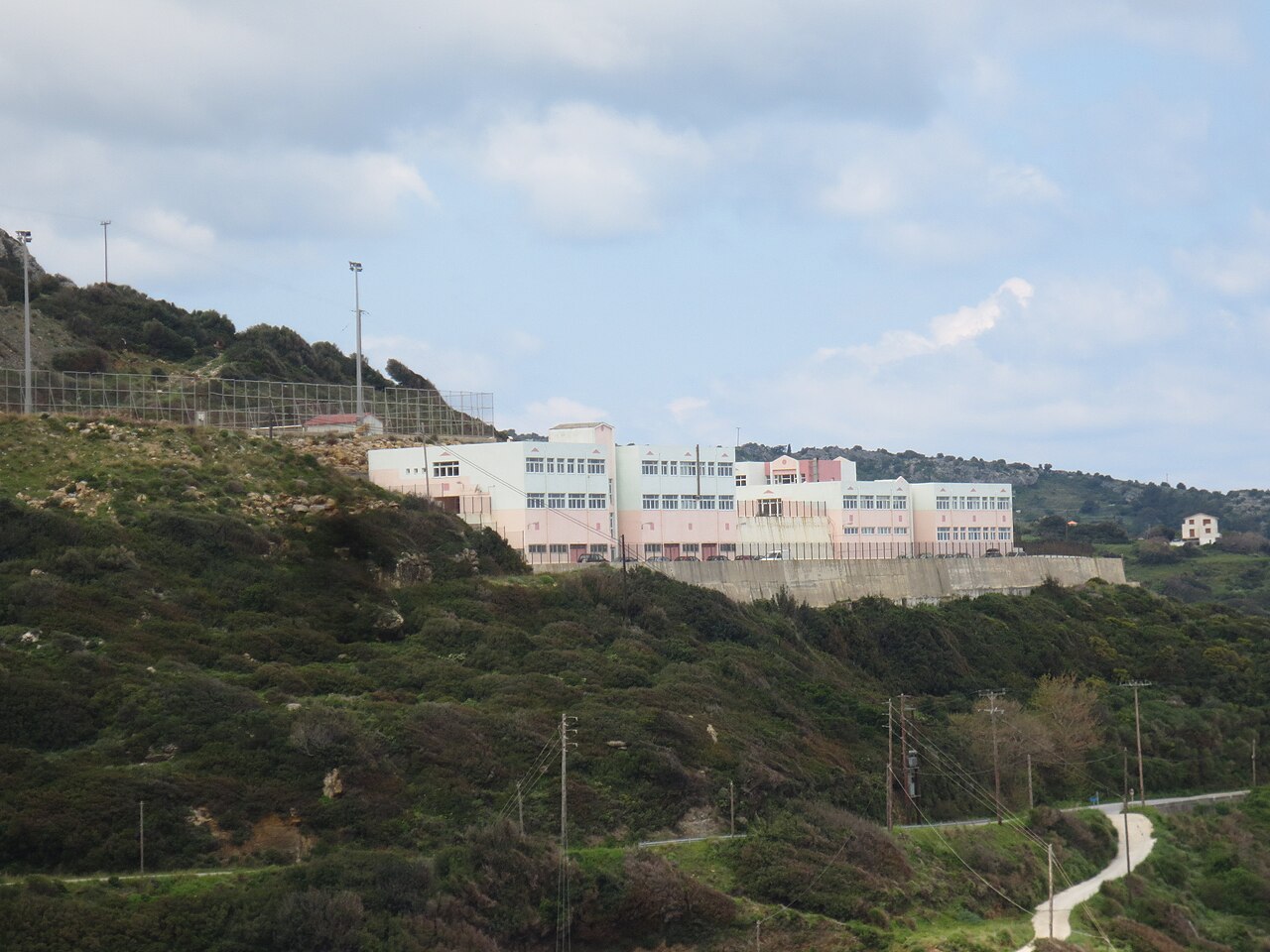
There is a small, rumpled island in the northeastern Aegean where the clocks seem to lose their authority. Goats graze on steep hillsides above turquoise coves. Old men play tavli under plane trees at noon, then again at midnight. Shops open at ten in the evening and close before dawn. And somewhere in the mountains, a panigiri — an all-night village festival of wine, dancing, and roasted goat — is in its seventh hour, with no sign of stopping.
This is Ikaria. Named after the mythological Icarus, who, according to legend, plunged into the sea here when his wax wings melted too close to the sun, the island has long carried a reputation for defying ordinary rules. Today, it defies perhaps the most universal rule of all.
People here simply forget to die.
Ikaria is one of only five Blue Zones on Earth — those rare corners of the world where people routinely live past 90 and 100 in full health, clarity, and joy. Researchers from National Geographic and longevity scientist Dan Buettner have documented the astonishing statistics: roughly 30% of Ikarians live past 90. Rates of dementia are nearly non-existent. Chronic diseases that plague Western populations — heart disease, depression, diabetes — are dramatically lower here than almost anywhere else on the planet.
The question that draws researchers, journalists, wellness travelers, and the simply curious to this rugged, unhurried island is: why?
The answer, it turns out, isn’t a single supplement or a miracle food. It’s a way of living — one that Ikarians have practiced for centuries without giving it a second thought.
“There are places in the world that teach you how to live longer. Ikaria teaches you how to live better — and that, it turns out, is the same thing.”
The Blue Zone: Why Ikarians Live Past 100
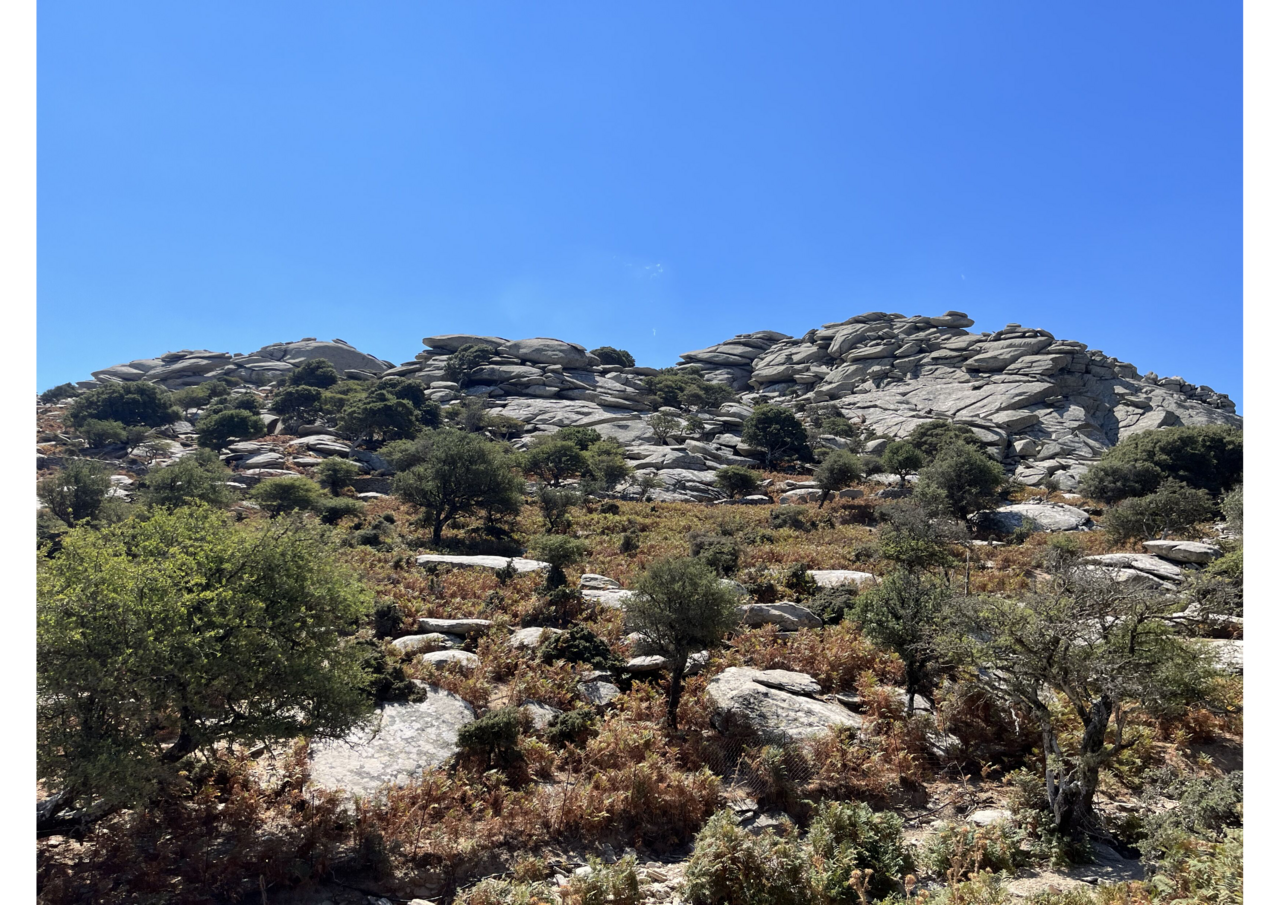
When Blue Zones researchers first arrived in Ikaria in the early 2000s, they found something almost impossible to explain by conventional medicine: an entire population that appeared to have simply opted out of premature aging.
The science, when it was eventually unpacked, revealed not one but a constellation of factors working in quiet, daily harmony.
The Power of “Ikarian Time”
Ikarians do not hurry. There is a phrase used here — siga, siga — which translates as “slowly, slowly,” and it applies to everything: meals, conversations, decisions, waking up, going to sleep. Afternoon naps are not laziness; they are sacred. Studies have shown that regular midday napping reduces cardiovascular stress by up to 37%. In Ikaria, this has been cultural policy for generations.
Chronological time barely registers in some villages. In the mountain settlement of Christos Raches, the most famous expression of Ikarian anti-scheduling, the shops open around ten at night and close before sunrise. The villagers simply keep a different clock — one governed by heat, appetite, and community rhythm rather than commercial necessity.
Social Connection as Medicine
Isolation is perhaps the most underappreciated risk factor in modern health. In Ikaria, it barely exists. Strong village communities, frequent communal festivals, and an almost reflexive sense of collective belonging mean that the elderly are not left behind — they are at the center. A 90-year-old Ikarian is not in a nursing home; she is at the panigiri, dancing.
Researchers have identified this dense social fabric as one of the most significant contributors to Ikarian longevity. When people feel needed, connected, and seen — when there is always a neighbor to share a coffee with, always a festival to attend, always a community that holds you — the body responds accordingly.
Purpose, Faith & the Orthodox Calendar
Greek Orthodox religious practice quietly shapes Ikarian health in ways that are easy to overlook. The Orthodox calendar prescribes roughly 180 days of fasting per year — periods during which meat and dairy are largely avoided in favor of legumes, vegetables, olive oil, and seafood. Essentially, Ikarians follow an almost vegan diet for nearly half the year, without ever framing it as a diet.
This cyclical, community-wide fasting likely contributes enormously to the metabolic health patterns researchers observe here. And beyond the biology, the calendar provides structure, meaning, and communal ritual — all factors that psychologists link to resilience and wellbeing.
The Ikarian Diet: Wild Greens, Goat Milk & The World’s Most Medicinal Tea
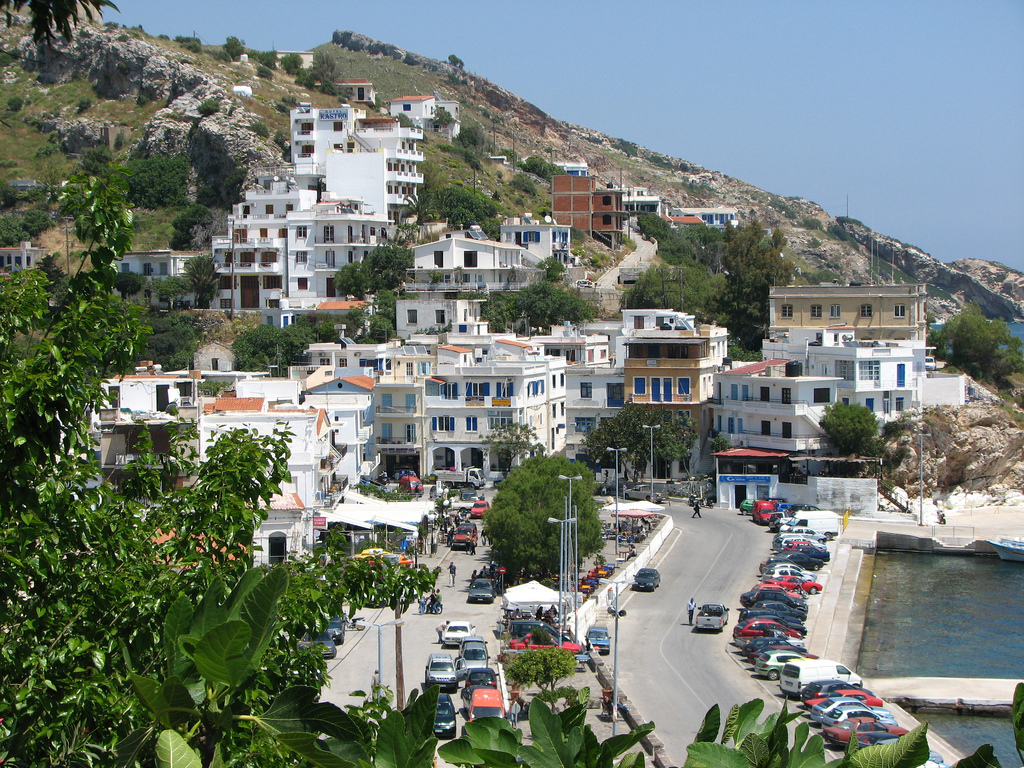
If there is a single food that defines Ikaria, it is horta — wild foraged greens, gathered from hillsides and fields by locals who have been doing this since childhood. There are over 100 varieties of edible wild plants growing on the island, and Ikarians know most of them by name and season.
Horta is not a side dish here. It is a daily staple, eaten boiled and dressed with olive oil and lemon, packed with antioxidants and polyphenols at levels that nutritionists find extraordinary. This is not kale from a supermarket shelf; this is a plant that has grown wild in mineral-rich volcanic soil, pulled from the hillside an hour before it reaches the table.
A Meal Built on Simplicity
The rest of the Ikarian table is built on similarly humble, powerfully nourishing ingredients:
- Goat milk and cheese — Ikarians traditionally consume goat dairy rather than cow’s milk. Soft local cheeses like kathoura and mizithra appear at nearly every meal. Goat milk contains different fatty acid profiles than cow’s milk and is easier to digest.
- Soufiko — the quintessential Ikarian dish, a slow-cooked ratatouille of seasonal vegetables in generous olive oil. Nothing fancy. Nothing rushed. Just vegetables transformed by time and heat into something quietly extraordinary.
- Local honey — Thyme honey, heather honey, pine honey, all unpasteurized and harvested from bees that forage on the island’s wild botanical landscape. Locals use it medicinally as well as gastronomically.
- Goat meat — served at panigiria and family celebrations, grilled over open fires or braised slowly with lemon and herbs. Consumed in moderation, not daily.
- Fresh seafood — particularly in coastal villages, where fish, octopus, and squid are caught and eaten the same day.
- Local red wine — unfiltered, produced in small quantities from ancient varietals, and notably high in polyphenols and resveratrol. Ikaria’s wine tradition stretches back to Homer, who referenced “Pramneios Oinos” — wine from this island — in the Iliad. Consumed moderately, with food, in social settings.
For travelers seeking to explore another Greek island with a legendary food culture rooted in land and sea, our guide to Crete’s food and wine traditions offers a parallel journey into Mediterranean eating at its most authentic. And for a comparison with Greece’s most celebrated foodie island, Sifnos offers a fascinating counterpoint — a more curated culinary tradition versus Ikaria’s raw, foraged simplicity.
The Herbal Tea Prescription
Every morning and evening in Ikaria, the kettle goes on. Not for coffee — for tea. Wild sage (faskomilo), chamomile, mountain tea (tsai tou vounou), dittany, rosemary, mint — all gathered from the hillsides, all drunk daily, all possessing well-documented anti-inflammatory, diuretic, and cardiovascular properties.
Researchers who have analyzed Ikarian herbal teas have found that many of them act as mild blood pressure regulators. Given that hypertension is one of the leading drivers of cardiovascular disease in the Western world, this quiet daily ritual — a cup of sage tea after dinner, chamomile before bed — may be one of the island’s most quietly powerful longevity tools.
Thermal Springs & Healing Waters: The Baths of Therma
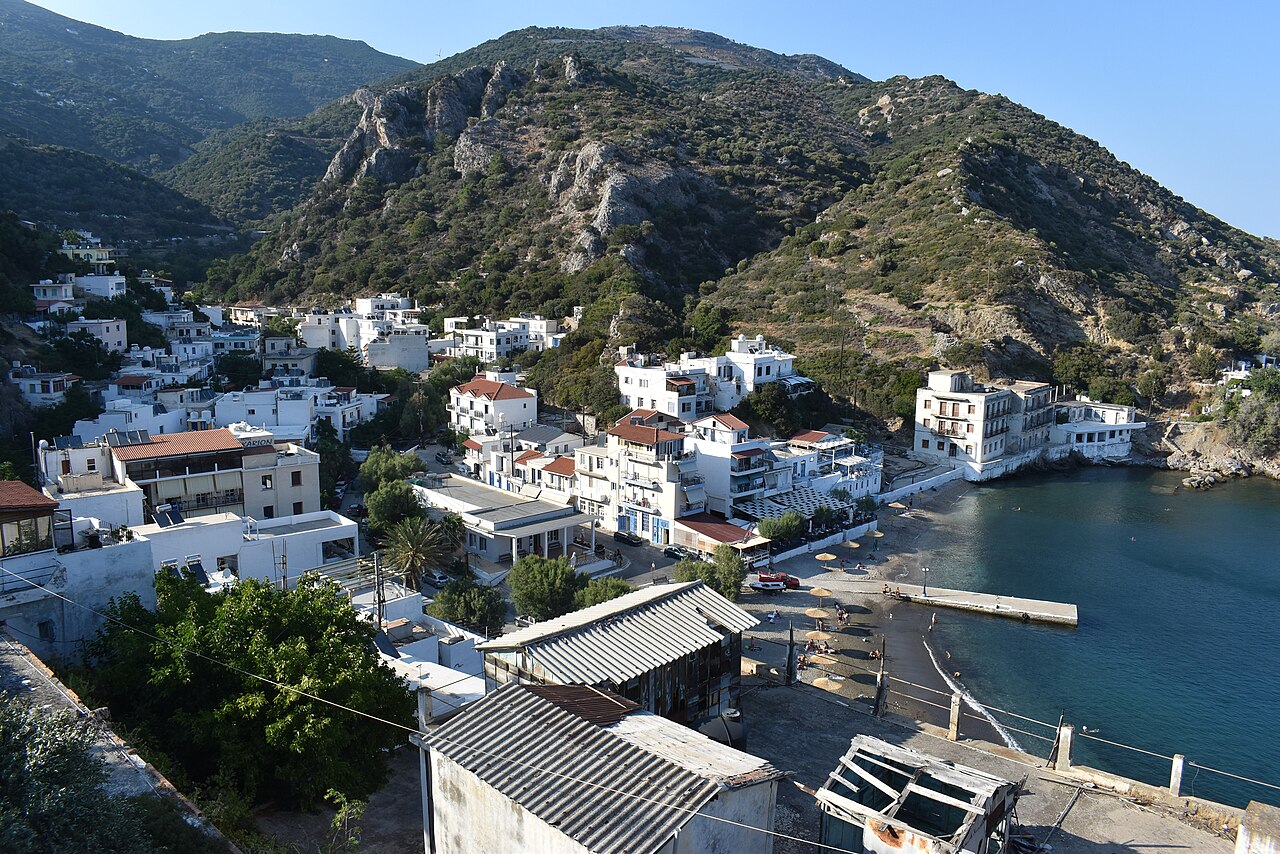
Long before the Blue Zone researchers arrived, long before the longevity documentaries and the wellness travel articles, people came to Ikaria to heal.
The island sits on a fault line of geothermal activity. Along its southern coast near the port of Agios Kirikos, and most famously at the small settlement of Therma, volcanic energy rises to the surface in the form of warm, mineral-rich, mildly radioactive springs that have been in use since antiquity.
The Asclepius Spring — named for the ancient Greek god of medicine — sits near Therma and has been documented as a therapeutic site since classical times. Physicians in ancient Greece prescribed these waters for rheumatism, arthritis, skin conditions, and general restoration.
Today, you can soak in these springs for free. At certain natural bathing spots along this stretch of coast, hot spring water trickles directly into the sea, creating pools where warm mineral water meets cool salt water. You lie in the shallows with the Aegean stretching out before you, your body absorbing minerals that people have been calling miraculous for two and a half thousand years.
For those seeking a more structured thermal experience, there are bathing facilities in the Therma area where visitors can access indoor pools of spring water. But many visitors prefer the wild version — finding a natural pool at the sea’s edge, with nothing overhead but the Ikarian sky.
The therapeutic properties attributed to these springs include relief from joint pain and arthritis, improved circulation, treatment of skin conditions, and a general, hard-to-articulate sense of being restored. Whether or not you believe in the specifics, it is difficult to emerge from an hour in warm mineral water by the sea feeling anything other than profoundly well.
Panigiria: The All-Night Festivals That Keep Ikaria Alive
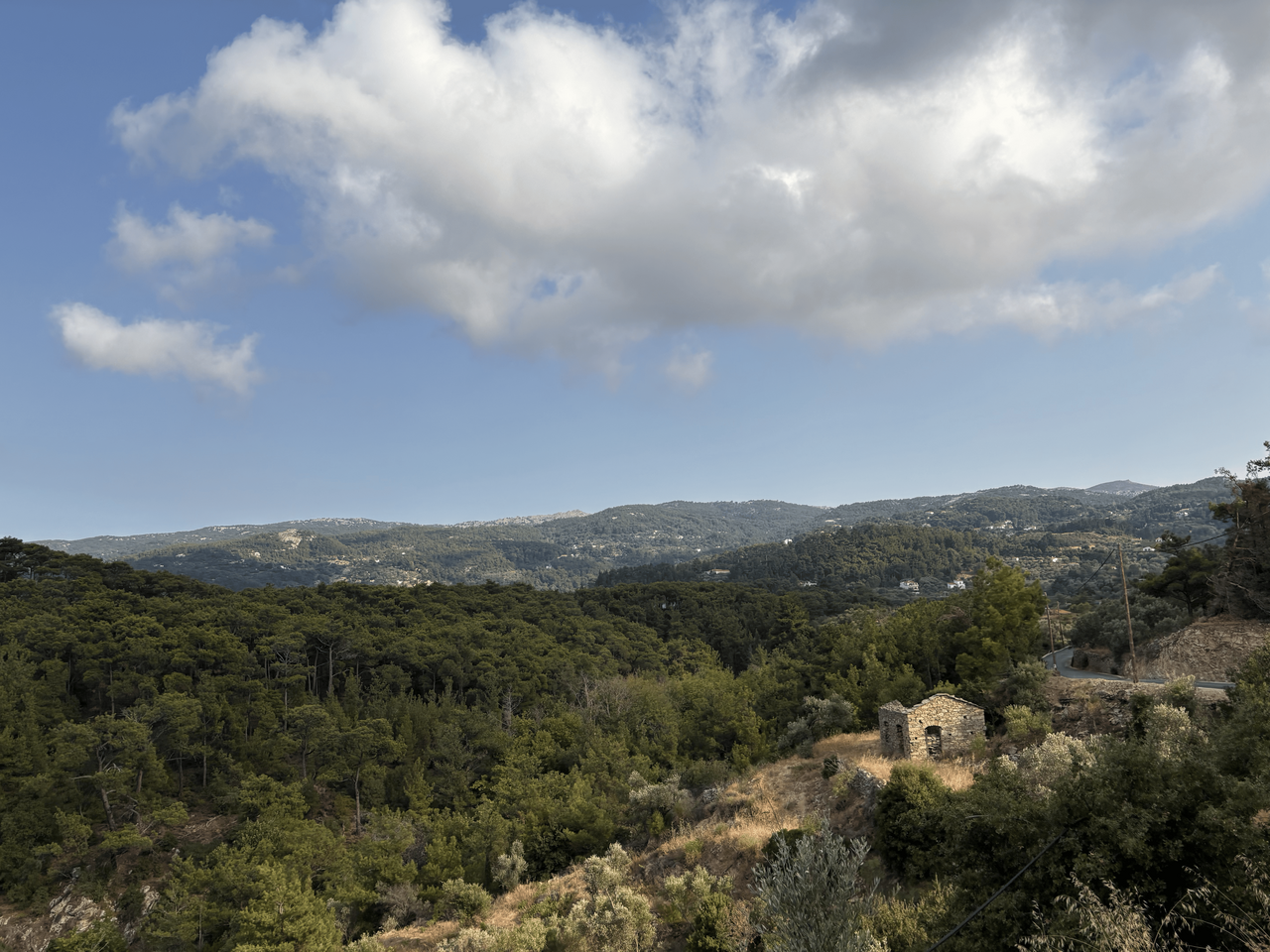
If you want to understand Ikaria, you need to attend a panigiri.
These traditional village festivals, held throughout the summer to celebrate saints’ name days, are the beating heart of Ikarian social life — and perhaps the clearest expression of why people here live so long and so happily. A panigiri is not a tourist event. There are no tickets, no VIP sections, no Instagram backdrops. It is a community gathering that has been happening in essentially the same form for centuries.
Here is how it works: The village square fills after dark. Long tables are set out. Wine flows — local, unfiltered, poured without ceremony. An enormous quantity of goat is roasted over open fires. Then the musicians arrive: violin, tsampouna (the Ikarian bagpipe), sometimes percussion, always alive with the particular sound that belongs only to this island.
And then everyone dances.
The Ikarian dance is unlike what you might expect. It is not wild or showy. It moves in slow, circular patterns — dignified, unhurried, continuous — a spiral of bodies turning together for hours. Old women lead young tourists. Grandchildren pull grandparents to their feet. The circle keeps moving until the sun comes up.
The most celebrated panigiria fall on August 15th (the Dormition of the Virgin Mary, marked with enormous celebrations in Christos Raches), July 17th (Agia Marina), June 24th (St. John), and dozens of smaller festivals in villages throughout the summer months. Check locally when you arrive — the schedule is organic and alive, and the best panigiria are rarely the most advertised ones.
For visitors who show up, participate, eat the goat, drink the wine, and surrender to the circle — this is the experience that most transforms understanding of what a vacation can be.
“I came to see the hot springs and the beaches,” one traveler wrote. “I stayed because of the panigiri. I left understanding something I hadn’t known I was missing.”
Beaches: From the Dramatic to the Dreamy
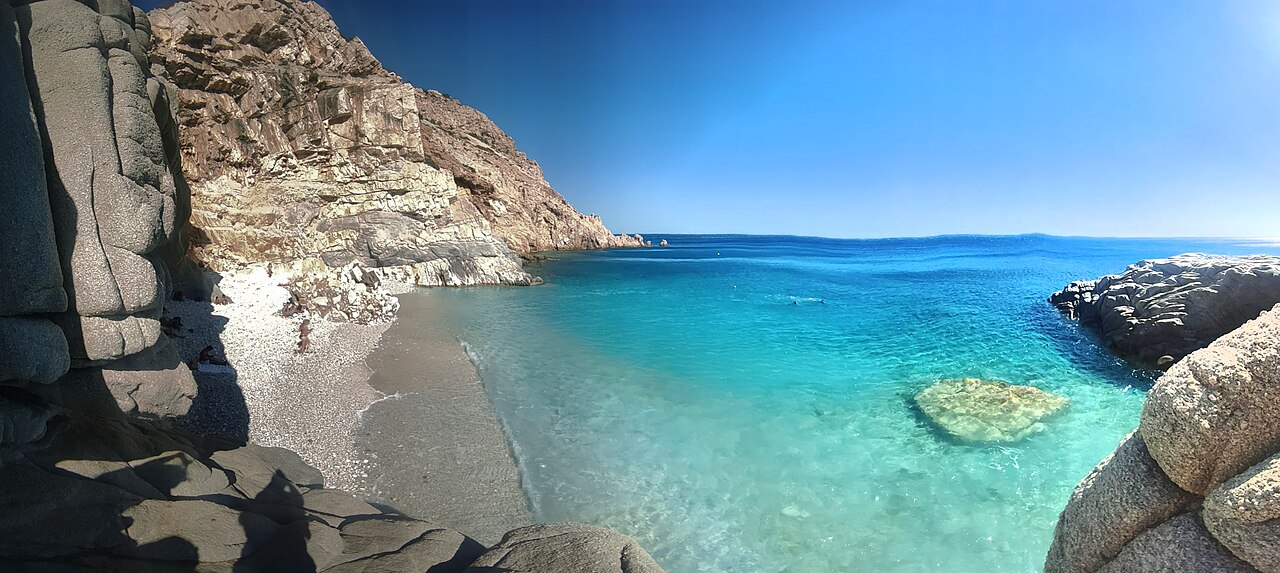
Ikaria is not a beach destination in the conventional sense. It does not have rows of sun loungers and cocktail menus. What it has is raw, wild, largely undeveloped coastline — and within that coastline, some of the most beautiful water in the Aegean.
Seychelles Beach is the most famous, and it earns its reputation. A dramatic cove backed by sheer white cliffs, accessible through a narrow tunnel cut through the rock face, it opens onto a sweep of white pebbles and water of an almost improbable turquoise. The first sight of it, after the darkness of the tunnel, is genuinely startling. Come early in the morning for solitude; come mid-afternoon for the social atmosphere that naturally gathers here in summer.
Nas Beach sits at the mouth of a small river, where fresh water meets salt in a sheltered, sandy cove surrounded by wooded hillsides. Nearby are the foundations of an ancient temple — the Artemis Tauropolos site — which gives the beach a particular layered quality: you are swimming in the same water where ancients once made offerings. The sunset here is exceptional.
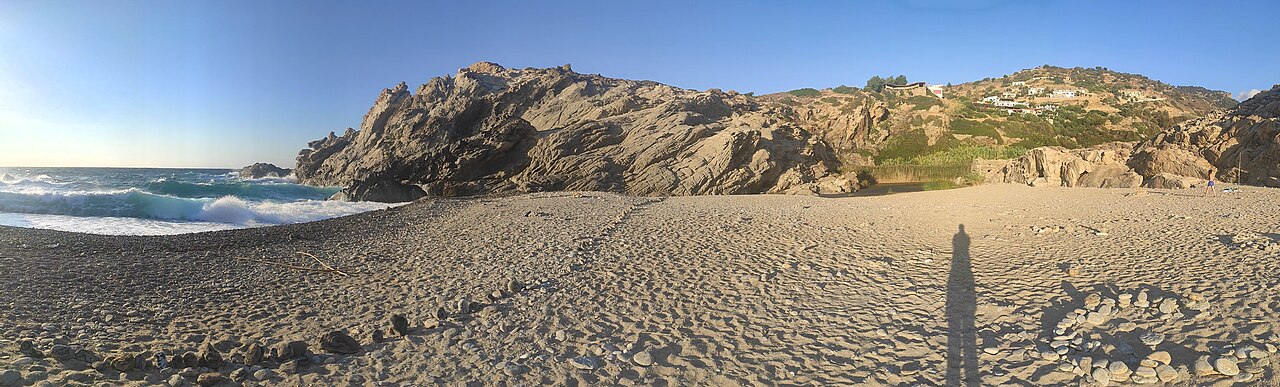
Messakti Beach on the northern coast is Ikaria’s longest sandy beach, exposed to the meltemi winds that rattle through the Aegean in summer, making it the island’s best surfing spot. There is a raw energy to Messakti that attracts a different kind of visitor — younger, more outdoorsy, less interested in relaxing and more interested in the sea as a physical force.
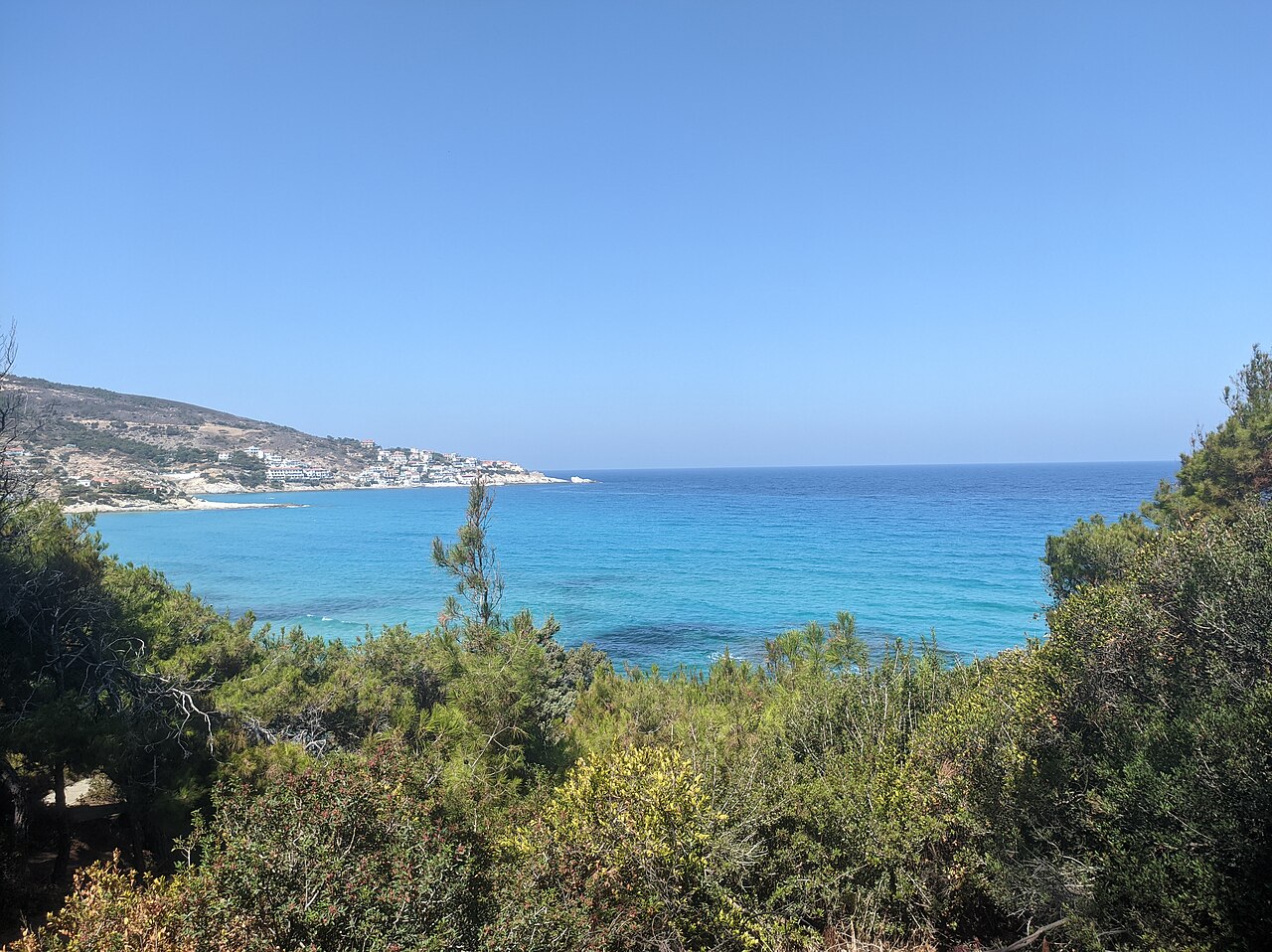
Livadi Beach, near the airport, is organized and accessible — a good choice for families or those wanting a gentler, more sheltered swim.
All of Ikaria’s beaches share one quality: they have not been packaged. There are no water sport vendors every twenty meters, no plastic lounger empires, no artificial sense of occasion. You bring a towel, you find a spot on the pebbles or sand, and you swim in water that is genuinely, magnificently clean.
Mountain Villages & The Art of Living Backwards
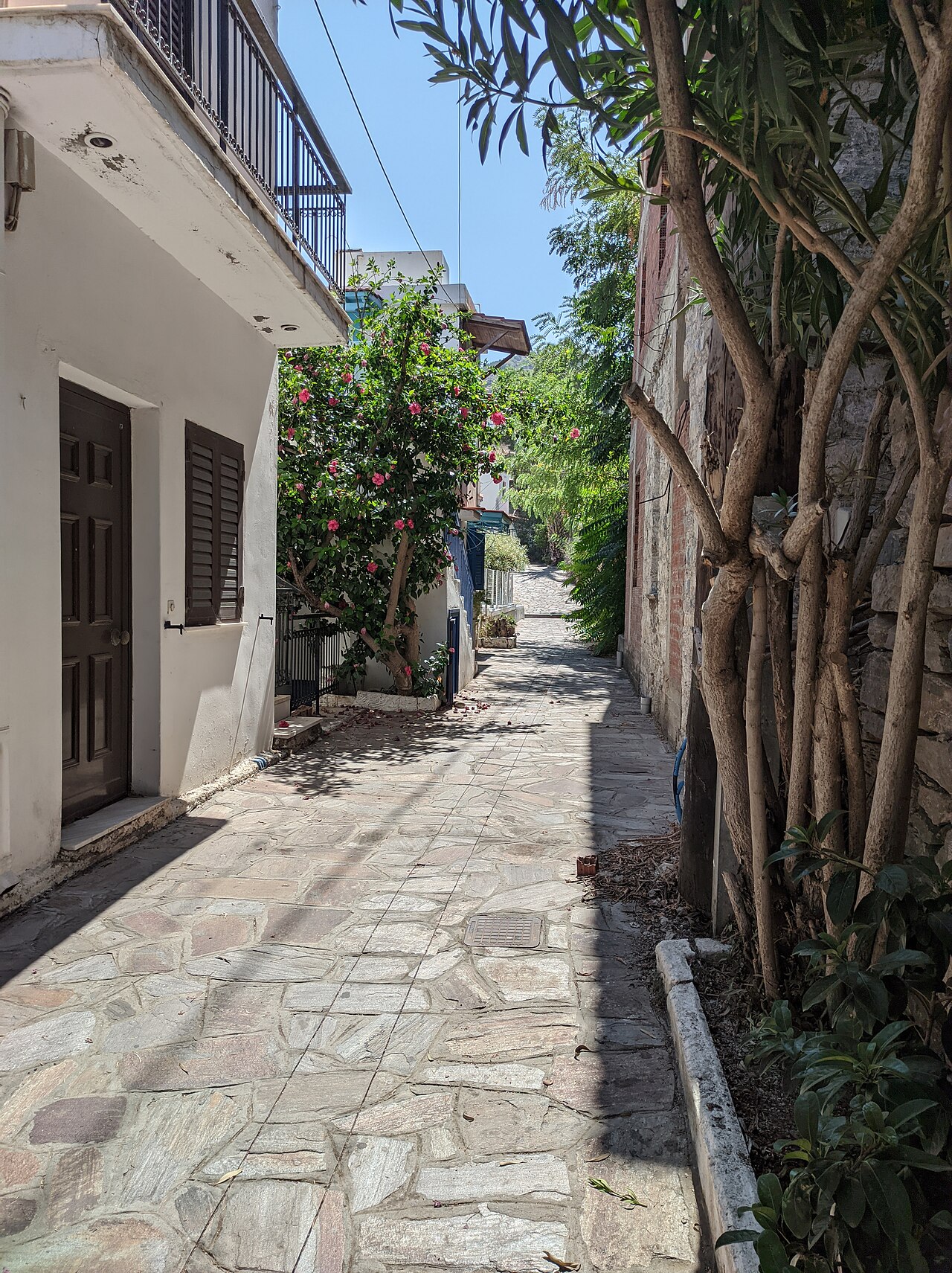
The island’s interior is its soul. While the coasts offer beaches and thermal springs, the mountains — pine forests, chestnut groves, stone terraces, and stone-built villages that look as if they grew organically from the hillside — hold the quieter, more enduring magic of Ikaria.
Agios Kirikos, the capital and main port, sits in an amphitheatre of rock above the southern sea. It is a working town rather than a tourist performance — a place of kafeneions where the tavli never stops, fishing boats coming in at dawn, and the particular unhurried morning rhythm that defines Ikarian life. The thermal baths of Therma are just a few minutes’ walk along the coastal road.
Evdilos, the second port on the northern coast, has a different character — older, more atmospheric, with elegant stone mansions from the island’s more prosperous centuries and a harbor front where the light at golden hour is genuinely painterly.
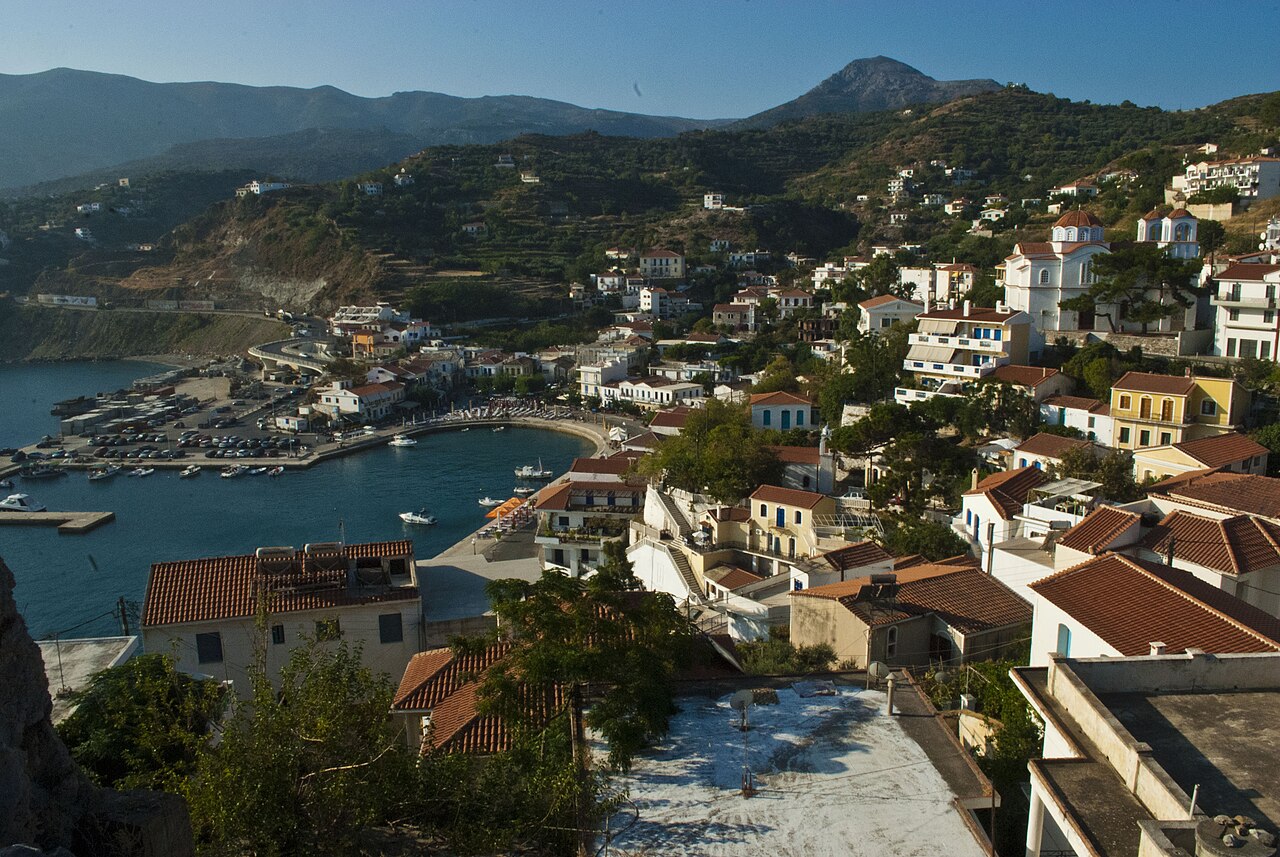
Christos Raches is the village that journalists always write about — and for good reason. This mountain settlement, deep in the pine forest above Armenistis, operates on a schedule so completely inverted that it has become a kind of symbol of Ikarian freedom from the tyranny of time. The shops are shuttered at noon. They open at 10 PM. By 2 AM, the village is fully alive — groceries, bakeries, the kafeneion, all operating under the moon. Then, slowly, everything closes again. Dawn brings silence.
Is this eccentricity? Performance? Or simply a community that decided, at some point, that the afternoon heat was better spent sleeping, and the cool mountain night was better spent gathering? Spend a night in Christos Raches and you will not be sure the rest of the world has been doing it correctly.
Karkinagri, in the remote southwest, is as far as the road goes on that side of the island. A tiny fishing village perched above wild cliffs, it exists in a state of beautiful, self-sufficient isolation. The drive there — winding mountain roads through rock and scrub — is itself an experience worth having.
Manganitis, a small fishing settlement on the southwest coast, rewards those who find it with dramatic cliffs, impossible views, and the specific peace of a place that is not on most visitors’ maps.
For a comparison with another Greek island whose traditional villages feel similarly resistant to the modern world, the Karpathos guide offers a window into traditional Dodecanese village life where the customs and costumes of an earlier Greece survive with remarkable continuity.
Hiking & the Mountain Interior
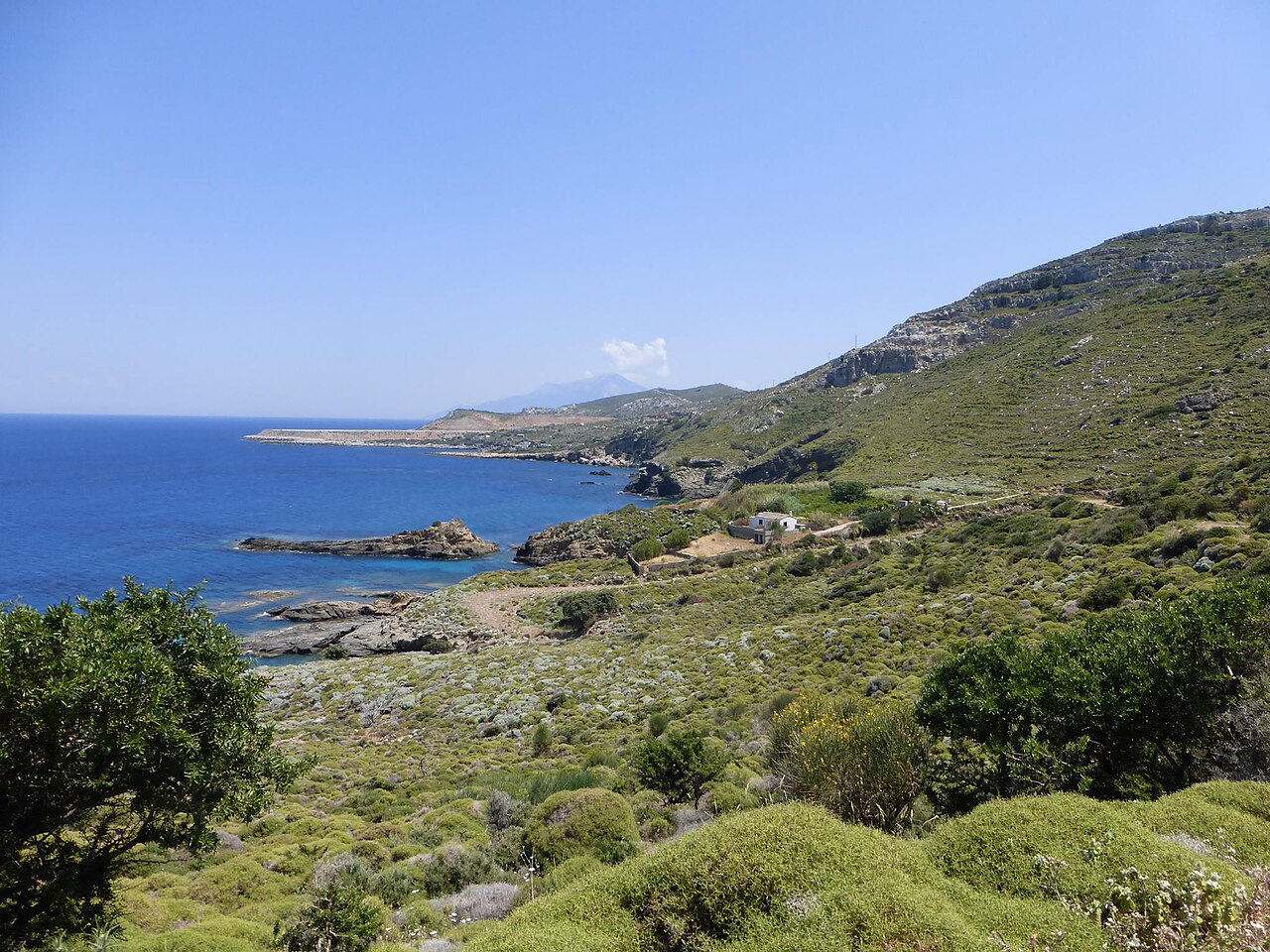
One of the most common things visitors to Ikaria remark upon is the surprise of its greenness. People expect a dry, sun-bleached Aegean island. What they find instead is a densely forested interior of pine, plane trees, and chestnut groves, cut through with gorges and streams that run even in summer.
This landscape was, for centuries, Ikaria’s natural protection. Pirate raids were common in the Aegean during the medieval period, and Ikarians responded by retreating into the mountains, building their villages away from the sea, making the island difficult and unrewarding to attack. The result is a trail network that connects village to village through one of the most dramatically beautiful mountain terrains in the Aegean.
Halari Gorge, near Armenistis on the northern coast, is the island’s most celebrated hiking route. The trail descends through the gorge, following a river through increasingly lush vegetation, eventually arriving at a waterfall and a series of natural swimming pools. This hike captures in concentrated form what makes Ikaria’s interior so unusual: the sense of walking through a landscape that is genuinely, unexpectedly wild.
Nas Gorge leads from the village down to Nas Beach and the ancient temple site, passing through dense riverine forest. Combined with a swim at the beach at the trail’s end, it makes a perfect half-day outing.
Mount Atheras (Pramnos) at 1,037 meters is the island’s highest point. The summit offers panoramic views over the Aegean, the forested interior, and the distant Turkish coastline — a reminder that Ikaria sits at the crossroads of Greek and Anatolian worlds.
It is also worth noting that in Ikaria, simply walking around is already a workout. The terrain is steep almost everywhere, and the effort required to move between villages — whether on foot or even by car — is itself a form of physical activity that local researchers believe contributes meaningfully to cardiovascular health. There are no flat streets here. Every errand is a climb.
Getting to Ikaria
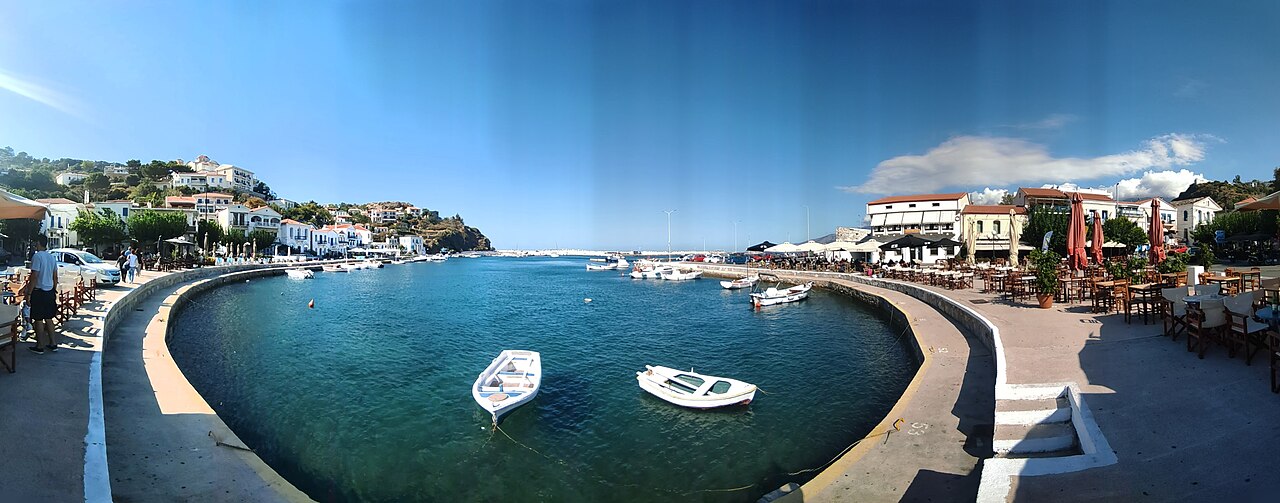
Getting to Ikaria is part of its character. It requires a little effort, and that effort is not incidental — it is a quiet filter, gently ensuring that the visitors who arrive are those willing to make a small commitment.
By ferry from Piraeus (Athens’ main port), the crossing takes approximately seven to eight hours, depending on the route and vessel. Regular connections operate throughout the year, with more frequent services in summer. From the ferry deck at night, with the lights of the islands passing and the warm Aegean air, this is one of the genuinely pleasurable travel experiences in Greece. Connections also exist from Samos, Fourni, Syros, and Mykonos, making Ikaria a natural stop on an eastern Aegean island-hopping itinerary. Use Ferryhopper to check current schedules and book tickets.
By air, Ikaria has its own domestic airport (airport code: JIK) with daily flights from Athens taking approximately 45 minutes. This is the fastest option and increasingly practical as flight availability improves.
Once on the island, a rental car is essential. Ikaria is long and narrow, with its two main ports — Agios Kirikos in the south and Evdilos in the north — separated by mountain roads that are steep, winding, and spectacular. Public buses run between the main settlements but infrequently. The independence of a car — or even a scooter for those confident on mountain roads — opens the island completely.
Best Time to Visit Ikaria
Ikaria rewards visitors in every season, but some months suit particular travel styles better than others.
May and June are perhaps the finest months for those whose priority is hiking, nature, and quiet immersion. The wildflowers are at their peak, the island is green and fragrant, temperatures are comfortably warm without being brutal, and the crowds that gather in high summer have not yet arrived. The thermal springs are fully operational, and the general feeling is of an island before it has been called upon to perform.
July and August bring the panigiria — the all-night festivals that define Ikarian summer. These months are the cultural heartbeat of the island’s year. They are also the hottest and the busiest, particularly in August when Greek visitors from Athens and the mainland arrive in significant numbers. If you want to attend a major panigiri, you must come in high summer. If you want solitude, you must accept the trade-off.
September is the insider’s choice, and it deserves particular emphasis. The sea is warm — warmed by three full months of summer sun — the crowds have largely departed, prices ease, the light takes on a golden quality that photographers speak about reverently, and many panigiria are still occurring through the first weeks of the month. Swimming, hiking, exploring villages, soaking in the thermal springs: September in Ikaria is deeply, quietly ideal. Our guide to September in Greece makes the case in full.
October brings the chestnut festival season in the mountain villages, where the harvest of the island’s chestnut forests is celebrated with characteristic Ikarian generosity. Some accommodation and services begin to close in late October, but the island in autumn has a particular austere beauty.
Winter is for those who want Ikaria at its most elemental — empty, raw, and real. The thermal springs remain open, the kafeneions still fill, and the island reveals itself to those with the patience to wait for it.
A Week in the Blue Zone: Suggested Itinerary
Seven days gives you enough time to understand Ikaria rather than merely visit it. Here is a framework — adjust freely, as Ikarians would expect you to.
Day 1 — Arrival & First Immersion: Arrive at Agios Kirikos by ferry or fly into the island’s small airport. Settle in, walk the capital’s steep lanes, find a kafeneion by the port. In the evening, make your way to the thermal baths at Therma for your first soak. Return for dinner as the village comes alive.
Day 2 — The Wild Coast: Drive to Seychelles Beach in the morning, before the crowds. Spend the day swimming and exploring the cliffs. In the late afternoon, wind your way to the remote fishing village of Manganitis for one of the most spectacular sunsets on the island.
Day 3 — Forest & Sea: Hike Halari Gorge in the cooler morning hours, finishing at the waterfall. Recover at Messakti Beach in the afternoon, watching the waves or — if conditions are right — finding a board and attempting the consistent surf.
Day 4 — Mountain Time: Dedicate the day to the interior. Drive up to Christos Raches in the late afternoon — perhaps the village still looks asleep. Wander through the stone lanes, find a table at a mountain kafeneion as the evening begins to open. If it is summer, stay for the panigiri. Do not plan for sleep.
Day 5 — Ancient Ground: Visit Nas Beach in the morning, combine it with a walk through Nas Gorge and a visit to the ancient temple foundations at the site. Spend the afternoon in Armenistis, the island’s most touristic village — small, still relatively quiet, with good tavernas and the beautiful Livadi Beach nearby.
Day 6 — End of the Road: Drive to Karkinagri. This is not a quick journey — the road is demanding and the distance, in island terms, is significant. But arriving at the end of the road, looking out over cliffs that fall directly into the sea with no land visible beyond, justifies every kilometer.
Day 7 — Departure Ritual: Morning thermal bath at Therma. A long, slow breakfast at a harborfront kafeneion in Evdilos. Buy a jar of local honey and a packet of dried mountain tea. Depart with the specific melancholy of leaving a place that has changed something in you.
Ikaria vs. Other Greek Islands: An Honest Assessment
Ikaria is not for everyone, and it is important to say so clearly.
It does not have the postcard perfection of Santorini’s caldera, the cosmopolitan energy of Mykonos, the manicured luxury of certain Cycladic resorts. The roads are challenging, some of the accommodation is simple, the ferry can be delayed, and the pacing — that famous, unapologetic Ikarian slowness — can feel frustrating to visitors who arrived expecting efficiency.
But for a specific kind of traveler — one seeking wellness, nature, authenticity, cultural depth, and the particular pleasure of a place that has not repackaged itself for consumption — Ikaria may be the most rewarding island in Greece.
Compared to Amorgos, another rugged and authentically Aegean island, Ikaria is wilder, less visited, and carries a unique scientific weight to its longevity culture that adds an intellectual dimension to the travel experience. Compared to Hydra — that other celebrated slow island — Ikaria is rawer, further from Athens, and far more likely to keep you up until dawn at a panigiri than at a cocktail bar.
For those whose interest lies in spiritual and cultural depth, Tinos offers a fascinating contrast — the Cyclades’ spiritual heart, where pilgrimage and marble craftsmanship define the island’s character. And for a different model of slow, wellness travel for all ages, the comparison is instructive: Ikaria is not a family resort island, but its values — community, simplicity, nature, longevity — resonate deeply with the growing movement toward travel that nourishes rather than exhausts.
Ikaria in 2026: Wellness Tourism & a Blue Zone in the Spotlight
The global appetite for longevity tourism is growing. Blue Zones, once an academic framework known mainly to researchers and health journalists, have entered mainstream travel culture. Ikaria has been featured in BBC Reel documentaries, National Geographic features, and an expanding body of wellness travel media that has steadily increased visitor numbers over the past decade.
This attention brings both opportunity and risk. The opportunity: more travelers seeking genuine wellness experiences find Ikaria and encounter something that changes them. The risk: that the very qualities that make Ikaria extraordinary — its wildness, its unhurried pace, its unpackaged authenticity — are gradually eroded by the infrastructure required to host a wellness tourism industry.
For now, Ikaria has handled this tension with characteristic stubbornness. Development remains limited. Tourism infrastructure, while improved, has not transformed the island into something it isn’t. The panigiria still happen in the same village squares, the shops in Christos Raches still open at ten at night, and the old men still play tavli under the same plane trees.
But the direction of travel is clear. Visit Greece is increasingly promoting wellness and longevity tourism as a distinct category, and Ikaria sits at the heart of that narrative. New flight connections are being discussed. Thermal wellness facilities are being developed and expanded. For now, Ikaria remains genuinely, magnificently itself — but there is a quiet urgency to visiting while it does.
Taking a Piece of Ikaria Home
You can buy local honey at the market in Agios Kirikos. You can take home dried mountain tea and sage. You can bring a bottle of the island’s unfiltered wine and try to explain to friends why it tastes different from everything else.
But the real thing you take from Ikaria is harder to package.
It is the experience of having lived, for however many days you stayed, on Ikarian time. Of having eaten food that was growing wild on a hillside three hours before it reached your plate. Of having soaked in thermal waters that have been healing people for two and a half millennia. Of having danced in a circle in a village square at 3 AM with grandmothers and teenagers and complete strangers, all of you briefly part of the same turning thing.
Researchers have a phrase they use when discussing Blue Zone communities: “sense of belonging.” It sounds almost too simple to be significant. But in Ikaria, you feel what it means — the particular warmth and ease that comes from being in a place where no one is performing, where the rhythms of the day are set by nature and community rather than commerce, where old age is not something to be hidden or hurried past but simply the next long chapter of an unhurried life.
Siga, siga. Slowly, slowly.
Ikaria doesn’t ask you to do anything in particular. It just asks you to stop rushing. And for most visitors, that simple request turns out to be the most radical and the most healing thing anyone has asked of them in years.
Those who return to the mainland — to the schedules, the notifications, the optimized calendars — carry with them a question that Ikaria planted quietly, like a seed: What if we got this wrong? What if the secret was never the supplement, never the biohack, never the five-step protocol?
What if it was just this: eat wild greens, drink herbal tea, nap in the afternoon, dance with your neighbors until dawn, and let the days be longer than they need to be?
“Ikaria doesn’t sell you a product. It doesn’t give you a program or a prescription. It simply lives — the way humans have lived for thousands of years — and invites you to do the same, for as long as you choose to stay.”
Practical Ikaria: Tips for the Prepared Traveler
- Currency: Euro. ATMs available in Agios Kirikos and Evdilos, limited elsewhere — carry cash for mountain villages and panigiri.
- Language: Greek is the primary language. In tourist areas, English is understood; in mountain villages, much less so. A few Greek phrases go a long way and are received with warmth.
- Accommodation: Family-run guesthouses and small pensions dominate. Large hotels exist but are modest by Aegean standards. Book ahead for July and August; the rest of the year is generally available.
- Transport: Rent a car at the port on arrival. The road between the two ports is winding, spectacular, and approximately 40 km. Give yourself time.
- Connectivity: Mobile signal is intermittent in the interior. Wi-Fi exists in most accommodation and kafeneions in towns. The interior is largely offline — which, in Ikaria, is considered a feature.
- Dress code at panigiria: There is no dress code. Come as you are. Dance.
- Ferries: Check Ferryhopper for current schedules. Ikaria ferries can be delayed by the strong Aegean winds, particularly in summer. This is not an emergency; it is an opportunity to sit by the port and practice siga, siga.