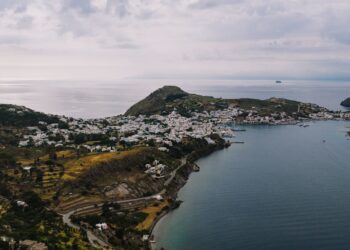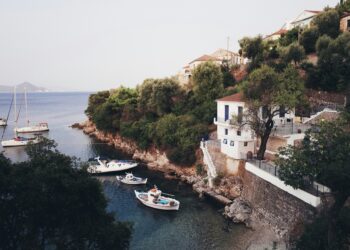
Greece is a year-round destination, but the experience changes dramatically from month to month. The islands that feel like a private discovery in May become a shoulder-to-shoulder spectacle in August. The archaeological sites that bake under 38-degree heat in July are calm, cool, and nearly empty in November. Getting the timing right can mean the difference between a trip you remember fondly and one you wish you had planned differently.
The short answer: May and September offer the best balance of warm weather, swimmable seas, manageable crowds, and reasonable prices. But the longer answer depends on what you want from your trip, where you plan to go, and what you are willing to trade.
Greece at a Glance: Seasons and What to Expect
Peak summer (July-August) brings guaranteed sun and the warmest seas, but also heat, wind, higher prices, and crowds. The shoulder months of May-June and September-October deliver excellent weather without the intensity. Winter (November-March) suits city breaks and cultural travel, though most island services shut down.
Quick-Reference Season Table
| Season | Months | Weather | Crowds | Prices | Best For |
|---|---|---|---|---|---|
| Spring shoulder | April – May | Milder and increasingly settled, but variable | Low to moderate | Generally lower than peak summer, although the difference varies by destination and booking date | Hiking, sightseeing, wildflowers, Easter |
| Early summer | June | Hot and generally dry, with regional variation | Moderate | Rising toward peak | Beaches, island hopping, long days |
| Peak summer | July – August | Hot, often windy in the Aegean | Very high | Usually highest, especially around 15 August | Beach holidays, nightlife, festivals |
| Autumn shoulder | September – October | Warm, with sea temperatures varying by region | Moderate, easing | Generally lower than peak summer, although the difference varies by destination and booking date | Swimming, wine harvest, quieter islands |
| Low season | November – March | Cooler and wetter, with snow in mountain areas | Very low | Usually lower than summer, although the difference varies by destination and booking date | City breaks, museums, skiing, budget travel |
Month by Month: What to Expect Across Greece
January and February
Winter in Greece is not the bleak affair that some travellers imagine, but it is distinctly limited. Athens enjoys average daytime temperatures of around 10 – 13 °C with regular rainfall, while Thessaloniki drops a few degrees lower and occasionally sees frost. The mountains of Epirus, the Peloponnese, and central Greece receive snow, and ski resorts on Mount Parnassos (around two hours from Athens) and at Kalavryta in the northern Peloponnese open for the season.
Most Greek islands operate at a fraction of their summer capacity. On smaller Cycladic islands, only a limited number of tavernas, cafés and accommodation providers may remain open, so check availability before booking. Larger islands such as Crete and Rhodes have year-round communities and services in their main towns, although many resort businesses remain seasonal. Ferry schedules are reduced and some routes operate less frequently until spring.
The main reasons to visit in deep winter are cultural. Archaeological sites and museums stay open on winter schedules, typically closing around 15:00 – 17:00 instead of 20:00. Many offer reduced admission — the Acropolis, for example, drops to half the summer price. The first and third Sunday of each month from 1 November to 31 March is free entry at eligible state-run sites. Athens at Christmas has a festive atmosphere around Syntagma Square, and the Carnival season begins in late January or early February, building toward the elaborate celebrations in Patras and Corfu.
March
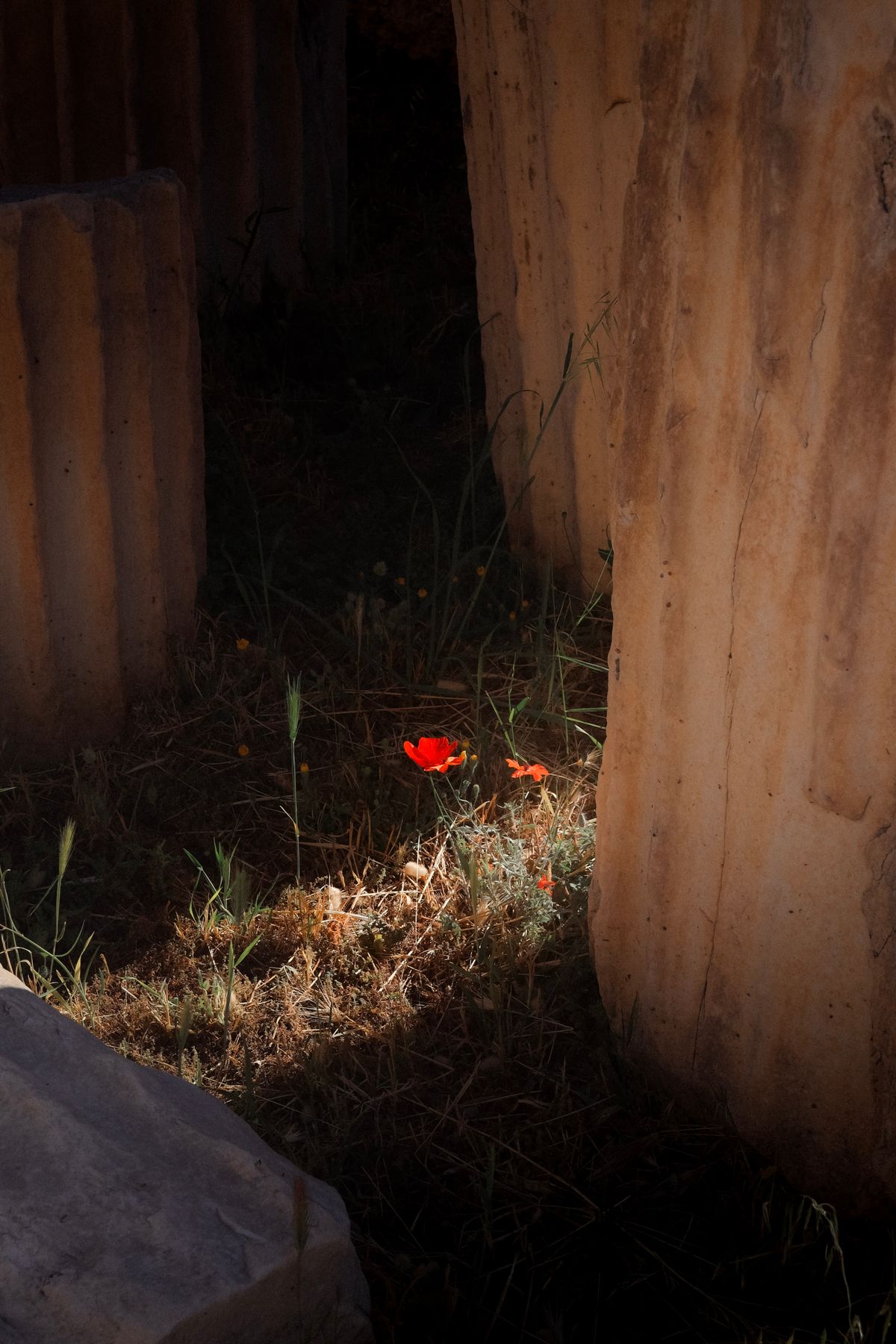
March sits at the boundary between winter and spring. Temperatures climb to 14 – 18 °C in Athens and across much of the mainland, though rain remains common. Wildflowers begin to appear across the Peloponnese and Crete, and almond trees bloom in warmer southern areas. The sea is still too cold for swimming (around 16 – 17 °C), but conditions for hiking and sightseeing improve noticeably.
Island tourism has not yet started in earnest. Most seasonal businesses on smaller islands remain closed, and ferry schedules are still limited. However, larger islands such as Crete, Corfu, and Rhodes begin to show signs of life toward the end of the month. Late March can be excellent for visiting Delphi, Nafplio, and other mainland archaeological destinations without summer crowds, and admission prices remain at winter rates through the end of March.
April
April marks the real beginning of the travel season. Daytime temperatures reach 18 – 24 °C, the risk of rain decreases, and the Greek countryside is at its greenest. This is peak wildflower season, and hiking trails across Zagori, Pelion, and the Peloponnese are at their most scenic.
Orthodox Easter typically falls in April or early May and is the most important cultural event in the Greek calendar. In 2026 it falls on 12 April; in 2027, on 2 May. The celebrations are extraordinary — midnight services with candlelight, fireworks, the Rocket War on Chios, and the pot-throwing from balconies in Corfu. Visiting during Holy Week is a memorable experience, but accommodation in popular Easter destinations books out well ahead of time, and some ferry and transport services may be disrupted over the holiday weekend.
The sea is still brisk in April (17 – 19 °C), so this is not a swimming month for most visitors. But the combination of pleasant air temperatures, low crowds, spring light, and reasonable prices makes it one of the best months for cultural travel and photography.
May
May is widely considered one of the two best months to visit Greece, alongside September. The weather is reliably warm (22 – 28 °C) with very little rain, the light is exceptional, and the islands have opened for the season without yet reaching summer intensity. Ferry schedules expand to cover most routes, car-rental availability improves, and restaurants and accommodation across the Cyclades, Dodecanese, and Ionian islands are up and running.
The sea warms to about 19 – 21 °C by late May — comfortable enough for many swimmers, though not yet the bathwater warmth of late summer. Beaches are uncrowded, and popular destinations like Santorini and Mykonos feel notably more relaxed than they will in six weeks. Samaria Gorge in Crete generally opens from 1 May to the end of October, depending on weather and safety conditions. May is often a good period for walking before the summer heat sets in, but check the official notice before travelling.
Prices in May are typically Prices are generally lower than peak summer rates, although the difference varies by destination and booking date. For travellers who want warm weather, functioning island services, and breathing room, May is hard to beat.
June
June is the transition from spring calm to summer energy. Temperatures range from 25 – 32 °C depending on the region, and the days are long — over 15 hours of daylight at the solstice. The sea reaches a comfortable 22 – 23 °C, and beach season is properly under way across the country.
The first half of June still feels like an extension of May: warm, manageable, and well priced. By mid-to-late June, summer begins in earnest. Beach bars on Mykonos and Ios are in full swing, and accommodation on popular islands starts to fill. Prices begin their climb toward peak-season levels, though they have not yet reached the heights of late July and August.
The Meltemi winds — the strong northerly winds that define summer in the Aegean — may start to make themselves felt in the Cyclades by late June, though their peak comes later. For island hopping, early June offers an excellent window: most routes are operating, the sea is warm enough to swim, and the Meltemi has not yet complicated ferry schedules.
July
July is peak Greece. Temperatures regularly exceed 33 °C in Athens and across low-lying coastal areas, and the sun is relentless. On the islands, the heat may be moderated by the Meltemi, a strong northerly wind that affects the Aegean most in summer. It can make north-facing beaches rough and uncomfortable, and strong-wind days may delay or disrupt some smaller or high-speed ferry services. Conditions vary, so check the operator’s notice before travelling.
The Ionian islands — Corfu, Kefalonia, Lefkada, Zakynthos — are largely sheltered from the Meltemi and experience calmer seas, though they tend to be more humid than the Aegean.
July is panigyri season: traditional village feast days honouring local saints, with food, music, and dancing through the night. It is also the most expensive month. Accommodation prices run Often substantially higher than shoulder-season rates on popular islands, and booking well in advance is essential. For beach lovers and nightlife seekers who embrace the intensity of full summer, July delivers exactly what they are looking for. For sightseeing, especially at outdoor archaeological sites, it is punishing — plan any ruins visits for early morning.
August
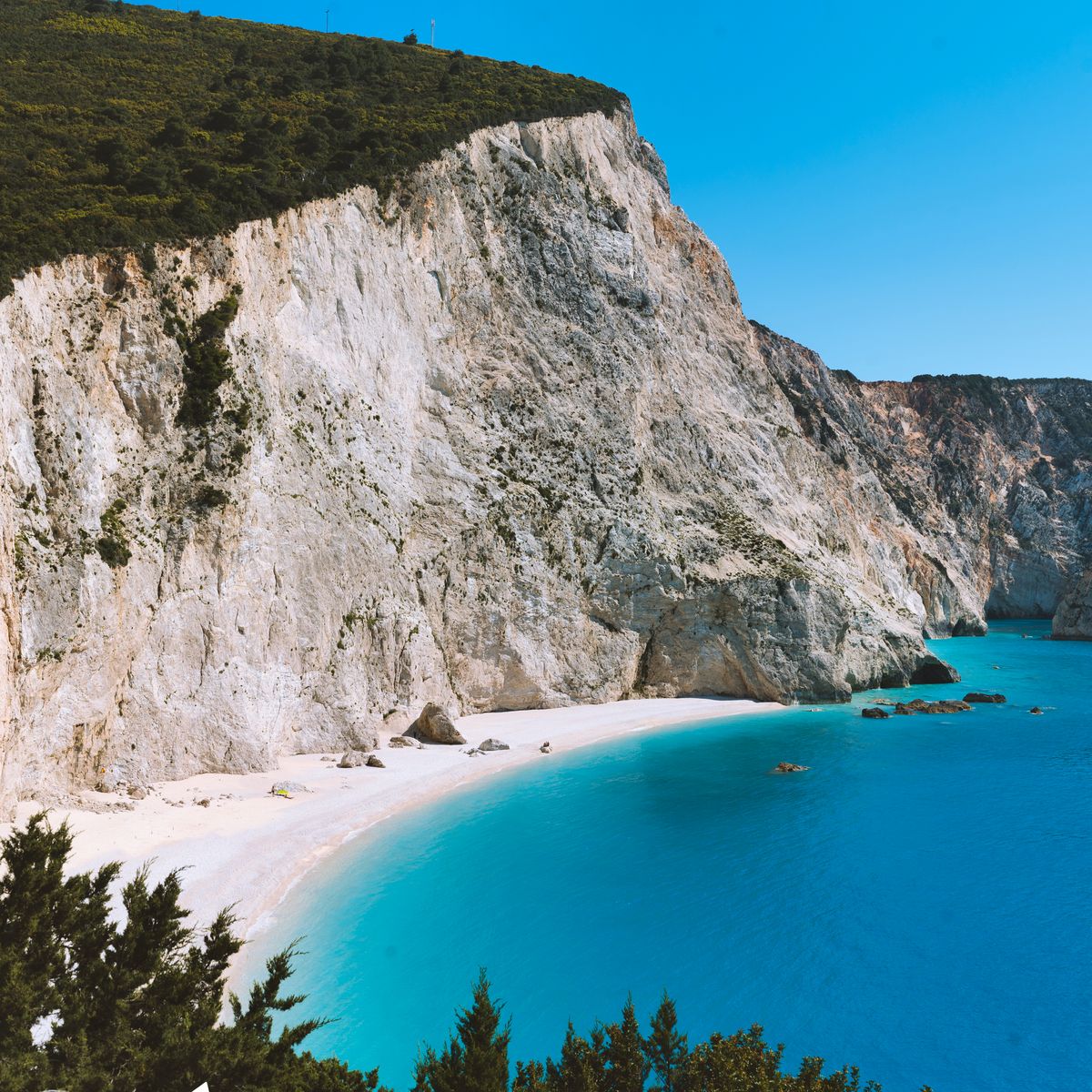
August is Greece at maximum capacity. It is the hottest month (Athens averages around 29 °C, with highs frequently above 35 °C), and the sea reaches its warmest point at 25 – 26 °C. Greeks themselves take their holidays now, so domestic demand adds to international tourism. On 15 August — the Feast of the Assumption of the Virgin Mary — the country essentially stops. It is the single biggest public holiday of summer, and islands associated with the Panagia (such as Tinos) see enormous pilgrimages.
The Meltemi remains strong throughout August, particularly in the central and southern Aegean. If you are planning a Cyclades sailing trip, be aware that experienced crews treat these winds seriously, and itineraries are frequently altered. On land, the wind can actually be welcome — it takes the edge off the extreme heat.
Prices peak in the first three weeks of August, especially during the period around the 15th. This is the most expensive time to visit Greece by a significant margin. If August is your only option, consider destinations that absorb crowds better: Crete has enough coastline and infrastructure to stay manageable, the Peloponnese mainland sees fewer international visitors than the islands, and Halkidiki offers excellent beaches without island-hopping logistics.
September
September is the other contender for best month in Greece, and many experienced travellers prefer it to May. The air temperature eases to 24 – 28 °C, the Meltemi weakens and eventually fades, and — critically — the sea retains all the warmth accumulated over summer. Water temperatures of 24 – 25 °C make September the finest swimming month: warm water, calmer conditions, and beaches that are shedding their August crowds.
The light shifts too. The intense white glare of midsummer softens into something warmer and more golden, which is why photographers favour this period. Grape and olive harvests begin in many regions, and wine-related events appear on local calendars across the Peloponnese, Crete, and the Cyclades.
Prices drop noticeably after the first week of September. A comparable stay may be noticeably less expensive in September than in August, but the difference depends on the destination, property and dates. Ferry schedules are still running at near-summer frequency through mid-September, and nearly everything remains open. By the last week of the month, the first hints of autumn appear — shorter days, occasional afternoon clouds, and some smaller businesses beginning their end-of-season wind-down. For more on this period, see our detailed September in Greece guide.
October
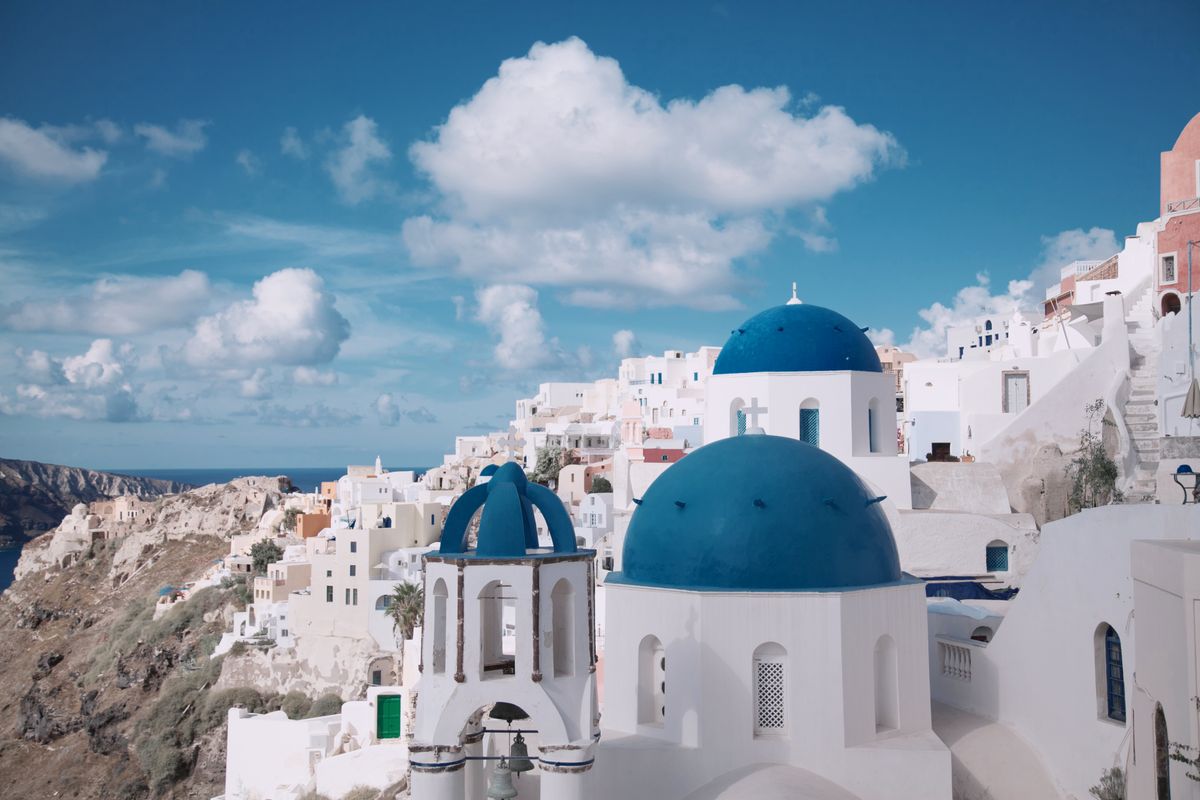
October is a gamble that often pays off. The first two weeks often offer warm weather in southern Greece, while the mainland and western islands can be cooler or wetter. The sea may still be comfortable for swimming, especially around Crete, Rhodes and sheltered south-facing coasts, but conditions vary by year and location. By the second half of the month, the probability of rain increases, days shorten, and some tourist services begin to close.
This is one of the cheapest months that still allows a functional island holiday. Accommodation and flights often become less expensive than in high summer, although the difference varies by destination, route and booking date. The destinations that remain open offer a pace that feels closer to local life than to international tourism. Ohi Day on 28 October is a national holiday marked by military parades in every town, and state-run archaeological sites offer free admission.
The risk of October is that you may catch several days of rain, especially in the Ionian islands and western mainland, which receive the most autumn precipitation. But if you target Crete, the Dodecanese (particularly Rhodes and Kos), or Athens, you stand a good chance of warm, dry days well into the month.
November and December
By November, Greece has shifted into its winter mode. Temperatures drop to around 14 – 18 °C in Athens and 10 – 14 °C in Thessaloniki. Rain becomes more frequent, and the grey, overcast days that Greeks call “winter” arrive — though they are mild by northern European standards. The sea cools below 20 °C, and swimming season is definitively over for all but the hardiest visitors.
Many seasonal businesses on smaller islands close by late October or early November. Ferries revert to winter timetables and may run much less frequently than in summer. A winter visit can still be rewarding, but visitors should confirm accommodation, restaurant and transport availability in advance.
However, Athens and Thessaloniki come into their own as winter city destinations. Both have active cultural scenes, excellent museums, reliable public transport, and restaurant and cafe life that does not depend on tourism. December brings Christmas markets, festive lighting, and the holiday atmosphere that Greeks celebrate with particular enthusiasm. It is also an excellent time for mainland road trips — the Peloponnese in winter has a moody beauty, and driving conditions are generally fine at lower elevations.
Best Time by Activity
| Activity | Best Months | Why |
|---|---|---|
| Beach and swimming | Late June – September | Sea above 23 °C, warmest in Aug – Sep |
| Island hopping | May – June, September | Full ferry schedules, manageable crowds, calmer Aegean |
| Hiking and gorges | April – June, September – October | Cooler air, spring wildflowers, gorges open May – Oct |
| Archaeological sites | March – May, October – November | Comfortable temperatures, fewer visitors, longer site hours than deep winter |
| Food and wine | September – November | Grape harvest, olive harvest, fresh seasonal produce |
| Sailing | May – June, September | Manageable winds; Jul – Aug Meltemi strong in Aegean |
| City breaks (Athens, Thessaloniki) | March – May, October – December | Pleasant walking weather, cultural events, lower prices |
| Skiing | December – March | Snow at selected mountain resorts, depending on conditions |
The Meltemi: Greece’s Summer Wind
The Meltemi is the single most important weather factor that most first-time visitors do not account for. These strong, dry, northerly winds blow across the Aegean from late June through early September, peaking in July and August. In the central Cyclades, the Meltemi can become strong and persistent, particularly in July and August. Exact conditions vary from day to day and between islands.
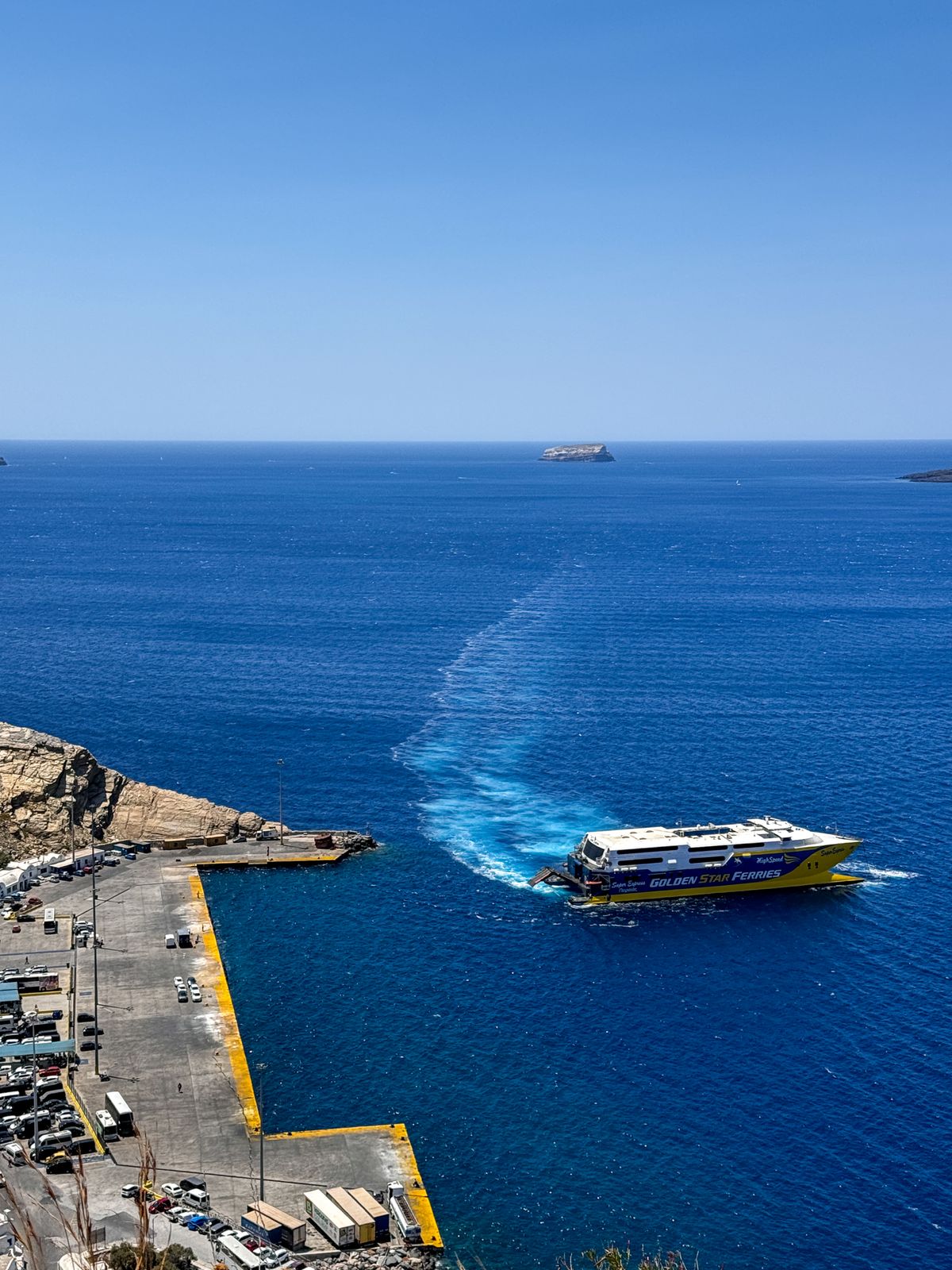
The practical effects are significant. North-facing beaches become rough and wind-swept, making swimming difficult or unpleasant. Ferry services to smaller islands may be cancelled or delayed. Sailing itineraries in the Cyclades are regularly altered by experienced skippers, and bareboat charters in this area during peak Meltemi are not recommended for novice sailors.
On the positive side, the Meltemi cools the islands considerably, making the extreme summer heat far more tolerable than in windless Athens. It also keeps the sky clear and the air dry, producing the sharp light that makes the Cyclades so photogenic.
If you want to avoid the Meltemi entirely, the Ionian islands are your best option — they sit on the west side of Greece and are largely sheltered from these winds. The Dodecanese and Sporades also experience less intense conditions than the central Aegean. If you are set on the Cyclades in July or August, choose south-facing beaches and expect some windy days as part of the experience.
Sea Temperature and the Swimming Season
One of the most common misconceptions about Greece is that the sea is warm whenever the weather is warm. In reality, the Mediterranean takes time to absorb heat, and the sea temperature lags behind air temperature by roughly six to eight weeks.
| Month | Cyclades | Crete (south) | Dodecanese | Ionian |
|---|---|---|---|---|
| May | 19 °C | 20 °C | 20 °C | 19 °C |
| June | 22 °C | 23 °C | 23 °C | 22 °C |
| July | 24 °C | 25 °C | 25 °C | 24 °C |
| August | 25 °C | 26 °C | 26 °C | 25 °C |
| September | 24 °C | 25 °C | 25 °C | 24 °C |
| October | 22 °C | 24 °C | 23 °C | 22 °C |
The practical takeaway: if warm-water swimming is your priority, aim for late June through September. May visitors should expect brisk water in most areas, though sheltered south-coast bays in Crete tend to warm faster. September and early October combine the warmest sea of the year with declining crowds — a combination that makes them the best months for unhurried beach time.
Festivals and Events Worth Planning Around
Greece’s cultural calendar can be a reason to visit or a reason to book early. Several events genuinely shape the travel experience, and timing your trip around them is worth considering.
Carnival (February – March): The most elaborate celebrations are in Patras, where the carnival is one of the largest in Europe, and Corfu, where the Venetian-influenced festivities have their own distinctive character. Athens has a smaller but atmospheric celebration centred on Plaka. The season runs for several weeks, with the biggest events in the final weekend before Clean Monday.
Orthodox Easter (moveable — April or May): The defining cultural experience in Greece. Holy Week services are deeply atmospheric, and the midnight Resurrection on Saturday night — with candles, fireworks, and the greeting “Christos Anesti” — is something visitors of any faith tend to carry with them long after the trip. The best places to experience it include Corfu (where clay pots are thrown from balconies on Holy Saturday), Chios (where rival parishes fire thousands of rockets at each other), and Tinos (with its major pilgrimage). Book accommodation early if you plan to visit during Holy Week.
Panigyria (July – August): Village feast days honouring patron saints are the most authentic local celebrations you can stumble upon. They involve live music, dancing, grilled meat, and free-flowing wine in the village square, and visitors are genuinely welcome. The busiest month is July, with saints’ days on the 17th (Marina), 20th (Elias), 25th (Anna), 26th (Paraskevi), and 27th (Panteleimon).
Feast of the Assumption, 15 August: Greece’s biggest summer holiday. The entire country takes a break, and islands associated with the Virgin Mary — particularly Tinos — see thousands of pilgrims. This is also the most expensive single week for accommodation and the most likely to be fully booked.
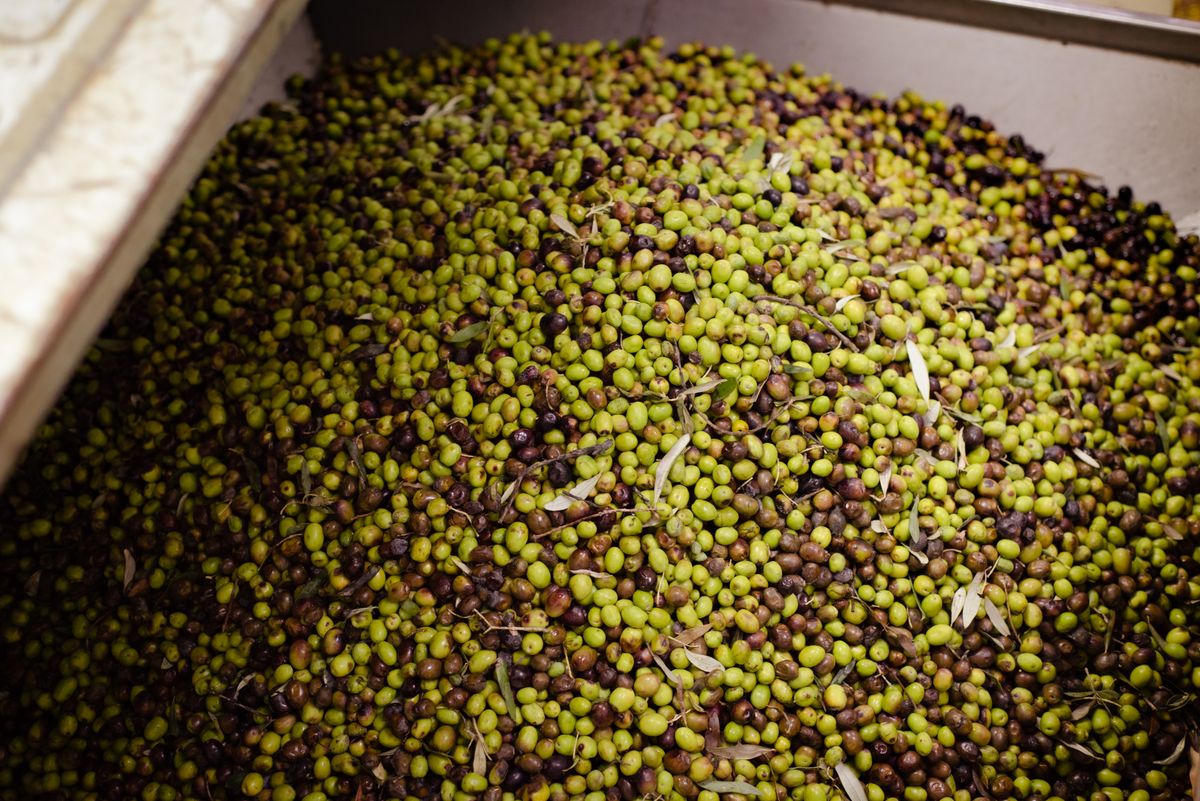
Grape and olive harvest (September – November): Harvest season brings regional food festivals, wine tastings, and the chance to see (or participate in) the olive and grape picking that defines rural Greek life. Crete, the Peloponnese, and several Cycladic islands offer harvest-related events, though many are local and not formally marketed to tourists.
Best Time by Destination Type
The Cyclades (Santorini, Mykonos, Paros, Naxos, Milos)
The Cyclades have the most defined season of any Greek island group. Many seasonal businesses open in spring and wind down in autumn The sweet spot is May, early June, and September, when the islands are fully operational but not overwhelmed. July and August bring the Meltemi, the crowds, and the highest prices. October is possible on larger islands like Naxos and Paros, but smaller islands wind down quickly. For a deeper look at routes and logistics, see our island-hopping guide.
Crete
Crete has the longest functional season of any Greek destination. Its south coast retains warmth well into November, and its size means that infrastructure — accommodation, restaurants, transport — operates year-round in larger towns. For beaches, aim for June through October. For the Crete road trip, gorge hiking, and Minoan sites, April through June and September through October are ideal. Winter in Crete is mild enough for walking and exploring, though beach tourism is not an option.
The Ionian Islands
The Ionians — Corfu, Kefalonia, Zakynthos, Lefkada, Ithaca — are the best Greek islands for visitors who dislike wind and want warm, calm seas. They are also among the greenest Greek islands, precisely because they receive more rain than the Aegean. The best months are June through September, with July and August being warm and humid but wind-free. May and October work well for hiking and village exploration. The Ionians get wetter earlier in autumn than the Aegean islands.
The Dodecanese and North Aegean
Rhodes, Kos, and the larger Dodecanese islands enjoy some of the warmest autumn weather in Greece, making them excellent choices for late-season travel. October swimming is genuinely comfortable here. The North Aegean islands — Lesvos, Chios, Samos — have a shorter peak season but reward visitors who come in June or September with emptier beaches and more local character.
Athens and the Mainland
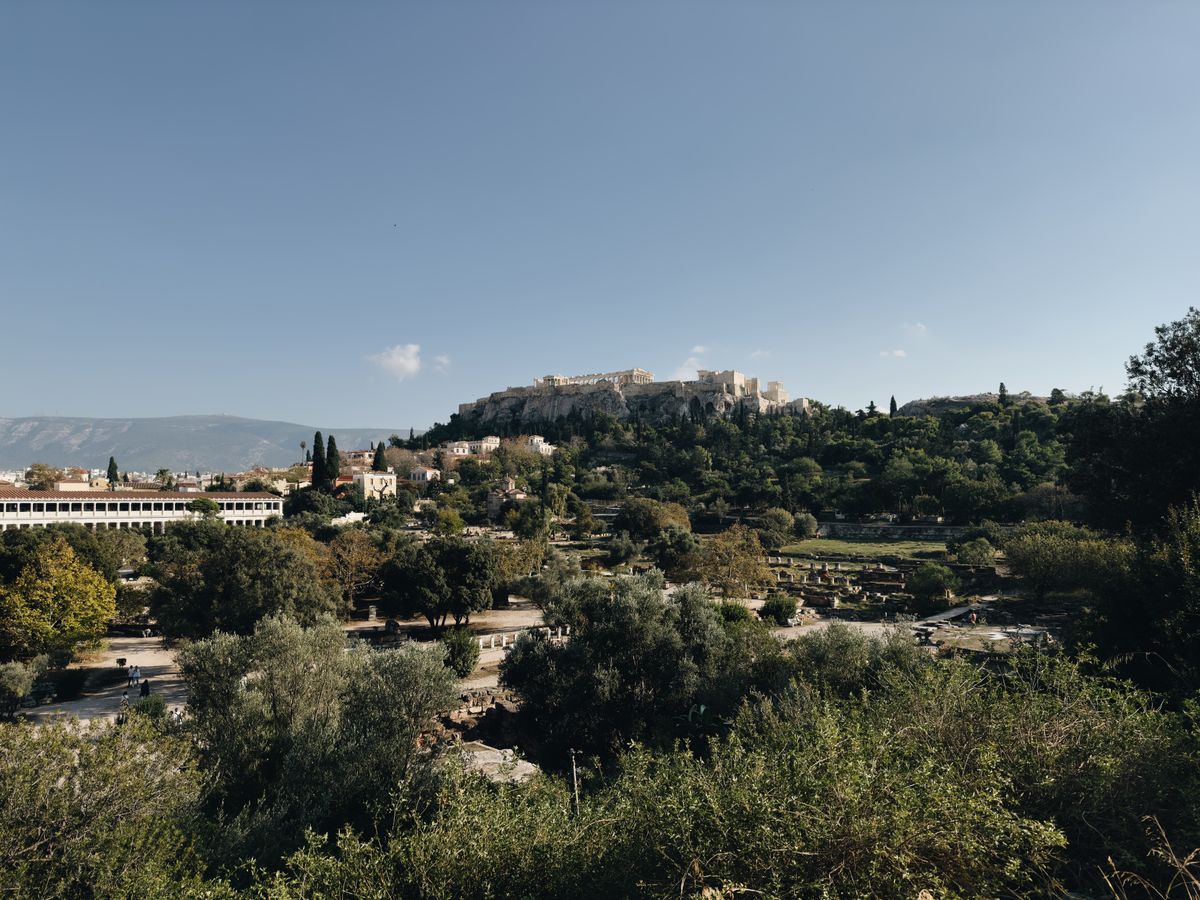
Athens works year-round, though July and August are uncomfortably hot for sightseeing (temperatures regularly exceed 35 °C) and the city empties of locals on holiday. Spring and autumn are the best seasons for exploring the capital — comfortable walking weather, the Acropolis without the midday crush, and a restaurant scene that is at its most lively. Winter Athens has its own appeal: festive December evenings, uncrowded museums, and the neighbourhood cafes that define daily Greek life.
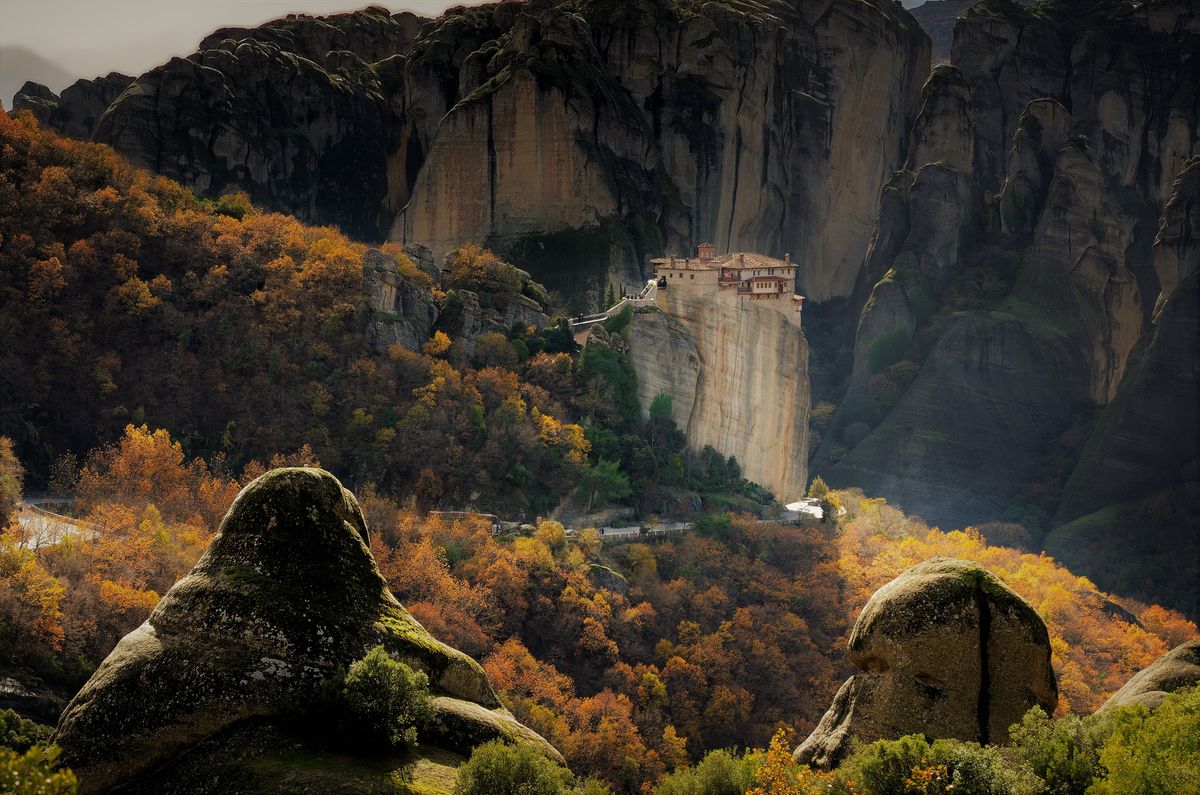
The mainland destinations — the Peloponnese, Meteora, Delphi, Zagori — are best in spring and autumn. Summer heat makes outdoor archaeological sites and hiking difficult, and winter brings limited daylight hours and shorter opening times, though the experience of visiting Meteora or Delphi on a crisp autumn morning with no crowds is quietly special.
Prices and Crowds: What the Seasons Actually Cost
The price difference between peak and off-peak Greece can be substantial, but there is no single percentage that applies across the country. As a broad pattern, accommodation and flights are usually most expensive around July and August, while prices often ease in May, late September and October. State-site admission rules are separate from commercial travel prices:
| Period | Accommodation | Flights (from Europe) | Site Admission |
|---|---|---|---|
| Nov – Mar | Usually lower than summer, although the difference varies by destination and booking date | Often lower outside the main season, although the difference depends on route and booking date | Some sites apply reduced winter admission; check the individual official listing |
| Apr – May | Generally lower than peak summer, although the difference varies by destination and booking date | Often lower than peak summer, although the difference varies by route and booking date | Site-specific rules; check the official listing |
| Jun | Approaching peak | Near peak | Summer rates |
| Jul – 15 Aug | Usually highest, especially around the busiest August weeks | Highest | Summer rates |
| 16 Aug – Sep | Declining from peak | Declining | Summer rates |
| Oct | Often lower than summer, although the difference varies by destination and booking date | Often lower than summer, although the difference varies by route and booking date | Site-specific rules; check the official listing |
September often offers a better value-to-weather balance than August, but the difference depends on the destination and the dates booked. A later-September trip can cost noticeably less than an equivalent August trip, but the difference depends on the destination, accommodation and transport booked. The weather is often better, the sea is warmer, and the beaches are emptier. It is the most straightforward upgrade available in Greek travel planning.
What Closes in Winter
Winter Greece is a different country from summer Greece, and the most important thing to understand is what will and will not be available. On larger islands (Crete, Rhodes, Corfu, Lesvos) and in mainland cities, daily life continues normally. Restaurants, cafes, supermarkets, and local transport operate year-round, even if some tourist-oriented businesses close.
On smaller islands — particularly in the Cyclades, Sporades, and smaller Dodecanese — the situation is very different. Most accommodation closes by late October or early November. Restaurants and bars that catered to summer visitors shut for the season. Beach infrastructure (sunbeds, bars, water sports) disappears entirely. Some islands may have only one or two tavernas open, serving the small year-round population.
Ferries revert to winter schedules that may run only two or three times per week. Bad weather can cancel crossings entirely, leaving you stranded for a day or two. If you plan to visit a small island in winter, research ferry schedules carefully and have flexible travel dates.
Archaeological sites and museums throughout Greece follow a winter schedule from 1 November to 31 March, with significantly shorter opening hours. The Acropolis site typically closes at sunset (around 17:00 in winter), while major sites like Delphi close at 15:00. Several free-entry days apply during the winter months, including the first and third Sundays of each month from 1 November to 31 March.
Our Recommendation
For most first-time visitors to Greece, the ideal window falls in the second half of May or the first three weeks of September. Both periods deliver warm weather, functioning island services, manageable crowds, and prices that feel fair rather than inflated. If swimming in warm water matters to you, September has the edge. If spring wildflowers and cooler hiking conditions appeal, May wins.
For returning visitors who have seen the islands in summer, consider the shoulder months more seriously. October in Crete or Rhodes can feel like a private season. April on the Peloponnese offers some of the best sightseeing conditions in Europe. Even winter Athens, with its museums, markets, and neighbourhood culture, is a legitimate and underrated trip.
The months to approach with caution are the last two weeks of July and the first two weeks of August. They deliver exactly what they promise — full-throttle Greek summer — but they also come with the highest prices, the most intense heat, the most crowded beaches, and the strongest Meltemi winds. Unless your schedule is fixed, a shift of two weeks in either direction will improve almost every aspect of the experience.
Research and review note: Seasonal weather, transport, opening hours and prices can change; check official sources before travelling.