Greece in October: Where to Go and What to Expect
October in Greece has a quality that the summer months never quite manage. The light softens to a deep gold by late afternoon, the sea holds onto its warmth from months of sun, and the crowds that once packed every ferry and filled every taverna terrace have thinned to a comfortable hum. You can walk into a waterfront place at sunset without a reservation, find a seat on the morning bus without standing, and swim at beaches where your nearest neighbour is fifty metres away rather than a towel’s width.
The trade-off? Some seasonal services wind down, a few smaller islands grow quieter than you might like, and you will need a light jacket after dark. But for travellers willing to accept those minor compromises, October rewards you with something increasingly rare in Greece: space to breathe, genuinely warm weather, and prices that have dropped to a fraction of their August highs.
October Weather Across Greece
The first thing to understand about October in Greece is that not all of it feels the same. The country stretches from latitude 35 to nearly 42 degrees north, and October weather in Crete differs from October weather in Thessaloniki the way a mild autumn day in Barcelona differs from one in Lyon. You can still swim comfortably on Crete’s south coast while people in Ioannina are pulling out scarves for their evening walk.
Athens and the central mainland typically see daytime temperatures between 20 and 24 degrees Celsius in the first half of October, dropping to 17 or 18 by the month’s end. Rain becomes a real possibility after mid-month, though most days still deliver generous sunshine. The Meltemi wind that defines the Aegean summer has long since died down, which means calmer seas but also a less dramatic sky.
Crete and the Dodecanese islands sit furthest south, and they hold heat longest. Expect highs of 23 to 25 degrees in early October on Rhodes and Crete, with sea temperatures around 23 or 24 degrees, which is warmer than many Northern European beaches manage in high summer. Even in late October, the southern coast of Crete hovers around 21 or 22 degrees, and swimming remains perfectly pleasant.
The Cyclades cool faster than you might expect, given how they bake through July and August. By mid-October, Santorini and Mykonos sit around 20 degrees during the day with noticeably cooler evenings. The small, windswept Cyclades without sheltered harbours, places like Folegandros and Serifos, feel the change earliest. Still swimmable, though, if you pick a south-facing bay with some shelter from the breeze.
Northern Greece, including Thessaloniki, Halkidiki, and the mountain regions, enters autumn more decisively. Daytime temperatures range from 15 to 20 degrees, and the mountain villages of Zagori or Meteora can dip into single digits at night. This is not beach weather, but it is some of the best weather imaginable for hiking, sightseeing, and eating your way through a region without overheating.
October is when Greece stops performing for tourists and starts living for itself again. The rhythm slows, the locals relax, and suddenly the country feels less like a destination and more like a place.
Early October vs Late October
The difference between the first and last week of October is substantial enough that it is worth planning around. Think of it as two distinct windows, each with its own character and advantages.
Early October (1st to 15th) still carries the residual warmth of summer. Ferry schedules run close to their peak-season frequency, most seasonal tavernas and beach bars remain open, and the sea is at its annual warmest, having absorbed five months of Mediterranean sun. You can build a trip around beach time, island hopping, and outdoor dining without much concern about the weather intervening. The main difference from September is fewer people and lower prices, which makes this fortnight arguably the single best value window for a Greek holiday.
Late October (16th to 31st) shifts the balance. Rain becomes more likely, particularly on the western mainland and the Ionian Islands, which catch weather systems arriving from the Adriatic. Some high-speed ferry services reduce to weekend-only schedules or stop altogether. Smaller islands begin to feel genuinely sleepy, with some seasonal businesses already shuttered for winter. But the southern islands, the big archaeological sites, and the cities are still firmly in play. Late October is when Greece becomes a destination for people who want culture, food, and walking rather than swimming and sunbathing, though you may well manage all of those on Crete or Rhodes.
| Region | Early Oct Temp | Late Oct Temp | Sea Temp | Best For |
|---|---|---|---|---|
| Crete & Dodecanese | 23-25 C | 20-22 C | 23-24 C | Beach + culture, warmest option |
| Cyclades | 21-23 C | 18-20 C | 21-23 C | Quiet islands, photography |
| Athens & Attica | 22-25 C | 18-21 C | 22-23 C | Sightseeing, city life, Riviera |
| Peloponnese | 21-24 C | 17-20 C | 22-23 C | Road trips, archaeology, coast |
| Ionian Islands | 21-23 C | 17-19 C | 21-22 C | Green landscapes, mild rain risk |
| Northern Greece | 18-22 C | 12-17 C | 20-21 C | Food, wine, autumn foliage |
Best Islands to Visit in October
Not every Greek island works well in October. The general rule is simple: the further south and east you go, the warmer and more reliably sunny it stays. Some islands that are magical in July feel abandoned in late October, with closed shops and eerie quiet. Others barely register the change of season.
Crete: The Obvious Choice
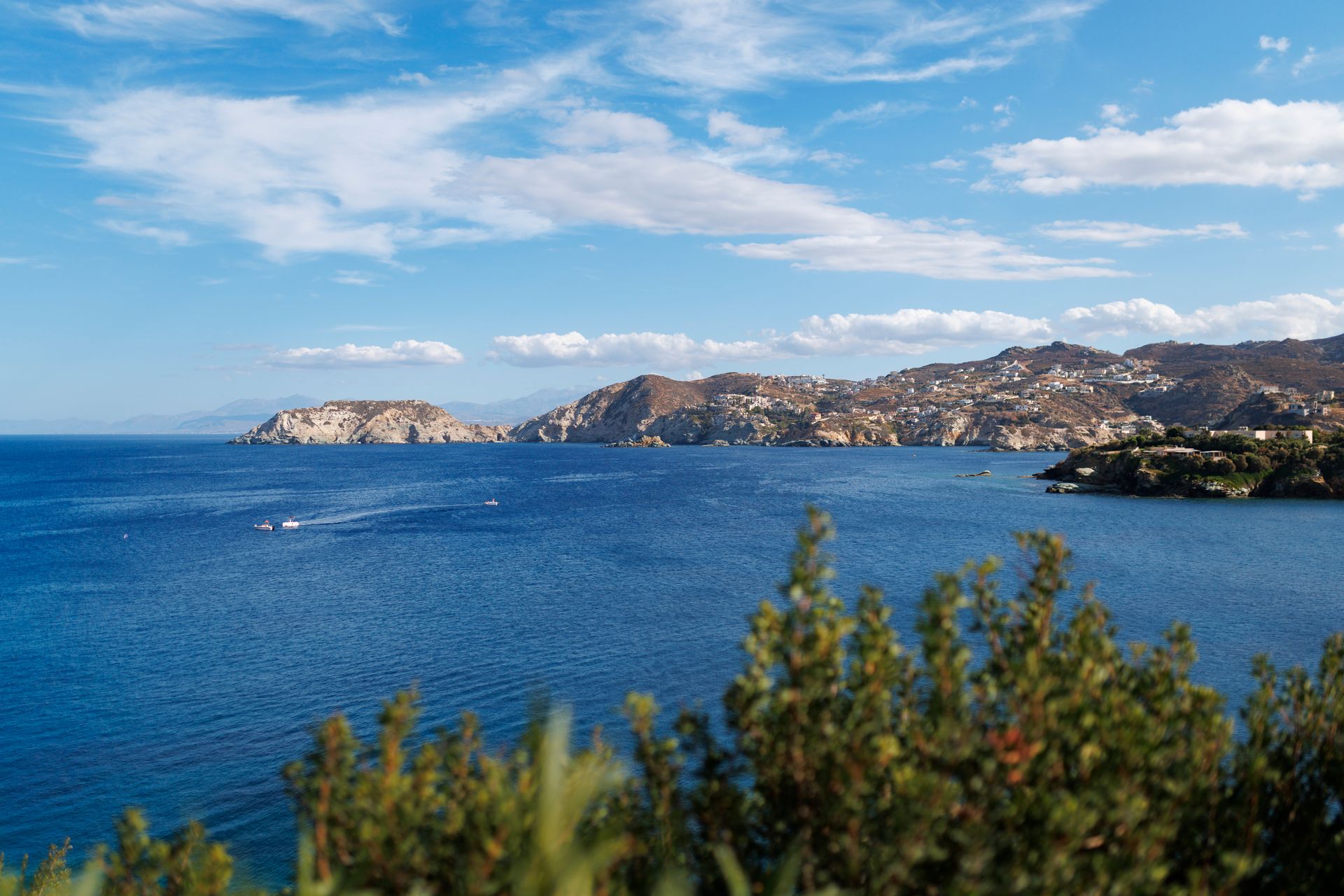
Crete is, by some distance, the best Greek island for October travel. Its size means that infrastructure never fully shuts down the way it can on smaller islands, and its latitude keeps the weather warm enough for genuine beach days well into the month’s final week. The south coast in particular, from Matala through to Ierapetra, stays sheltered from northerly winds and catches afternoon sun that warms the limestone cliffs to amber.
October is also the start of olive harvest season across Crete, and there is something deeply satisfying about watching the nets go down beneath the trees, the rhythmic sound of wooden poles striking branches, and then eating freshly pressed oil on bread at a village table the same evening. The Heraklion archaeological museum and Knossos are far more enjoyable without peak-season queues, and the driving routes across the island feel less frantic on roads that finally have some spare capacity.
Rhodes and the Dodecanese
Rhodes shares Crete’s advantage of sitting far enough south to hold October warmth, with the added bonus of its extraordinary medieval Old Town being significantly more pleasant to explore when the temperature drops from a punishing 35 to a manageable 24. The cobblestone streets that felt like a furnace in August become a genuine pleasure to wander in October, and the light through the Gothic arches of the Street of the Knights takes on a quality that photographers wait all year for.
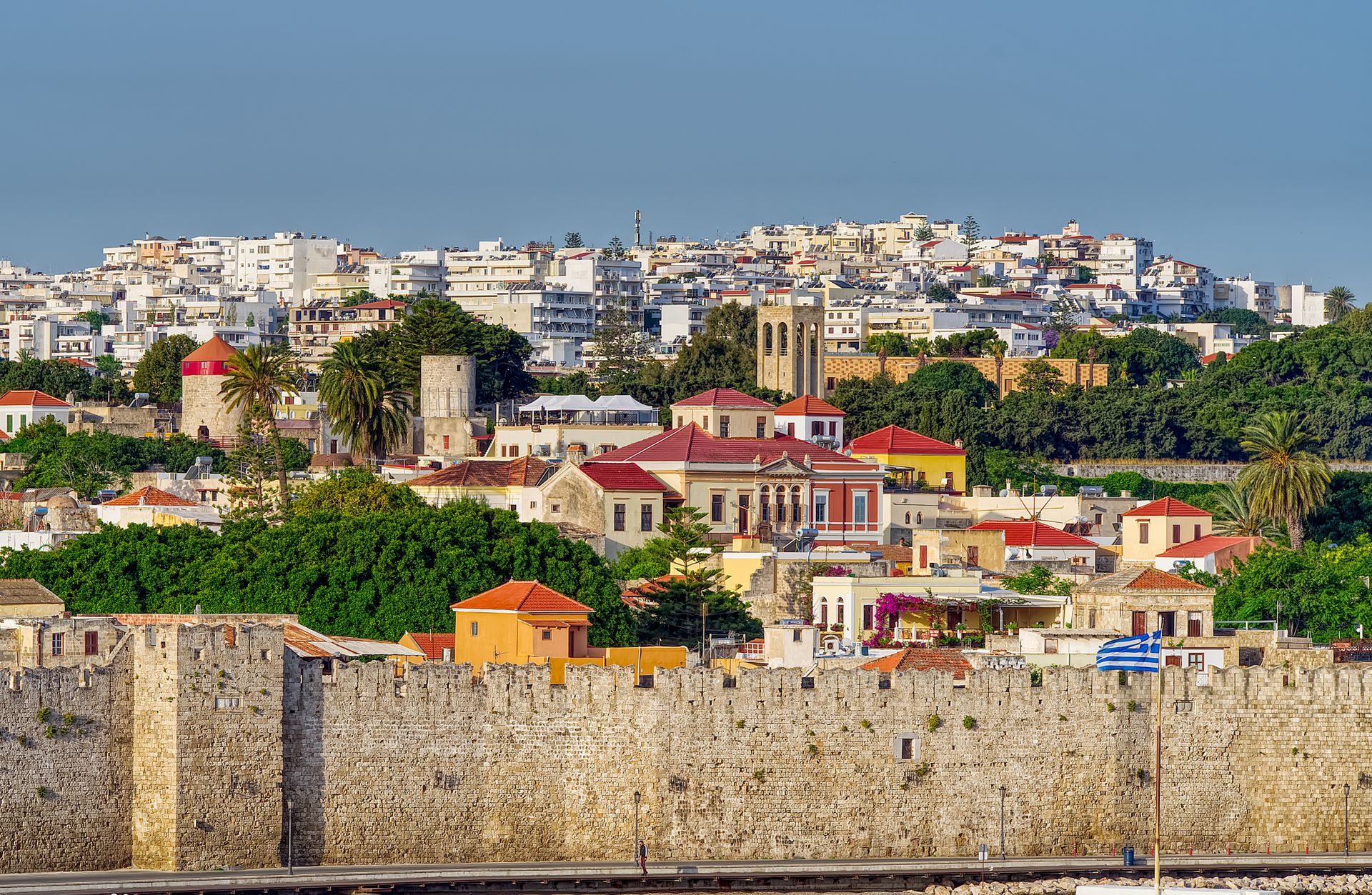
The smaller Dodecanese islands vary. Kos still runs well into October, with cycling weather that summer heat makes impossible. Symi keeps its ferry connection from Rhodes year-round, so a day trip or overnight stay works fine. Patmos gets quieter but retains a contemplative quality that suits its sacred atmosphere. For the tiniest islands, like Nisyros or Tilos, check ferry schedules carefully before committing, as services can reduce to two or three sailings per week.
The Cyclades: A Mixed Bag
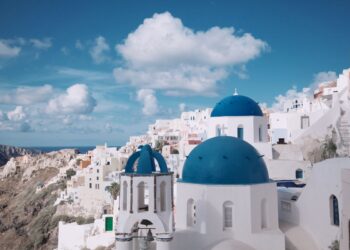
Santorini and Mykonos remain operational through October, and early in the month you will find them at their most appealing: the caldera views without the crowds, the sunset from Oia without the jostling, and the Mykonos beaches with actual space to lie down. By mid-October, though, some seasonal places start closing, and the wind picks up. Naxos, the largest Cycladic island, handles October better than most because its size supports year-round services and its mountains create sheltered valleys that trap warmth. Paros holds up well too, with protected south-coast beaches that stay swimmable into late October.
If you are planning island hopping in October, stick to routes with year-round ferry connections. The Athens-Naxos-Santorini triangle works reliably, as does Athens-Paros-Naxos. But hopping between small Cycladic islands becomes genuinely difficult as seasonal high-speed ferries withdraw from mid-October onwards.
Ionian Islands: Green and Gentle
The Ionian Islands receive more October rain than the Aegean side of Greece, which might sound like a drawback until you see the result: hillsides that glow emerald green, waterfalls that actually flow, and an air that smells of damp earth and wild herbs. Corfu in October is a different island from the summer version, with its Venetian architecture looking its finest against moody skies and the northern mountains of Albania visible across a grey-blue strait.
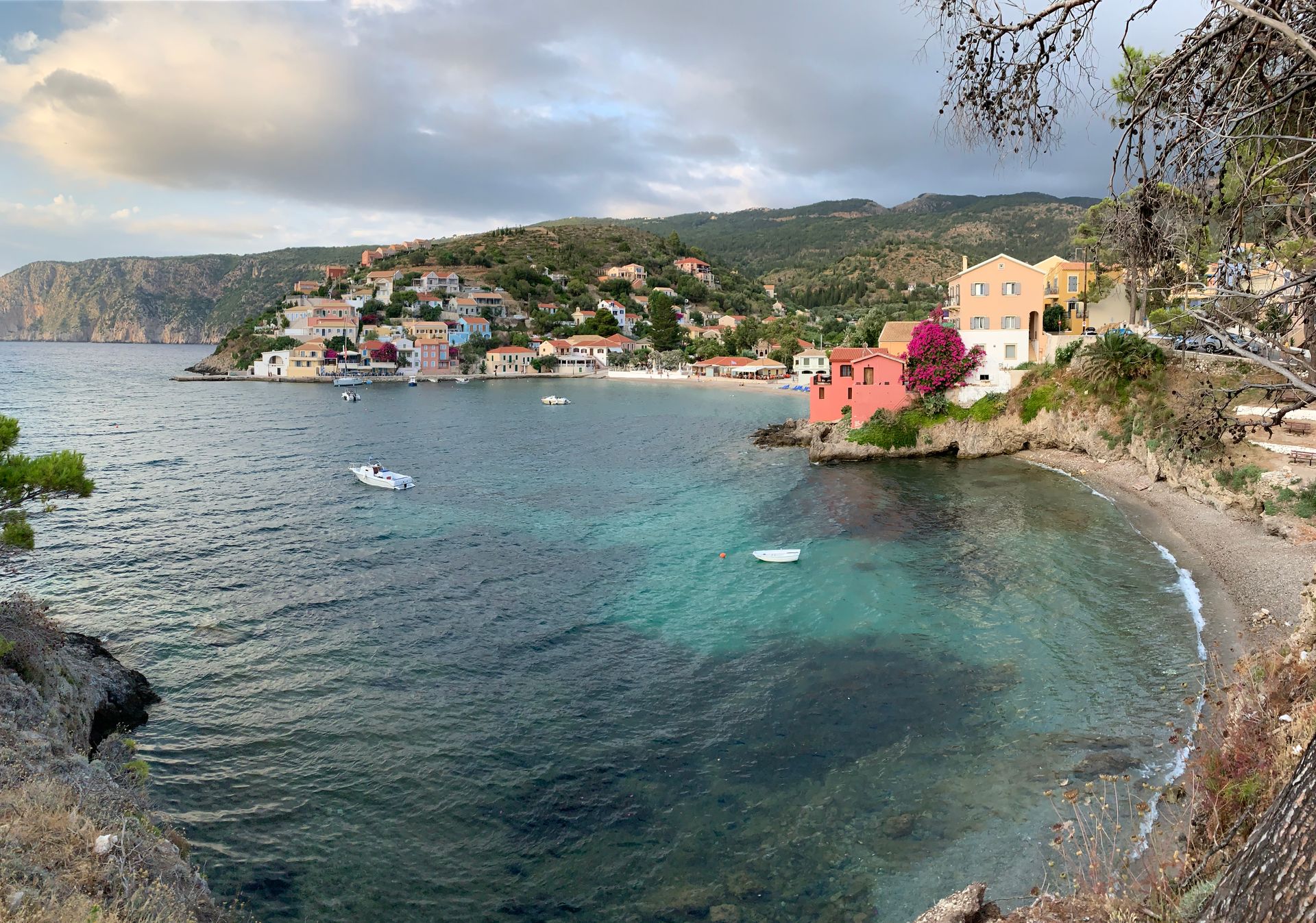
Kefalonia works particularly well for an October visit, with the Robola grape harvest underway in the Omala valley and the sea around Myrtos still warm enough for swimming on calm days. Pack a light rain jacket and keep plans flexible, and the Ionians will reward you with a side of Greece that peak-season visitors simply never see.
Best Mainland Destinations in October
If you have been putting off a mainland Greece trip because you worried about the heat, October is the month that removes every excuse. Archaeological sites that would leave you dizzy with heatstroke in July become places you can spend three or four hours exploring at a comfortable pace, and the driving conditions that make Greek mountain roads stressful in August, with impatient queues and blinding sun, ease to something genuinely enjoyable.
The Peloponnese
The Peloponnese is arguably at its finest in October. A road trip that takes in Nafplio, Epidaurus, Mycenae, and the south-western coast near Pylos and Methoni feels like a different experience when you are not fighting heat exhaustion between sites. The ancient theatre at Epidaurus, where summer performances draw thousands, stands empty and echo-perfect in October, and you can stand at the top tier and hear a coin dropped at centre stage without a tour group talking over it.
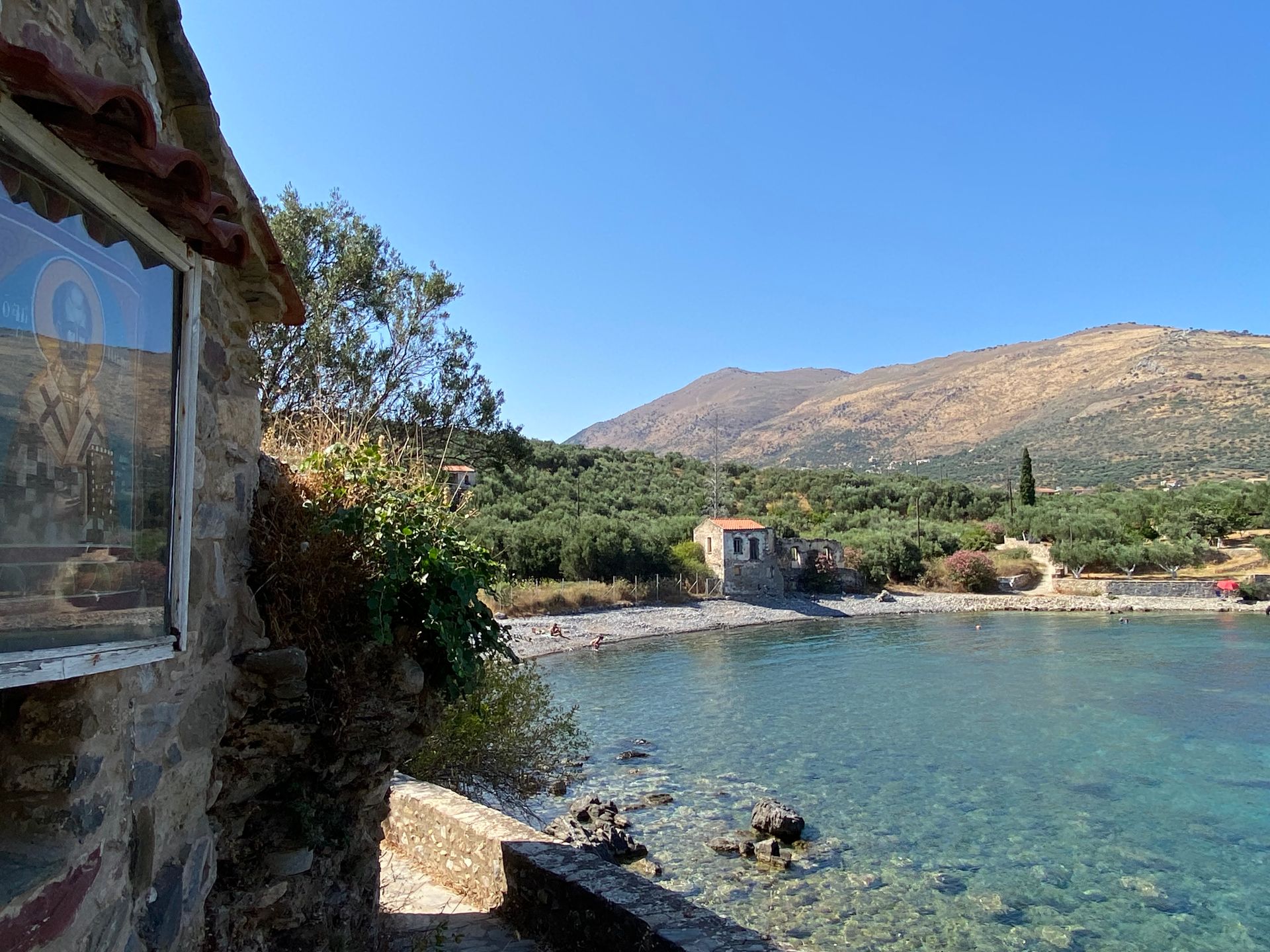
The Mani peninsula turns golden in October, its tower villages standing against hillsides that shift from summer brown to something warmer and more complex, and the coastal walk from Kardamili south is one of the great autumn hikes in Greece. Further west, the Messinia coast offers sheltered swimming at Voidokilia and the start of the olive harvest around Kalamata, where the smell of fresh-pressed oil hangs in the evening air of every village.
Meteora
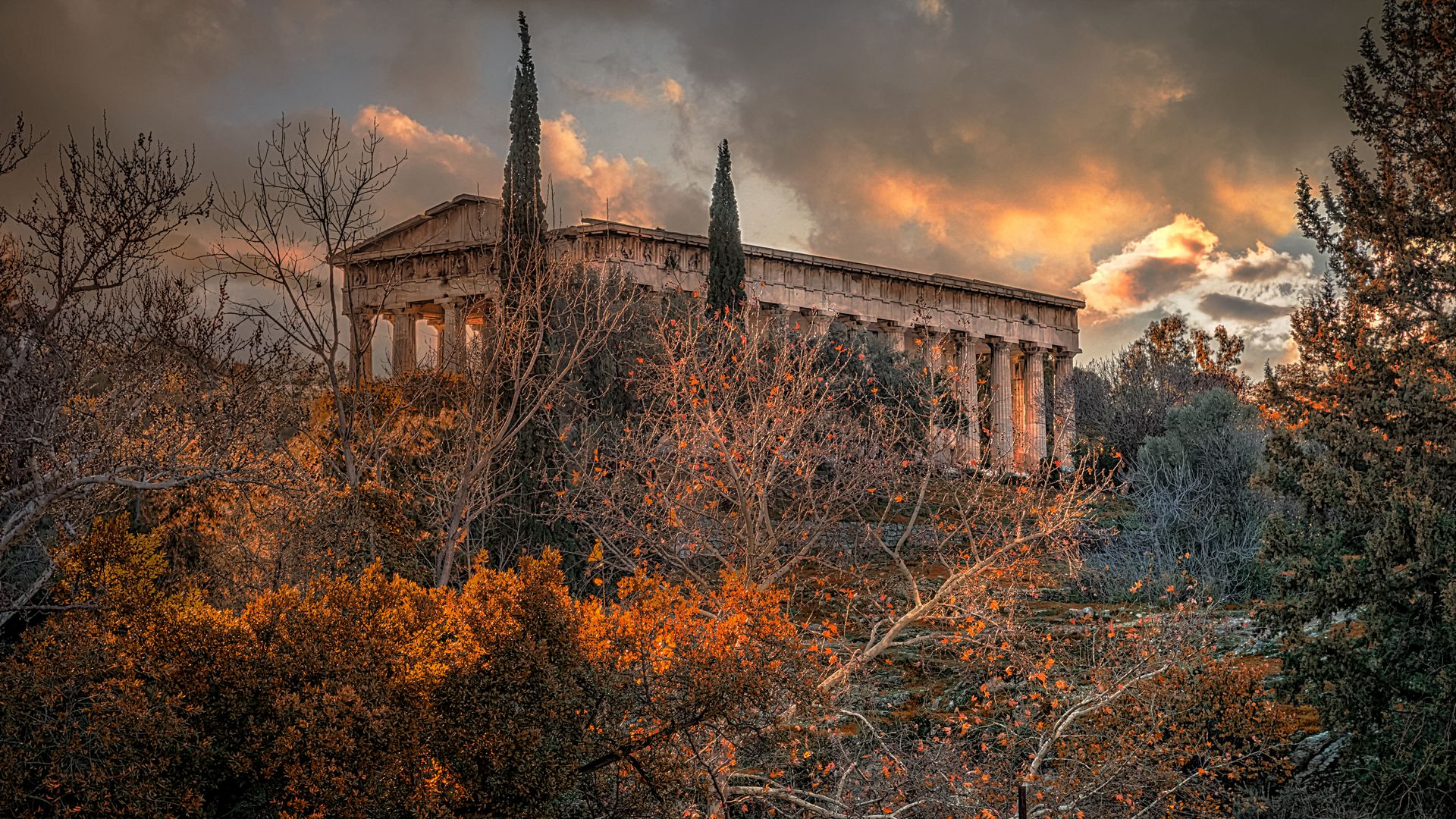
The monasteries of Meteora take on an almost theatrical quality in October, when autumn mist curls around the base of the rock pillars and the surrounding trees blaze with colour. The hiking trails that connect the monasteries, murderous in summer heat, become genuine pleasures at 18 degrees with a light breeze. Morning fog often fills the valley below the rocks, creating the impression that the monasteries really are floating in the sky, and it burns off by mid-morning to reveal sharp blue skies and warm afternoon light.
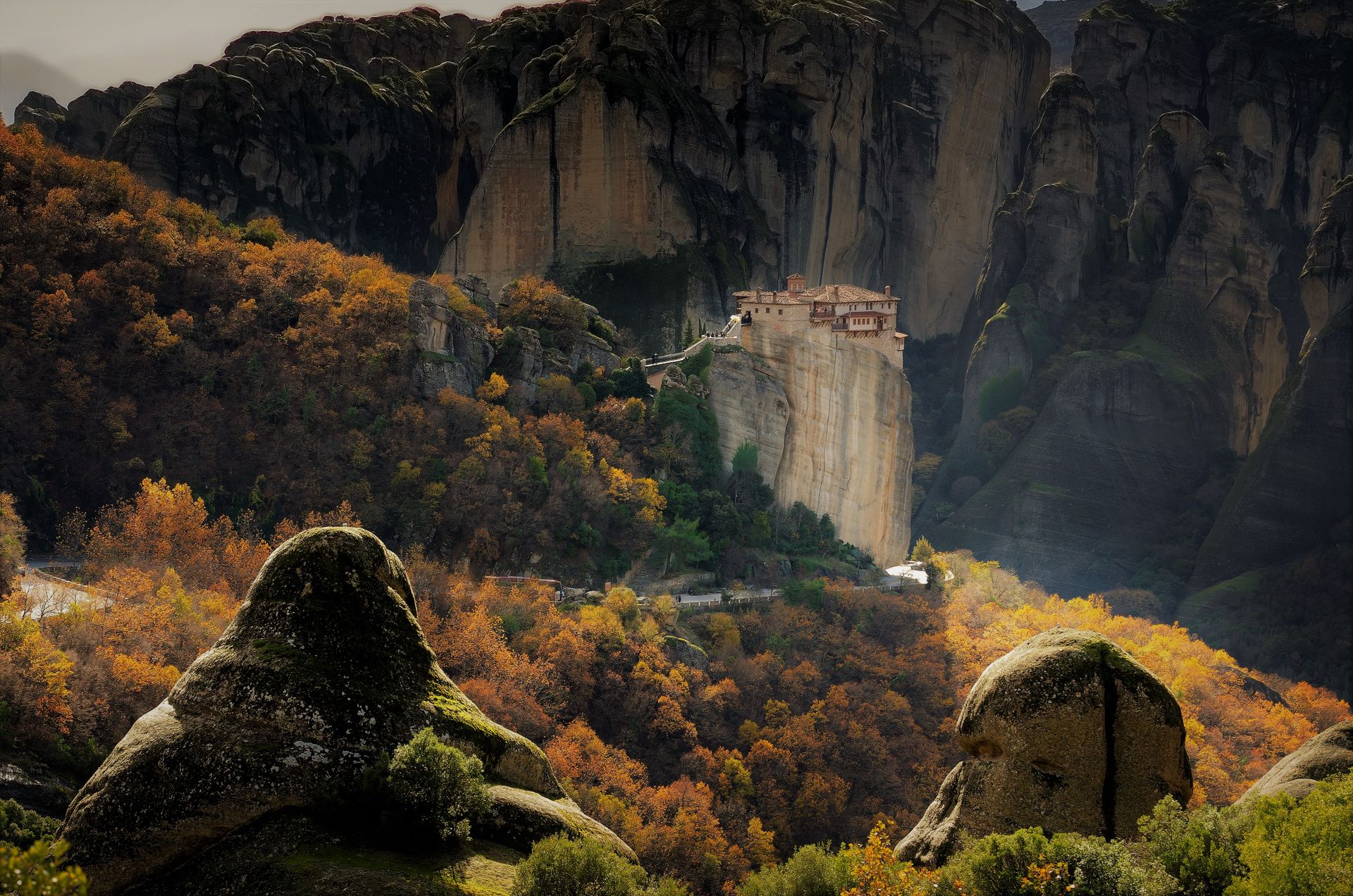
Kalambaka, the town at Meteora’s base, stays lively through October with tavernas that serve hearty mountain food: local sausages, wild greens pies, and trahanas soup that tastes better when there is a nip in the air. The monasteries themselves keep winter visiting hours from October, typically opening from 09:00 and closing earlier than summer, so plan your visits accordingly and check the current rest-day schedule, as each monastery closes on a different day of the week.
Delphi and Central Greece
Delphi is one of those sites that genuinely improves in autumn. The oracle’s sanctuary sits on a steep mountainside above the Pleistos valley, and in summer the climb through the site in full sun is exhausting. In October, you can take your time on the Sacred Way, sit in the ancient theatre with a view that stretches to the Gulf of Corinth, and then continue up to the stadium without feeling like you need medical attention. The Arachova valley below Parnassos starts to show its autumn colours, and the village itself, famous for its wine and formaella cheese, comes alive with locals returning after the summer exodus.
Harvest Season: Olives, Wine and Raki
October marks the beginning of what might be Greece’s most important agricultural season. The olive harvest starts across the southern regions, and it is not just a backdrop to your trip but something you can genuinely experience. In Crete, the Peloponnese, and the Ionian Islands, you will see families spreading nets beneath ancient olive trees, hear the clatter of harvesting tools against branches, and encounter freshly pressed oil that tastes so green and peppery it barely resembles what you buy in supermarkets at home.
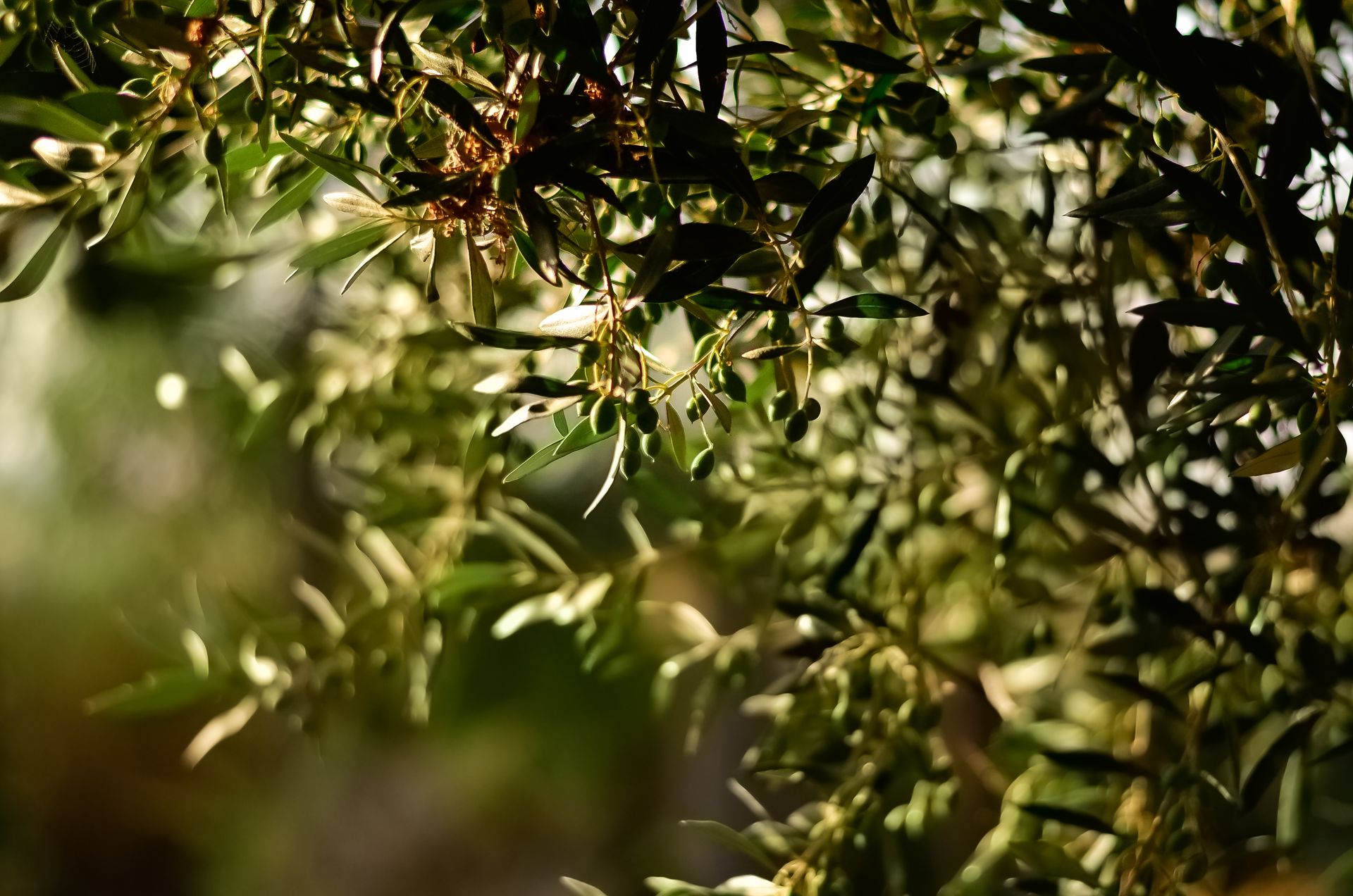
The grape harvest wraps up in October, which means island wineries that were too busy pressing grapes in September now have time for visitors. Santorini’s volcanic vineyards produce Assyrtiko that you will not find at this quality anywhere else on earth, and October tastings come with caldera views that are dramatically improved by the absence of cruise ship passengers. On Crete, the end of the grape harvest marks the start of raki distillation, when village stills fire up and the smell of tsikoudia being cooked drifts through the mountain air. It is common for villagers to invite passing strangers to taste the new-season spirit straight from the still, still warm and rough around the edges.
There is a Greek word, metoporo, that means autumn. But the season it describes is less about decay than about gathering in. The nets go under the trees, the vats fill, and the pace shifts from outward to inward.
Ohi Day: October 28th
If you happen to be in Greece on October 28th, you will witness Ohi Day, one of the country’s most significant national holidays. The day commemorates Prime Minister Ioannis Metaxas’s refusal to allow Italian forces passage through Greece in 1940, a single word, “ohi” (no), that drew Greece into the Second World War and began a period of fierce resistance that altered the war’s trajectory in the Balkans.
Every town and village in Greece marks the day with a parade, typically led by school children in formal dress, followed by military units and local officials. In Athens, the main parade runs along Vasilissis Sofias avenue and is a substantial affair. In smaller towns, the parades are more intimate and arguably more moving, with elderly veterans walking slowly at the rear and the whole community turning out to watch.
For visitors, there are practical implications. Ohi Day is a public holiday, so banks, post offices, and many shops close. State museums and archaeological sites are generally free to enter, which makes it an excellent day to visit the Acropolis, Delphi, or any national museum. Tavernas and cafes remain open and are often busier than usual, since Greek families go out to eat together after the morning parade. Public transport runs on a Sunday schedule, so plan accordingly if you need to catch a bus or ferry.
Getting Around Greece in October
Transport is the area where October requires the most adjustment from summer expectations. Everything still works, but frequencies drop and some options disappear entirely.
Ferries: The main routes, Athens (Piraeus) to Crete, Rhodes, Santorini, Mykonos, Naxos, and Paros, run year-round with minimal schedule changes in October. Conventional (slow) ferries maintain their frequency, and these are often more reliable than high-speed services in choppy autumn seas. High-speed catamarans between the Cyclades thin out significantly after mid-October, with some routes dropping to weekends only or stopping altogether until spring. Always check ferry schedules on the Greek ferry booking sites rather than relying on summer timetables, and book a day or two before rather than at the last minute, since a cancelled sailing due to weather is more common than in summer.
Flights: Domestic flights from Athens to Crete (Heraklion, Chania), Rhodes, Thessaloniki, Corfu, and Mykonos continue through October with good frequency. Seasonal international routes to smaller islands drop off sharply after early October, so if you are flying from outside Greece, plan to connect through Athens or Thessaloniki.
Buses: KTEL intercity buses on the mainland run year-round, and October schedules are close to summer frequency on major routes. Island buses reduce to winter timetables in late October, which can mean fewer departures per day, particularly to remote villages and beaches. Renting a car becomes more attractive in October precisely because you are not competing with peak-season demand, and rates drop considerably.
Driving: October is genuinely excellent for driving in Greece. The roads are quieter, the light is beautiful, and you can stop at viewpoints without fighting for parking. Mountain passes in Epirus and the Peloponnese are still clear of snow, though carry a jacket in case you end up at altitude in the late afternoon. Rainfall can make mountain roads slippery, particularly in the north-west, so take extra care on unfamiliar routes.
Where to Stay in October
October accommodation in Greece comes with a significant financial advantage. Rates across the country drop by roughly 30 to 50 per cent compared to July and August, and the quality of what you get for your money improves dramatically. That waterfront room with a sea view that costs a small fortune in peak season? In October, it might be available at half the price, and you will have the terrace practically to yourself.
On popular islands like Santorini and Mykonos, caldera-view and sea-view rooms that book out months in advance during summer become available at short notice in October, often with meaningful discounts. The owners know that an occupied room at a lower rate is better than an empty one.
On the mainland, October is when the mountain guesthouses come into their own. Stone-built lodges in Zagori, traditional mansions in Pelion, and tower houses in the Mani that feel uncomfortably warm in summer become the cosy retreats they were designed to be. Look for places with working fireplaces, because even if the days are mild, the evenings invite a fire and a glass of local wine.
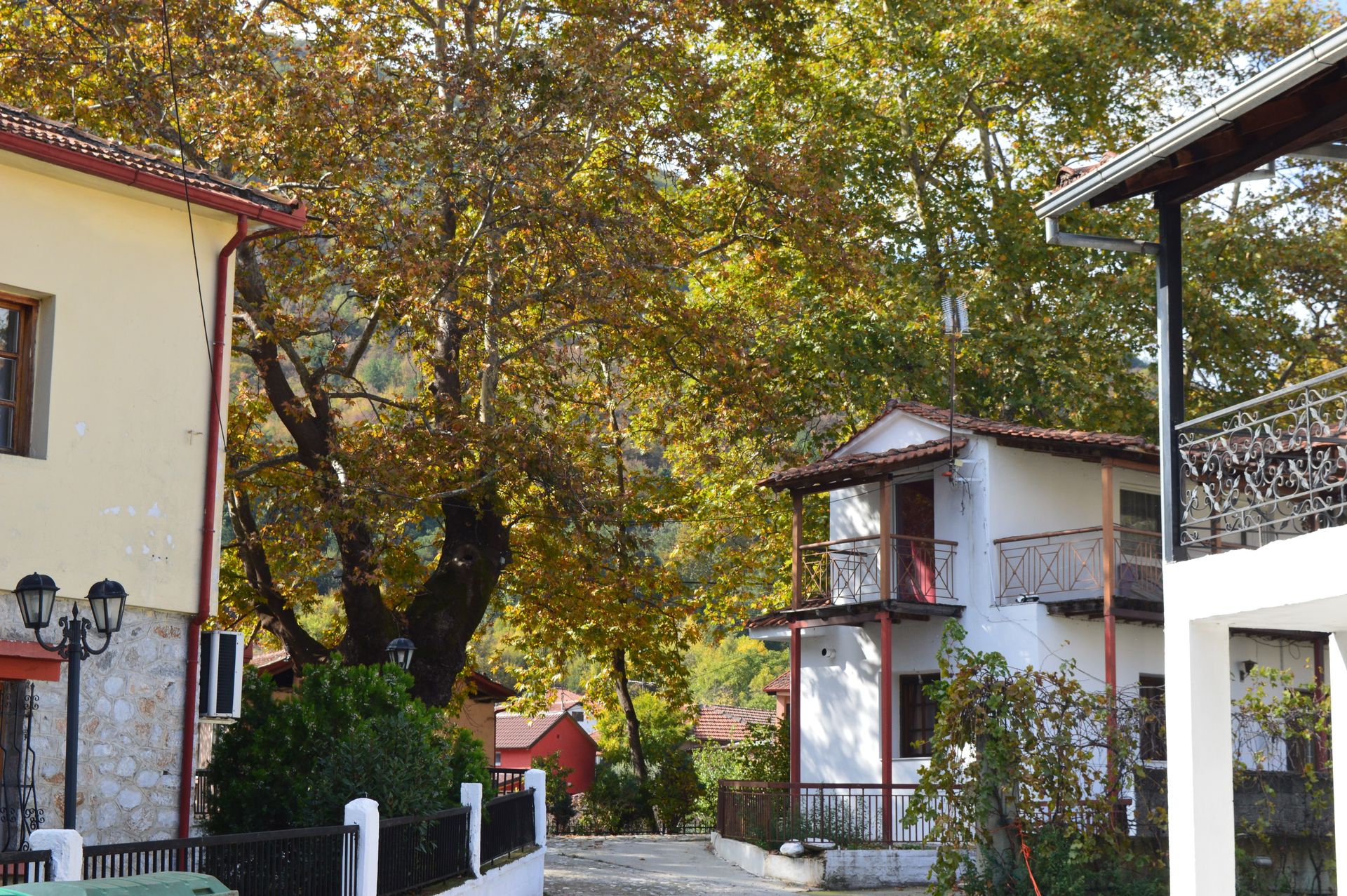
One practical note: on smaller islands that rely heavily on summer tourism, some accommodation simply closes for the season in mid to late October. Check before you book that your chosen place will actually be open, particularly on islands like Folegandros, Serifos, or Amorgos where the winter population is small and the shoulder season is short.
What to Pack for October
Packing for Greece in October requires a layer-based approach that summer visitors can skip entirely. During the day, particularly in the south, you will still want light summer clothing: shorts, t-shirts, and sandals for the beach. But evenings cool noticeably, especially on the islands where sea breezes pick up after sunset, and a light jumper or fleece becomes essential rather than optional.
A lightweight waterproof jacket is the single most important addition to your packing list. October rain in Greece tends to arrive in short, intense bursts rather than the persistent drizzle of Northern Europe, but when it comes, it comes with conviction. An umbrella works for city walking, but a packable jacket is more versatile if you are on a boat, hiking, or exploring an archaeological site.
Comfortable walking shoes matter more in October than in summer, partly because you will likely do more walking when the heat is not a deterrent, and partly because wet stone and marble surfaces at archaeological sites can be genuinely slippery. Bring proper shoes rather than relying solely on flip-flops and sandals.
Costs and Budget in October
October sits in the shoulder season, which translates directly to lower prices across almost every category of travel spending. Here is what you can realistically expect compared to peak summer:
| Category | July-Aug | October | Saving |
|---|---|---|---|
| Accommodation | Peak rates | 30-50% lower | Significant |
| Car rental | From ~50-80/day | From ~25-40/day | Up to 50% |
| Ferries | Peak pricing | 10-20% lower | Moderate |
| Flights | Peak pricing | 20-40% lower | Significant |
| Food & drink | Standard | Same prices | Minimal |
| Site entrance | Full price | Some free days | Varies |
Food and drink prices stay roughly the same year-round in Greece, since taverna menus do not operate on seasonal pricing the way accommodation does. If anything, you eat better in October because the seasonal produce, figs, pomegranates, new-season olive oil, late-harvest grapes, is at its peak, and the kitchen is not trying to serve three hundred covers a night.
For a detailed breakdown of when each type of saving peaks, our month-by-month guide to visiting Greece covers pricing trends across the full year.
Planning an October Trip: Practical Tips
A few pieces of advice that will save you from the most common October pitfalls:
- Book ferries early in the week. If bad weather cancels a sailing, the backup departures stack up on subsequent days. Travelling on a Monday or Tuesday gives you a buffer before the weekend.
- Have a Plan B for beach days. The weather is generally fine, but October is when the first autumn storms arrive. If your entire trip depends on lying on a beach, you need a backup plan for a rainy day. Choose a destination with indoor attractions, a good museum, or a covered market worth exploring.
- Check monastery and museum schedules in advance. Many switch to winter hours in October, which typically means earlier closing times and different rest days. The change is not always well publicised online, so ask locally when you arrive.
- Carry cash outside major tourist areas. Card payment is widespread in cities and popular islands, but some village tavernas and smaller businesses, particularly those winding down for winter, may prefer or only accept cash.
- Travel insurance is non-negotiable. October weather disruptions can strand you on an island for an extra day or two. Insurance that covers trip delays and missed connections is worth the premium.
- Consider combining an island with the mainland. October is ideal for a split trip: three or four days on Crete or Rhodes for beaches and warmth, then three or four days on the mainland for hiking, archaeology, and mountain food. The contrast between the two is more pronounced in autumn than in summer.
Is October Too Late for Greece?
This is the question that stops many travellers from booking, and the answer is a clear no, with caveats. October is too late for the peak-season Greek island experience of beach clubs, boat parties, and all-night bars on Mykonos. It is too late for guaranteed daily sunshine on every island in the Aegean. And it is too late for spontaneous ferry hopping between tiny islands without checking schedules first.
But October is not too late for warm-sea swimming on Crete, Rhodes, or the southern Cyclades. It is not too late for exploring ancient sites in genuinely comfortable conditions. It is not too late for driving the Peloponnese with the windows down and the road to yourself. And it is absolutely not too late for eating some of the best food Greece produces all year, with autumn harvests filling every table with things you simply cannot get in the summer months.
If anything, October might be exactly on time. The country has spent five months performing for the world, and now it exhales. The shopkeepers have time to talk. The fishermen are mending nets at the harbour instead of running charter trips. The mountains have turned from brown to a patchwork of rust, gold, and deep green. Greece in October is not the diminished version of summer that many people imagine. It is, in many ways, the real one.
The information in this article was researched and verified as of August 2026. Prices, transport options, schedules, and conditions may have changed since publication — we recommend double-checking key details before your trip.