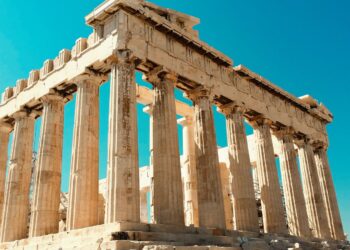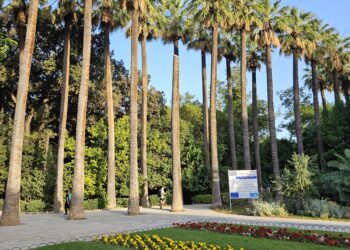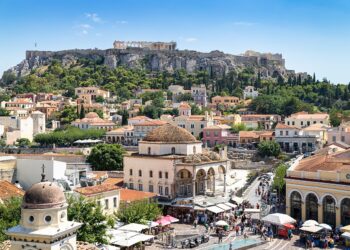
Athens is one of the few European capitals where you can walk from a fifth-century-BC temple to a contemporary art gallery, eat a three-euro souvlaki on a backstreet, and catch a tram to a swimmable beach — all before dinner. The city often gets treated as a layover on the way to the islands, which is a mistake. Three or four days here reveal a place that is both deeply historical and genuinely liveable, with strong neighbourhood identities, an excellent public-transport system, and a food culture that ranges from a century-old basement taverna with no sign on the door to the kind of modern Greek cooking that earns international recognition.
This guide covers the practical side of visiting Athens — how to reach the Acropolis without wasting half your morning, which neighbourhoods suit which kind of traveller, where to eat without falling into a tourist trap, and whether you actually need a day trip or whether the city itself is enough. If you are arriving in Greece through Athens and deciding how long to stay, the honest answer is: longer than you probably planned.
| Best for | History, culture, food, city exploration, day trips to islands |
| Best time to visit | May and September–October (mild weather, manageable crowds) |
| How many days | 3–4 days for the city; add 1–2 for day trips |
| Getting around | Metro + walking for central Athens; tram for the coast |
| Airport to centre | Metro Line 3 (~40 min, €10) or bus X95 to Syntagma (24 hrs, ~€6) |
| Car needed? | No — central Athens is best explored on foot and by metro |
| Budget indicator | Taverna meal €15–25/person; 90-min transport ticket €1.20; Acropolis €30 |
| Less suitable for | Travellers seeking only beaches and tranquillity (consider the islands instead) |
Best Time to Visit Athens
Athens sits in a Mediterranean climate with hot, dry summers and mild, occasionally rainy winters. The timing of your visit shapes the experience more than most guides acknowledge, because the heat genuinely affects how much you can do outdoors.
September is, in our editorial assessment, the single best month to visit Athens. The summer heat has broken, average highs drop to around 29°C, the sea along the Riviera reaches its warmest temperature of approximately 25°C, and the August crowds have largely returned home. May runs a close second: temperatures hover around 24°C, the city feels fresh, and you can visit the Acropolis at any hour without overheating. October remains pleasant, with thinner crowds and warm-enough evenings for outdoor dining.
July and August bring temperatures regularly above 32°C, and the Acropolis hill becomes genuinely uncomfortable after mid-morning. If you do visit in peak summer, plan archaeological sites for the first opening hour and retreat to air-conditioned museums or the coast by noon. Winter is underrated — temperatures sit around 10–15°C, queues at the Acropolis vanish, and museum visits feel unhurried, though some seasonal restaurants close. For a deeper look at shoulder-season travel, see our guide to September in Greece.
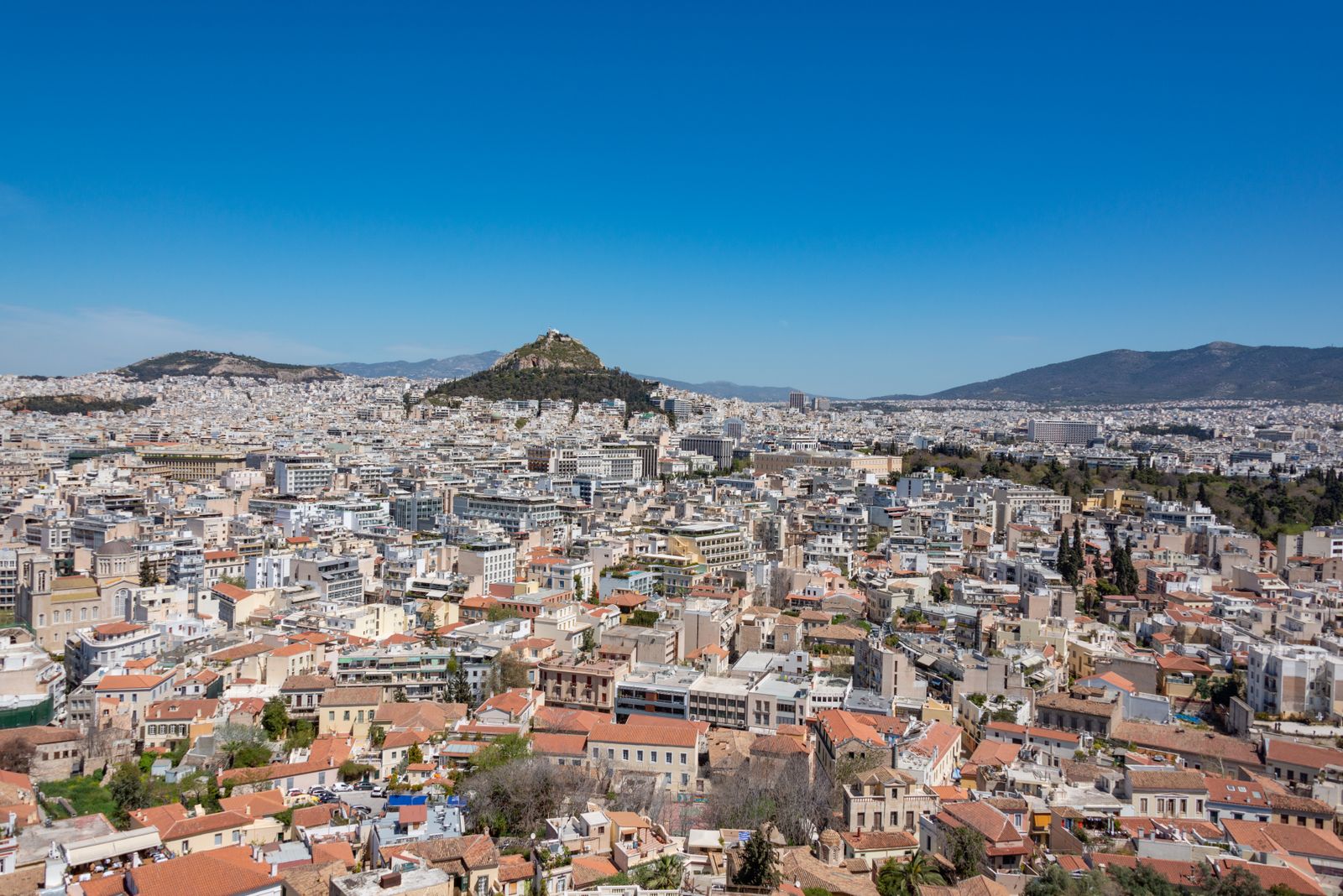
Getting to and Around Athens
Athens Eleftherios Venizelos International Airport sits about 33 kilometres east of the city centre. Metro Line 3 (blue) connects the airport to Syntagma and Monastiraki stations in approximately 40 minutes; a single ticket costs €10, or €18 for a return valid within 48 hours. The X95 express bus runs 24 hours between the airport and Syntagma Square for approximately €6, taking 45 to 70 minutes depending on traffic. A taxi to the centre costs a flat rate of approximately €55 by day.
Once in central Athens, the city is one of the most walkable capitals in southern Europe. The archaeological core, main neighbourhoods, and most museums sit within a compact area that takes perhaps 25 minutes to cross on foot. The metro has three lines serving all the key areas — Syntagma, Monastiraki, Acropoli, and Thissio are the stations visitors use most. A 90-minute integrated ticket covering metro, bus, tram, and trolley costs €1.20, while a five-day tourist pass costs €8.20 and covers unlimited journeys except airport routes. The tram is useful primarily for reaching the coast: it runs from Syntagma along the Athens Riviera to Glyfada in about 50 minutes.
For Piraeus port — where ferries depart for the Saronic Islands, Cyclades, Dodecanese, and Crete — take Metro Line 1 (green) from Monastiraki. The journey takes approximately 20 minutes and costs €1.40. If you have a very early ferry, a taxi from the centre to Piraeus runs €20–25 during the day. You do not need a car for Athens itself, and driving in the city centre is both stressful and unnecessary.
The Acropolis and the Archaeological Core
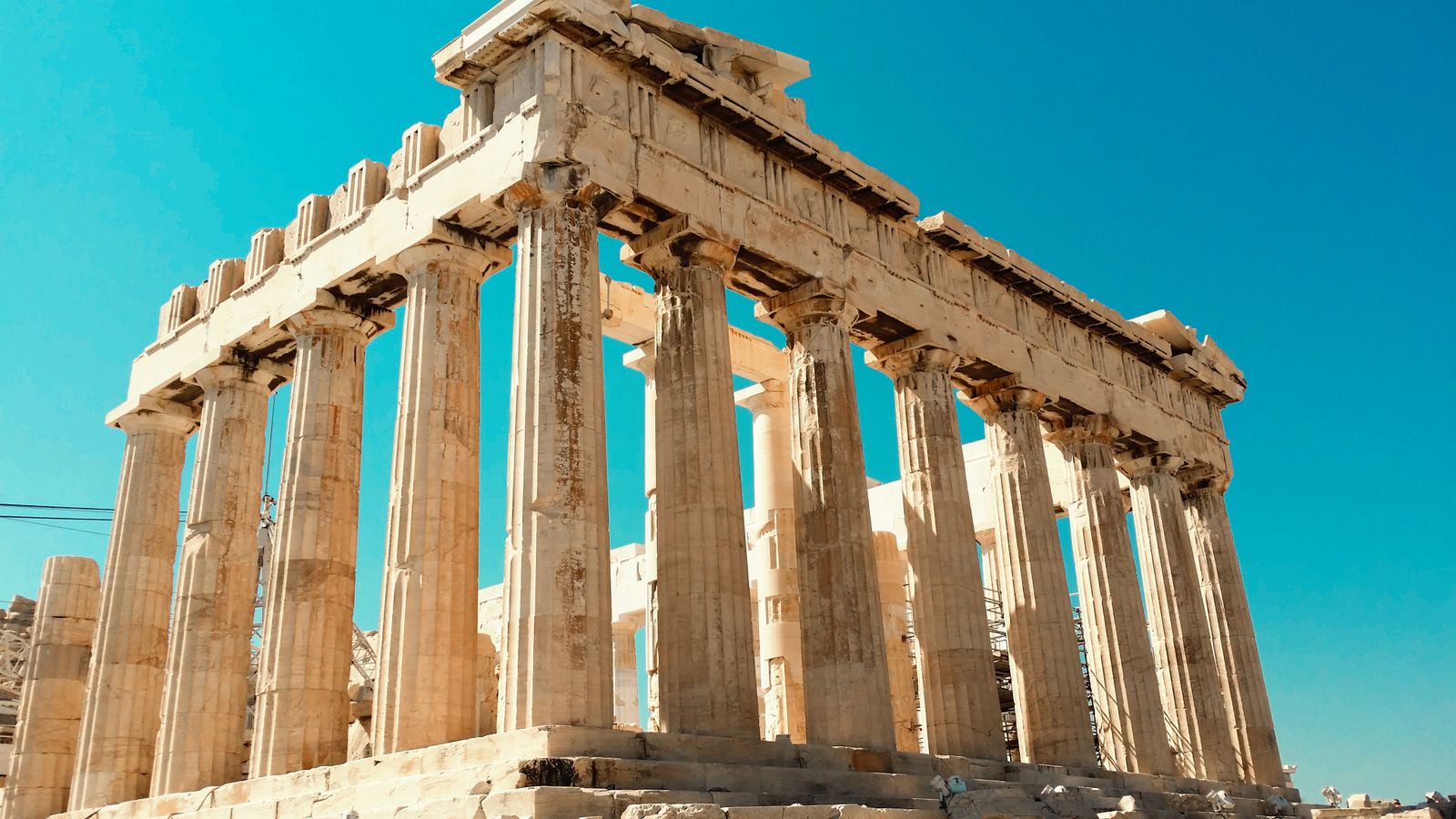
The Acropolis is the reason Athens exists as a destination, and seeing the Parthenon in person — the scale of the columns, the precision of the carving, the way it commands the entire skyline — remains one of the genuinely moving experiences in European travel. But it requires some planning to visit well.
As of 2026, the Acropolis requires timed-entry tickets booked in advance through the official Hellenic Heritage portal at hhticket.gr. Booking opens 60 days ahead, and summer morning slots — especially the 8 AM opening — sell out weeks in advance. The standard admission is €30 in summer (April to October) and €15 in winter (November to March). EU citizens under 25 enter free with identification. The former combination ticket covering seven archaeological sites was discontinued in April 2025; each site now requires a separate ticket.
Summer opening hours run daily from 8:00 to 19:30, with last entry at 19:00. Winter hours are 8:00 to 17:00, last entry at 16:30. The site closes on 1 January, 25 March, 1 May, Orthodox Easter Sunday, and 25–26 December. Two entrances serve the site: the main western gate (busier) and the southeast entrance near the Theatre of Dionysus (usually shorter queues). Wear proper shoes — the marble surfaces are uneven and slippery. In summer, bring water, a hat, and sunscreen: shade is scarce.
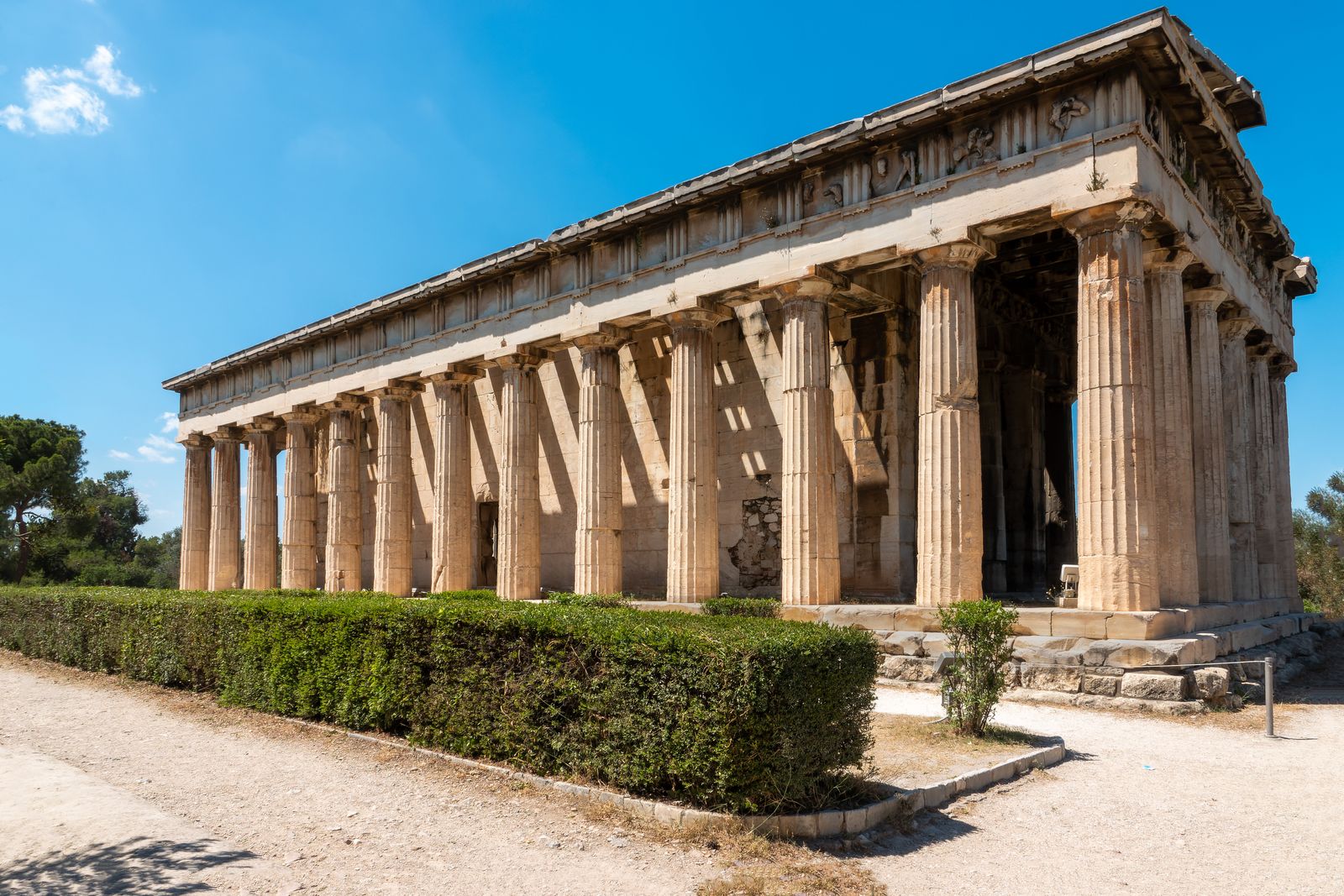
Beyond the Acropolis itself, central Athens holds several other major archaeological sites within walking distance. The Ancient Agora, entered from Adrianou Street, contains the remarkably well-preserved Temple of Hephaestus and the reconstructed Stoa of Attalos, which now houses a museum of artefacts from daily life in ancient Athens. The Roman Agora and Hadrian’s Library sit nearby in the Monastiraki area. The Temple of Olympian Zeus and Hadrian’s Arch stand a short walk southeast of the Acropolis, near the National Garden. Each site requires its own ticket purchased separately. If you have limited time, prioritise the Acropolis and the Ancient Agora — the Ancient Agora is less crowded and arguably more atmospheric, with its paths winding through olive trees below the temple.
Museums Worth Your Time
The Acropolis Museum, a striking modern building designed by Bernard Tschumi, sits at the foot of the Acropolis hill with its own metro stop (Acropoli). Its third-floor Parthenon Gallery is exceptional: the original sculptural fragments are displayed at scale around a rectangular core that mirrors the dimensions of the actual Parthenon, with floor-to-ceiling windows framing the temple above. The ground floor includes a glass walkway over an excavated ancient neighbourhood discovered during construction. Summer hours vary by day — Monday closes at 17:00, Friday stays open until 22:00, and other days close at 20:00. Check the official museum website before visiting, as hours shift seasonally.
The National Archaeological Museum on Patission Street is one of the great archaeological collections in the world, housing over 11,000 exhibits spanning from the Neolithic period through late antiquity. The Mycenaean gold collection — including the Mask of Agamemnon — and the Bronze Collection are the highlights. The museum sits slightly north of the central tourist area, reachable by trolleybus from Syntagma in about 10 minutes. Allow at least two hours for a meaningful visit; serious enthusiasts could spend a full morning. The Benaki Museum on Vasilissis Sofias Avenue offers a different perspective: its collection traces Greek culture chronologically from prehistory through the modern era, displayed in an elegant neoclassical mansion near the National Garden.
Exploring Athens by Neighbourhood
Athens is a city of distinct neighbourhoods, and where you walk determines what version of the city you see. The tourist core is compact, but stepping even two or three blocks beyond the obvious route opens up streets with a genuinely different character.
Plaka and Anafiotika
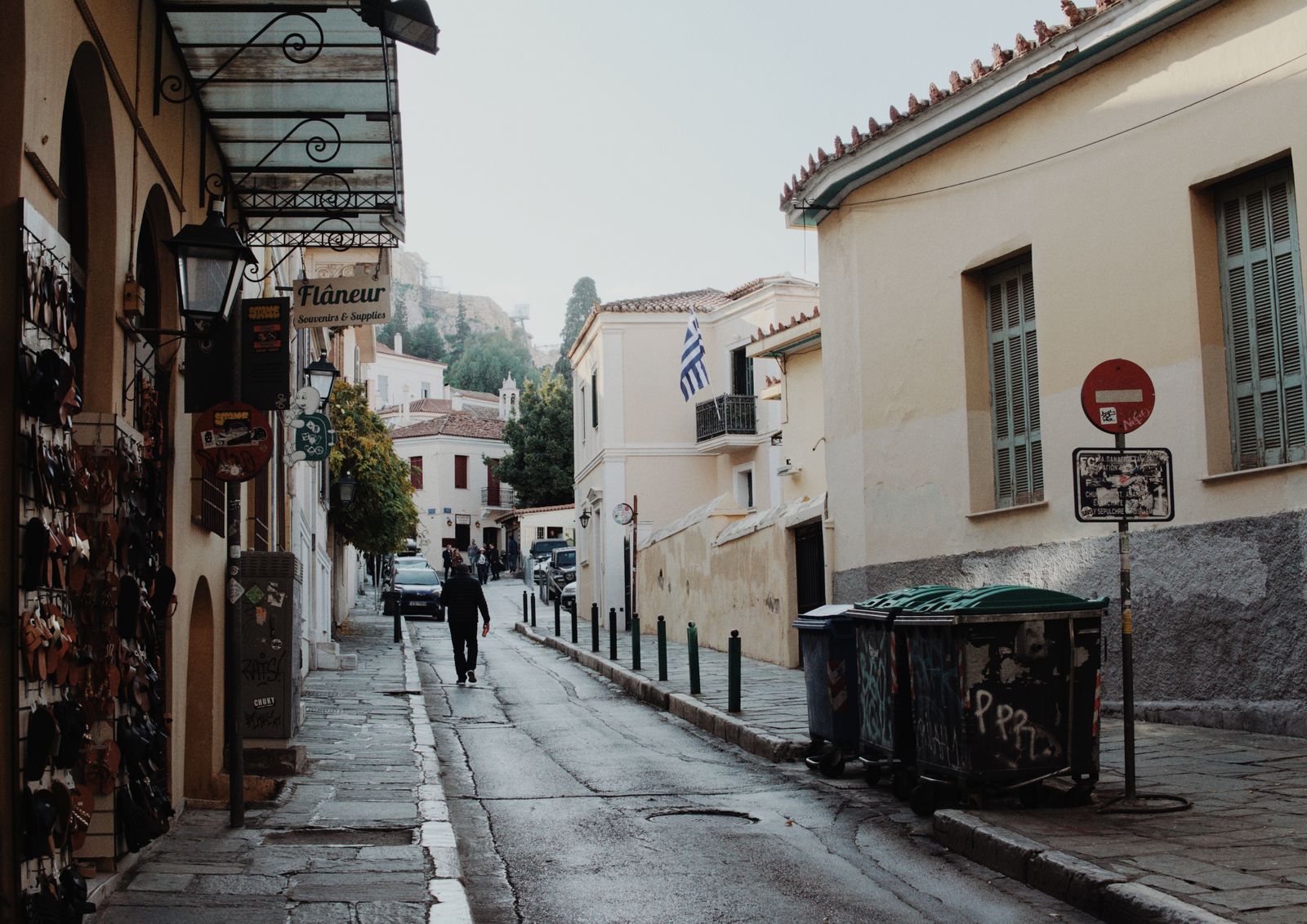
Plaka, often called the Neighbourhood of the Gods, wraps around the northern and eastern base of the Acropolis. Its narrow pedestrianised streets, lined with bougainvillea, neoclassical facades, and souvenir shops, make it the most visited neighbourhood in Athens — and the most tourist-oriented. It is worth walking through for its atmosphere and its proximity to Byzantine churches and small museums, but eating here tends to be more expensive and less interesting than in surrounding areas. The real surprise lies above Plaka: Anafiotika, a tiny cluster of whitewashed Cycladic-style houses built into the rock below the Acropolis walls. Constructed in the nineteenth century by stonemasons from the island of Anafi who came to build the royal palace, this miniature village feels transplanted from a Greek island. Its stepped alleys, hanging laundry, and window boxes of geraniums make it one of the most photogenic corners of the city — and it is usually quiet, even when Plaka below is crowded.
Monastiraki and Psyrri
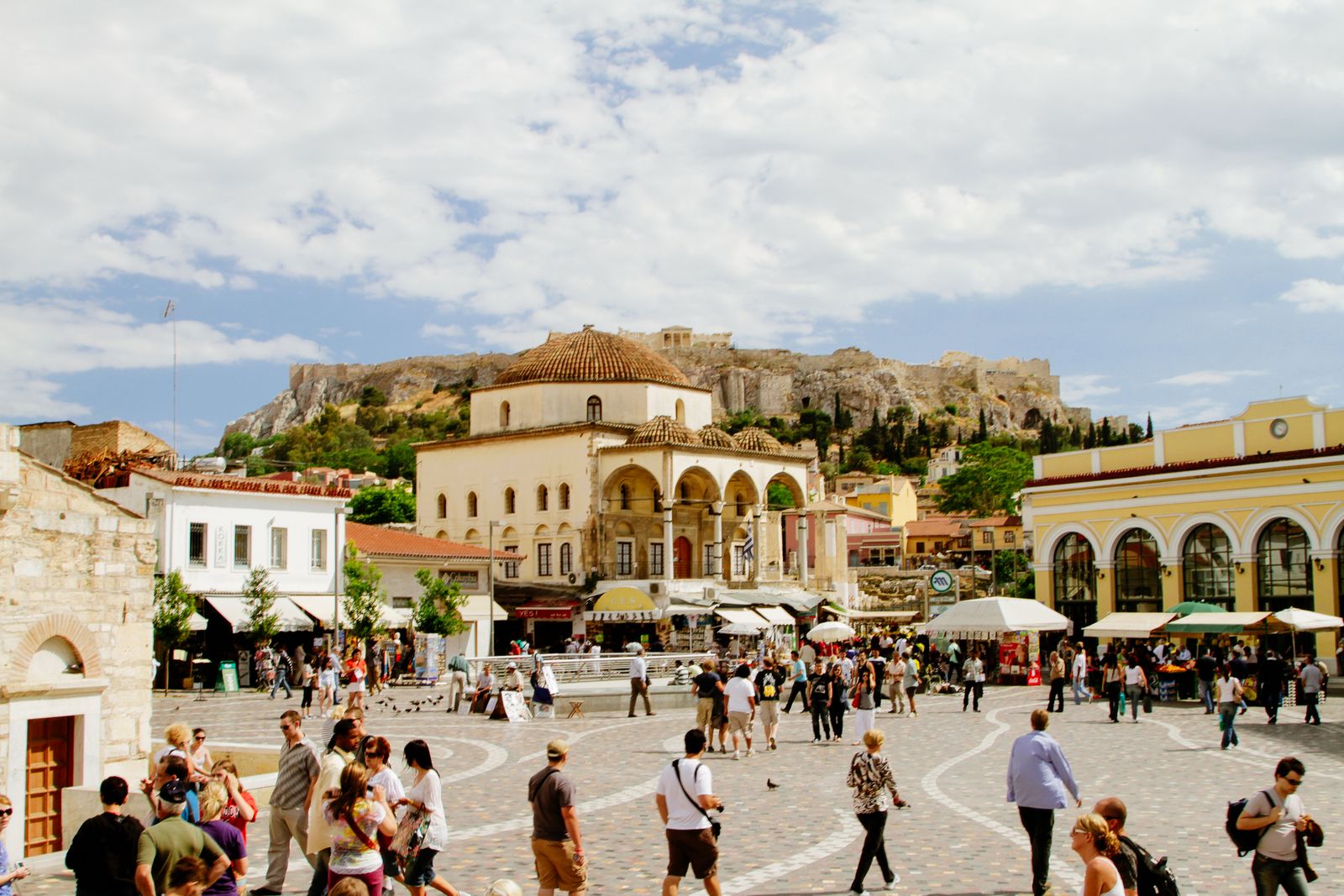
Monastiraki Square is one of the nerve centres of Athens: metro hub, flea-market gateway, and the point where ancient and contemporary Athens collide most visibly. The Tzistarakis Mosque, the Ancient Agora entrance, and a view of the Acropolis all sit within a minute’s walk. The flea market sprawls along Ifestou and Adrianou streets, best on Sunday mornings when additional vendors set up with antiques, vintage records, and genuine junk. Just north of Monastiraki, Psyrri has transformed over the past decade from a gritty warehouse district into one of the city’s most interesting areas for evening eating and drinking. Its narrow streets hold a dense concentration of tavernas, wine bars, cocktail spots, and small galleries, with a rougher energy that makes it feel less curated than Plaka. The streets between Psyrri and the Central Market — particularly around Evripidou Street with its herb and spice shops — are among the most atmospheric in central Athens.
Koukaki, Makriyanni, and Thissio
South and west of the Acropolis, these residential-feeling neighbourhoods have become the preferred base for repeat visitors who want proximity to the main sights without the intensity of Plaka. Koukaki and Makriyanni sit closest to the Acropolis Museum, with Koukaki’s pedestrianised streets — particularly Drakou and Georgiou Olympiou — developing a reputation for good brunch spots, independent shops, and cocktail bars. Thissio, along the western foot of the Acropolis, offers one of the best free views in Athens: the pedestrian walkway along Apostolou Pavlou Street looks directly up at the Parthenon and is especially good at sunset. The National Observatory and Filopappou Hill are within walking distance and provide quieter alternatives to the Acropolis itself for panoramic views over the city and the Saronic Gulf.
Beyond the Centre: Kolonaki, Exarchia, and Pangrati
Kolonaki, on the slopes of Lycabettus Hill, is Athens at its most polished: boutique shopping, art galleries, upscale dining, and a cappuccino culture that would feel at home in Milan. The funicular to the top of Lycabettus takes roughly three minutes and delivers one of the broadest panoramas of the city. Exarchia, north of the university, is the alternative quarter — anarchist graffiti, independent bookshops, student-budget bars, and a Saturday farmers’ market. The atmosphere is lively and genuine, though the area can feel rougher than the tourist centre, particularly late at night. Pangrati, east of the Panathenaic Stadium, is where many young Athenians actually live: it is increasingly popular for its unpolished authenticity, good neighbourhood tavernas, and proximity to the First Cemetery, which is worth visiting for its neoclassical funerary sculpture.
Where and What to Eat
Athens is one of the best-value food cities in southern Europe, and eating well here requires almost no planning — just a willingness to walk one street beyond wherever the menu is printed in six languages. A taverna meal with shared plates, wine, and bread costs approximately €15–25 per person. A souvlaki wrap from a good neighbourhood spot runs about €3.50 and is, in practical terms, one of the best meals in the city.
The Varvakeios Central Market on Athinas Street has been operating since 1886 and remains the sensory heart of Athenian food culture. The main hall holds butchers and fishmongers; the surrounding streets — especially Evripidou — are lined with spice vendors, olive sellers, cheese specialists, and small eateries. The area around the market contains some of the oldest continuously operating food establishments in Athens, including underground tavernas where there is no printed menu and you eat whatever the cook has made that day. Weekday mornings are the best time to visit.
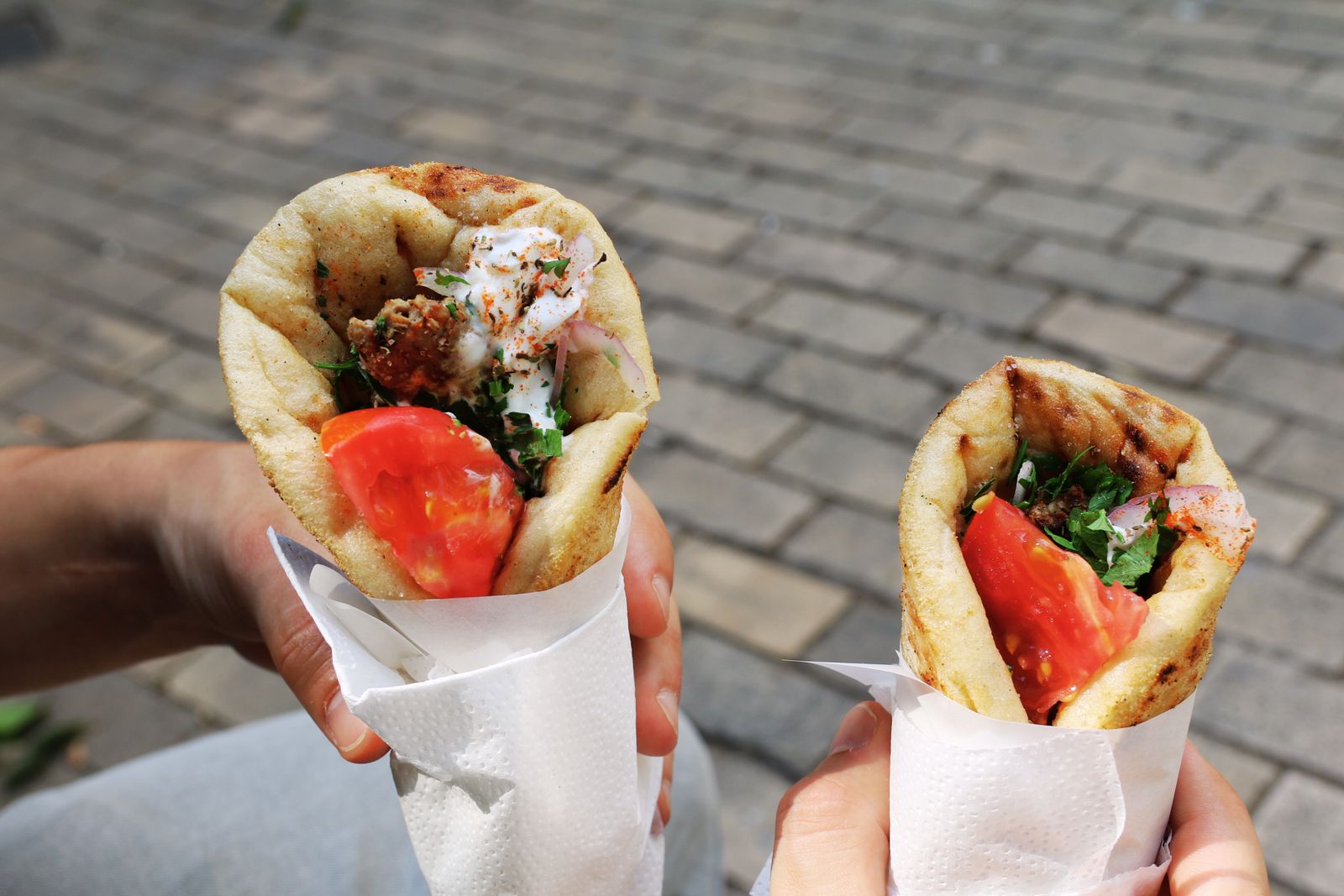
For the best everyday eating, focus on Psyrri, Koukaki, Petralona, and the streets surrounding the Central Market rather than the main squares of Plaka and Monastiraki. Key dishes to seek out include moussaka, Greek salad with proper barrel-aged feta, grilled octopus, saganaki (fried cheese), fava dip (a yellow split-pea puree associated with Santorini but widely available), spanakopita, and loukoumades — fried doughnut balls traditionally served with honey and cinnamon, though modern versions might come with chocolate or lemon curd. For something more adventurous, the tripe-soup tavernas on Sokratous Street near the market are a traditional late-night institution. Athens has also developed a strong contemporary dining scene; the Michelin Guide expanded its Greek coverage in 2026, and the city now has several restaurants earning international recognition for modern interpretations of Greek ingredients.
The Athens Riviera
One of the facts that most surprises first-time visitors is that Athens has a coastline. The Athens Riviera stretches approximately 50 kilometres south from the city centre along the Saronic Gulf, and the closer beaches are reachable by tram from Syntagma Square in under an hour. This is not a Caribbean fantasy — these are urban and suburban beaches, some organised with sunbeds and entrance fees, others free and scrappier — but the water is clean, often clear, and genuinely warm from June through October.
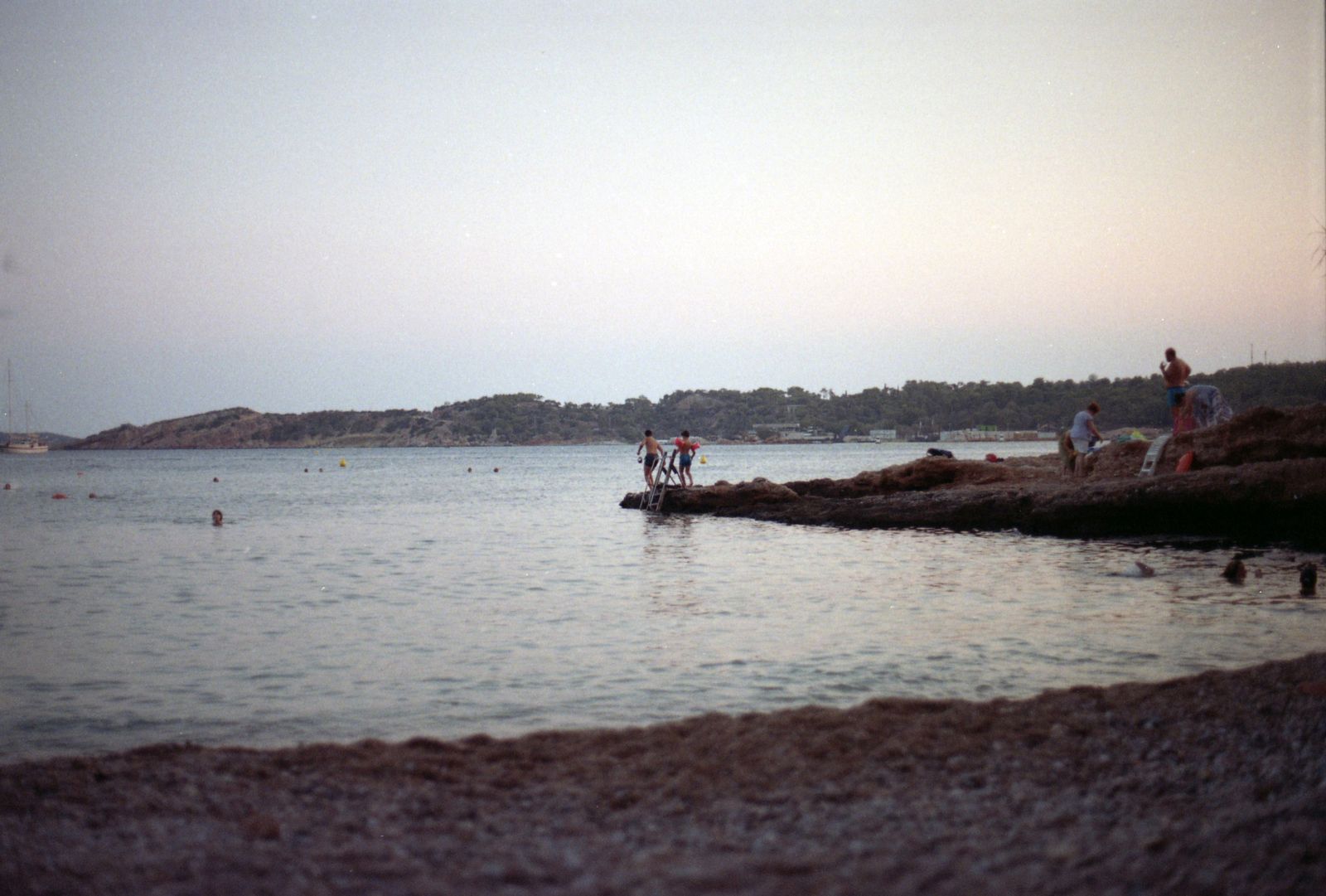
Glyfada, accessible by tram in about 50 minutes from Syntagma, is the most accessible option with a long sandy beach, a developed waterfront, and plenty of places to eat nearby. It tends to be busy in July and August but works well for a half-day escape. Vouliagmeni, further south, is more upscale — the sheltered cove beach charges a modest entry fee (approximately €10 on weekdays) and the water is typically calm and clear. Nearby, Lake Vouliagmeni is a thermal spring-fed lake with an entrance fee, popular for swimming year-round. The wilder coves at Limanakia, between Vouliagmeni and Varkiza, are free and attract snorkellers. The metro-to-bus connection (Red Line to Elliniko, then bus 122 or A3) provides an alternative to the tram for reaching the southern coast.
Day Trips from Athens
Athens works as a base for three distinct types of day trip: ancient sites on the mainland, Saronic Gulf islands reached by ferry from Piraeus, and the Temple of Poseidon at Cape Sounion — a half-day trip that combines archaeology with one of the best sunsets in Greece.
| Day Trip | Travel Time | Transport | Best For |
|---|---|---|---|
| Cape Sounion | 1.5–2 hours by car or bus | Car, organised tour, or KTEL bus | Sunset, quick half-day escape |
| Aegina | 40 min fast ferry from Piraeus | Metro to Piraeus + ferry | Easy car-free island day, pistachios |
| Hydra | Approx. 1 h 15 min from Piraeus | Metro to Piraeus + ferry | Car-free atmosphere, art, couples |
| Delphi | 2.5–3 hours each way | Car or organised tour | History lovers, full-day commitment |
| Nafplio | Approx. 2 hours by car | Car or KTEL bus | Romantic town, castles, the Argolid |
| Meteora | 4–4.5 hours each way | Train to Kalambaka or car | Overnight recommended, monasteries |
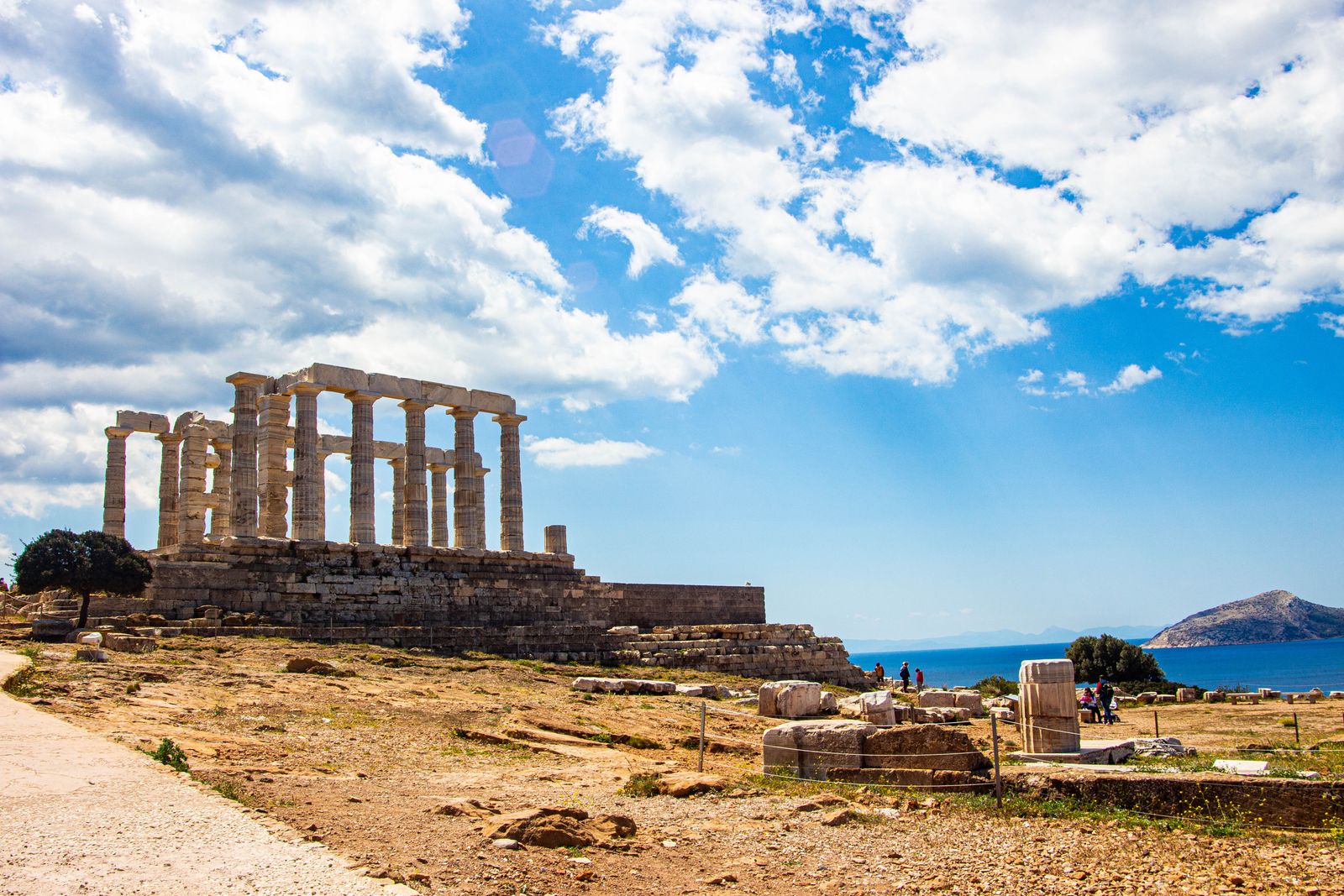
Cape Sounion is the most practical half-day trip from Athens. The Temple of Poseidon sits on a rocky headland about 70 kilometres southeast of the centre, overlooking the Aegean. The ruins are modest in scale — a handful of columns against the sky — but the setting, especially at sunset, is extraordinary. Afternoon tours from Athens typically depart around 15:00 and return by 20:00. If driving independently, the coastal route along the Athenian Riviera is scenic and takes roughly 1.5 hours.
Saronic Islands make excellent car-free day trips. Aegina is the closest — fast ferries from Piraeus take about 40 minutes — and offers the Temple of Aphaia, pistachio groves, and a working waterfront town. Hydra, where no motorised vehicles are permitted, can be reached in roughly 75 minutes by catamaran and works well for a day of walking, swimming from the rocks, and sitting in a harbourside café. Ferries run daily year-round on these routes, though frequency increases in summer. Book through operators such as Hellenic Seaways, Alpha Lines, or Magic Sea Ferries, or compare schedules on Ferryhopper.
For longer trips, Delphi requires a full day (approximately 2.5–3 hours each way by road) but the archaeological site and museum are among the finest in Greece. Nafplio, about two hours south, combines a romantic old town with impressive Venetian fortresses and optional detours to ancient Mycenae and Epidaurus. Meteora is technically possible as a very long day trip, but the 4.5-hour drive each way makes an overnight stay far more sensible.
Where to Stay in Athens
The neighbourhood you choose as your base matters more than the specific accommodation. Athens is compact enough that a poor location adds only 15–20 minutes of walking, but the right base puts you closer to the version of the city that interests you most.
Plaka and Syntagma suit first-time visitors who want maximum proximity to the main sights and easy metro access. Koukaki and Makriyanni are the strongest choices for couples and repeat visitors: quieter than Plaka, close to the Acropolis Museum, with better dining options nearby. Monastiraki is ideal if evening atmosphere matters to you — the flea market, Psyrri’s bars, and the Ancient Agora are on your doorstep, though it can be noisy at night. Kolonaki works for travellers who prefer an upscale residential feel and proximity to Lycabettus Hill and museums. Exarchia suits budget travellers and those who enjoy a raw, alternative atmosphere. Piraeus is only worth staying in if you have a very early ferry departure — otherwise, stay in central Athens and take the metro to the port in the morning.
How Many Days in Athens
Two full days are enough to see the Acropolis, one or two major museums, walk through the central neighbourhoods, and eat well. Three days allow a more comfortable pace, with time to explore beyond the main tourist route — a morning at the Central Market, an afternoon on the Riviera, or a half-day at Cape Sounion. Four days let you add a Saronic island day trip while keeping the city exploration unhurried. If you are combining Athens with the islands, three nights in Athens before or after island-hopping works well — two at the beginning to see the city, and one at the end before your flight home.
Most first-time visitors underestimate how much the city itself has to offer and plan only one or two nights as a transit stop. The city rewards an extra day far more than most travellers expect.
Mistakes Visitors Commonly Make
Not booking Acropolis tickets in advance. The timed-entry system means you cannot simply walk up, especially in summer. Book at hhticket.gr at least a week ahead, and two to three weeks for July and August morning slots.
Visiting the Acropolis at midday in summer. Temperatures on the exposed hilltop regularly exceed 35°C, and shade is almost nonexistent. The first hour after opening and the final two hours before closing are vastly more comfortable — and the light is better for photographs.
Eating on the main squares. The tavernas lining the pedestrianised streets of Plaka and surrounding Monastiraki Square tend to charge more and deliver less. Walk two blocks in any direction — particularly towards Psyrri, Koukaki, or Petralona — and the food improves noticeably while prices drop.
Skipping the Ancient Agora. Most visitors go to the Acropolis and stop there. The Ancient Agora, entered from Adrianou Street in Monastiraki, contains the Temple of Hephaestus — one of the best-preserved temples in Greece — and has a fraction of the crowds.
Ignoring the coast. Athens is a waterfront city, and the Riviera beaches are a genuine part of the experience from May through October. The tram to Glyfada costs €1.20 and takes less than an hour.
Using Athens only as a transit point. This is the most common mistake. Treating Athens as a stopover before island-hopping means missing one of the most layered and engaging cities in the Mediterranean. Three or four days is the minimum to do it justice.
This article was researched and verified as of July 2026. Ticket prices, transport schedules, and opening hours may change — please confirm details with official sources before your visit. Athens Acropolis tickets should be booked through the official Hellenic Heritage ticketing portal (hhticket.gr). Ferry schedules can be checked through operator websites or aggregators such as Ferryhopper.