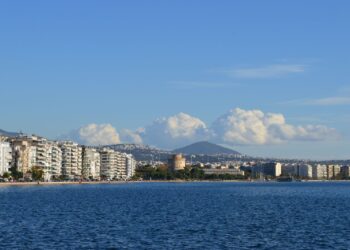
Thessaloniki Food at a Glance
| Food decision | Best starting point |
|---|---|
| Breakfast | Bougatsa, koulouri or a pie from a bakery; eat early for the widest choice |
| Markets | Kapani for a working market atmosphere; Modiano for a covered food-market experience |
| Meze | A mezedopoleio or tsipouradiko around the central market districts, Ladadika or Ano Poli |
| Sweets | Trigona Panoramatos, tsoureki, syrup desserts and seasonal pastries |
| Drinks | Coffee during the day; tsipouro, ouzo or local wine with food rather than as an afterthought |
Why Thessaloniki Is a Food City
Thessaloniki is not a destination where food sits in a separate “things to do” box. Breakfast, market shopping, coffee, small plates and late dinners shape the rhythm of the city. Its cuisine reflects the port’s connections with the Aegean, the Balkans, the Ottoman world, Asia Minor and the city’s historic Jewish community. That does not mean every dish is uniquely Thessalonian, or that every restaurant deserves a recommendation. It means the city offers several different ways to eat well: quickly at a bakery, casually in a market, slowly over meze, or with more formal cooking in a modern restaurant.
Thessaloniki joined UNESCO’s Creative Cities Network in Gastronomy in 2021. The designation recognises a wider food ecosystem, including producers, businesses, education, festivals and cultural activity. For visitors, the practical conclusion is simple: look beyond one famous dish and allow time for the markets and neighbourhoods where the city’s food culture is actually visible.
Start with Bougatsa
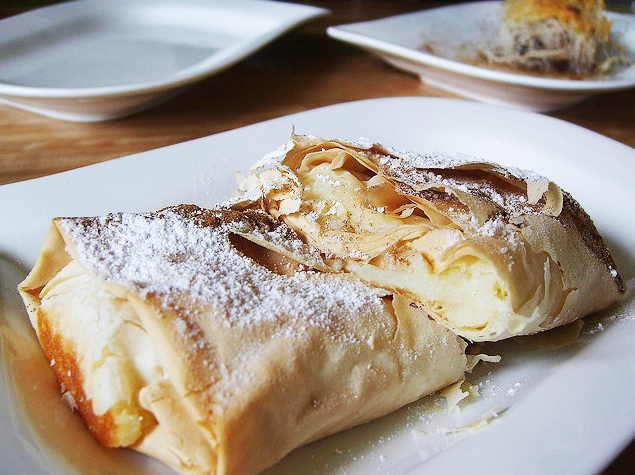
Bougatsa is the obvious first taste of Thessaloniki, but it is worth understanding what you are ordering. The classic sweet version is made with crisp phyllo and a semolina custard, usually finished with icing sugar and cinnamon. Bakeries also sell savoury versions, commonly filled with cheese or other fillings. The pastry is best treated as breakfast or a morning snack rather than a formal dessert.
There is no need to turn the search for “the best bougatsa” into a ranking exercise. Choose a busy bakery, order the version that appeals to you, and notice the differences in pastry, filling and serving temperature. Some shops specialise in takeaway portions; others have a few standing places or tables. If you want a more traditional bakery experience, arrive early, because popular fillings may sell out or the shop may operate mainly during the morning.
Bougatsa is not the only useful breakfast. Look for koulouri Thessalonikis, the sesame-coated bread ring sold by bakeries and street vendors, or a savoury pie. Coffee is part of the routine: a frappe or iced coffee fits the city’s long café culture, while a Greek coffee or espresso is equally practical when you are starting a walking day.
Kapani and Modiano: Two Different Markets
Kapani Market
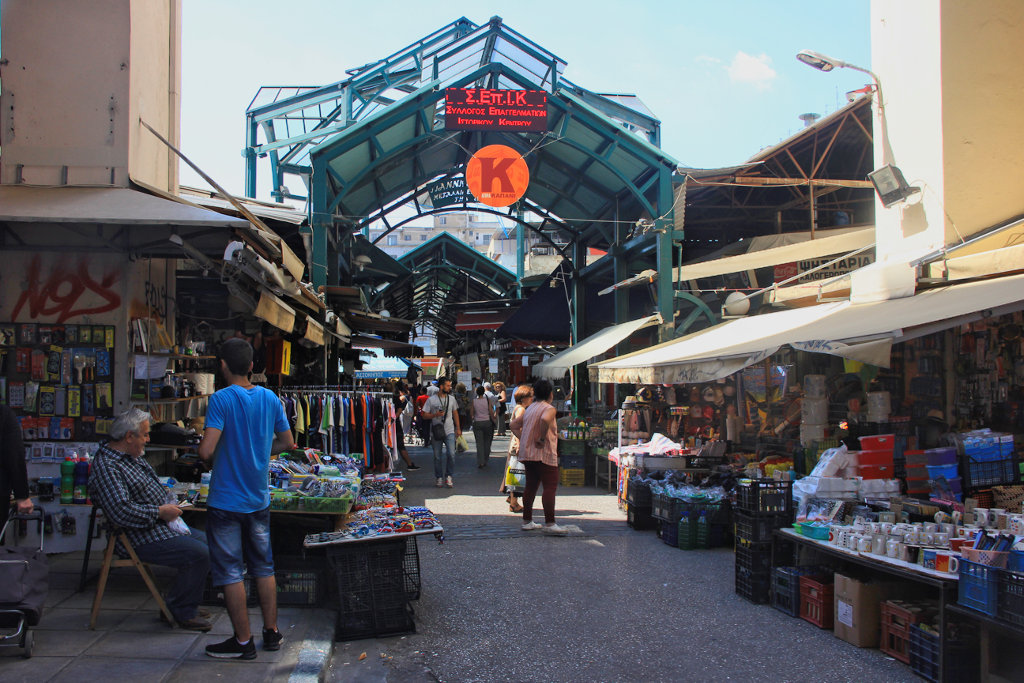
Kapani, also known as Vlali Market, is a central working market with stalls and shops selling fish, meat, vegetables, fruit, olives, spices, sweets and other everyday goods. It is more useful to visit as a living food district than as a polished attraction. The lanes can be busy, the opening pattern varies by trader and Sunday is generally not the best day to plan around. Go in the morning when the market activity is strongest, but check current hours if your visit depends on a particular stall.
The market is near Aristotelous Square and the old commercial centre, so it fits naturally into a walking route. You can look at ingredients, buy something small, and continue towards Athonos Square, Ladadika or the waterfront. Avoid treating the market as a guaranteed restaurant recommendation: many businesses are primarily traders, and the atmosphere changes throughout the day.
Modiano Market
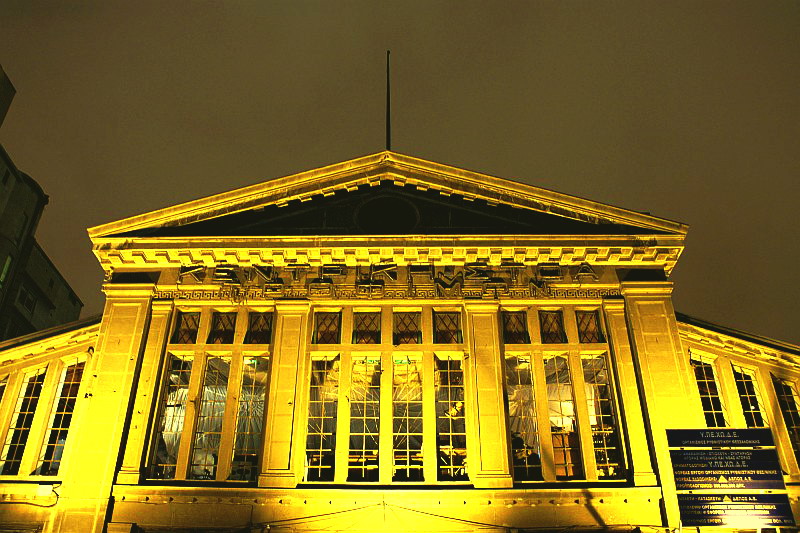
Modiano is a covered central food market with a different feel from Kapani. Its history is connected to Thessaloniki’s commercial centre and Jewish heritage, while its newer format combines food stalls, products, places to eat and social space. The market’s current operation and individual opening times can change, so check its official channels before making it the centrepiece of a morning.
The useful comparison is not “which market is better?” Kapani is better for seeing an older, more street-level trading environment. Modiano is easier when you want shelter, a more curated food-market setting or a place to combine browsing with a meal. Visiting both gives a fuller picture of how Thessaloniki’s food districts balance everyday trade, tourism and redevelopment.
How to Eat Meze in Thessaloniki
A mezedopoleio is built around small dishes for sharing. A tsipouradiko typically pairs tsipouro with meze, although the exact style varies from one place to another. The point is not to order one enormous main course immediately. Start with a few dishes, see how much arrives, and add more as the table develops.
Useful dishes to recognise include soutzoukakia, spiced meatballs in tomato sauce associated with Asia Minor cuisine; bouyiourdi, baked cheese with tomato and peppers; fried or grilled seafood; seasonal vegetables; dips; beans; pies; and cured or smoked products. A menu may also include patsas, a tripe soup traditionally associated with late-night eating. It is not for everyone, but it is part of the city’s old food culture and worth recognising even if you choose something else.
Ask what is fresh or seasonal rather than trying to order every dish mentioned in a guide. Portions are designed for sharing, and the final bill depends heavily on the number of plates, drinks and seafood choices. If you do not drink alcohol, say so: the food is not dependent on ordering tsipouro or ouzo.
What Else to Taste
Trigona Panoramatos
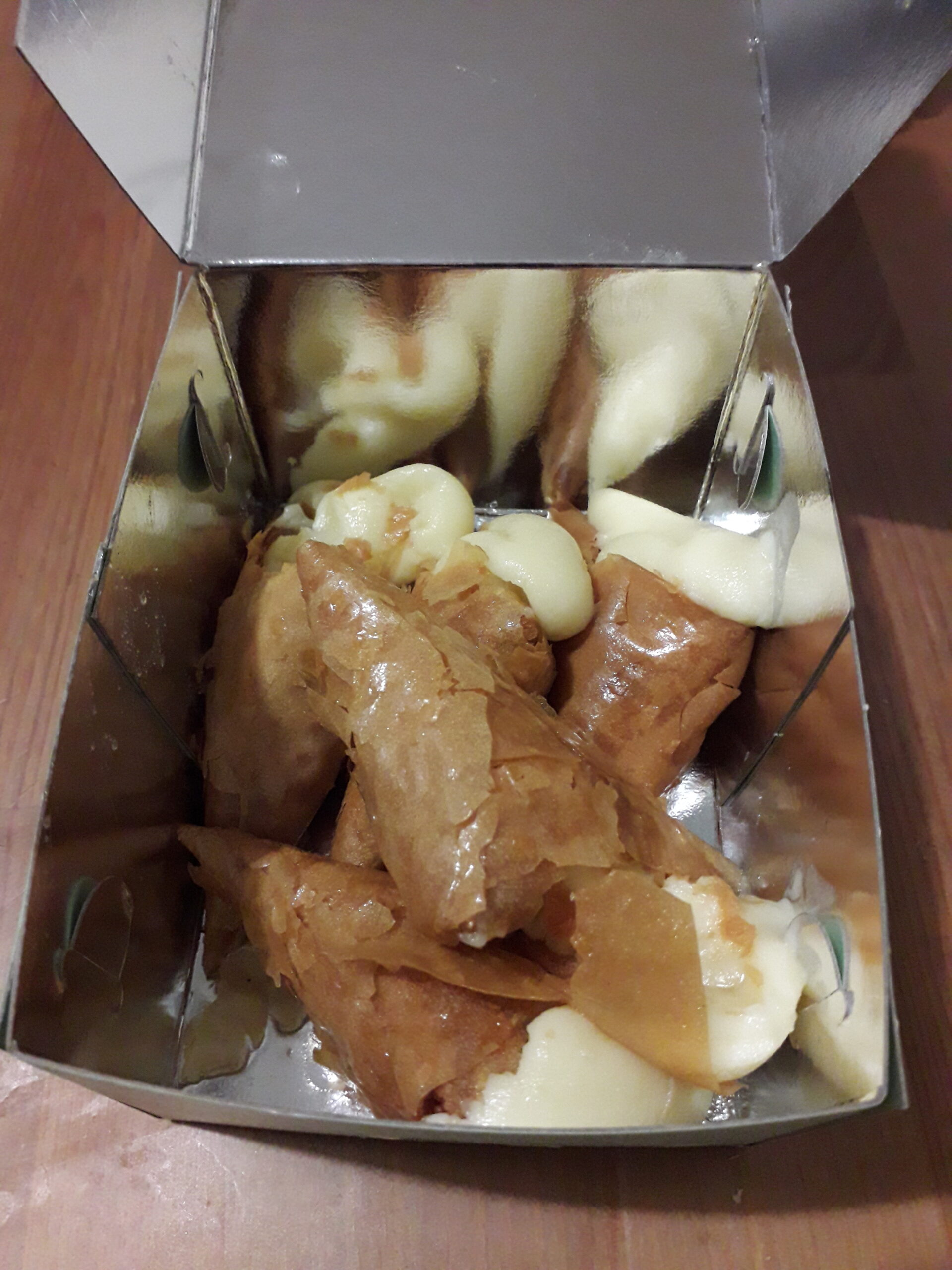
Trigona Panoramatos are crisp phyllo pastries shaped like cones or triangles, soaked in syrup and filled with custard. The name links them with Panorama, a suburb east of the centre, but they are available elsewhere in the city. They are rich, so one is usually enough after a meal. Because the texture depends on crisp pastry and chilled filling, they are best eaten fresh rather than carried around for hours.
Tsoureki and Istanbul-Influenced Sweets
Thessaloniki’s pastry shops also reflect the city’s connections with Istanbul and Asia Minor. Look for tsoureki, a sweet enriched bread that may be sold plain or filled, as well as syrup desserts such as ekmek kataifi or kazandibi. Recipes and names vary between shops; ask what is made that day instead of assuming every pastry is a local speciality.
Soutzoukakia, Seafood and Regional Produce
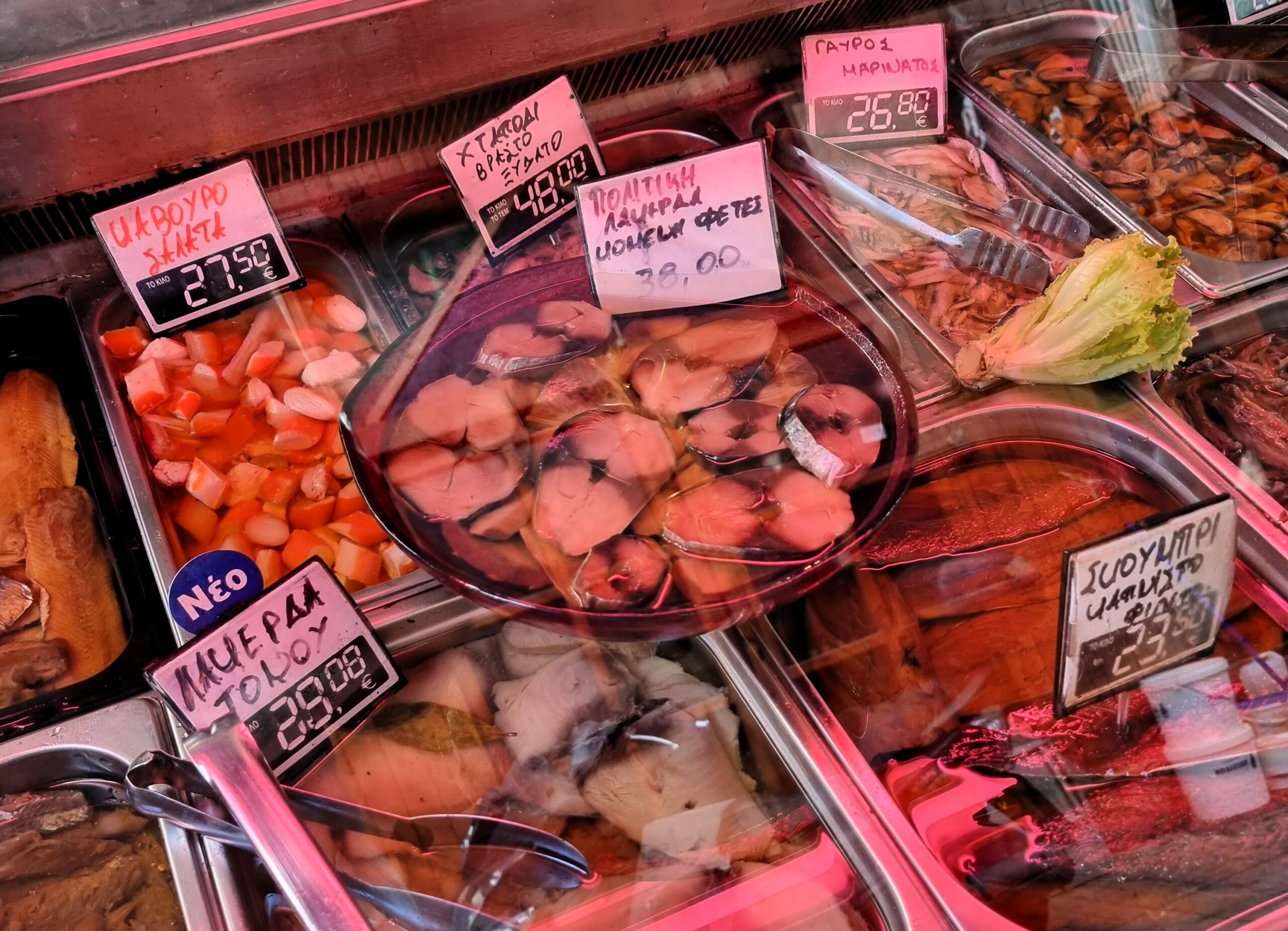
Soutzoukakia work well as a bridge between street-food expectations and a longer meze meal. Thessaloniki’s location also makes seafood, mussels, vegetables, dairy products and Macedonian ingredients part of the wider food conversation. The city is not a single-recipe destination: it is a place where migration, trade and modern cooking meet on the same menu.
Where to Eat by Mood
| Area or setting | Best for | What to expect |
|---|---|---|
| Kapani and Athonos | Markets, quick bites and traditional food | Busy daytime atmosphere; opening patterns vary by business |
| Ladadika | Dinner, meze, bars and a lively evening | Central and sociable, but some streets can be noisy or touristic |
| Ano Poli | Tavernas, views and a slower evening | Steep streets and a more atmospheric setting above the centre |
| Waterfront and Nikis Avenue | Coffee, drinks and sea views | Scenic setting; compare the menu and location rather than assuming value |
| Panorama | Trigona and an east-side food outing | A separate suburban trip rather than a central walking stop |
For a first food-focused day, combine a morning bakery stop with Kapani and Modiano, then continue through the central market streets. Save meze for a later lunch or dinner, when sharing plates makes more sense. On a second evening, choose between lively Ladadika and the more elevated atmosphere of Ano Poli. The best choice depends on whether you want convenience, views, quiet or nightlife.
A Simple One-Day Food Route
Morning: Start with bougatsa and coffee near your accommodation. Walk towards the central market area before the busiest period. Explore Kapani, then compare it with Modiano rather than spending the entire morning in only one market.
Lunch: Choose a small meal near the market or a casual souvlaki and keep room for a sweet. If the weather is warm, take the food slowly rather than planning several distant stops.
Afternoon: Walk towards Aristotelous Square and the waterfront. A coffee break is part of the experience, not merely a pause between attractions. If you want trigona, buy them from a pastry shop when you are ready to eat them.
Evening: Book or choose a mezedopoleio according to the current mood of the neighbourhood. Order a few shared dishes first, ask what is seasonal, and keep the meal flexible. If you prefer a quieter setting, consider Ano Poli; if you want more nightlife nearby, Ladadika or the central streets are easier.
Common Food Mistakes
- Trying to eat every famous dish in one meal rather than spreading them across the day.
- Assuming a market is open in the same way every day, especially on Sundays or public holidays.
- Ordering too many meze plates before seeing portion sizes.
- Treating a tourist-facing food district as the only place with good food.
- Using an old restaurant list without checking whether the business, hours or menu still exist.
- Forgetting that a food tour can help with context, but it is not necessary for eating independently.
The Honest Verdict
Thessaloniki is a particularly good Greek city for travellers who want food to be part of the day’s structure rather than a single dinner reservation. Bougatsa gives you an easy beginning, the markets provide context, and meze creates the slower social meal that the city does best. The limitations are practical: opening hours vary, famous dishes are not always unique to Thessaloniki, and the best meal depends more on the individual venue and current ingredients than on a fixed list of “must-eat” restaurants.
Use the food section of the Thessaloniki City Guide for wider neighbourhood and sightseeing context, then let this guide shape the way you eat during the visit.
Research and review note: Market opening patterns, restaurant hours, menus and food businesses can change. Confirm current details directly before planning a food-focused visit.