Thessaloniki is a useful base for northern Greece, but it is not a city where most visitors need a car simply to see the centre. The main sights, markets, waterfront and food districts are easier on foot, while parking, one-way streets and traffic can turn a city-break rental into an expensive piece of luggage.
The calculation changes when Thessaloniki becomes the starting point for Halkidiki, Vergina, Pella, Mount Olympus, Edessa, Lake Kerkini, Kavala or a longer Macedonian route. This guide explains when a rental car genuinely improves the trip, when public transport or a tour is more sensible, and what to check before accepting the headline rental price.
Rent the car for the days that need it
A car is a tool for leaving Thessaloniki, not a requirement for enjoying the city itself.
Quick answer: should you rent a car in Thessaloniki?
| Trip plan | Car verdict | Why | Better alternative when relevant |
|---|---|---|---|
| Two or three nights in the city | Usually no | The centre is walkable and parking adds cost and effort | Airport bus, taxi and a walking-based stay |
| One day trip outside the city | Optional | A tour or intercity bus may avoid driving and parking | Compare one organised excursion with one rental day |
| Vergina and Pella | Useful | A car links two archaeological destinations more flexibly | A specialist history tour if available for your dates |
| Halkidiki beach holiday | Often useful | Beaches and villages are spread out and public transport is route-dependent | Direct transfer or KTEL for a single fixed base |
| Olympus, Dion and Litochoro | Useful for a flexible day | It joins archaeological, mountain and village stops more easily | Train or bus plus a local plan for one destination |
| Kavala, Philippi or eastern Macedonia | Useful for a route | A longer itinerary benefits from control over stops and return time | Intercity bus or an overnight stay rather than a rushed day |
For many visitors the best compromise is to spend the first city days without a car, then hire for the specific part of the itinerary that leaves Thessaloniki. This avoids paying for city parking and keeps the decision connected to the places you actually plan to visit.
Why a car is usually a poor choice for the city centre
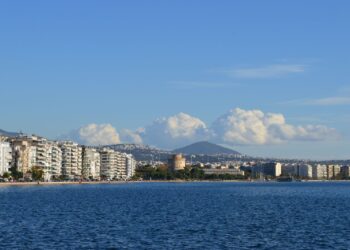
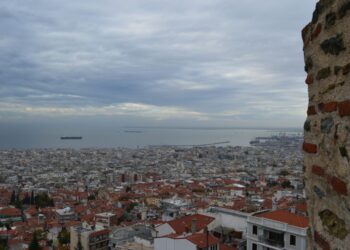
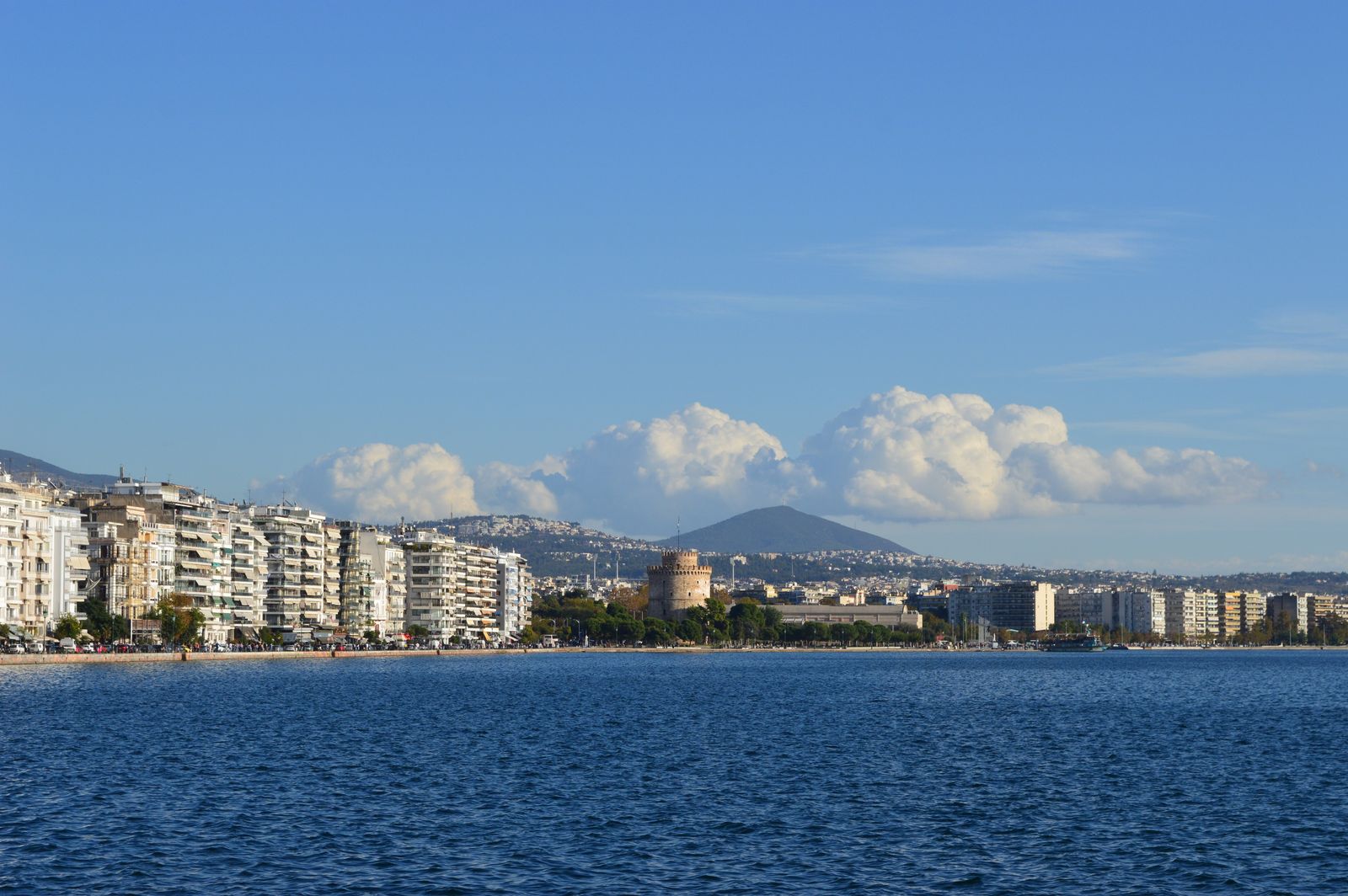
Thessaloniki’s central attractions form a walkable sequence rather than a driving circuit. Aristotelous Square, the waterfront, White Tower, Roman remains, Byzantine churches, markets and Ladadika are easier to connect on foot than by repeatedly finding a legal parking space. A vehicle can also be awkward around pedestrian streets, one-way systems and busy commercial areas.
If you are staying centrally, ask the accommodation whether parking is private, guaranteed, paid, nearby or simply described as “available”. A nearby garage may have height restrictions or limited spaces. Street parking should not be treated as part of the booking unless the property gives clear, current instructions.
The existing Thessaloniki City Guide is designed around walking the historic centre, waterfront and neighbourhoods. Read it first and mark the days when you genuinely need a vehicle.
Where a rental car makes a real difference
Halkidiki
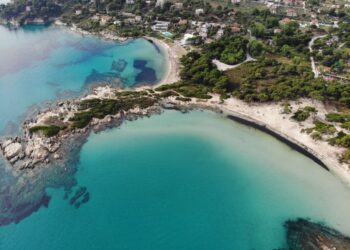
A car is useful when you want to move between beaches, villages and accommodation along Kassandra or Sithonia. Halkidiki is not one compact resort: each peninsula contains different bases, and a beach that looks close on a map can take longer to reach because of road shape, summer traffic and parking. If you are staying in one town and using one beach, a bus or transfer may be sufficient. If you want to explore several coves, a car gives you more control.
Do not collect a car for Halkidiki without checking where it can be returned, whether the accommodation has parking and whether the rental terms restrict ferries or unpaved access. The separate Thessaloniki to Halkidiki guide compares the main transport choices.
Vergina and Pella
Vergina, the site of Aigai, and Pella answer different historical questions: the former is associated with the royal tombs and first capital of the Macedonian kingdom, while Pella was a later Macedonian capital with an archaeological site and museum. Combining them by car is possible, but it is a full historical day rather than a quick sightseeing loop. Allow time for the museums, site layouts and current opening arrangements.
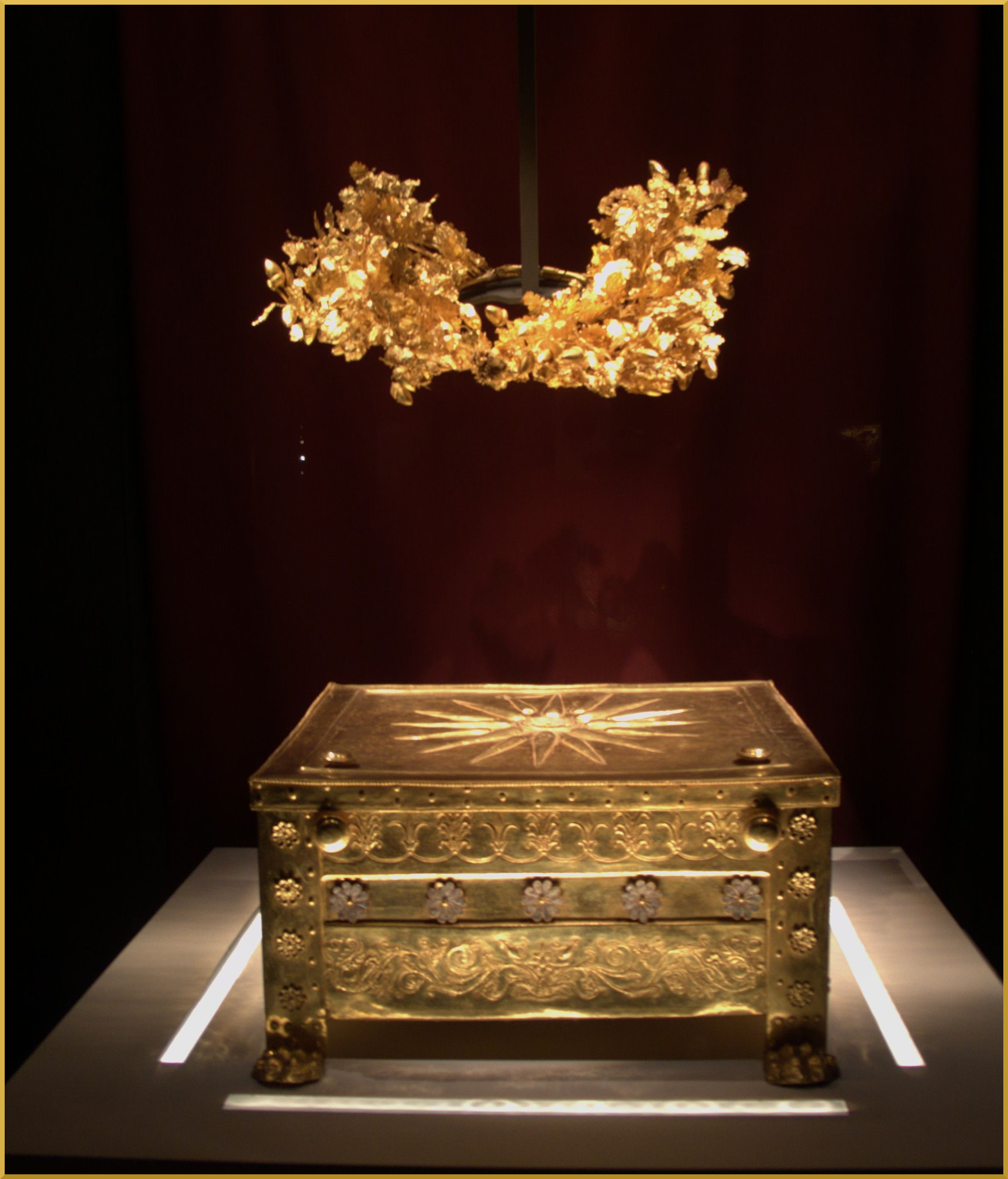
A tour may be more comfortable for travellers who want a historical explanation and do not want to navigate two sites. Independent driving is better for visitors who want control over the order, lunch and return time. Check the Ministry of Culture or official venue information before travelling, because opening hours and access can change.
Mount Olympus, Dion and Litochoro
The Olympus area is not a single attraction. Dion provides an archaeological and museum experience, Litochoro is a gateway town, and the mountain routes vary in difficulty and weather exposure. A car makes it easier to choose between a cultural day, a short walk and a longer mountain plan, but it does not remove the need to check trail conditions or allow enough time.
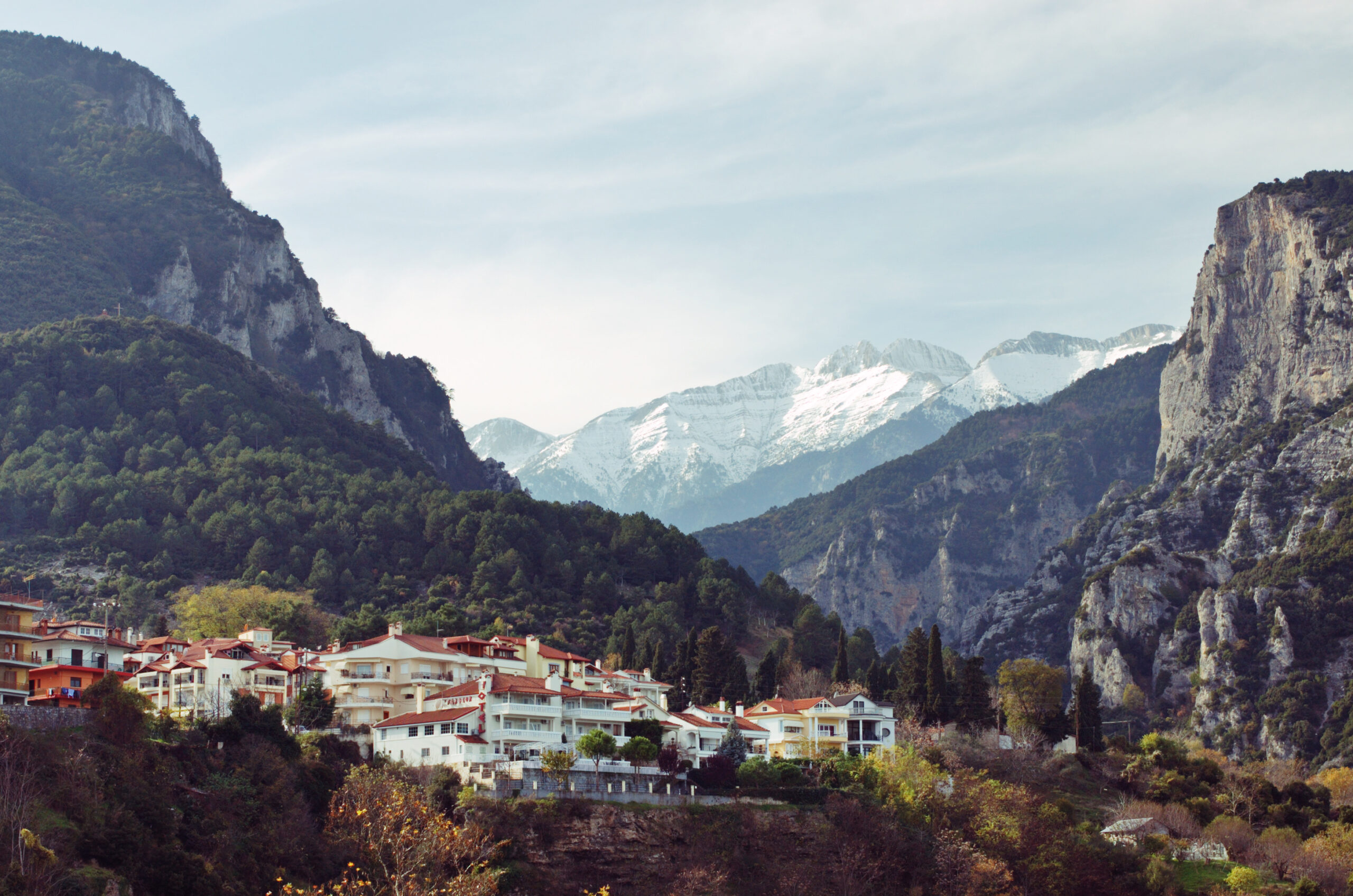
Do not present an Olympus excursion as a casual beach-style day. Mountain weather, access and walking ability matter. If the goal is only Dion or Litochoro, public transport may be enough; if the plan includes several stops, a car is more practical.
Edessa and the northern interior
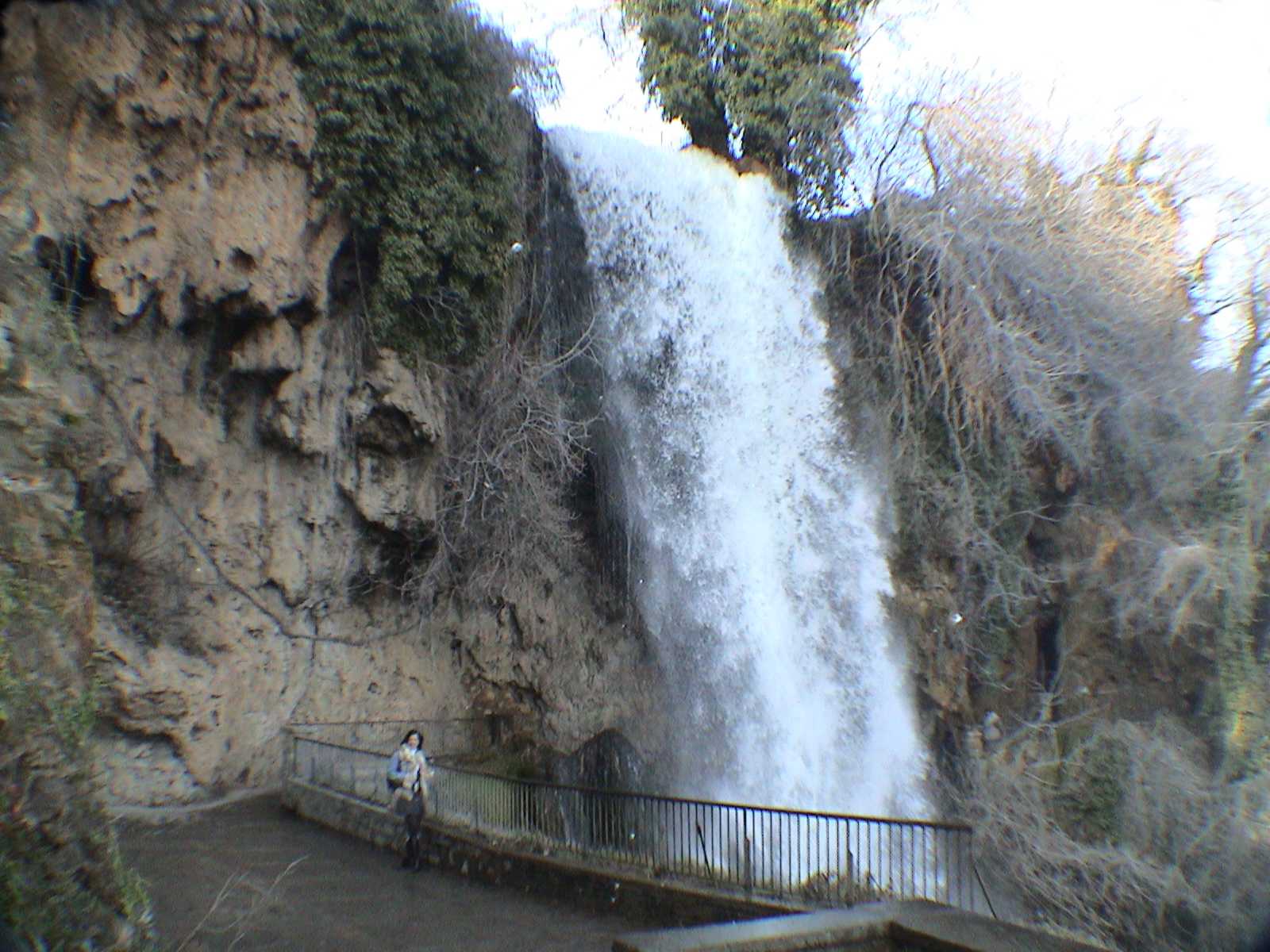
Edessa’s waterfalls offer a different type of day from the archaeology and coastline around Thessaloniki. A car makes it easier to combine the town with Veria, Naousa or another northern stop, but the wider route can become over-ambitious if treated as a list of pins. Choose one main purpose and add only nearby stops that fit naturally.
Lake Kerkini
Lake Kerkini is a nature-led option rather than a conventional city day trip. A car gives flexibility around the lake and nearby villages, but the best experience may depend on a local boat operator or guide and on seasonal wildlife conditions. Do not assume that a rental car alone creates a complete birdwatching plan.
Kavala and Philippi
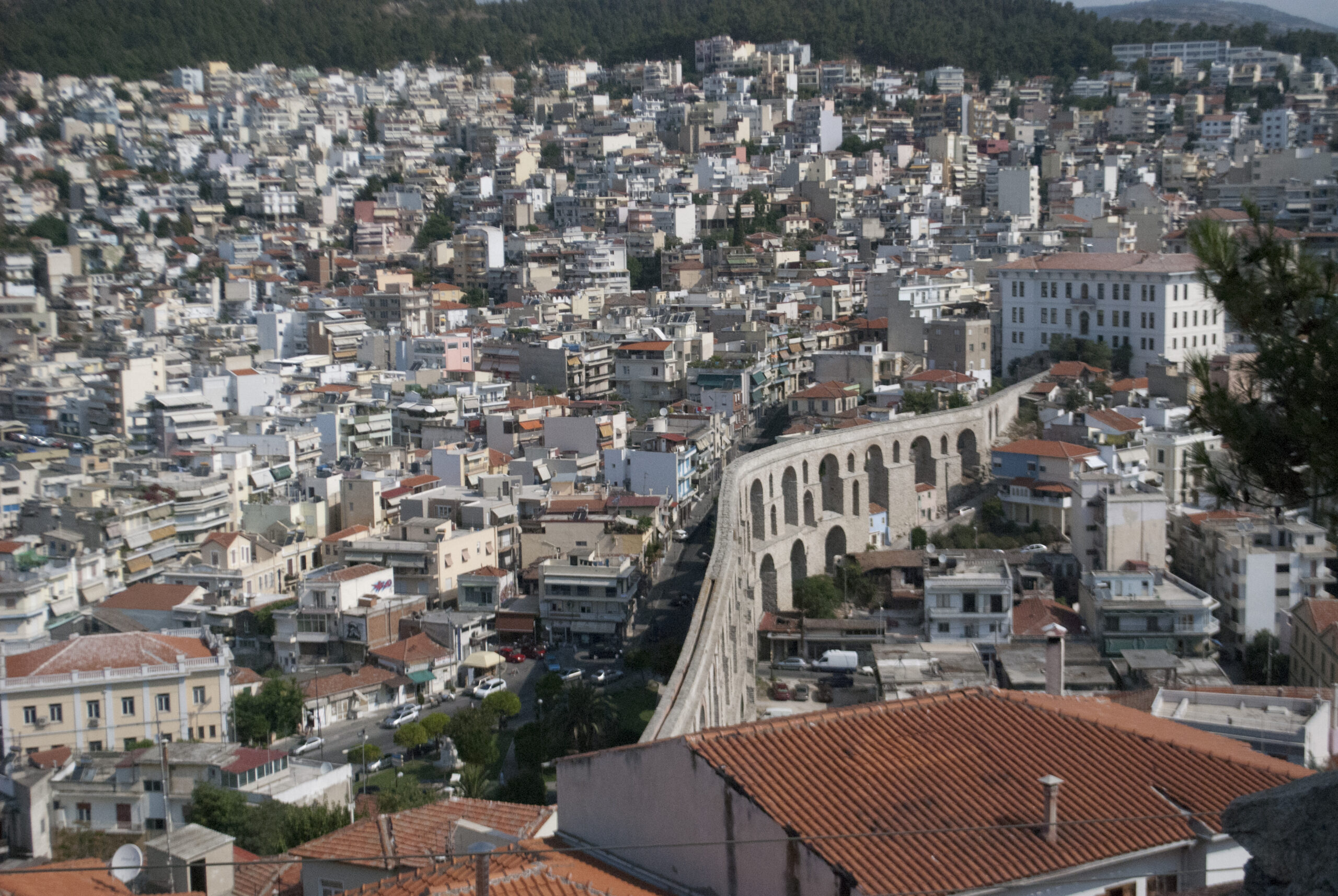
Kavala and Philippi are better understood as an eastern Macedonia route. Kavala adds a hillside port city, old town and waterfront, while Philippi provides a major archaeological site. The distance and the amount to see make an overnight stay a serious alternative to a rushed return to Thessaloniki.
How many days should you rent?
| Itinerary | Rental approach | Reasonable alternative |
|---|---|---|
| City break only | No car | Airport bus, taxis and walking |
| One selected excursion | One-day hire if the route is better independently | Organised tour or intercity bus |
| City plus two outside destinations | Two or three focused days | A tour for the harder route plus one independent day |
| Halkidiki extension | Hire for the coastal stay, not automatically the city stay | Direct transfer and local buses for one base |
| Long northern Greece route | Longer hire with a clear route and parking at each base | Use buses between cities and stay overnight rather than rushing |
The ideal rental period is the smallest one that covers the routes where a car saves meaningful time or creates access that public transport cannot provide. A car parked outside a central hotel is not a travel experience; it is a daily cost.
What kind of trip are you actually planning?
Separate the city stay from the regional itinerary before searching for a car. A visitor who wants Roman, Byzantine and food experiences in the centre has a different transport problem from someone landing and driving directly to Sithonia. Combining both into one booking often creates unnecessary parking, unused rental days and a more complicated return.
Write the outside-city destinations on a simple route before choosing the pickup point. If the list contains one fixed excursion, compare a tour or bus. If it contains several coasts, villages or archaeological sites, compare a rental car. If it contains Meteora, consider changing the overnight plan rather than assuming that driving faster will make the route comfortable.
Planning a realistic driving day
A map can make Vergina, Pella and Edessa look like one efficient loop, but the visit is shaped by opening hours, museum time, lunch, parking and the return drive. Build the route around one main reason for leaving Thessaloniki and treat additional stops as optional. This produces a better day than trying to prove how many pins fit into a rental period.
The same applies to Olympus. Dion, Litochoro and a mountain walk are three different experiences. Choose the one that matches your energy and the weather, then leave room for the return. If the day ends with a late city dinner, a shorter route may be more enjoyable than an ambitious itinerary that leaves everyone tired.
For Halkidiki, choose the peninsula and beach style before selecting the vehicle. Kassandra can work as a fixed resort stay with occasional local transport; Sithonia usually rewards a car because the coast is about moving between places. The destination, not the availability of an airport rental, should determine the hire period.
Airport pickup or city pickup?
Airport pickup is sensible when you are leaving directly for Halkidiki, Olympus or another road destination. It is less attractive when you have several city days first. In that case, compare an airport transfer followed by a city rental with an airport rental that includes parking, fuel and unused days.
City pickup can work when the rental station is accessible from your accommodation and the first driving day begins after sightseeing. Check the exact station, opening hours, deposit rules and return location. A cheaper city rate is not useful if reaching the station requires a long taxi ride or if the return creates a difficult airport connection.
Vehicle choice for northern Greece
A compact car is usually easier for city edges, villages and parking. Families should prioritise luggage capacity, child-seat compatibility and rear-seat comfort. An automatic transmission may be worth the extra cost if you do not regularly drive a manual car. A larger vehicle can help with luggage but becomes less convenient in narrow village approaches and busy summer parking areas.
Do not assume that an SUV or four-wheel-drive vehicle permits every road. Ask the rental company about unpaved roads, mountain access, ferries and exclusions before departure. Vehicle category, insurance validity and road permission are separate questions.
Insurance, deposit and contract checks
Third-party liability cover should be included in the rental price, but that does not tell you the amount of the excess or which damage is excluded. Read the contract for collision damage, theft, glass, tyres, wheels, underside, roof, breakdown assistance, fuel, late return and deposit requirements.
- Check the excess and how it is authorised on the card.
- Confirm the accepted payment card and whether the driver must be the cardholder.
- Ask whether a second driver, child seat or young-driver condition applies.
- Check the rules for Halkidiki, mountain roads, ferries and unpaved surfaces.
- Photograph the vehicle, wheels, windscreen, roof, interior and fuel level.
- Keep the emergency and breakdown numbers in the vehicle.
- Report any accident or new damage according to the contract.
Requirements differ between companies and drivers. If your licence is from outside the EU, confirm the current Greek recognition and International Driving Permit requirements before payment.
Car, bus or organised tour?
Choose a bus when the route is direct, your destination is fixed and you are happy with the timetable. Choose a tour when interpretation, logistics and a complicated route are worth paying for. Choose a car when you want several stops, independent timing or a destination that does not fit neatly into public transport.
Vergina and Pella can work either way depending on your interest in history. Halkidiki strongly favours a car for multi-beach exploration but not necessarily for one fixed resort. Meteora is a poor candidate for a rushed car day from Thessaloniki for many travellers; an overnight stay or a dedicated tour may provide a better experience.
Collection checklist
- Confirm the exact collection point and opening hours.
- Bring the original driving licence, identity document and payment card.
- Match the reserved category to the passengers and luggage.
- Photograph existing damage before leaving.
- Confirm fuel type and return instructions.
- Ask which roads and destinations are excluded.
- Save the rental station and breakdown numbers.
Final recommendation
Do not rent a car for Thessaloniki simply because you are visiting northern Greece. Rent it when the next part of the itinerary benefits from independent movement: Halkidiki beaches, a Vergina–Pella history route, Olympus and Dion, a northern interior loop, or an eastern Macedonia journey. Keep the city days car-free whenever possible and compare the complete cost of each option before booking.
Research and review note: Rental availability, insurance exclusions, driving-licence rules, road conditions and access arrangements can change; confirm the current contract and official guidance before driving.