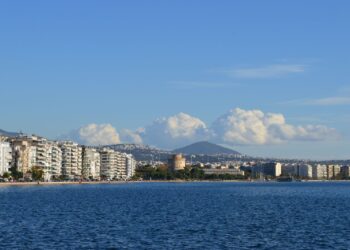
Choosing where to stay in Thessaloniki is less about finding a single “best” neighbourhood and more about deciding what you want your days and evenings to feel like. The central districts make a short city break easy on foot, Ano Poli offers historic streets and views but more slopes, Kalamaria gives you a coastal suburban rhythm, and the areas around the airport are useful for a specific arrival or departure rather than a first city visit.
This guide compares the areas that matter to visitors by walking access, atmosphere, nightlife, food, transport, parking and the kind of trip each base supports. It also explains when staying outside the centre makes sense, whether you need a car, and which accommodation details are worth checking before you pay.
Choose the daily rhythm before the room
Thessaloniki is walkable in the centre, but the wrong address can add hills, taxis, noise or long bus journeys to every day.
Quick answer: where should you stay in Thessaloniki?
| Area | Best for | Car need | Main limitation |
|---|---|---|---|
| Aristotelous Square and central waterfront | First visits, sightseeing, restaurants and a polished city break | Not needed; parking can be difficult | Busy, urban and sometimes expensive in the most central streets |
| Ladadika and the port | Nightlife, food, late evenings and proximity to the station or port | Not needed for a city stay | Noise and a more nightlife-led atmosphere |
| Agia Sofia, Rotonda and Navarinou | Walkable history, students, cafés and a lively local centre | Not needed; avoid relying on street parking | Some streets are busy late and the accommodation stock varies |
| Ano Poli | Historic character, views and a quieter evening base | Usually not useful in the narrow lanes | Slopes, steps and less direct access to the waterfront |
| Eastern centre and Helexpo side | Museums, the university, events and a calmer central location | Not needed for the centre | Less immediate nightlife than Ladadika or Valaoritou |
| Kalamaria | Longer stays, coastal walks, families and a residential rhythm | Optional but useful beyond the eastern suburbs | Not a practical base for walking to the historic core |
| Airport and eastern outskirts | Early flights, late arrivals, business trips or a road itinerary | Useful depending on the itinerary | You are outside the city experience and depend on transport |
For most first-time visitors: choose the central area around Aristotelous, the waterfront, Agia Sofia or Navarinou. Choose Ladadika if evening food and bars matter most, Ano Poli if atmosphere and views matter more than flat walking, and Kalamaria only when you consciously want a less central stay.
How Thessaloniki’s centre works for visitors
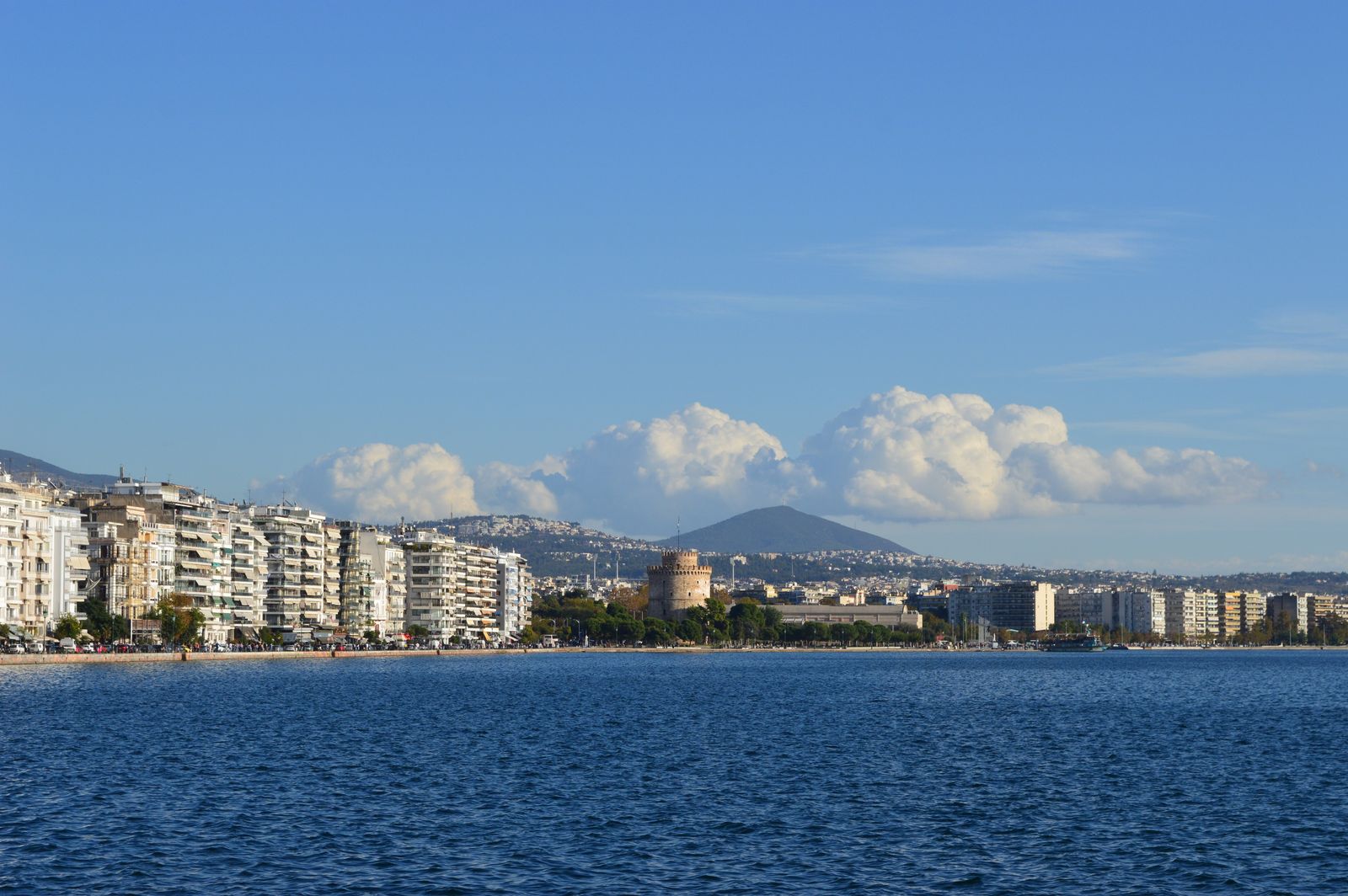
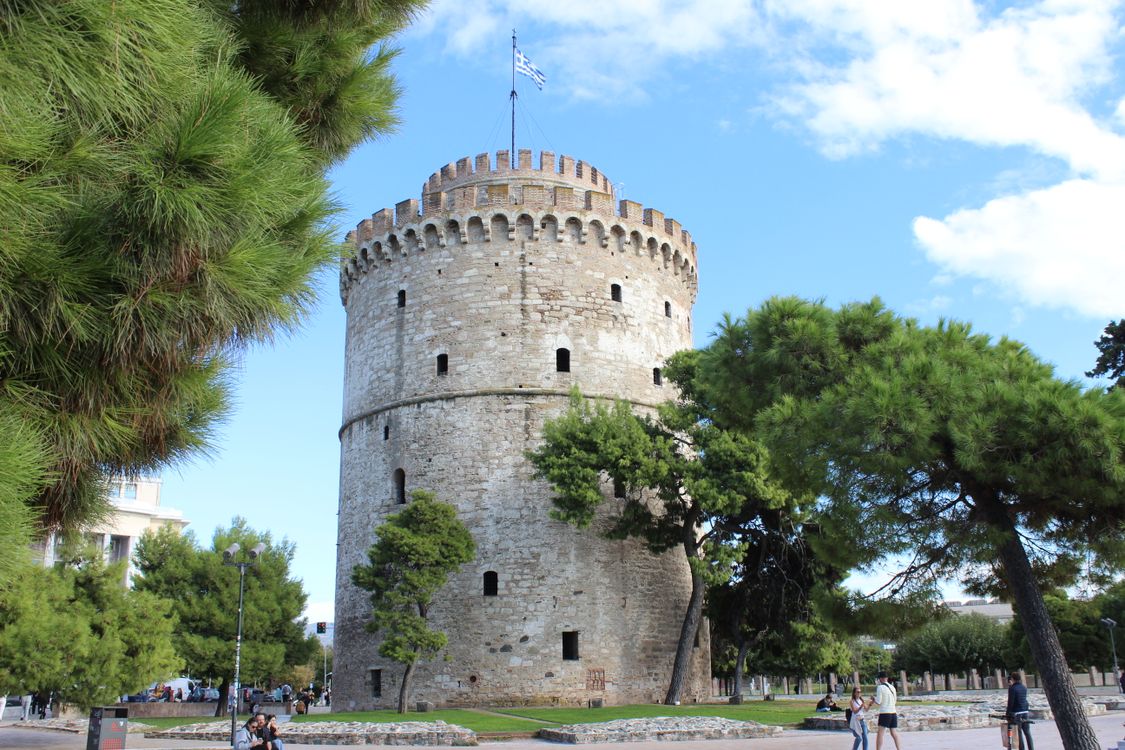
Thessaloniki’s central area is compact enough for a visitor to connect the waterfront, White Tower, Aristotelous Square, markets, Roman monuments, Byzantine churches and Ladadika on foot. That is the main reason a central hotel can be worth more than a cheaper room farther out: it reduces the need to plan every meal and sight around transport.
The centre is not one uniform neighbourhood. Streets near the waterfront feel more open and formal; the market and Ladadika side is denser and more nightlife-oriented; Agia Sofia and Navarinou sit closer to student life and historic monuments; the eastern side is convenient for museums and the exhibition centre. Look at the exact street rather than booking from the broad label “city centre”.
The city is also lively late. Restaurants, cafés, bars, university areas and waterfront walks can all affect sleep. A room on a busy pedestrian street may be excellent for access and poor for a light sleeper. Read recent reviews for noise, ask whether the room faces the street or an interior courtyard, and do not assume a higher floor is automatically quiet.
Aristotelous Square and the central waterfront
This is the easiest all-round base for a first Thessaloniki visit. Aristotelous Square opens towards the Thermaic Gulf and places you within a short walk of the market district, waterfront promenade, city buses, restaurants and many of the monuments covered by the existing Thessaloniki City Guide.
It suits visitors who want to leave the hotel and immediately be in the city rather than commute into it. Couples can walk to dinner and the waterfront, families can return to the room between activities, and first-time visitors can use organised tours or buses without first crossing the suburbs. The compromise is price, traffic and a more commercial city feel. Some rooms face busy streets, and parking is not a reason to choose this area.
Choose the square or the streets immediately behind it for a short stay when convenience matters more than a quiet residential atmosphere. Check whether the property has a lift, whether the entrance is step-free and where a taxi can stop with luggage.
Ladadika and the port
Ladadika is a strong match for travellers who want dinner, drinks and late evenings close to the room. Its preserved commercial buildings now house restaurants, cafés, bars and music venues, and the port and railway-side part of the city are nearby. It can work well for a short weekend, a group of friends or a visitor who values nightlife more than early starts.
The limitation is obvious but important: this is not the quietest base. Noise varies enormously by street and building, so check the room orientation and recent comments. Ladadika is also not the same as being beside the White Tower; it is convenient for the market and port side of the centre but farther from the eastern waterfront museums.
Choose Ladadika if you want to walk home after a long dinner or a night out. Choose the port-side edge rather than the busiest entertainment streets if you want some of the location benefits with less exposure to late noise. For an early train or ferry-related departure, the location can be useful, but confirm the actual route and luggage access.
Agia Sofia, Rotonda and Navarinou
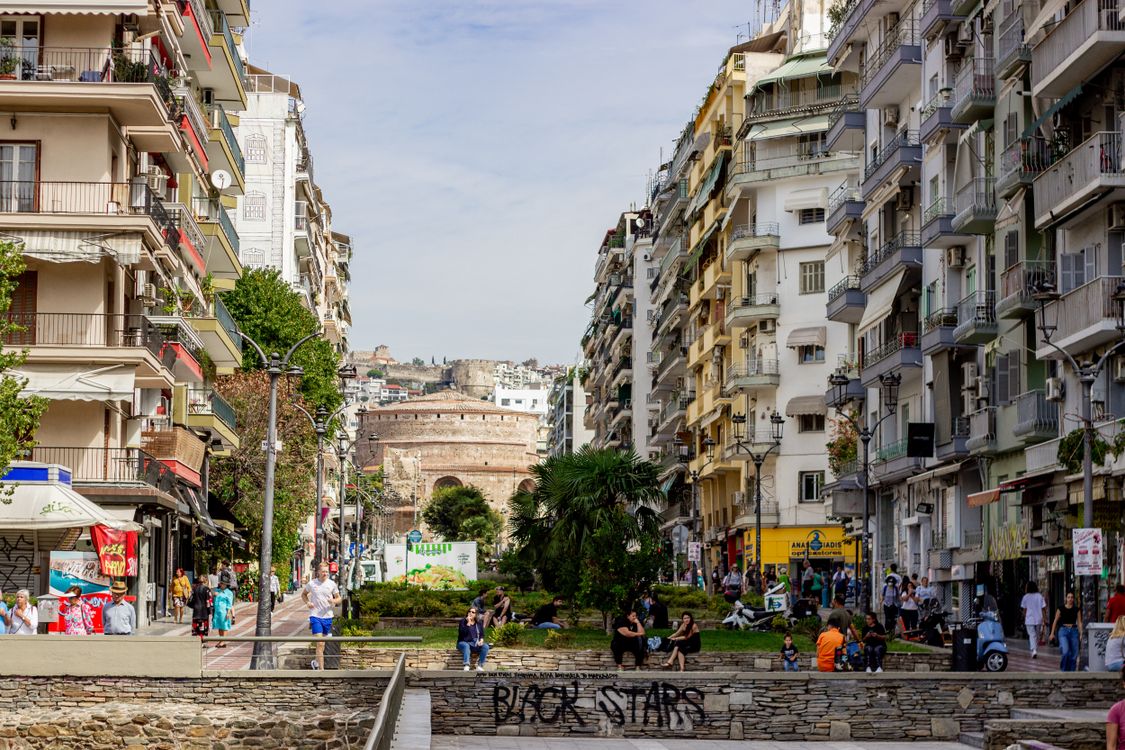
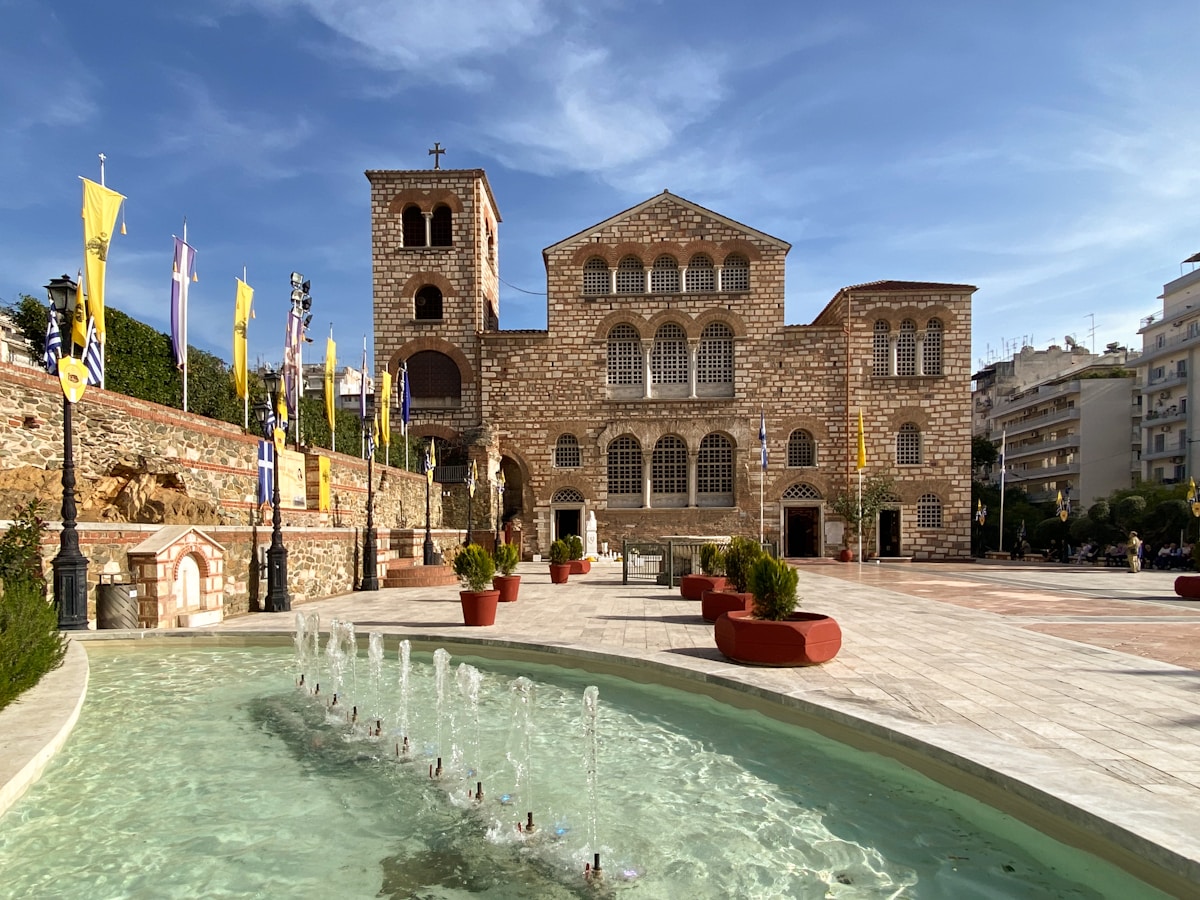
The area around Agia Sofia, the Rotonda and Navarinou is one of the most versatile choices for travellers who want history, cafés and a lived-in city atmosphere. The Roman and Byzantine layers are close, the university gives the streets energy, and the centre is still walkable in both directions.
Navarinou and the streets around the Rotonda can feel youthful and busy, particularly at night. That is excellent for cafés and informal food, but not ideal for every family or light sleeper. Agia Sofia is often a better compromise for a visitor who wants central access with a slightly more mixed residential and commercial setting.
Look carefully at the property itself. Older central buildings may have small lifts, internal stairs, limited sound insulation or rooms that vary widely by floor. The area is a good place to compare apartments and smaller hotels, but a booking platform’s star rating will not tell you whether the room is quiet or whether the entrance is easy with luggage.
Ano Poli: character, views and practical compromises
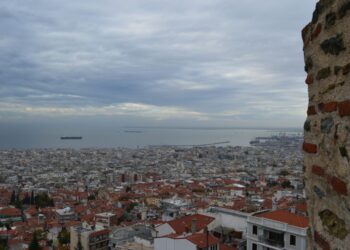
Ano Poli, the Upper Town, survived the 1917 fire to retain narrow lanes, traditional houses, parts of the walls and some of the city’s best elevated views. It is the atmospheric choice: evenings are quieter, the streets feel older and the relationship between the city and the gulf is visible from above.
It is not the easiest base for every traveller. The slopes and steps are real, taxis may not reach every narrow lane, and the walk down to the waterfront is easier than the return. Families with buggies, visitors with heavy luggage and anyone with mobility concerns should check the final approach before booking. A room with a view can come with a steep daily climb.
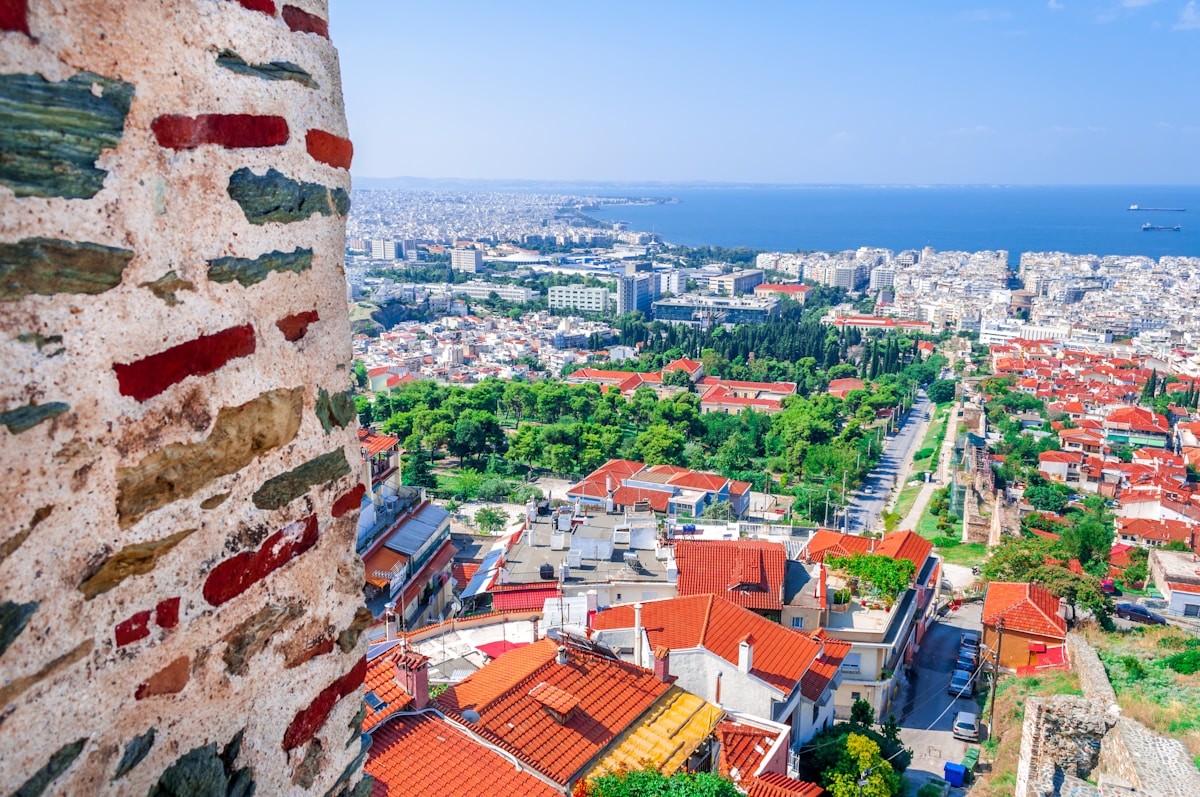
Choose Ano Poli for a slower, more residential stay, historic atmosphere and evenings that do not depend on bars. Choose a lower edge of the district if you want character without making every return journey a hill walk.
The eastern centre and Helexpo side
The area around the Archaeological Museum, Byzantine Culture Museum, university and exhibition centre suits travellers visiting museums, attending events or wanting a central base away from the densest nightlife. It is still possible to walk to the White Tower and Aristotelous Square, although the city becomes less compact as you move farther east.
This is a good option for families and business travellers who value quieter streets, larger modern hotels and access to the waterfront parks. It is less useful if your main reason for visiting is late-night dining in Ladadika or the market district. Check the distance to the nearest bus stop and the walking route after dark rather than relying on a map’s straight-line measurement.
Kalamaria: when a coastal suburb makes sense
Kalamaria is not a substitute for central Thessaloniki; it is a different type of stay. The municipality’s coastal front, marina, cafés, restaurants and pedestrian areas create a more residential, local rhythm. It can suit a longer stay, families who prefer space and a quieter evening, or repeat visitors who have already explored the historic core.
The practical cost is time. You will not walk from Kalamaria to the Roman Forum or Ladadika, and journeys depend on local transport or a car. Aretsou and the coastal area add a pleasant setting but should not be confused with a classic swimming-resort holiday. Choose Kalamaria because you want the suburb, not because a listing describes it as “near Thessaloniki”.
A car is optional for Kalamaria itself and often inconvenient for the central day. It becomes more useful if you combine the stay with Halkidiki, the airport, eastern Macedonia or several day trips. Ask about parking, because a property with a garage can change the balance considerably.
How many nights should you stay?
For two nights, keep the base central. A hotel near Aristotelous, Agia Sofia or the eastern centre lets you use arrival and departure days efficiently and leaves the waterfront, markets and historic core within reach. Moving to Kalamaria or the airport adds a second transport decision without creating much extra sightseeing value.
For three or four nights, you can choose between a deeper city stay and one carefully selected excursion. A central base makes it easier to visit the museums, Ano Poli and the food districts at different times of day. If the trip includes a day trip to Vergina, Pella or Mount Olympus, a central hotel still works well because you can leave the city for one day and return to the same evening options.
For five nights or more, Kalamaria or a property with parking becomes more reasonable if you are combining Thessaloniki with Halkidiki or northern Greece. Even then, ask whether you are planning a city holiday with excursions or a road trip with a city stop. The right base is different: a city holiday rewards walkability, while a road itinerary rewards easy departure and secure parking.
Old Town character versus central convenience
Visitors sometimes search for an “Old Town” in Thessaloniki as if it were a compact historic quarter like Rhodes or Chania. Ano Poli is the closest match in atmosphere, but the city’s most important Roman, Byzantine and waterfront sights are spread through the lower centre. Staying in Ano Poli gives you traditional streets and elevated views; staying around Agia Sofia or the waterfront puts more of the everyday sightseeing route at ground level.
This distinction matters when comparing accommodation photographs. A traditional house in Ano Poli may be visually memorable but involve stairs, slopes and a longer return after dinner. A modern room in the centre may look less distinctive but let you walk to the market at breakfast, the museums in the afternoon and the waterfront after dark. Neither is universally better. Match the property to your tolerance for walking and the shape of your days.
Where to stay for an early airport departure
For an early flight, staying near the airport can reduce the final transfer, but it also removes you from Thessaloniki’s evening life. A central hotel remains practical when you have a reliable taxi or a departure time that allows the airport bus. Check the current airport transport arrangements and allow more time than the nominal journey because traffic, luggage and the time of day affect the real transfer.
There is no single best airport strategy. A central hotel suits a visitor who wants one last dinner or waterfront walk. An eastern or Kalamaria property may shorten the route without feeling like an airport hotel. A hotel in the immediate airport area makes more sense for a very early departure, a late arrival or a road itinerary that begins outside the city.
Choosing accommodation for a road-trip extension
If Thessaloniki is the first or final stop in a northern Greece road trip, prioritise the exit route rather than a famous central address. A property with confirmed parking near the eastern side can save time when leaving for Halkidiki, while a central property may be better when the city itself is the main destination. Do not book a central room and assume that a nearby private garage will always have space; confirm availability and height restrictions before arrival.
The same logic applies at the end of the trip. Returning a car at the airport can make an airport-side final night simple, but it may be less enjoyable than returning the vehicle earlier and spending the last evening in the centre. Compare the full transfer and parking plan, not only the room rate.
How many nights should you stay?
For two nights, keep the base central. A hotel near Aristotelous, Agia Sofia or the eastern centre lets you use arrival and departure days efficiently and leaves the waterfront, markets and historic core within reach. Moving to Kalamaria or the airport adds a second transport decision without creating much extra sightseeing value.
For three or four nights, you can choose between a deeper city stay and one carefully selected excursion. A central base makes it easier to visit the museums, Ano Poli and the food districts at different times of day. If the trip includes a day trip to Vergina, Pella or Mount Olympus, a central hotel still works well because you can leave the city for one day and return to the same evening options.
For five nights or more, Kalamaria or a property with parking becomes more reasonable if you are combining Thessaloniki with Halkidiki or northern Greece. Even then, ask whether you are planning a city holiday with excursions or a road trip with a city stop. The right base is different: a city holiday rewards walkability, while a road itinerary rewards easy departure and secure parking.
Old Town character versus central convenience
Visitors sometimes search for an “Old Town” in Thessaloniki as if it were a compact historic quarter like Rhodes or Chania. Ano Poli is the closest match in atmosphere, but the city’s most important Roman, Byzantine and waterfront sights are spread through the lower centre. Staying in Ano Poli gives you traditional streets and elevated views; staying around Agia Sofia or the waterfront puts more of the everyday sightseeing route at ground level.
This distinction matters when comparing accommodation photographs. A traditional house in Ano Poli may be visually memorable but involve stairs, slopes and a longer return after dinner. A modern room in the centre may look less distinctive but let you walk to the market at breakfast, the museums in the afternoon and the waterfront after dark. Neither is universally better. Match the property to your tolerance for walking and the shape of your days.
Where to stay for an early airport departure
For an early flight, staying near the airport can reduce the final transfer, but it also removes you from Thessaloniki’s evening life. A central hotel remains practical when you have a reliable taxi or a departure time that allows the airport bus. Check the current airport transport arrangements and allow more time than the nominal journey because traffic, luggage and the time of day affect the real transfer.
There is no single best airport strategy. A central hotel suits a visitor who wants one last dinner or waterfront walk. An eastern or Kalamaria property may shorten the route without feeling like an airport hotel. A hotel in the immediate airport area makes more sense for a very early departure, a late arrival or a road itinerary that begins outside the city.
Choosing accommodation for a road-trip extension
If Thessaloniki is the first or final stop in a northern Greece road trip, prioritise the exit route rather than a famous central address. A property with confirmed parking near the eastern side can save time when leaving for Halkidiki, while a central property may be better when the city itself is the main destination. Do not book a central room and assume that a nearby private garage will always have space; confirm availability and height restrictions before arrival.
The same logic applies at the end of the trip. Returning a car at the airport can make an airport-side final night simple, but it may be less enjoyable than returning the vehicle earlier and spending the last evening in the centre. Compare the full transfer and parking plan, not only the room rate.
Where to stay for different kinds of trip
| Trip | Best starting areas | What to prioritise | What to avoid |
|---|---|---|---|
| First city break | Aristotelous, waterfront, Agia Sofia | Walkability, lift, quiet room and breakfast flexibility | Airport or outer-suburb hotels chosen only for a lower price |
| Food and nightlife weekend | Ladadika, market district, central east | Sound insulation, late check-in and walkable dining | Assuming a nightlife district will be quiet at midnight |
| History and museums | Agia Sofia, Rotonda, waterfront east | Walking route, museum access and a calm base | A remote room that turns every visit into a taxi journey |
| Family stay | Central east, waterfront, selected Kalamaria stays | Room layout, lift, air-conditioning and nearby food | Nightlife streets and accommodation with an unclear entrance |
| Longer northern Greece itinerary | Eastern centre, Kalamaria or a property with parking | Parking, road access and a sensible airport exit | Paying for a car while staying in a parking-poor central street |
Do you need a car where you stay?
For a city break, usually not. Thessaloniki’s central attractions, markets, restaurants and waterfront are better experienced on foot, and a car introduces parking and traffic decisions that do not improve a two- or three-night stay. Public transport and taxis are more practical for moving across the city.
A car becomes more useful when Thessaloniki is the base for Vergina, Pella, Edessa, Mount Olympus, Kavala, Lake Kerkini or Halkidiki. Even then, consider hiring for selected days rather than keeping a vehicle beside a central hotel. The separate Renting a Car in Thessaloniki guide should be read alongside this decision.
Booking by arrival and departure plan
Your first and last night may justify a different location from the middle of the trip. If you arrive late, a central hotel with clear late check-in and a taxi-accessible entrance is usually more useful than a cheaper address on a steep lane. If you fly early, compare a central stay with a shorter transfer from the east side or airport area, but remember that moving for one night creates packing and check-in time.
For a city break followed by Halkidiki, you can either keep one central Thessaloniki base and travel out for the beach days, or split the trip so that the second stay begins closer to the coast. The first option keeps the city simple; the second reduces the return journey. Choose based on how many nights you have and whether the transfer day is meant to be a sightseeing day or a pure move.
What to check before booking
- Exact map position: “centre” can cover several very different streets.
- Noise: ask about street-facing rooms, bars, student venues and traffic.
- Access: confirm lift, steps, steep approaches and where taxis can stop.
- Air-conditioning: especially important for summer rooms facing busy streets.
- Parking: confirm whether it is on-site, reserved, paid, nearby or unavailable.
- Breakfast: check serving hours if you have an early flight or day trip.
- Public transport: look for the real walk to a bus stop, not just the nearest map pin.
- Room type: compare bed size, sofa-bed dimensions, windows, balcony and cancellation terms.
- Accessibility: ask specific questions about slopes, steps, lift dimensions and bathrooms.
Compare accommodation only after choosing the area. A room that appears cheaper can cost more once you add taxis from an outer district, parking, missed breakfasts or the time lost travelling into the centre.
Final recommendation
For most visitors, the central area around Aristotelous Square, the waterfront, Agia Sofia or Navarinou is the best first search. Choose Ladadika for late food and nightlife, Ano Poli for historic atmosphere and views, the eastern centre for museums and a calmer central base, and Kalamaria for a longer or repeat stay with a coastal suburban rhythm.
The right Thessaloniki accommodation is not simply the one closest to a landmark. It is the one that lets you return easily, sleep well, eat without a taxi and reach the experiences that made you choose the city.
Research and review note: Accommodation availability, neighbourhood conditions, transport services and seasonal opening arrangements can change; check official sources and the exact property details before travelling.