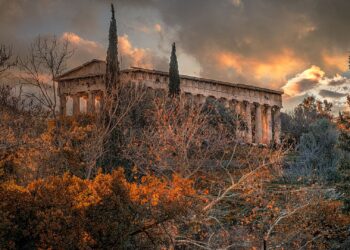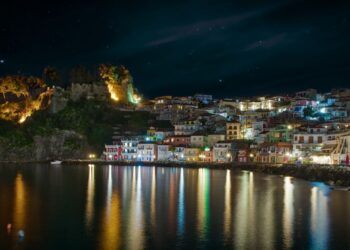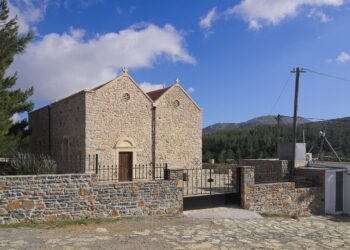
The Peloponnese is the part of Greece that nobody plans first and everybody wishes they had planned longer. Connected to the mainland by a narrow isthmus — now dramatically sliced by the Corinth Canal — this peninsula packs more archaeological weight, coastal variety, and mountain scenery into a single driving loop than almost anywhere else in Europe. A road trip here means standing where Olympic athletes once competed, walking through a Byzantine city frozen in time, and ending the day on a beach that Homer may have described three thousand years ago.
What makes the Peloponnese particularly well suited to a road trip is its geography. The main motorway from Athens reaches Kalamata in under two hours, but step off that highway and the landscape changes sharply — winding mountain roads through Arcadian villages, coastal stretches above the Mani’s tower-dotted shores, and flat agricultural plains around Ancient Olympia. You can build a loop that starts and ends in Athens, threading through five UNESCO World Heritage Sites and some of the most varied terrain in Greece, all without needing a ferry or a domestic flight.
This guide covers everything you need to plan that trip: the best route, realistic driving times, the stops worth your limited days, and the practical decisions — from when to go to how much fuel will cost — that most guides leave vague.
| Best for | History, archaeology, driving, coastal scenery, off-island Greece |
| Ideal duration | 7–12 days for a full loop from Athens |
| Best months | April–June and September–October |
| Car essential? | Yes — public transport reaches only major towns |
| UNESCO sites on route | Mycenae, Epidaurus, Mystras, Olympia, and the Temple of Apollo Epicurius at Bassae |
| Road difficulty | Motorways are excellent; mountain and coastal roads can be narrow and winding |
| Starting point | Athens International Airport — pick up a rental car and drive west |
Who This Trip Is For
A Peloponnese road trip suits travellers who want to see ancient Greece beyond Athens, who prefer self-directed days over group tours, and who are comfortable behind the wheel on unfamiliar roads. Couples and small groups tend to get the most from it, though families with older children will find plenty to hold everyone’s attention — particularly at Epidaurus, Olympia, and the Mani’s caves.
It is less suitable for travellers who dislike driving, who are looking primarily for beach-resort holidays, or who want the island atmosphere of the Cyclades or Ionian. The Peloponnese has beautiful coastline, but its identity runs deeper than its beaches. If your main goal is to swim and eat by the sea for a week, a single island will serve you better. If you want to understand Greece across four thousand years of history while eating exceptionally well, this is the trip.
When to Go
The Peloponnese is at its best from late April through June and again from September to mid-October. Spring brings wildflowers across the mountains, comfortable temperatures for walking archaeological sites, and green landscapes that turn dry and brown by July. Autumn offers warm sea temperatures — often above 24°C well into October — golden light, and the post-summer quiet that makes taverna owners more generous with their time and conversation.
July and August are hot, particularly inland. Temperatures in Sparta, Tripoli, and Olympia regularly exceed 35°C, which makes climbing through Mystras or Mycenae genuinely unpleasant after mid-morning. Accommodation prices peak, and while the Peloponnese receives far fewer international visitors than the islands, Greek domestic tourism brings crowds to Nafplio, Monemvasia, and the Mani coast during August. If summer is your only option, start site visits early, schedule driving for the cooler hours, and book your accommodation well in advance.
Winter driving is possible and appealing for history-focused travellers who do not need swimming. Most archaeological sites remain open year-round, though with shorter hours (typically 08:30–15:30 from November to March). Mountain roads may see occasional snow above 1,000 metres, and some guesthouses in smaller villages close between November and March.
Getting Started: Car Rental and the Road South
Most travellers pick up a rental car at Athens International Airport and drive directly to their first Peloponnese stop, bypassing the city entirely. The motorway from the airport reaches the Corinth Canal in roughly seventy-five minutes, and from there the A7 continues south to Tripoli and eventually Kalamata. Tolls on this stretch are modest — typically under five euros per booth — and all booths are staffed, accepting cash, cards, and contactless payments.
A small car is sufficient for most of the trip. You will not need a four-wheel drive, though an automatic transmission is worth the small premium if you are unfamiliar with European manual cars. Full insurance with zero excess is strongly recommended — not because the roads are dangerous, but because stone walls, tight village lanes, and gravel shoulders can produce the kind of minor scratches that become expensive arguments at the rental counter. Fuel costs approximately €1.75–1.95 per litre for unleaded petrol as of mid-2026, and a full Peloponnese loop typically consumes between 100 and 160 litres depending on your route and driving style.
One practical note: do not plan to drive through central Athens. Traffic is dense, street parking nearly impossible, and the city’s one-way system will test your patience. If you want to explore Athens before or after your road trip, do it without a car and pick up or drop off your rental at the airport. Our Athens travel guide covers the city in detail.
The Route: A Loop Through Four Thousand Years
From the Corinth Canal to the columns of Olympia, with Venetian fortresses, Byzantine cities, and Homeric beaches in between. The stops below follow a natural counter-clockwise loop from Athens, but the route works equally well in reverse.
The Corinth Canal and Ancient Corinth
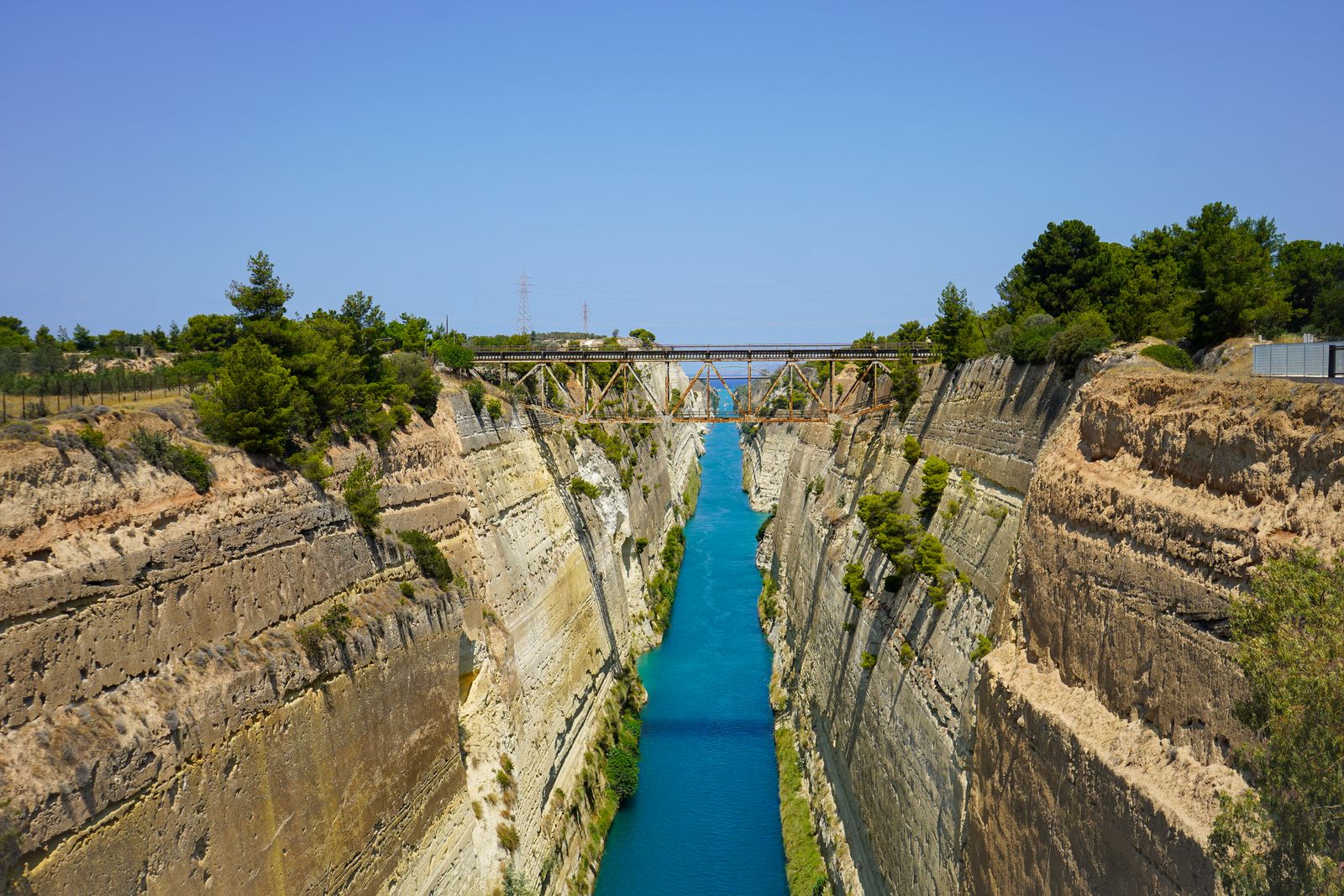
The Corinth Canal is where most Peloponnese road trips begin — not because there is a great deal to do here, but because it is worth a ten-minute stop to peer over the railing at the improbable cut below. The canal is just over six kilometres long and barely twenty-three metres wide, sliced through solid rock to a depth of roughly seventy metres. Roman Emperor Nero began the project in the first century AD; modern engineers finished it in 1893. Ships still pass through, though the narrow channel is too tight for most modern vessels.
Ancient Corinth, a short detour south of the canal, rewards a visit of one to two hours. The site preserves seven standing Doric columns of the Temple of Apollo, dating to around 550 BC, alongside extensive Roman-era remains including baths, a theatre, and the bema where — according to the New Testament — the Apostle Paul was tried. Admission is approximately €15. The museum on site is compact but well-curated.
Nafplio and the Argolid
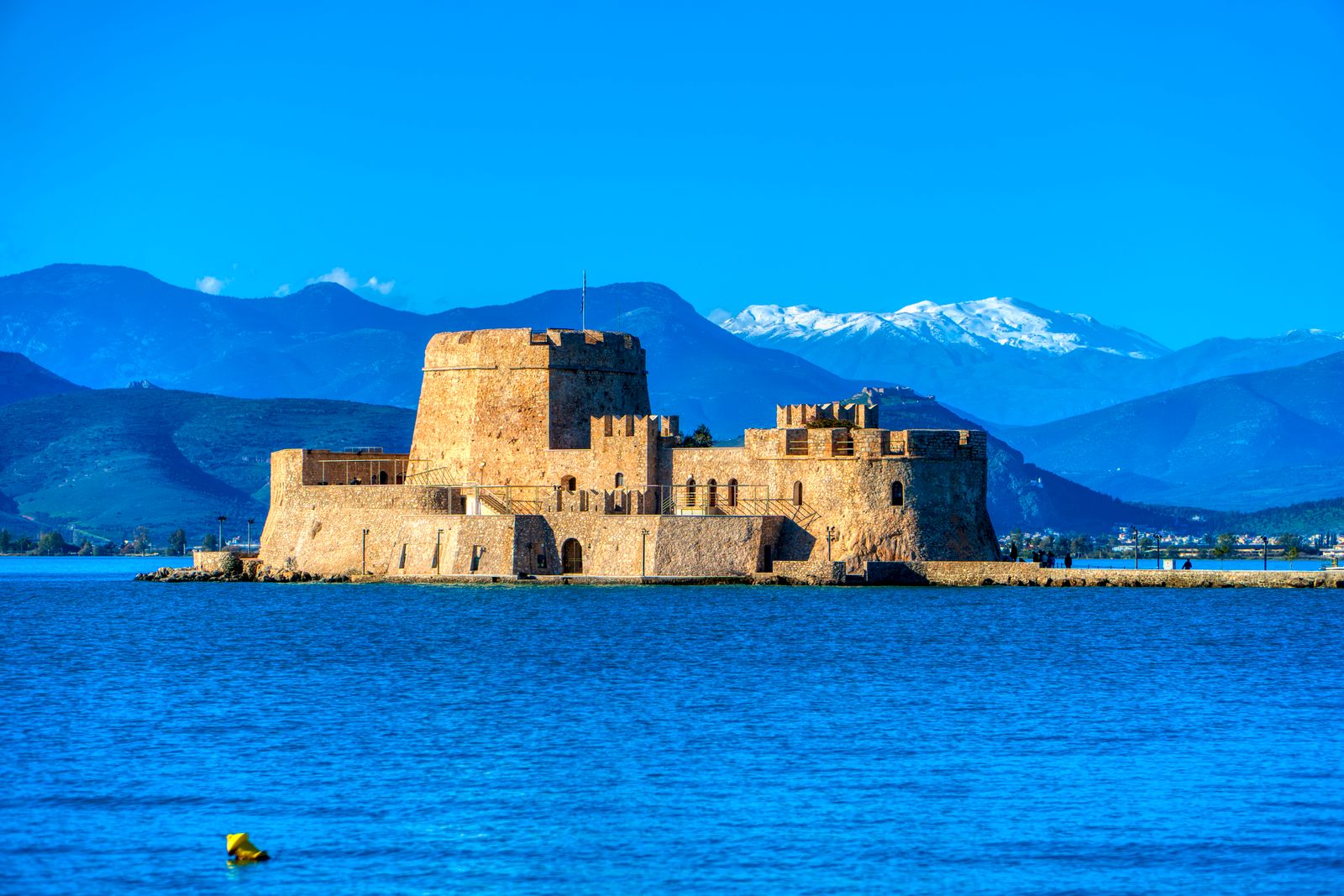
Nafplio is the natural first overnight stop and the best base for exploring the Argolid’s archaeological heavyweights. The town itself is worth at least a full evening — its old town mixes Venetian and Ottoman architecture along pedestrianised lanes that lead down to a waterfront lined with fish tavernas. The Palamidi Fortress, reached by climbing 999 stone steps or driving to the top, offers sweeping views across the Argolic Gulf. If you have the energy for the climb, go late in the afternoon when the heat drops and the light turns warm.
From Nafplio, two essential day trips define the Argolid. For a detailed look at what makes the town itself worth several nights, see our Nafplio travel guide.
Mycenae
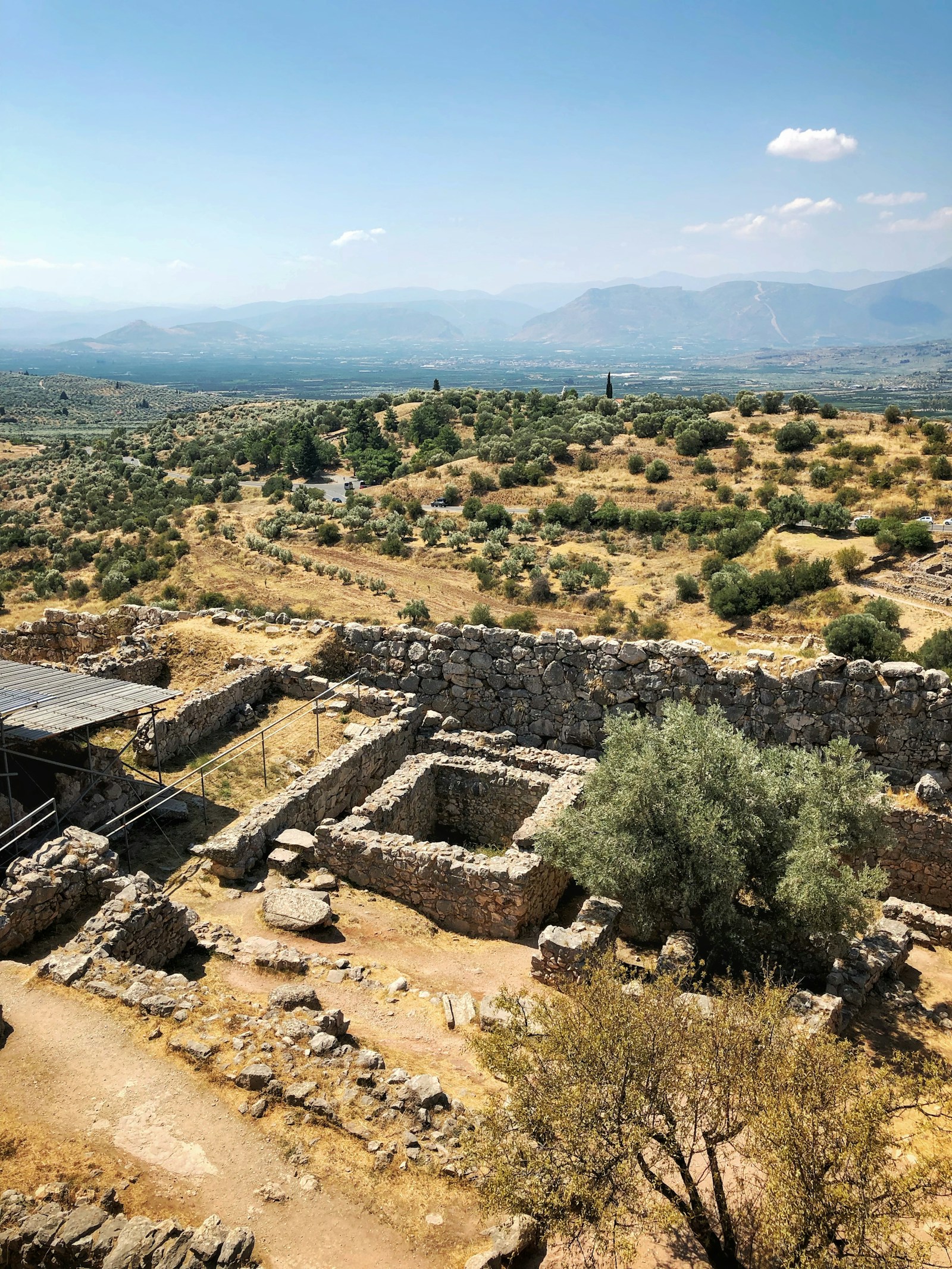
Mycenae lies about thirty minutes north of Nafplio and is the kind of site that rewards some reading before you arrive. This was the seat of Agamemnon in Homer’s telling, the centre of a civilisation that dominated the Greek world between roughly 1600 and 1200 BC. The Lion Gate — one of Europe’s oldest monumental sculptures — still stands at the entrance. The Treasury of Atreus, a massive tholos tomb with a stone lintel weighing over 120 tonnes, is a few hundred metres downhill and should not be missed. Budget approximately two hours for the site, museum, and tomb. Admission is around €20.
Epidaurus
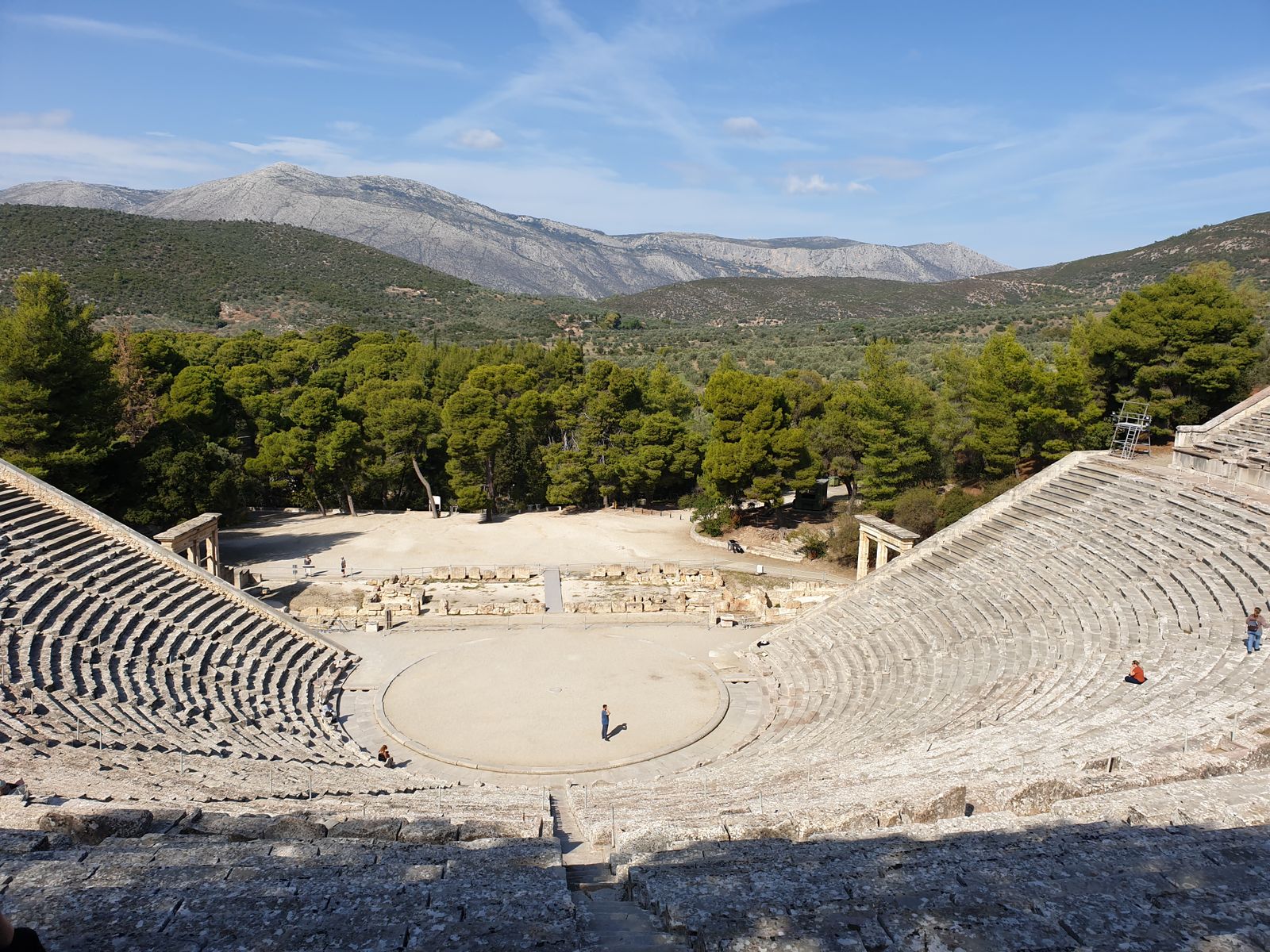
The ancient theatre at Epidaurus, about forty minutes east of Nafplio, is famous for a reason that only makes sense once you experience it in person: its acoustics. Standing at the top row, you can hear a coin dropped on the stone stage below. Built in the fourth century BC and seating roughly 14,000, it is one of the best-preserved ancient theatres in the world and still hosts performances during the Athens and Epidaurus Festival each summer, typically from late June to August. If your visit coincides with the festival season, an evening performance here — ancient Greek drama in its intended setting — is among the most memorable cultural experiences available in Greece. Admission to the site is approximately €20.
South to Mystras and the Taygetos Crossing
Leaving Nafplio, the route heads south through the Argolid and into Laconia. The drive to Sparta takes roughly one hour and forty minutes on the main road via Tripoli, or longer if you choose the more scenic coastal route through Astros and Leonidio. Either way, your destination is not Sparta itself — modern Sparta has limited appeal beyond a brief stop at the statue of Leonidas — but the UNESCO-listed ruins of Mystras, six kilometres to the west.
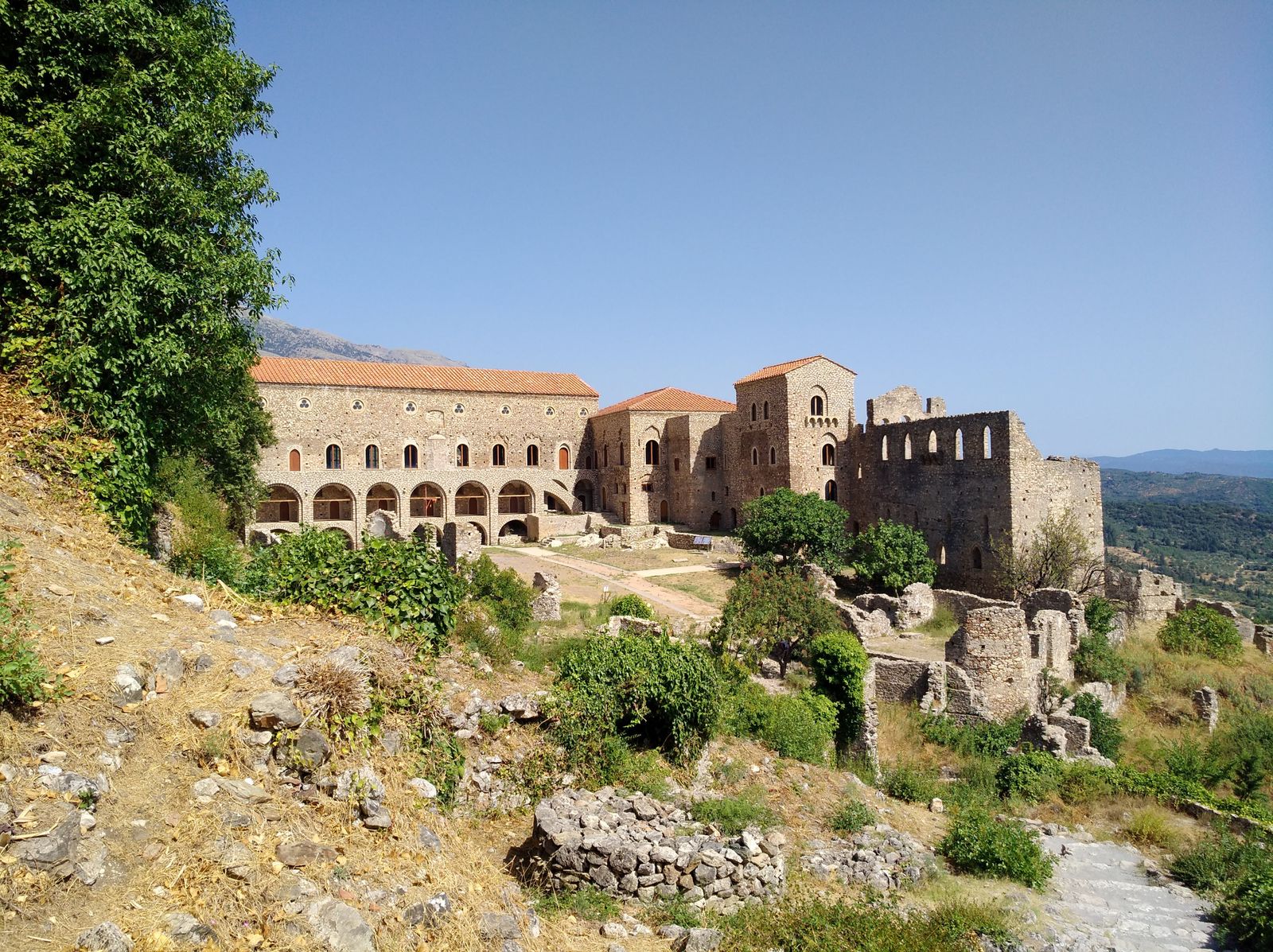
Mystras was once a city of 20,000 people and the last major capital of the Byzantine Empire before Constantinople fell in 1453. The site sprawls across a steep hillside, with churches containing some of the finest Byzantine frescoes in Greece, a Frankish castle at the summit, and the Despot’s Palace halfway up. The scale is genuinely impressive, but so is the physical demand — expect two to three hours of steep walking on uneven stone paths. Bring water, wear sturdy shoes, and consider starting from the upper gate and working downward. Summer admission is €20, reduced to €10 from November to March.
From Mystras, you have a choice. The road west crosses the Taygetos mountain range to reach Kalamata — a dramatic drive through hairpin bends and forested slopes that takes roughly seventy-five minutes but feels much longer. Alternatively, you can head south through Sparta to Gythio and then along the eastern coast of the Mani peninsula, which connects more naturally to the next two stops.
Monemvasia
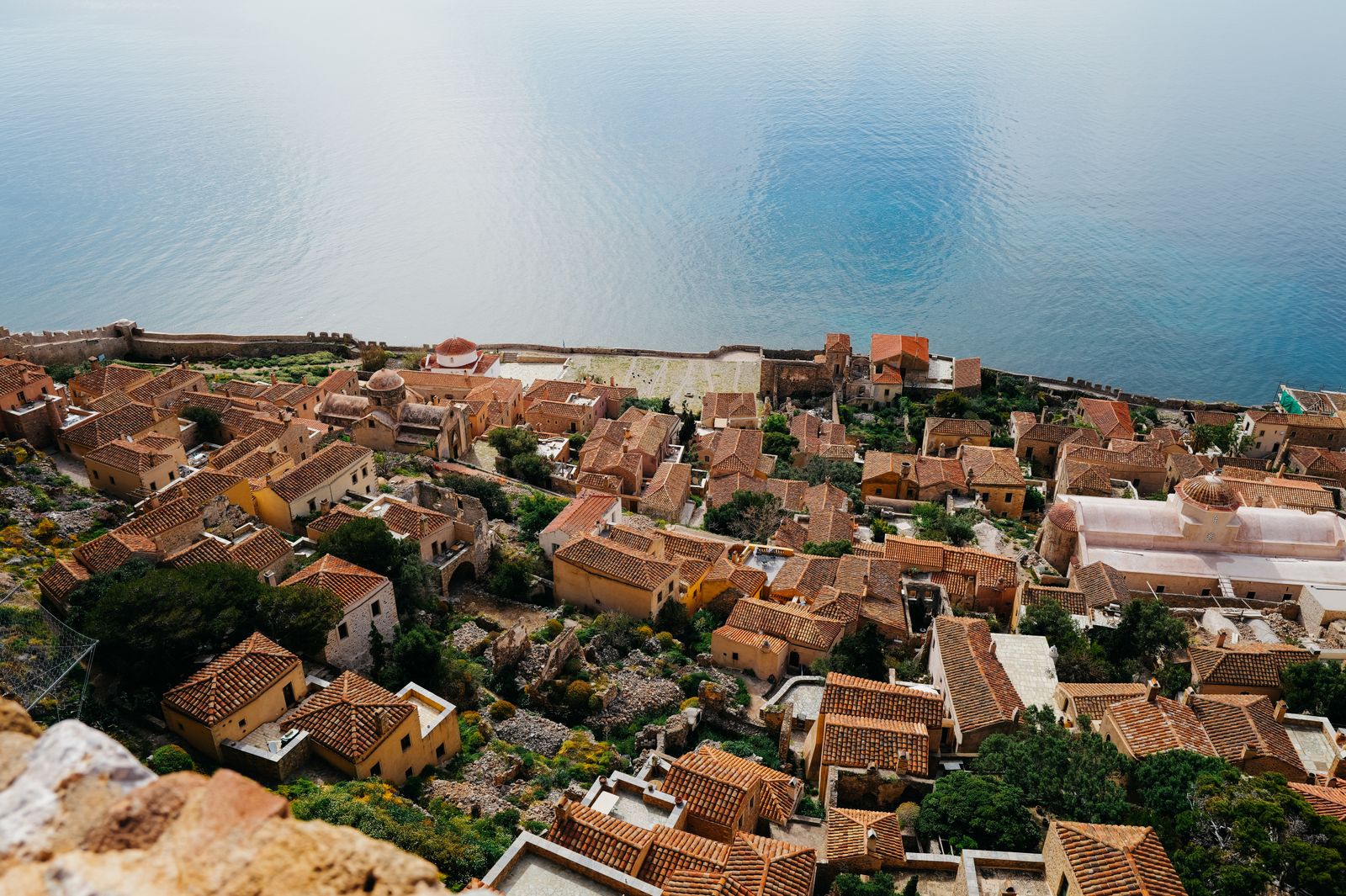
If you take the eastern route from Sparta, Monemvasia is roughly two and a half hours south along a road that winds through quiet Laconian countryside before reaching the coast. The town is built on the eastern side of a vast, sheer-walled rock rising from the sea, connected to the mainland by a narrow causeway. From a distance, you see nothing — the entire lower town is hidden behind the rock, revealed only after you park outside and walk through the medieval gate.
Inside, car-free cobbled lanes thread between Byzantine churches, Venetian mansions, and small galleries. The atmosphere in the early morning and evening, once the day-trippers leave, is unlike anywhere else in Greece. An overnight stay is strongly recommended. The climb to the upper citadel takes roughly thirty minutes and is steep, but the views across the Myrtoan Sea are worth the effort. For a thorough guide, see our Monemvasia travel guide.
The Mani Peninsula
From Monemvasia, the road runs west through Gythio — a pleasant small port town worth a lunch stop — and then south into the Mani, the middle peninsula of the Peloponnese’s three southern fingers. This is Greece at its most austere and compelling: stone tower-houses built by feuding clans, bare rocky landscapes dropping to cobalt-blue water, and villages where the permanent population rarely exceeds double figures.
The Diros Caves, just south of Areopoli, offer a twenty-five-minute underground boat ride through a flooded cave system that is genuinely spectacular. Further south, the abandoned tower village of Vathia and the road to Cape Tainaron — considered the southernmost point of mainland Greece and, in mythology, an entrance to the underworld — make for a powerful half-day excursion. Kardamyli, on the western Mani coast, offers a more relaxed atmosphere with good swimming beaches and walks into the Vyros Gorge. The British writer Patrick Leigh Fermor chose Kardamyli as his home for decades, and the quality of the light and the pace of life explain why.
Our full Mani Peninsula guide covers Deep Mani, the caves, and the coast in detail.
Messenia: Voidokilia, Pylos, and the Western Coast
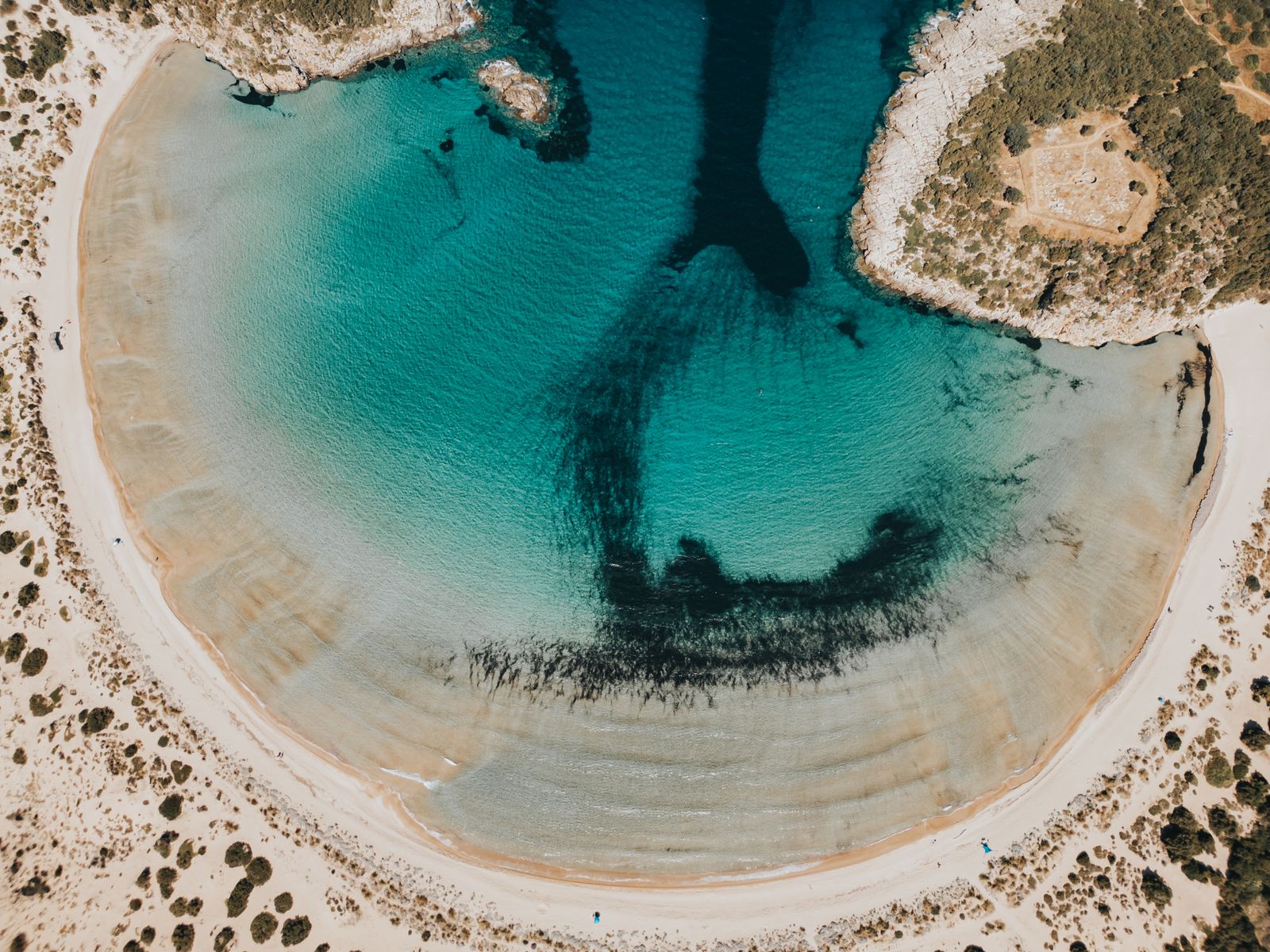
Continuing north from Kardamyli through Kalamata and along the western coast, you reach the Messenia region — arguably the most underrated corner of the Peloponnese for travellers who want to combine history with serious beach time. The highlight is Voidokilia, a perfectly semicircular bay of golden sand approximately twelve kilometres north of Pylos. The beach is unorganised and backed by dunes that separate it from the Gialova Lagoon, a Natura 2000 wetland important for birdwatching. Above it sit the ruins of the thirteenth-century Castle of Navarino.
Pylos itself is a handsome waterfront town overlooking Navarino Bay, the site of a decisive 1827 naval battle during the Greek War of Independence. The Venetian fortress of Niokastro, just south of town, is well-preserved and worth an hour. Nestor’s Palace, the best-preserved Mycenaean palace in Greece, lies about fifteen kilometres north-east and provides an interesting counterpoint to the fortress architecture of Mycenae.
South of Pylos, the twin Venetian fortress towns of Methoni and Koroni are both worth a stop. Methoni’s castle is particularly striking — a vast fortification occupying an entire headland, connected to a small octagonal sea tower by a stone bridge. You can walk the walls, swim from the beach beside them, and have the place largely to yourself outside August.
Ancient Messene, about twenty-five kilometres north of Kalamata at the foot of Mount Ithome, is one of the most rewarding archaeological sites in the Peloponnese and still surprisingly unknown to most international visitors. The fortification walls stretch for nine kilometres, and the stadium, theatre, and Sanctuary of Asclepius are remarkably well preserved. Budget at least three hours. Admission is approximately €15.
Ancient Olympia
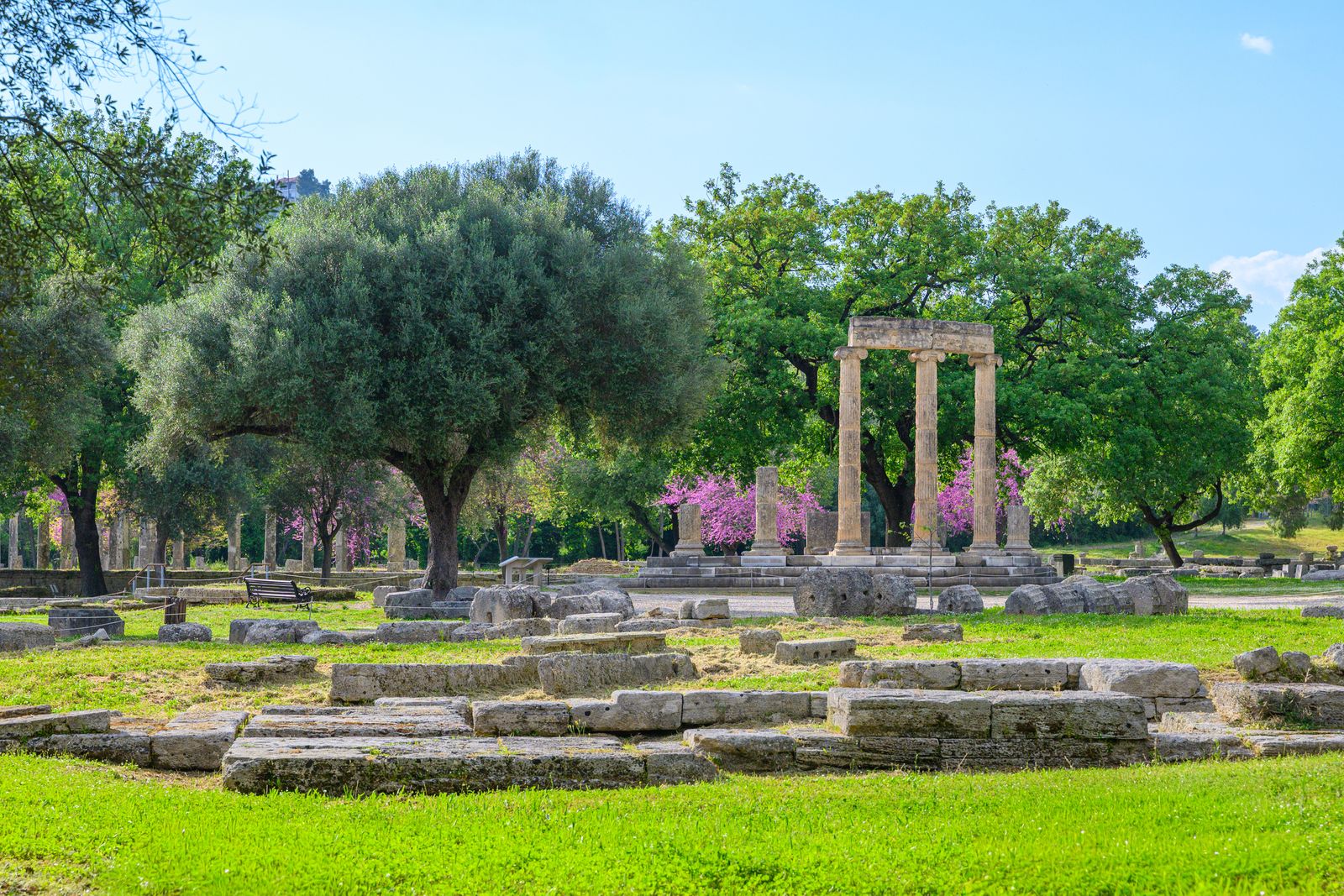
From Messenia, the drive to Ancient Olympia takes roughly two and a quarter hours along roads that pass through olive groves and small agricultural towns. Olympia itself is a quiet village that exists almost entirely to serve visitors to the archaeological site and its two excellent museums.
The site of the original Olympic Games, held here from 776 BC for over a millennium, covers a wooded area at the confluence of two rivers. The ruins of the Temple of Zeus — which once housed one of the Seven Wonders of the Ancient World — the athletes’ training grounds, the original stadium entrance, and the workshop of Phidias are all within walking distance of each other. The Archaeological Museum holds some of the finest sculpture in Greece, including the monumental pediment groups from the Temple of Zeus. Allow three to four hours for the site and both museums. Admission is approximately €20.
For deeper coverage, including the museums and practical tips, see our Ancient Olympia guide.
From Olympia, you can return to Athens via the motorway through Patras (approximately three and a half hours) or loop through Arcadia for one final stretch of mountain driving.
Optional Detour: Arcadia’s Mountain Villages
If your schedule allows an extra day or two, the mountain villages of Arcadia — particularly Dimitsana and Stemnitsa — offer a complete change of scenery from the coastal and archaeological focus of the rest of the trip. Dimitsana sits at about 950 metres above sea level above the Lousios Gorge, its stone houses cascading down a steep slope. The Open-Air Water Power Museum, just below the village, explains how water once powered mills, tanneries, and gunpowder workshops — the village played a significant role in the Greek War of Independence by supplying gunpowder to revolutionary forces.
Stemnitsa, eight kilometres away and slightly higher at 1,083 metres, is equally beautiful and quieter. The Menalon Trail, a well-marked 75-kilometre hiking route, passes through both villages and down through the Lousios Gorge, where the cliffside monasteries of Prodromos and Philosophos cling to the rock face. Even a short section of this trail gives a strong sense of a Greece that most visitors never encounter.
Planning Your Days
Two suggested itineraries — a focused seven-day loop and a more relaxed ten-day version that adds Messenia and Arcadia. Both start and end in Athens.
Suggested Itineraries
Seven-Day Peloponnese Loop
| Day | Route | Drive | Highlights |
|---|---|---|---|
| 1 | Athens Airport → Nafplio | ~150 km, 2 h | Corinth Canal stop, Ancient Corinth, evening in Nafplio old town |
| 2 | Nafplio base | ~80 km round trip | Mycenae, Epidaurus, Palamidi Fortress |
| 3 | Nafplio → Mystras → Monemvasia | ~280 km, 4 h | Mystras Byzantine ruins, arrive Monemvasia evening |
| 4 | Monemvasia → Mani | ~140 km, 2.5 h | Monemvasia morning, Gythio, Diros Caves, Areopoli |
| 5 | Mani → Kardamyli → Kalamata | ~120 km, 2.5 h | Deep Mani, Vathia, Cape Tainaron, Kardamyli beach |
| 6 | Kalamata → Olympia | ~170 km, 2.5 h | Ancient Olympia site and museums |
| 7 | Olympia → Athens | ~300 km, 3.5 h | Return via Patras motorway, airport drop-off |
Ten-Day Extended Route
Add three more days to include Messenia and Arcadia:
| Days | Addition | What it adds |
|---|---|---|
| 5–6 | Pylos and Messenia (2 nights) | Voidokilia Beach, Methoni castle, Nestor’s Palace, Ancient Messene |
| 8 | Arcadia mountain villages (1 night) | Dimitsana, Stemnitsa, Lousios Gorge monasteries, mountain scenery |
The ten-day version is the more satisfying trip. It avoids the feeling of rushing between sites and gives Messenia — which many road-trip guides skip entirely — the time it deserves.
Driving Conditions and What to Expect
The main motorways in the Peloponnese are modern, well-maintained, and often surprisingly empty south of Corinth. The A7 from Corinth through Tripoli to Kalamata is a genuine motorway with dual carriageways, crash barriers, and clear signage. Tolls are charged at several points, typically ranging from €2 to €5 per booth. All booths are staffed and accept cash, cards, and contactless payments.
Off the motorway, conditions change. The secondary and coastal roads are sealed and generally in decent condition, but they can be narrow, winding, and steep — particularly in the Mani, across the Taygetos mountains between Sparta and Kalamata, and through Arcadia. These roads are not dangerous if you drive at a sensible pace, but they do require attention. Expect oncoming traffic on blind corners, occasional agricultural vehicles, and the ever-present possibility that a Google Maps estimated driving time of ninety minutes actually means two hours when you factor in the curves, the views you will want to stop for, and the goats in the road.
Parking in towns is generally straightforward outside peak season. Nafplio can be challenging in July and August — arrive early or park on the outskirts and walk. Monemvasia has a dedicated car park outside the gate; no vehicles enter the old town. At archaeological sites, parking is free and usually within a short walk of the entrance.
Budget Overview
The Peloponnese is significantly cheaper than the Greek islands for accommodation, food, and transport. A rough daily budget for two people, staying in mid-range guesthouses and eating at local tavernas, might look something like this:
| Accommodation | €60–120 per night for a double room (shoulder season); €100–180 in peak summer |
| Car rental | €25–50 per day including insurance (varies sharply by season and supplier) |
| Fuel | €80–150 for a full loop, depending on route and vehicle |
| Tolls | €15–30 total for a typical route |
| Archaeological sites | €15–20 per site; budget €60–100 for a full trip |
| Food | €30–50 per person per day for two main meals and coffee |
Prices should be confirmed directly before your trip, particularly for car rental and accommodation during peak periods. These estimates reflect mid-2026 conditions and may change.
Common Mistakes to Avoid
Trying to see everything in five days. The distances look manageable on a map, but the mountain roads, the time spent at sites, and the difficulty of driving away from a good lunch mean you will consistently need more time than you planned. Seven days is a comfortable minimum for a focused loop; ten days allows a genuinely relaxed pace.
Skipping Mystras. Many travellers drive straight from Nafplio to Monemvasia and miss the most important Byzantine site on the peninsula. Mystras takes only two to three hours to visit and lies directly on the route south. It is worth the stop.
Underestimating the Mani roads. The drive from Gythio south to Cape Tainaron and back, or from Areopoli across to Kardamyli, involves narrow roads with frequent hairpin turns. These are scenic and safe at sensible speeds, but they are not fast. Allow extra time and do not plan these drives after dark.
Ignoring Messenia entirely. Most Peloponnese road-trip guides focus on the Argolid, Sparta, and Olympia. Messenia — Voidokilia, Ancient Messene, Methoni — is genuinely one of the best parts of the trip. It requires a slightly longer route, but the payoff is substantial.
Booking accommodation too late in August. While the Peloponnese is less crowded than the islands, popular bases like Nafplio, Monemvasia, and Kardamyli do fill up in late July and August, particularly on weekends when Greek domestic travellers arrive from Athens.
How Many Days Do You Need?
The answer depends on what you want from the trip. The table below offers a rough guide:
| Duration | Pace | What you can cover |
|---|---|---|
| 5 days | Fast, tiring | Argolid (Nafplio, Mycenae, Epidaurus), Mystras, and Olympia — skip the south |
| 7 days | Comfortable | Full loop including Monemvasia, the Mani, and Olympia |
| 10 days | Relaxed | Full loop plus Messenia (Voidokilia, Methoni, Ancient Messene) and Arcadian villages |
| 14 days | Slow, thorough | Everything above with time for beaches, hikes, and unplanned detours |
Before You Go
A few final planning notes that can save time and frustration:
- Download offline maps for the Peloponnese before you leave. Mobile signal is patchy on mountain roads and in the Mani.
- Archaeological sites generally close earlier in winter (15:30) and later in summer (19:30 or 20:00). Monday openings vary — Mycenae, for example, opens at 12:00 on Mondays during summer. Check official hours before driving to a site.
- Bring layers even in summer if you plan to visit Arcadia. Temperatures at 1,000 metres are noticeably cooler than on the coast.
- Carry cash for toll booths and smaller villages where card terminals may not be available. Larger towns and petrol stations accept cards widely.
- If you are combining a Peloponnese road trip with time in Athens, consider doing Athens first — parking a car in Athens is an unnecessary headache. Pick up the rental after you leave the city.
The Peloponnese does not compete with the islands for clear-water swimming or whitewashed villages, and it does not try to. What it offers instead is depth — the kind of travel where every day brings a different century, a different landscape, and a different answer to the question of what Greece actually is. A week of driving here will reshape your understanding of the country, and you will almost certainly want to come back.
This article was researched and verified as of July 2026. Prices, opening hours, road conditions, and seasonal availability may change. We recommend confirming practical details directly with official sources before your trip.