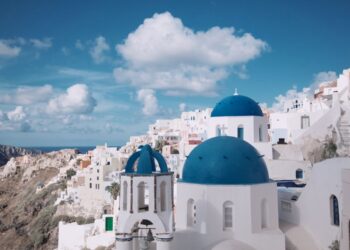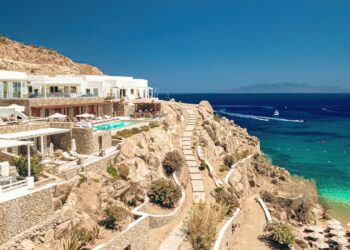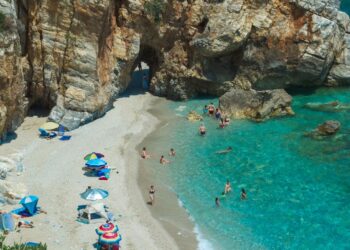
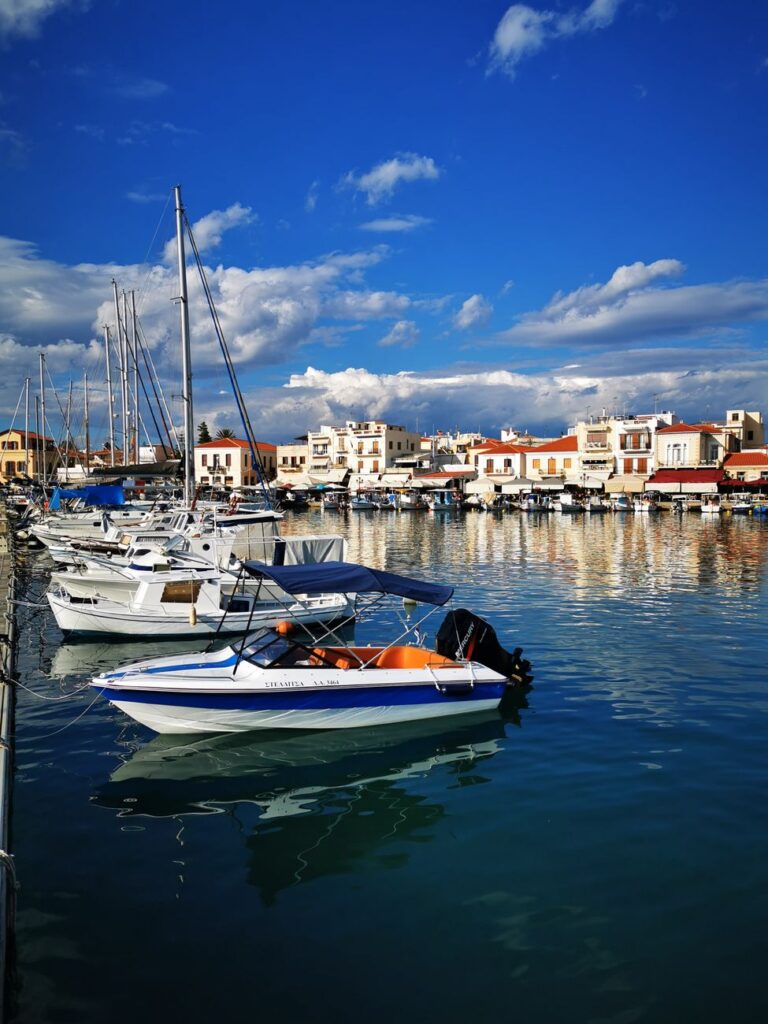
Aegina doesn’t try very hard, and that’s precisely the point. Forty minutes off the coast of Piraeus, this triangular lump of extinct volcano has spent the last century being Athens’ pressure valve — the place a taxi driver from Kypseli or a shopkeeper from Plaka goes to shed the city for a weekend, without getting on a plane or queuing for a five-hour ferry to somewhere more famous. It has an ancient temple that rivals anything on the mainland, a saint whose tomb draws pilgrims from three continents, and pistachio trees that locals defend with the kind of seriousness other regions reserve for wine.
None of this is exactly secret. Aegina appears on plenty of day-trip itineraries, usually squeezed between Poros and Hydra on a coach tour that gives you ninety minutes and a gift shop. That’s a shame, because Aegina rewards a proper two or three days far better than most of the Cyclades reward a rushed one. This guide covers the island’s ancient rivalry with Athens, the temple that’s still standing to prove it, the pistachio economy that quietly runs the place, and the practical business of getting there, staying there and eating well while you do.
Aegina spent five centuries as the sea power Athens couldn’t beat, and it has spent the century since being the island Athens can’t stay away from.
A Short History of a Very Long Rivalry
Aegina sits in the Saronic Gulf, part of the Islands regional unit within the wider Attica region — officially a satellite of Athens, though for much of antiquity it was Athens’ problem. Long before the Parthenon existed, Aegina was a maritime power in its own right, trading across the Aegean and, by around 700 BC, minting some of the first coins to circulate anywhere in the Greek world. The Aeginetic stater carried the image of a sea turtle, a deliberate flex from an island whose entire identity was built on naval strength. When Athens finally broke Aegina’s fleet during the fifth century BC, the island swapped the sea turtle for a land tortoise on its coins — a downgrade so pointed it reads almost like a diplomatic cable.
That rivalry is the thread running through most of what you’ll see here. Herodotus wrote about it at length, tracing decades of naval skirmishes, trade embargoes and outright piracy between the two states, and while the details get technical, the upshot is simple: Aegina was never a minor island. It was a genuine rival to Athens for the better part of two centuries, which is more than can be said for most of the Aegean combined.
The island’s second brush with major history came in 1828, when the newly independent Greek state needed a capital and Nafplio wasn’t quite ready. Aegina got the job first, briefly running the affairs of an entire country from its harbourfront before the government moved on to Nafplio and eventually Athens. It lasted barely a year, but locals still mention it with a shrug that says we’ve done bigger things than being a day trip.
The Temple of Aphaia and the Sacred Triangle
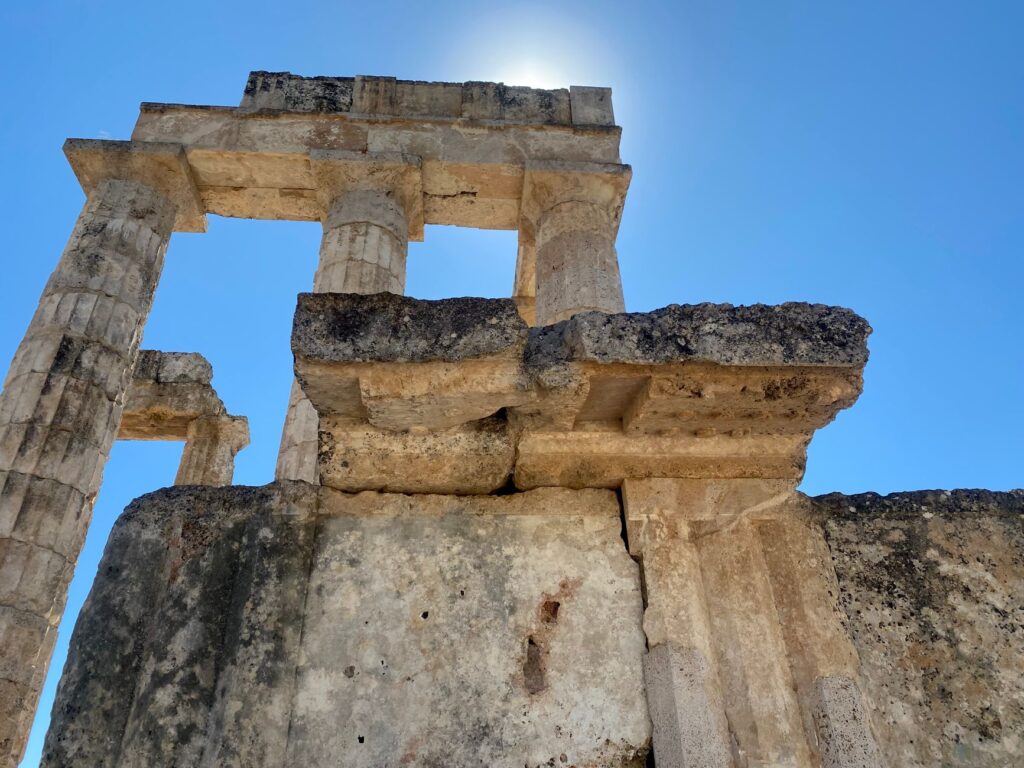
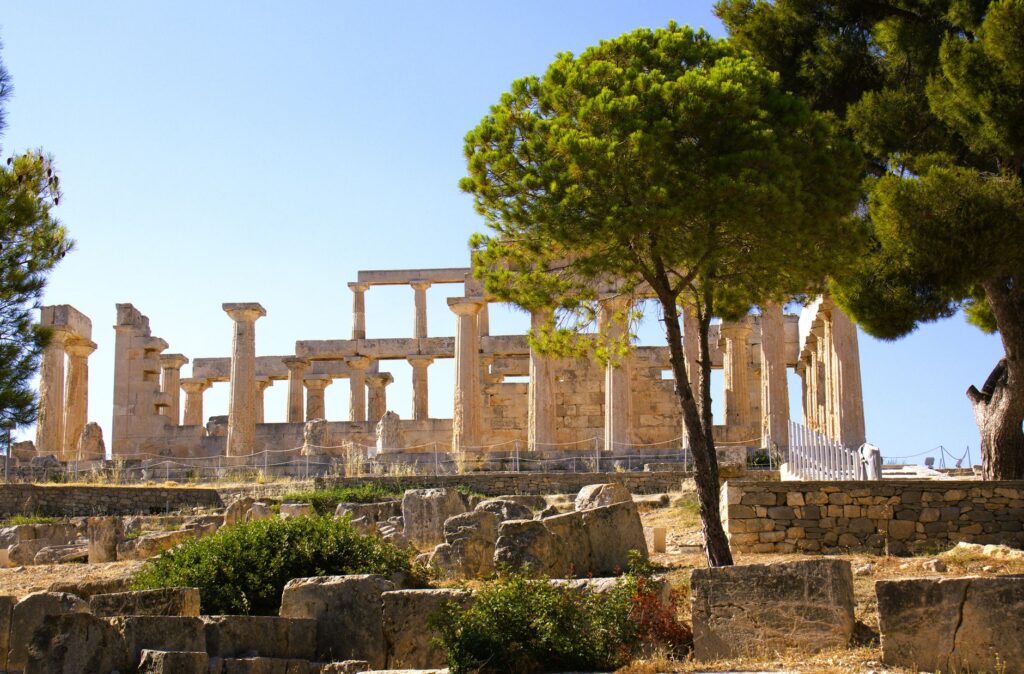
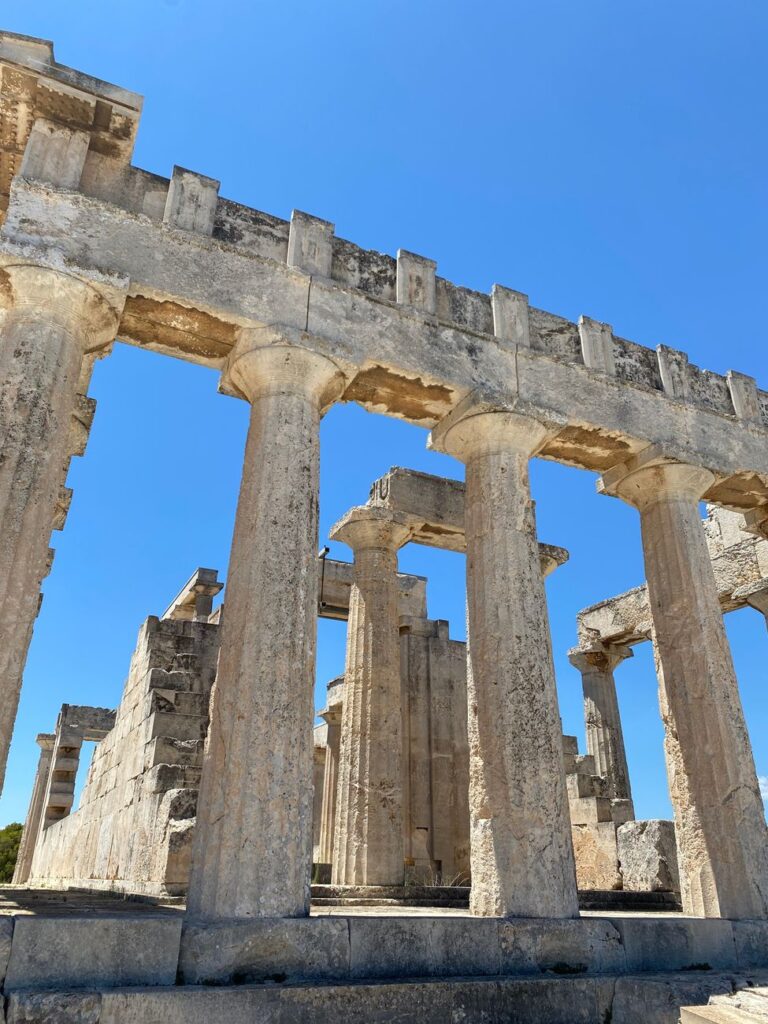
The single best reason to leave the harbour is the Temple of Aphaia, a Doric temple built around 500 BC on a pine-covered ridge above Agia Marina, roughly 13km from Aegina Town by road. It’s dedicated to Aphaia, a local goddess worshipped almost exclusively on this island and closely tied to the landscape around her — forests, hills, hidden places, the sort of geography Aegina has in abundance.
What makes the temple worth the drive isn’t scale. It’s smaller and quieter than the Parthenon, without the crowds or the scaffolding that seems permanently attached to Athens’ more famous ruins. Many of its columns are still standing, and on a clear day you can see across the Saronic Gulf to the Acropolis itself — which means there was a stretch of history when a visitor could stand at one major Greek temple and see another one roughly 30km away. Along with the Parthenon and the Temple of Poseidon at Sounion, the Aphaia temple completes what’s sometimes called the sacred triangle, three sanctuaries positioned with what looks suspiciously like intent, though historians still argue about how deliberate the alignment really was.
Admission costs a modest few euros, with reductions for EU students and under-25s in season — it’s always worth checking the Ministry of Culture’s current pricing before you go, since these things shift. Give yourself at least an hour, more if you want to sit somewhere shaded and just look at the view, which is the correct way to experience this particular ruin.
The Saint Who Made Aegina a Pilgrimage Site
Ancient ruins aside, Aegina’s most visited site by far is the Monastery of Agios Nektarios, one of the largest Orthodox churches in the Balkans and the resting place of one of modern Greece’s most beloved saints. Nektarios of Aegina, born Anastasios Kefalas in Thrace in 1846, spent his final years on the island after resigning from a career in education and church administration in Athens. He lived simply at the Holy Trinity Convent, tending its gardens and hearing confessions, and died there in 1920. He was canonised by the Ecumenical Patriarchate in 1961 and is now venerated across the Orthodox world as a healer, drawing pilgrims from Russia, the Balkans, the Greek diaspora in America and Australia, and plenty of people who aren’t especially religious but are curious anyway.
The monastery itself is striking even if you have no interest in the theology — twin bell towers, a neo-Byzantine basilica with rows of arched windows, and a hillside setting that looks over much of the island’s interior. Dress modestly if you go inside (covered shoulders, no shorts), and try to visit outside the busiest pilgrimage days if you want any sense of quiet. It’s a working monastery with resident nuns, not a museum, and it’s worth remembering that while you’re there with a camera.
Where the Pistachios Come From
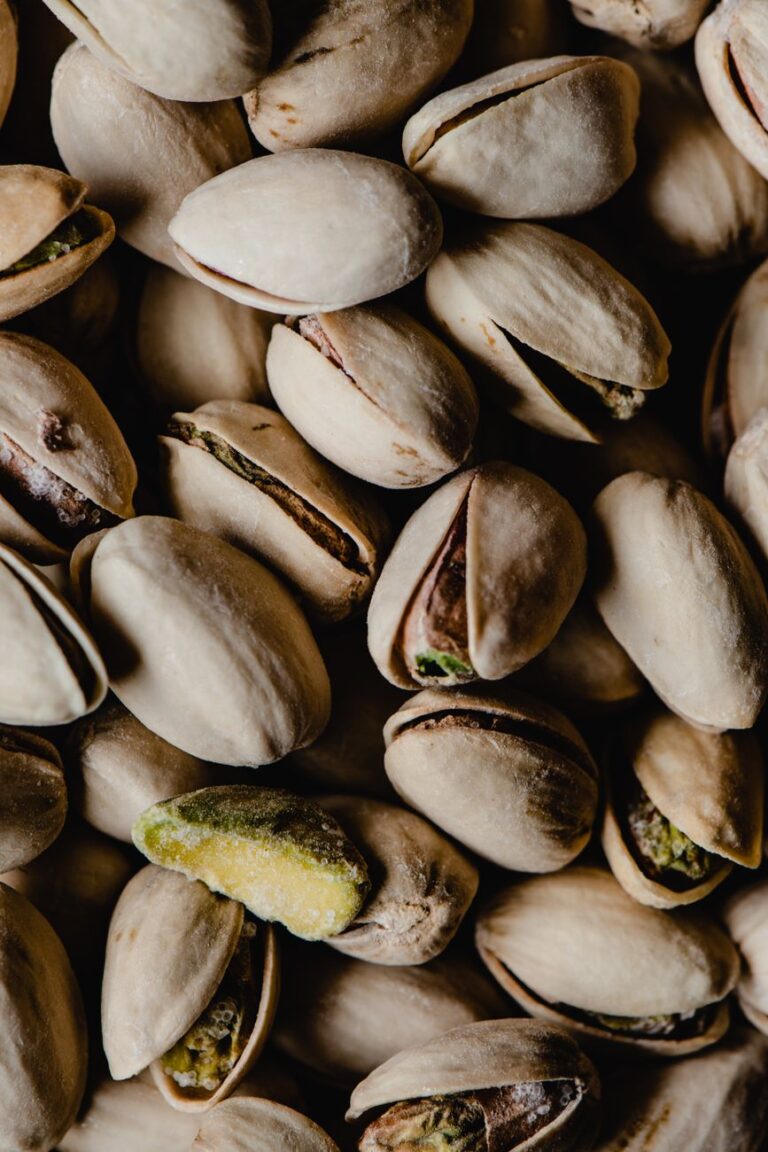
If the temple is Aegina’s history and the monastery is its soul, the pistachio is its economy. Cultivation here dates back to 1896, when a local doctor introduced the trees on a wider scale, and by the mid-twentieth century pistachios had displaced most of the island’s other agriculture, partly because they were more profitable and partly because phylloxera was wiping out the vineyards anyway. Today the island’s rocky, drought-prone terrain — exactly the conditions pistachio trees seem to enjoy — produces a nut protected under EU Protected Designation of Origin status since the mid-1990s, marketed as Fistiki Aeginis and considered by plenty of people who should know to be among the best pistachios grown anywhere.
You’ll see them everywhere: roasted and salted in paper cones from harbourfront stalls, folded into nougat and brittle, blended into pesto, even turned into ice cream. The island throws an entire festival in their honour, the Aegina Fistiki Fest, usually held in September at the end of harvest season along the Aegina Town waterfront — expect live cooking demonstrations, music, and stalls selling pistachio products that don’t exist anywhere else. If your trip lines up with it, it’s worth staying an extra night. For more on why late summer might be the smartest time to visit the Greek islands generally, our guide to September in Greece covers the wider seasonal case.
It’s worth saying plainly, though, that this tradition is under some pressure. Climate change, rising land prices and a shrinking pool of young farmers willing to take over family orchards have all been cited by producers on the island as genuine threats to the trade in recent years. Buying pistachios directly from island producers, rather than pre-packaged versions shipped elsewhere, is a small way of supporting a livelihood that isn’t guaranteed to last forever in its current form. If you like your travel with a side of agricultural nerdery, Aegina rewards it — in the same way our piece on Sifnos as a foodie island does for pottery and slow-cooked stews.
Aegina Town, Perdika, Agia Marina and Souvala
Aegina isn’t one town with some beaches attached. It’s a handful of distinct villages, each with a different pace, and choosing the right one shapes the whole trip.
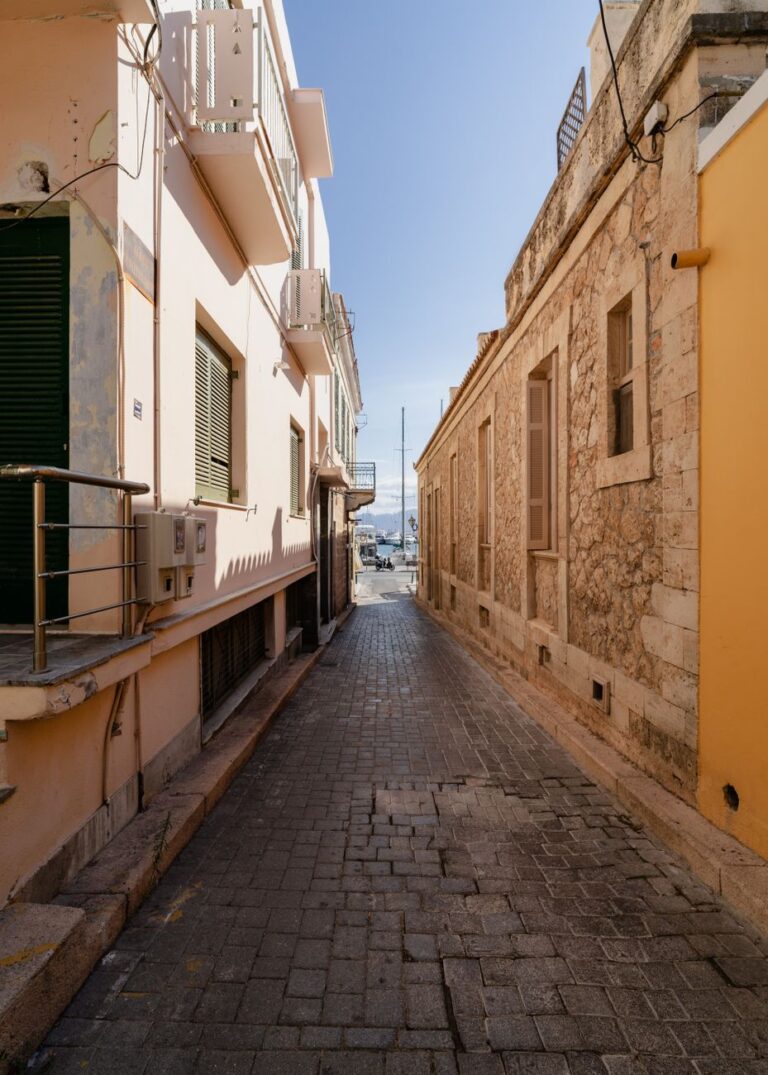
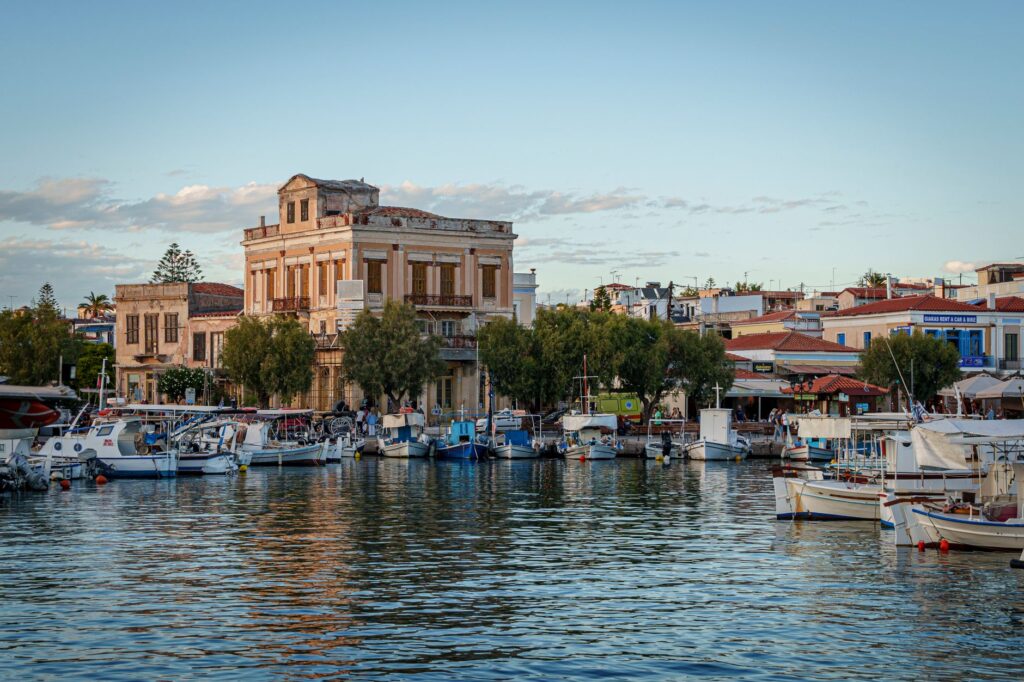
Aegina Town, the capital and main port, is where the neoclassical architecture, the fish market, the archaeological museum and most of the nightlife live. It’s the obvious base if you’re not driving and want everything within walking distance, and it’s also where the Fistiki Fest sets up each September.
Perdika, on the southwestern tip, is a proper fishing village that still dries octopus on lines outside the tavernas — a look that’s equal parts photogenic and genuinely functional. It’s quieter, has fewer dining options after dark, and is the departure point for boats to Moni islet.
Agia Marina, on the east coast, is the island’s main package-holiday beach resort, built up around a decent stretch of sand and positioned closest to the Temple of Aphaia. It’s the best base for families who want a beach within stumbling distance of the hotel.
Souvala, tucked away on the north coast, is the sleepiest of the four, known locally for thermal springs some believe help with skin conditions. It’s the choice for people actively trying to avoid other tourists.
| Village | Best For | Distance from Port |
|---|---|---|
| Aegina Town | No car, nightlife, the museum | At the port |
| Agia Marina | Families, organised beaches, the temple | About 13km |
| Perdika | Fishing-village atmosphere, Moni boats | About 9km |
| Souvala | Thermal springs, total quiet | About 14km |
Beaches and the Boat Trip to Moni
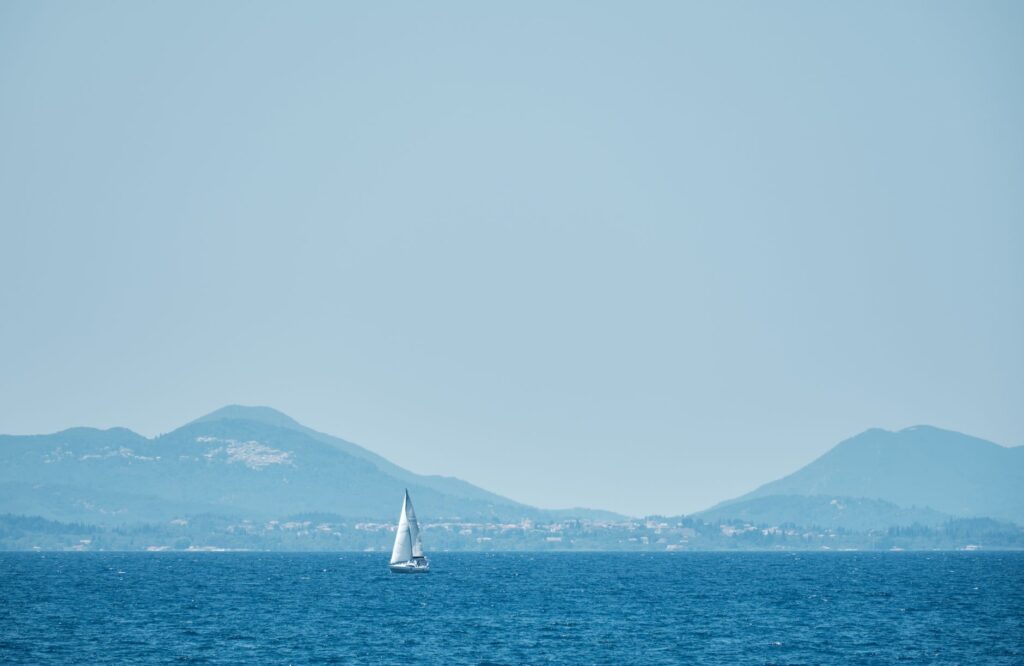
Aegina was never going to compete with the Cyclades on beach glamour, and it doesn’t try to. What it has instead are a handful of solid, workable beaches and one genuinely excellent day trip. Marathonas, just south of Aegina Town, has shallow water and enough sand to keep kids entertained, which makes it the natural pick for anyone travelling with a family — a theme our guide to the best family-friendly Greek islands explores more broadly. Agia Marina’s beach is bigger and busier, with the full complement of sunbeds and watersports. For something wilder, Vagia and Tourlos on the north coast get considerably fewer visitors and reward the drive with rockier, more private coves.
The real highlight, though, is the ten-minute boat crossing from Perdika to Moni, a small uninhabited islet with turquoise water, a scattering of semi-wild deer and peacocks, and a beach bar that somehow exists despite nobody living there. Boats run in summer only and the fare is a handful of euros each way — cheap enough that there’s no real reason to skip it if you’re already in Perdika. Beyond Moni, Angistri island sits a little further out and makes a viable add-on for those who want to string together a proper island-hopping day rather than a single stop.
Hiking Mount Oros and the Wild Interior
Two-thirds of Aegina sits on an extinct volcano, and the southern part of the island — rugged, largely uncultivated, dominated by Mount Oros at 531 metres — is where that geology shows. The hike up Oros isn’t technical or especially long, but it climbs steadily enough to feel like an actual walk rather than a stroll, and the payoff at the top is a panoramic view across the whole Saronic Gulf, Athens included on a clear day. Wear proper shoes rather than sandals; the path is loose stone in places and the heat builds fast once the sun’s up.
Away from the summit trail, the island’s stone-built mountain villages — Pachia Rachi chief among them — were the main settlements here until the 1950s and still retain some of that older, higher-altitude character. They’re a good antidote if the coastal villages start to feel too geared toward day-trippers, and they smell, in the right season, unmistakably of thyme and pine resin baking in the sun.
How to Get to Aegina
Getting here is, frankly, one of the easiest parts of any Greek island trip. Ferries leave from Gate E8 at Piraeus with genuinely startling frequency — in peak season there can be twenty or more sailings a day, effectively turning the route into a shuttle service rather than something you need to plan around. High-speed catamarans make the crossing to Aegina Town in around 40 minutes; slower conventional ferries take closer to 70 minutes to an hour and a quarter, but tend to be cheaper and carry vehicles. Seasonal high-speed services also run directly to Agia Marina (around 30 minutes) and Souvala (closer to an hour), which can save you a bus transfer if you already know where you’re staying.
Fares vary by operator and vessel type, but budget somewhere in the region of €15–25 one way for the faster boats and rather less for the slower conventional ferries – it’s worth comparing operators on the day, since prices and schedules shift with the season. The same Saronic Gulf network that serves Aegina continues on to Poros, Hydra and Spetses, so if you fancy stringing together a longer island-hopping route, our guide to Hydra’s car-free charm makes a natural next stop.
Getting Around the Island
Aegina Town’s bus station, a couple of hundred metres from the port, runs regular services to the main beaches and villages — Agia Marina in around half an hour, Souvala in about twenty minutes, Perdika in roughly twenty-five, with more frequent departures through the summer months. Fares are only a few euros per journey, and the routes are straightforward enough that you won’t need much Greek to work them out.
That said, a rented car or scooter opens up the island considerably, particularly the quieter northern beaches and the mountain villages that buses don’t reach. Roads are generally in decent condition, if narrow in places, and driving here is a much gentler introduction to Greek roads than, say, Crete’s mountain passes. Taxis exist but are limited in number, so booking ahead in high season is sensible rather than optional.
Where to Stay
Aegina Town suits short stays and anyone without a car, with the port, restaurants and museum all within walking distance, plus the best ferry connections if your schedule is tight. Agia Marina is the pick for a beach-first holiday, particularly with children, and puts you closest to the Temple of Aphaia for an early, pre-crowd visit. Perdika works for travellers who want a quieter, more traditional base with easy access to the Moni boats and don’t mind a slightly longer trip back into town for a wider choice of restaurants. Souvala is the outlier — genuinely peaceful, thermal springs on the doorstep, but with the least going on after dark. Whichever area you choose, book ahead for summer weekends: Athenians treat Aegina as their own backyard, and accommodation fills up fast from Friday afternoon.
What to Eat in Aegina
Seafood is the obvious starting point — the waterfront areas of Aegina Town and Perdika both have a strong concentration of tavernas serving the day’s catch, and it’s worth asking what came in that morning rather than ordering from memory. Look out for katsoules, a type of wrasse caught almost exclusively in the Saronic Gulf and something you won’t often find on menus elsewhere in Greece.
Beyond fish, pistachios turn up in places you wouldn’t necessarily expect — pesto, savoury dips, even folded into bread. Local producers also make honey (thyme and wildflower varieties are both common) and small-batch ceramics, both worth picking up if you’re the sort of traveller who likes bringing something home that didn’t come from an airport gift shop. Wash it all down with a glass of local Roditis, a light, food-friendly white that turns up on most decent wine lists here.
Best Time to Visit
Because Aegina is so easy to reach, it doesn’t have quite the same brutal midsummer crush as some of the further-flung islands, but July and August weekends still get busy with Athenian day-trippers and second-home owners. Late spring (May, early June) and early autumn (September, into October) offer a gentler pace, cooler hiking conditions on Mount Oros, and — if your timing lines up — the Fistiki Fest itself. Winter is genuinely quiet, with some tavernas and hotels operating reduced hours or closing altogether, but it’s an option for anyone who wants to see the Temple of Aphaia without another soul in sight.
Some islands ask you to travel a long way to earn their reward. Aegina just asks you to actually get off the boat.
Aegina will never have the marketing budget of Santorini or the Instagram ubiquity of Mykonos, and it seems entirely unbothered by that fact. What it offers instead is an island that ran its own affairs before Athens ever mattered, that briefly ran the whole of Greece, and that has spent the century since quietly perfecting the art of the pistachio. Forty minutes from Piraeus is a strange distance for somewhere this layered — close enough to visit on a whim, far enough to feel like you’ve actually left.
The information in this article was researched and verified as of July 2026. Prices, transport options, schedules, and conditions may have changed since publication — we recommend double-checking key details before your trip.