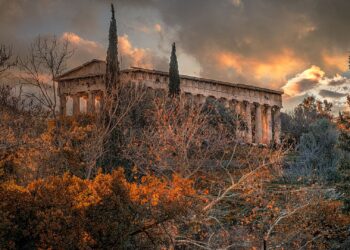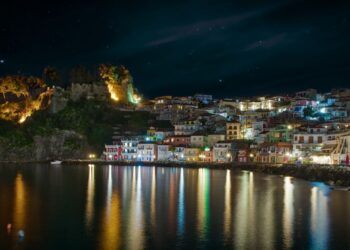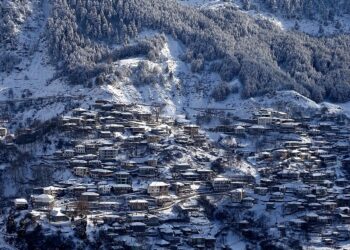
Ioannina is a destination in its own right, with Lake Pamvotida shaping the daily rhythm and a living castle holding Byzantine, Ottoman and modern layers. Roads from the city reach Dodoni, Perama Cave and the mountains of Zagori.
That makes the central planning question straightforward: should you give Ioannina two or three nights, or use it only as a stop before the Pindus villages? The answer depends on whether you want a walkable historic city with museums, food and a lake, or whether your itinerary is really about mountain roads and gorge trails. This guide helps you make that choice without flattening Ioannina into a list of Ali Pasha anecdotes and viewpoints.
Give Ioannina time beyond the gateway
The lake, castle, museums and food make the city worth visiting before the mountain roads begin.
Is Ioannina right for your trip?
Ioannina suits travellers who enjoy history that remains part of everyday life. The castle is not a sealed archaeological park, the lakefront is used by residents as well as visitors, and the city’s restaurants, cafés and student population keep the centre active outside the high summer beach season. It is a strong choice for a city break, a cultural base in Epirus, or a softer landing before a mountain itinerary.
It is less suitable if your priority is the sea, a compact ancient site or a completely predictable summer-resort experience. Ioannina has rainier weather than much of the Greek island circuit, a working regional-city feel and a wider area that rewards a car. The lake is beautiful but not a beach substitute, and the best mountain excursions cannot be squeezed into a casual hour between city sights.
| What you want | Why Ioannina works | What to plan for |
|---|---|---|
| A historic city break | A walkable castle, museums, Ottoman monuments, lake views and strong food culture. | The most rewarding sights are spread between the castle, centre and lake. |
| A Zagori gateway | It is the practical access and supply base before the mountain villages. | Zagori is a separate mountain journey, not an urban day trip. |
| A car-free weekend | The core can be explored on foot, with Perama Cave and the lake island as add-ons. | Dodoni, Zagori and remote viewpoints need transport or an organised visit. |
| Food and local culture | Pies, cheeses, wines, sweets and silverwork connect the city to the wider region. | Menus and museum schedules change; avoid treating tourism descriptions as guarantees. |
How long should you stay?
One night gives you a first look: an evening by the lake, a castle walk and a meal. It works if Ioannina is a deliberate stop on a longer road journey, but leaves little flexibility for museums, the island and Perama Cave.
Two nights is the most useful first visit. Use one half-day for the castle and historic centre, another for the lake and island, and fit Perama Cave around the opening time of its guided tours. Three nights allow Dodoni or a first taste of the Zagori road without turning every day into a race.
Stay longer if Ioannina is your base for Epirus. The city works well for travellers who want to alternate indoor culture with mountain excursions, especially outside the hottest months. A rainy morning in a museum or café is not wasted time here; it is part of the destination’s rhythm.
When to visit Ioannina
Ioannina is a four-season city, but each season changes the balance between the lake, museums and mountain roads. Spring is a strong choice for combining the city with Dodoni or Zagori, when the landscape is green and walking is more comfortable than in the height of summer. It is still worth checking rain and road conditions before committing to a mountain route.
Summer gives you long evenings by the lake and the fullest choice of excursions, but the exposed archaeological sites and the walk to the island can feel hot in the middle of the day. Start outdoor sightseeing early, then use the museums, cafés or Perama Cave during the warmer hours. Do not assume that a mainland city will follow the same dry-weather pattern as the islands.
Autumn suits travellers interested in food, the changing lake landscape and a quieter city centre. Winter brings the strongest reason to choose Ioannina as a city destination rather than a simple stopover: the castle, museums, cafés and Epirote cooking remain useful when mountain weather limits driving. Check holiday closures and seasonal museum hours before travelling, especially if your itinerary depends on one collection.
Getting to Ioannina
Ioannina is reached by air, long-distance coach and road. The municipal tourism site lists flights from Athens, coach links with Athens and Thessaloniki, and road access via the Egnatia motorway. There is no railway network in the city, so do not build a Greece itinerary around a train connection that does not exist.
The airport is useful for a short city stay, while the KTEL station is often more practical for travellers already moving through mainland Greece. The official KTEL Ioannina site provides route and ticket information, but timetables and fares should be checked for the date you travel. If you are continuing to the mountains, compare a coach-and-transfer plan with a rental car rather than assuming the cheapest arrival remains the simplest.
| Arrival style | Best for | Main planning issue |
|---|---|---|
| Flight to Ioannina | A short city break or a pre-mountain night. | Confirm the current flight schedule and arrange the final airport transfer. |
| KTEL coach | Travellers moving from Athens, Thessaloniki or another mainland city. | The bus station is not the same as the historic lakefront base. |
| Rental car | Dodoni, Zagori, Metsovo and several regional stops. | Park outside the historic core and walk rather than driving between sights. |
| Igoumenitsa connection | Travellers arriving by ferry from Corfu or Italy. | Check the onward bus or road connection before booking a close city arrival. |
Where to stay
Historic centre and castle edge
Stay near the castle or central pedestrian streets if you want evenings on foot. This is the most useful base for combining the castle, museums, lake walk and restaurants. It also reduces the need to move the car during the part of the trip when walking makes most sense.
The trade-off is parking, noise and the possibility of narrow streets. Confirm whether a property has a reserved space or a practical nearby car park before choosing a central room on the assumption that you can unload at the door.
Lakeside and Mavili Square
The lakeside gives easy access to the promenade and boat departure area for the island. It suits travellers who prefer open views, an evening walk and a slower first impression. Mavili Square is particularly useful for connecting the waterfront with the castle edge.
Perama and the outer city
Perama can make sense if the cave is a major priority or if you are travelling by car and want easier parking. It is less convenient for the historic centre and evening restaurant choices. For a first Ioannina visit, the city core is normally the better base; choose Perama for a specific logistical reason rather than a vague promise of quiet.
Lake Pamvotida and the island
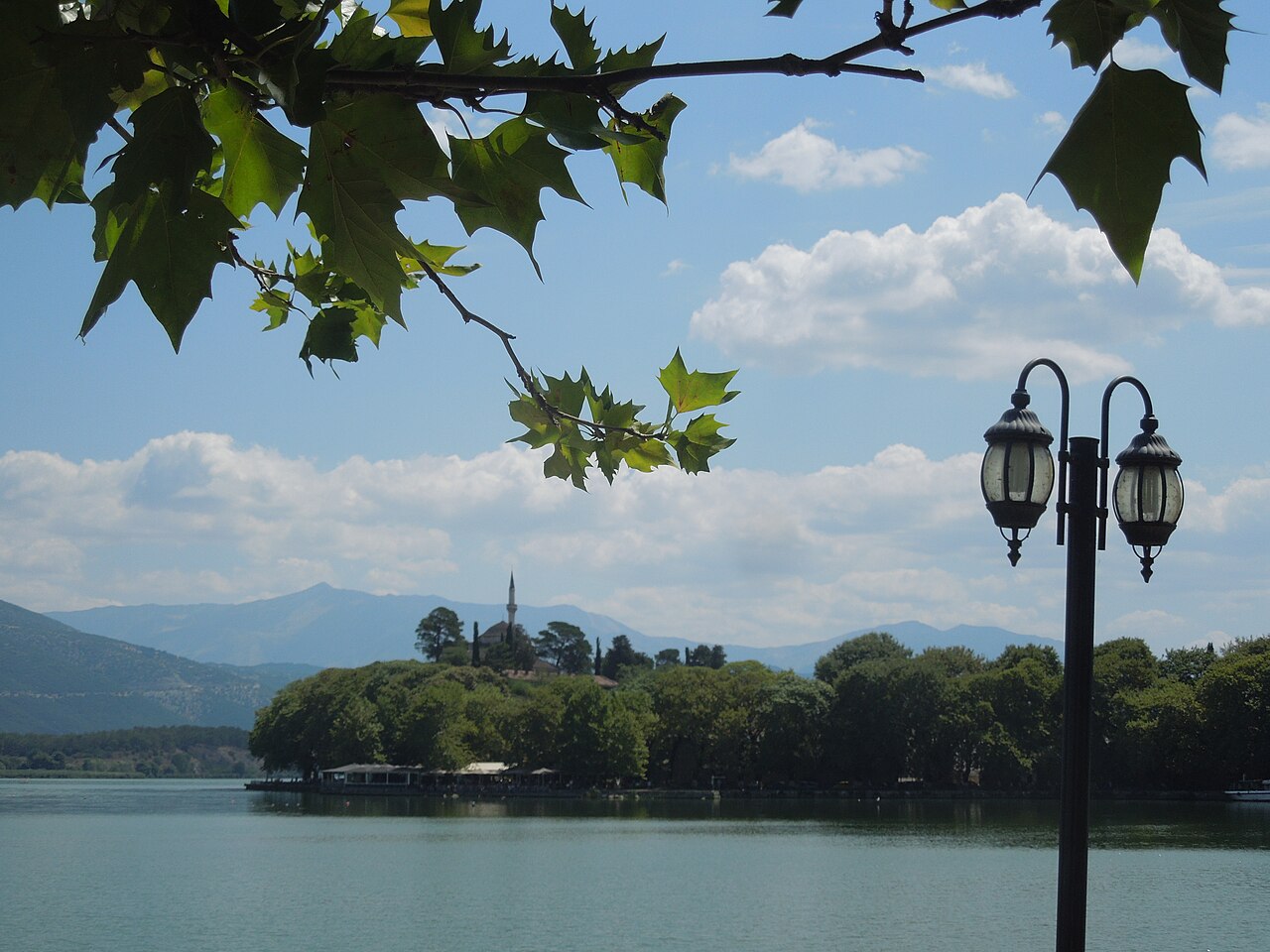
Lake Pamvotida gives Ioannina its shape. Walk or cycle along the waterfront, watch the mountains change with the weather and leave time for the small boat trip to the inhabited island. The municipality describes the lake as a major natural monument and a longstanding influence on local life, while the island adds a quieter architectural and religious layer.
Boats leave from the waterfront near the castle and Mavili Square. The crossing pattern varies, so treat it as a flexible half-day rather than fixing it around a single unverified departure. The island has a settlement, tavernas and monasteries, including St Nicholas Philanthropinon and St Pantaleimon. The latter is closely associated with Ali Pasha’s final days, while the Ali Pasha and Revolutionary Period Museum occupies part of that historical landscape.
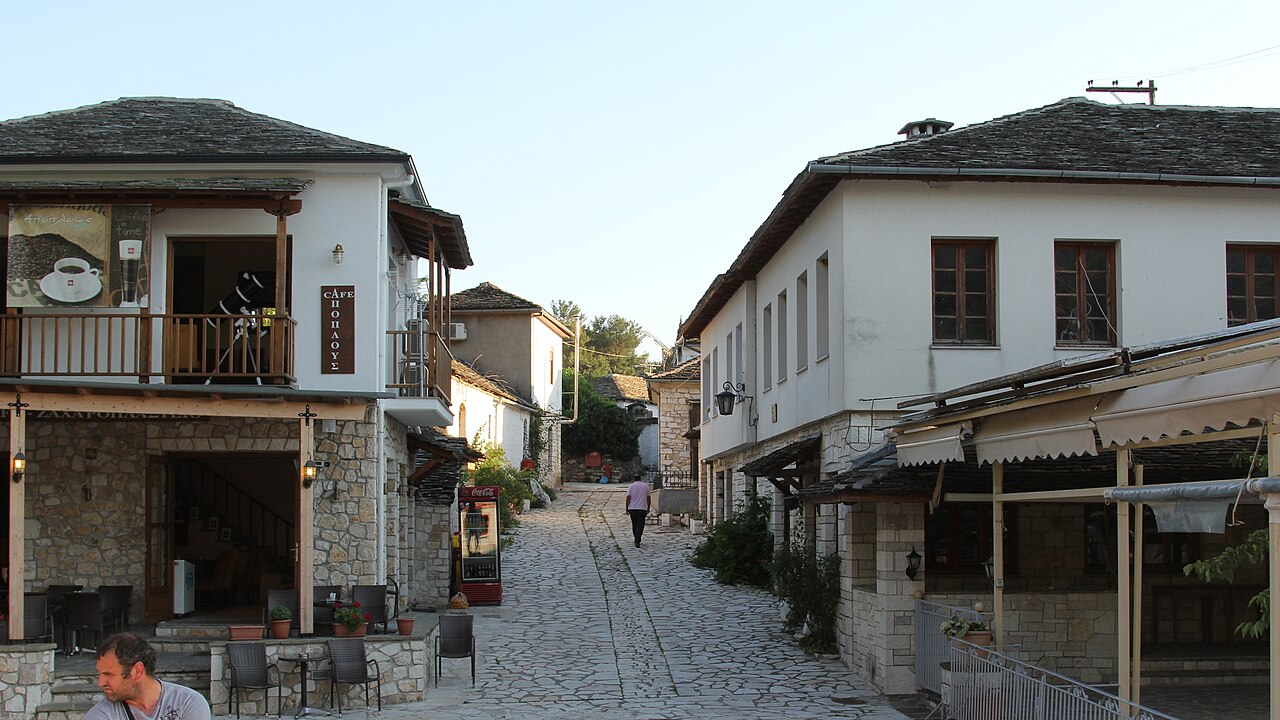
The island is small enough for a slow walk. Its monasteries, wooded lanes, traditional houses and local food place Ali Pasha’s story within a broader living landscape. The Ali Pasha Museum’s official information says the boat departs near the castle beside Mavili Square and lists a separate museum admission; confirm boat and museum arrangements before setting out.
The island is also a useful place to slow down the historical narrative. St Nicholas Philanthropinon is known for its frescoes, while St Pantaleimon connects the religious landscape with the final episode of Ali Pasha’s rule. Treat the monasteries as active places of worship: dress respectfully, follow any local instructions and check which buildings are open rather than assuming every chapel can be entered. A boat ride, a short walk and one carefully chosen museum visit are usually more rewarding than trying to catalogue every stop.
Ioannina Castle and Its Kale
The castle is the city’s essential walk because it holds several different histories inside one inhabited quarter. Its walls occupy a rocky peninsula, while the two citadels and the streets between them reveal Byzantine, Ottoman and modern layers. You can visit the gates and lanes without turning the afternoon into a museum timetable, then choose one or two interiors that match your interests.
Its Kale, the south-eastern inner citadel, is the most concentrated historical stop. The municipal tourism information describes the area as the site of earlier Byzantine structures and the later palace complex associated with Ali Pasha. Today it contains the Byzantine Museum, the Fethiye Mosque and the Silversmithing Museum, with views across the lake from the citadel.
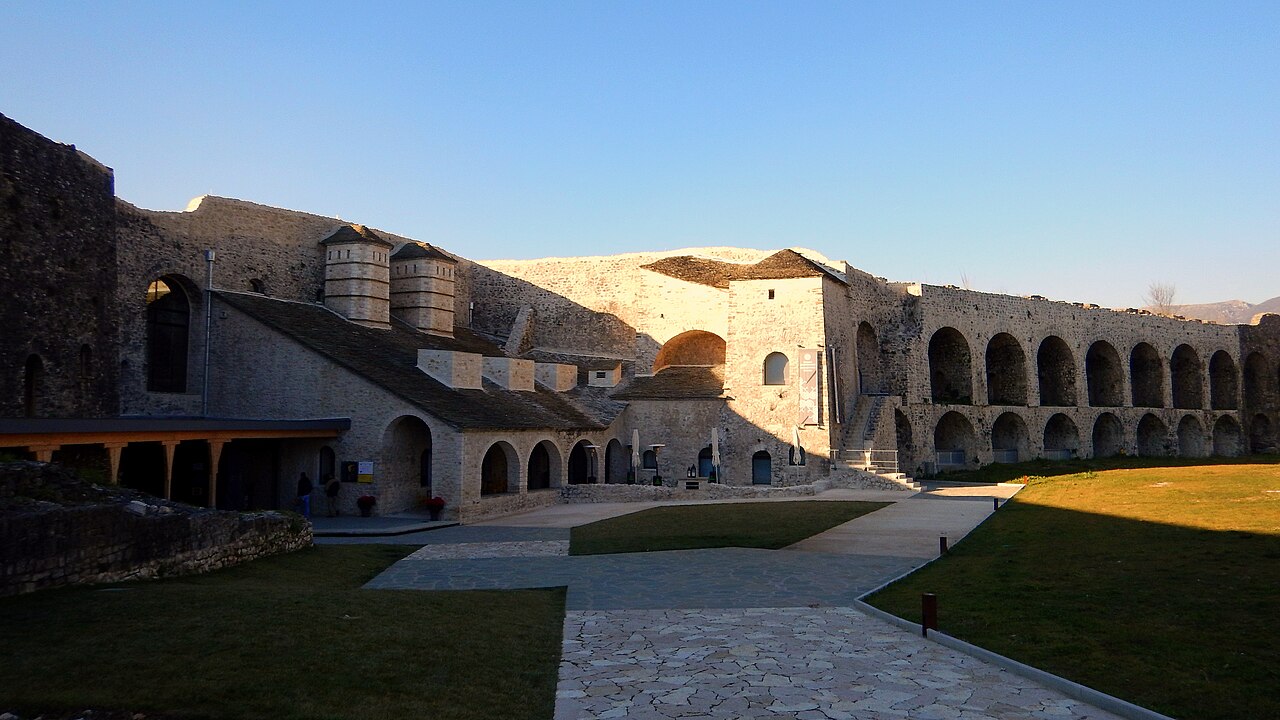
The Byzantine Museum presents material from Epirus and sits directly within the castle experience. The official museum page lists seasonal hours, Tuesday closure and a separate ticket; these details can change, so check before planning a museum-heavy day. The same principle applies to the Archaeological Museum outside the castle, whose collection ranges from the Lower Palaeolithic period to late Roman times. If Ali Pasha’s final years are central to your interest, the island’s Ali Pasha Museum adds a separate, privately run collection to the city’s public museums.
Silversmithing and the city’s craft identity
Ioannina’s silverwork is more than a souvenir theme. The municipal tourism information describes silversmithing as a major source of wealth in the seventeenth and eighteenth centuries, with workshops producing household objects, tools, weapons and jewellery. The craft developed across Epirus and remains one of the clearest ways to understand how the city connected local skill with wider markets.
Visit the Silversmithing Museum in Its Kale for techniques, tools, objects and the social history behind the craft. The museum is particularly useful because it explains process rather than presenting silver only as a luxury product. If you prefer contemporary shopping, separate workshop-made pieces from generic tourist stock and ask about provenance, materials and aftercare before buying.
Budget for the city in layers rather than treating every attraction as one package. The castle grounds and a lakeside walk can anchor a low-cost day, while museum admissions, the boat to the island, a cave tour and a car for Dodoni or Zagori add separate charges. Prices and combined-ticket arrangements change, so use the official museum and attraction pages for the amount that applies to your dates. For accommodation, the main choice is usually between paying for a central, walkable base or accepting a cheaper outer location and adding taxis, parking and transfers.
That trade-off matters for different travellers. Couples and solo visitors can usually build a satisfying car-free weekend around the centre, castle and lake. Families may prefer a room with parking and a clear plan for Perama Cave or the island, while travellers with reduced mobility should ask about cobbles, slopes, steps and boat boarding before booking. The city core is walkable, but “walkable” does not mean uniformly level or step-free.
The city’s Jewish history also deserves a respectful place in any serious account of Ioannina. The Romaniote Jewish community was an important part of the city’s social and cultural life, and its wartime destruction is part of the modern history of the place. Seek out the Jewish heritage material or local memorial information where available, and avoid reducing the subject to a decorative footnote beside Ottoman landmarks.
Perama Cave
After the castle’s stone and silverwork, Perama offers a change of scale: the next part of Ioannina’s story is underground. It is close enough for a half-day, but the fixed guided tour means that the cave should be planned around its ticket office rather than added casually at the end of a museum morning.
If you are choosing between Perama and Dodoni on a short visit, use the weather and your interests as the tiebreaker. The cave gives shelter and a controlled guided route; Dodoni is an open archaeological landscape where light, rain and walking conditions matter. Both are easy to overpack into one day, so one well-timed excursion is usually better than two rushed ones.
Perama Cave lies about five kilometres from central Ioannina on Goritsa hill. The official cave information describes a guided route of about 1,100 metres, a stable internal temperature of approximately 18°C and a tour lasting around 45 minutes. Stalactite and stalagmite formations, paleontological remains and the cave’s twentieth-century exploration give the visit substance beyond a brief underground walk.
The official visitor page currently lists daily opening from 09:00 to 17:00, with the last guided tour at 16:00. It also says tickets are sold only at the cave ticket office. The page lists individual, group and student prices, but schedules and fees can be revised; check the official Perama Cave visitor information before travelling.
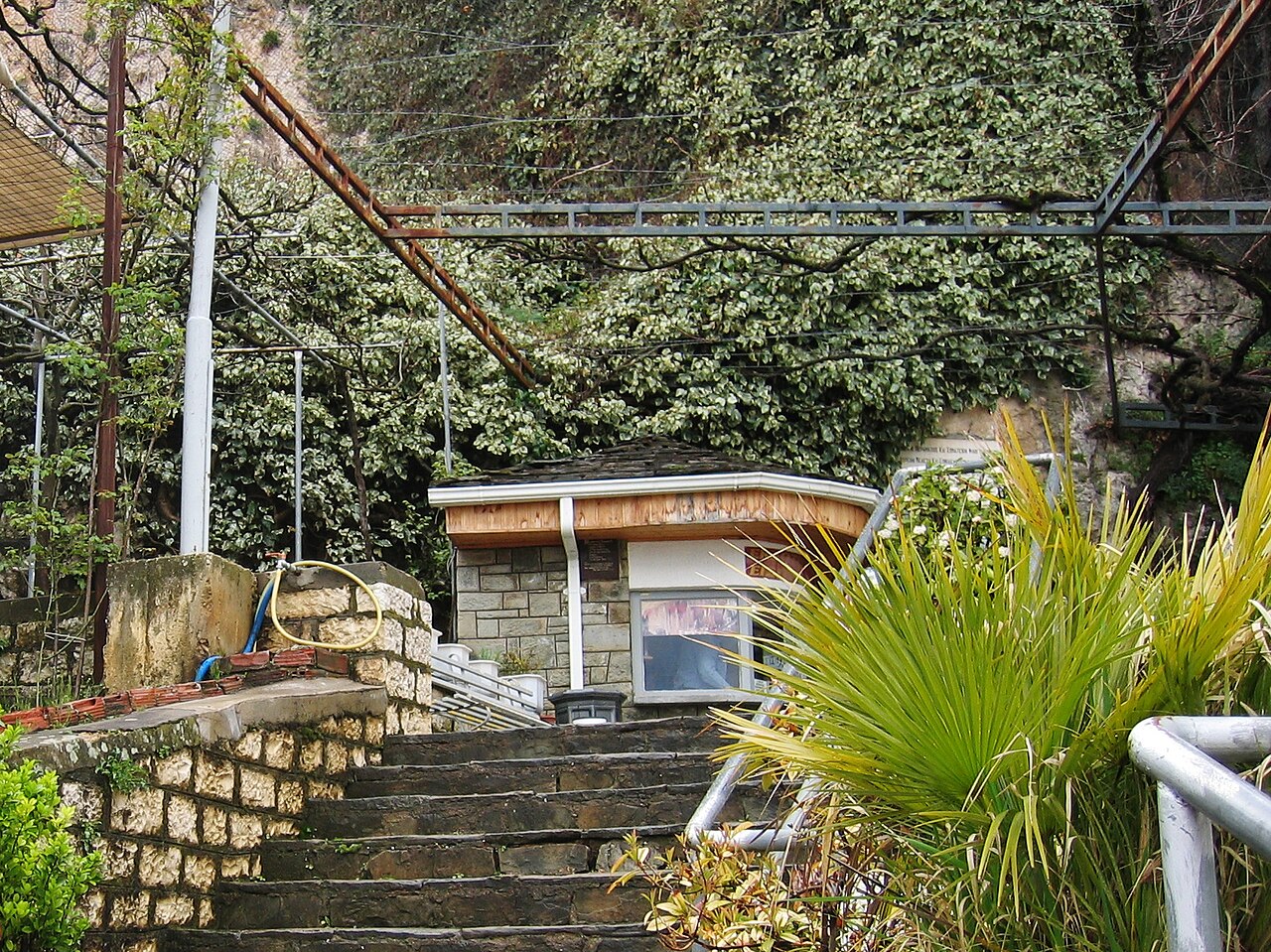
Perama is a good half-day addition to a city stay, particularly in hot weather or rain. Wear shoes with grip: the route is managed, but it is still a cave with steps and potentially damp surfaces. If you are combining it with a mountain viewpoint, check the return journey rather than assuming the cave’s short tour makes the whole outing short.
Dodoni: the best historical day trip
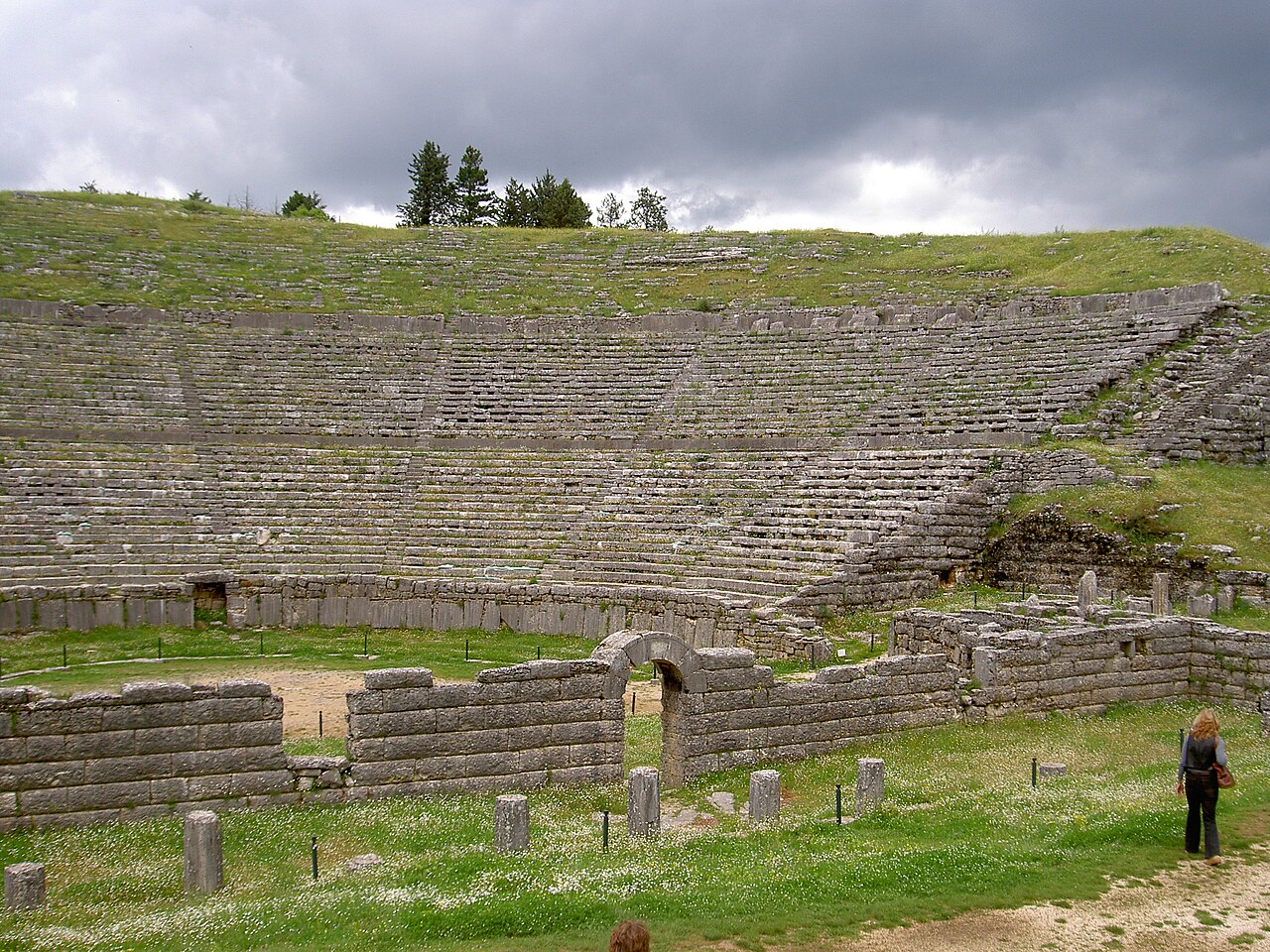
Dodoni is about 22 kilometres south of Ioannina and deserves more than a quick photograph of the theatre. The sanctuary was associated with Zeus and Dione and was an important religious and political centre of ancient Epirus. Its oracle was linked to the sacred oak and the interpretation of natural sounds, while the surviving theatre, temples and public buildings show how the site developed into a larger civic complex.
The official archaeological service currently lists seasonal opening hours and a full ticket price, but the figures have not always been consistent across tourism pages. Use the Epirus Archaeological Service information and confirm before the visit. Dodoni is easiest by car or organised excursion; public transport requires more planning than the distance suggests.
Ioannina as a gateway to Zagori
If Dodoni is the region’s historical excursion, Zagori is its mountain counterpart. Both are worthwhile, but they require different planning: the sanctuary has a defined site visit, while the villages and gorge viewpoints depend on road conditions, parking and the amount of walking you want to do.
Ioannina is the practical gateway to Zagori. The city gives you airport and coach connections, supplies, car rental and a useful first or final night. The mountain villages then demand a different pace: winding roads, changing weather, limited parking and more time between sights than a map suggests.
If your main objective is Vikos Gorge or the stone villages, use Ioannina to organise the route rather than trying to treat the mountains as a casual city excursion. The existing Zagori guide is the natural next read for choosing a mountain base, and its discussion of Vikos Gorge routes and viewpoints helps separate a scenic stop from a serious walk.
A car is the flexible option for a multi-village itinerary, but mountain driving should not be underestimated. Roads narrow, bends accumulate and weather can change the surface and visibility. Without a car, book a transfer or guided route for the villages you actually want to see; do not assume a local bus will connect every viewpoint and trailhead in one day.
Food, wine and the Ioannina table
Ioannina’s food is shaped by Epirus rather than by a single signature dish. Look for hand-made pies, local cheeses, mountain herbs, meat, freshwater or lake-related produce, and sweets such as baklava and kadaifi. The municipal tourism material also highlights wines from Zitsa and Metsovo, together with local tsipouro.
Eat slowly enough to distinguish a regional tradition from a generic Greek menu. Ask which pie is made that day, whether a cheese comes from the area and which wine suits the meal. Ioannina’s food culture is strongest when it connects the city’s market history with the farms, mountains and lake around it.
For a first evening, choose a restaurant or taverna within walking distance of the castle or lakefront. For a longer stay, use one meal to explore Epirote dishes and another to try the city’s more contemporary cooking. The point is not to find one compulsory dish; it is to notice how butter, pastry, cheese, herbs and slow-cooked meat reflect a cooler, mountainous region.
Getting around without a car
The central Ioannina experience is walkable. The castle, lakefront, historic streets, museums and main restaurant areas can be combined on foot, although cobbles, slopes and uneven surfaces make supportive shoes useful. The island boat and Perama Cave add short transport legs rather than requiring a car for the whole city stay.
A car becomes valuable for Dodoni, Zagori, Metsovo and scattered viewpoints. If you hire one, park outside the tightest historic streets and walk the castle and centre. For a two-night visit, a car may add more parking stress than value; for a regional week, it changes the range of realistic day trips.
| Trip style | Best approach | What to avoid |
|---|---|---|
| Two-night city break | Stay centrally and walk; use the boat for the island and a taxi or local service for Perama. | Hiring a car without a clear day-trip plan. |
| Ioannina plus Dodoni | Use a car or a pre-arranged excursion and verify the site hours first. | Assuming the archaeological site can be fitted around an unverified bus timetable. |
| Ioannina plus Zagori | Use a rental car or booked transfer and choose a mountain base before leaving. | Treating Zagori as a quick loop from the lakeside. |
| Rainy or winter visit | Prioritise museums, castle interiors, food and Perama Cave. | Building the whole day around exposed viewpoints. |
A practical three-day itinerary
| Day | Plan | Why it works |
|---|---|---|
| 1 | Walk the lakefront, explore the castle and Its Kale, then eat near the historic centre. | You understand the city’s geography before adding excursions. |
| 2 | Take the boat to the island, visit the Ali Pasha Museum and return for a slower evening. | The lake and its history receive a full half-day rather than a rushed add-on. |
| 3 | Choose Perama Cave for a half-day, or Dodoni if you have a car and want a longer historical excursion. | The final day matches the available transport and weather to a clear objective. |
With a fourth night, make Zagori the main addition rather than stacking Perama, Dodoni and a mountain village into one day. If you are heading north, use the city as a deliberate buffer before the roads become more demanding. For the wider Epirus journey, compare this city base with the existing Zagori planning guide before fixing your accommodation and car dates.
Common mistakes to avoid
- Using Ioannina only as a sleep stop: the city’s lake, castle and food deserve at least one proper day.
- Trying to do Zagori in a few hours: mountain roads and viewpoints need more time than the distance suggests.
- Ignoring Tuesday closures: several state museums list Tuesday as a closing day, so check before fixing your itinerary.
- Assuming lake boats run to your preferred minute: confirm the day’s crossing pattern locally.
- Driving into the castle core: park once and walk through the historic streets.
- Relying on old Dodoni prices or hours: official and tourism pages can diverge as schedules change.
The verdict
Ioannina deserves its own place in an Epirus itinerary. The lake gives the city its shape, the castle gives it historical depth, the island complicates the usual mainland route and the surrounding region makes a longer stay practical. It suits travellers who want Greece beyond the summer coast without giving up cafés, museums and a lively evening.
Give the city two nights if you are passing through Epirus, three if you want Dodoni or Perama without rushing, and longer if Zagori is part of the same journey. Start with the city’s own geography, then let the mountains and archaeological sites extend the trip. Ioannina works best when it is treated as the first chapter of Epirus rather than a waiting room for it.
Research and review note: this guide was checked in July 2026. Museum and archaeological-site hours, ticket prices, lake-boat services, airport and KTEL schedules, road conditions and seasonal services can change. Confirm the relevant details directly before travelling.