Zakynthos Beyond Navagio: Sea Turtles, Hidden Coves & the Real Zante

Everyone knows Navagio Beach. The postcard is everywhere — that iconic rusting shipwreck marooned on blinding white sand, framed by vertical limestone cliffs, turquoise water almost too blue to believe. It is beautiful. It is also, during July and August, surrounded by dozens of boats and thousands of phones.
But Zakynthos is keeping a far deeper secret.
Beneath those famous waves, something ancient and extraordinary is happening. Loggerhead sea turtles — Caretta caretta — have been returning to the beaches of Zakynthos for thousands of years. Today, an estimated 80% of all Mediterranean loggerhead turtles nest on this one island. On quiet mornings off Laganas Bay, you can drift in shallow water and watch them feeding just meters from your feet, unhurried, completely at ease.
Zakynthos is one of the most biodiverse islands in Greece — a place where wild nature, Venetian history, mountain villages, and extraordinary food all coexist with those famous beaches. This guide is for the traveler who wants all of it: the turtles, the hidden coves, the clifftop sunsets, the slow meals in mountain tavernas. The real Zante.
> There are moments when you float in the shallows of Laganas Bay, a loggerhead feeding just meters away, and time collapses into something older than any guidebook can describe. The turtle has been doing this for millennia — and somehow, here you are, sharing the same sea.
The Island at a Glance
Zakynthos — called Zante in Italian, a name that still echoes in the ferry schedules and old maps — is the southernmost of the major Ionian Islands. It sits off the western coast of the Peloponnese, lush and green and blessed with a mild climate that keeps its hills covered in olive groves, cypress trees, and wildflowers well into May.
The island has been shaped by centuries of Venetian rule and by the catastrophic earthquake of August 1953 — a 7.2-magnitude event that leveled virtually the entire town and forced an extraordinary act of collective rebuilding. The Zakynthos Town you walk through today is a graceful, wide-boulevarded, neoclassical city built almost from scratch within five years of the disaster. Its resilience is part of its character.
It was also the birthplace of Dionysios Solomos, the poet who wrote the Hymn to Liberty — the lyrics of the Greek national anthem.
Getting There
Zakynthos Airport (ZTH) receives direct flights from major European cities throughout summer. From Athens, Olympic Air and Sky Express fly the route in around an hour. In June 2026, a new route launched connecting the island with Araxos/Patras, making it easier to reach from central Greece.
Alternatively — and more beautifully — you can arrive by sea. The ferry from Kyllini on the Peloponnese takes just 75 minutes and costs around €12.50 per adult one-way. Levante Ferries Group operates 44 weekly sailings with morning, afternoon, and evening departures. If you’re road-tripping through the Peloponnese, this is the perfect way to arrive — car on deck, sea breeze on your face, the green silhouette of the island growing larger on the horizon.
Once on the island, a rental car is essential. At €15–20 per day, it’s the only way to reach the west coast coves, the mountain villages, and the quieter beaches that define the real experience of Zakynthos.
The Loggerhead Turtle Story — Laganas Bay
The numbers alone are staggering: 80% of all Mediterranean loggerhead sea turtles nest on Zakynthos. Laganas Bay, the wide, sheltered crescent of shoreline on the island’s southern coast, hosts an average of 1,200 nests per year. This is not a wildlife reserve you visit at some distant remove — this is an island where an ancient migratory species has woven itself into the fabric of everyday life.
Conservation History & the National Marine Park
It wasn’t always protected. In the 1980s and early 1990s, Laganas Beach was ground zero for a fierce conflict between conservation and tourism development. Beach bars, pedal boats, sunbeds placed over nesting sites, late-night lighting that disoriented hatchlings trying to find the sea — the loggerhead population was under severe pressure.
The turning point came in 1999, when the National Marine Park of Zakynthos was established — the first marine park in Greece. It designated six protected nesting beaches (East Laganas, Kalamaki, Sekania, Daphni, Gerakas, and Marathonski), regulated boat traffic, restricted lighting, and created the legal framework for turtle conservation that exists today.
The population has stabilized. The work continues.
The Life of Caretta Caretta
The loggerhead’s life cycle is one of nature’s great migrations. Females return to the exact beach where they were born to lay their eggs — sometimes after decades at sea, navigating thousands of kilometers using the Earth’s magnetic field. On Zakynthos, mating takes place offshore from March through April. Then, on warm summer nights from May through August, females haul themselves up the sand to dig their nests.
Sex determination is temperature-dependent: warmer sand produces more females. It’s a quiet reminder that climate change has implications even here, in this ancient cycle.
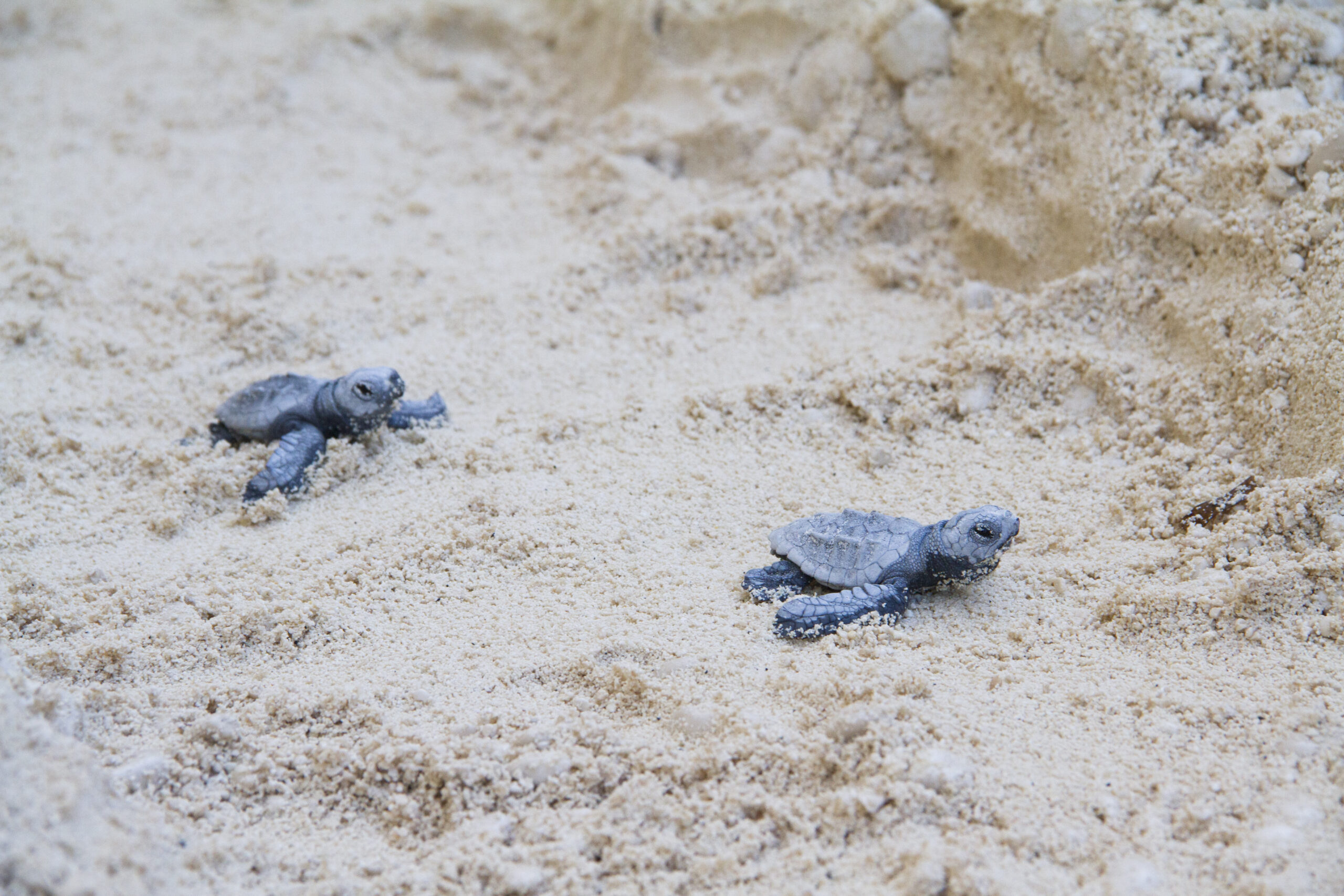
From August through October, the eggs hatch. The hatchlings emerge at night, guided by the natural light reflecting off the sea, and begin their first desperate scramble toward the water. It is one of the most moving spectacles in the natural world — and September is the best month to witness it.
Responsible Turtle Watching
The right way to see turtles is from a licensed boat, on a morning tour, with a small group and an operator who respects the park’s rules. Morning tours — typically departing between 8 and 10 AM — offer the best visibility and the fewest crowds. Boats depart from Agios Nikolaos, Keri, and other harbors around the island.
Glass-bottom boat tours run for one to two hours at around €12–20 per adult. Longer turtle-focused excursions with snorkeling run €25–40. Book three to five days in advance in high season. Swimming near turtles is generally permitted in open water — but you must never touch, chase, or disturb them, and nesting beach boundaries must always be respected.
The Zante Turtle Center, located 100 meters from Gerakas Beach, runs research, rescue, and educational programs year-round. It’s worth a visit to understand the conservation work in depth. Organizations like MEDASSET and WWF Greece are also active in monitoring and protecting the population.
Hidden Beaches Worth Exploring
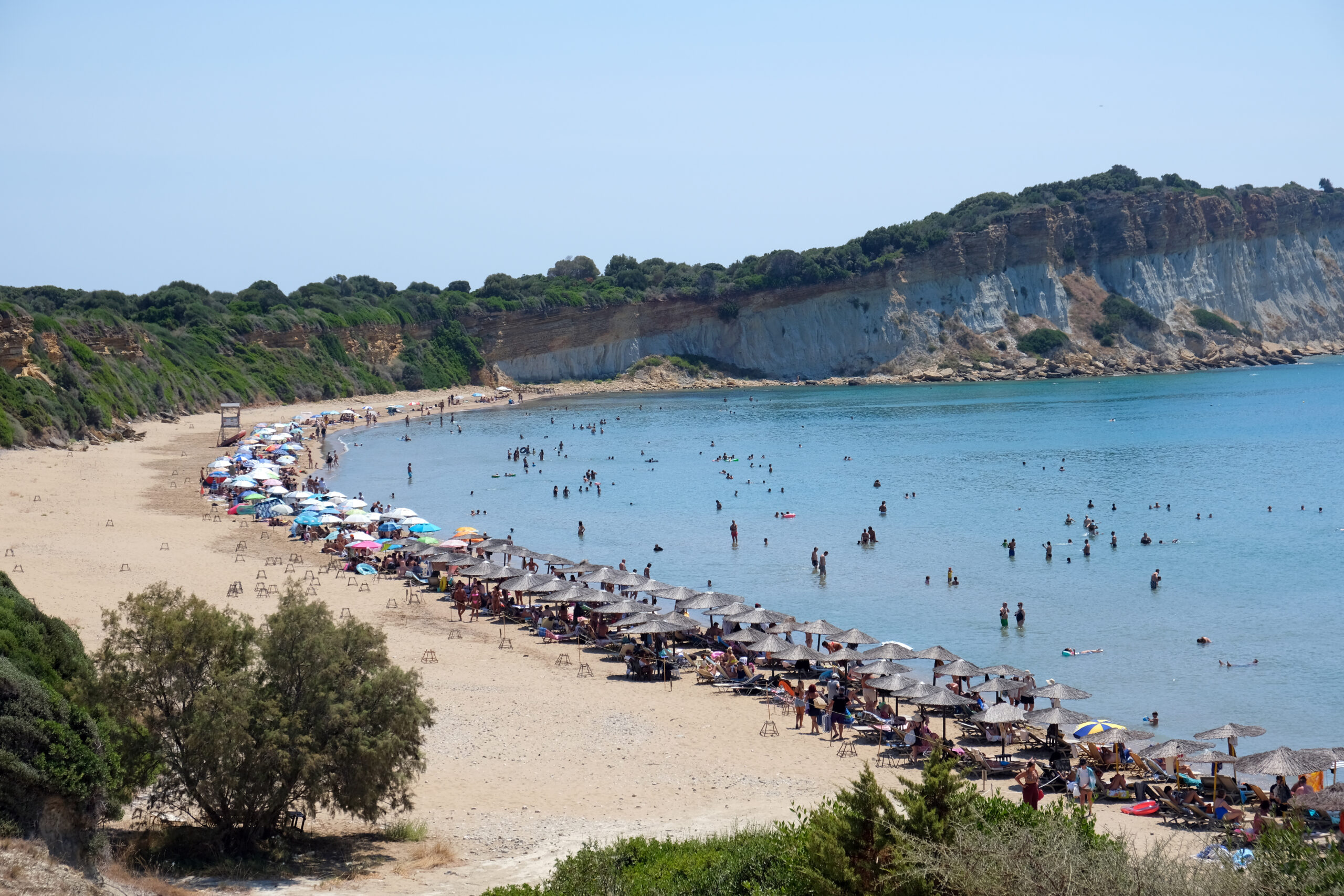
The beaches of Zakynthos are far more varied and interesting than most visitors discover. Yes, Navagio is extraordinary. But it is also overrun, and it is accessible only by boat. The following beaches reward those with a rental car, an early start, and a willingness to follow smaller roads.
Gerakas Beach — The Protected Sanctuary
Gerakas is where conservation and beauty intersect most perfectly. No sunbeds, no noise — just pristine sand, calm turquoise water, and the knowledge that the nests beneath your feet represent the future of a species. Visit early morning or late afternoon to avoid the midday heat and whatever crowds there are. The Zante Turtle Center nearby adds educational depth to the experience.
Porto Limnionas — The Secret Fjord
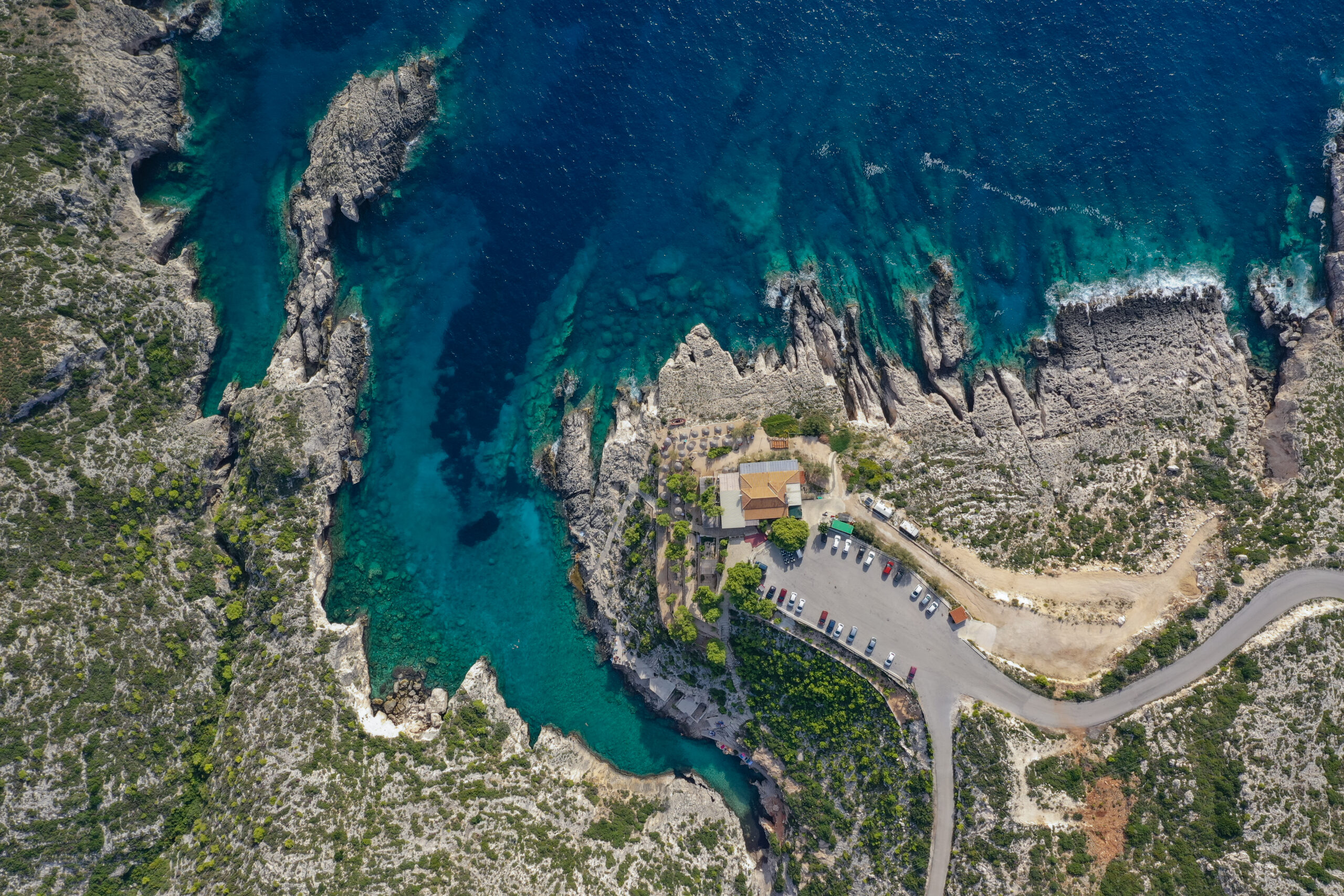
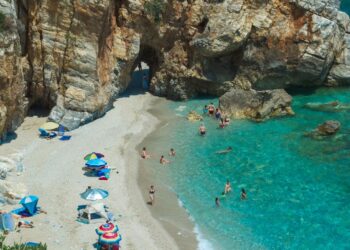
If Zakynthos has a hidden masterpiece, Porto Limnionas might be it. On the wild west coast, a narrow road leads down to a cove enclosed by dramatic limestone cliffs that plunge straight into the sea. The water here is extraordinarily clear — a natural pool that feels carved from the rock rather than built. You swim, you snorkel, you dry on the warm stone. There are a handful of tables where you can eat grilled fish and look back at the water. Bring a car and go early; the road is narrow and parking limited.
Porto Roxa — The Local Secret
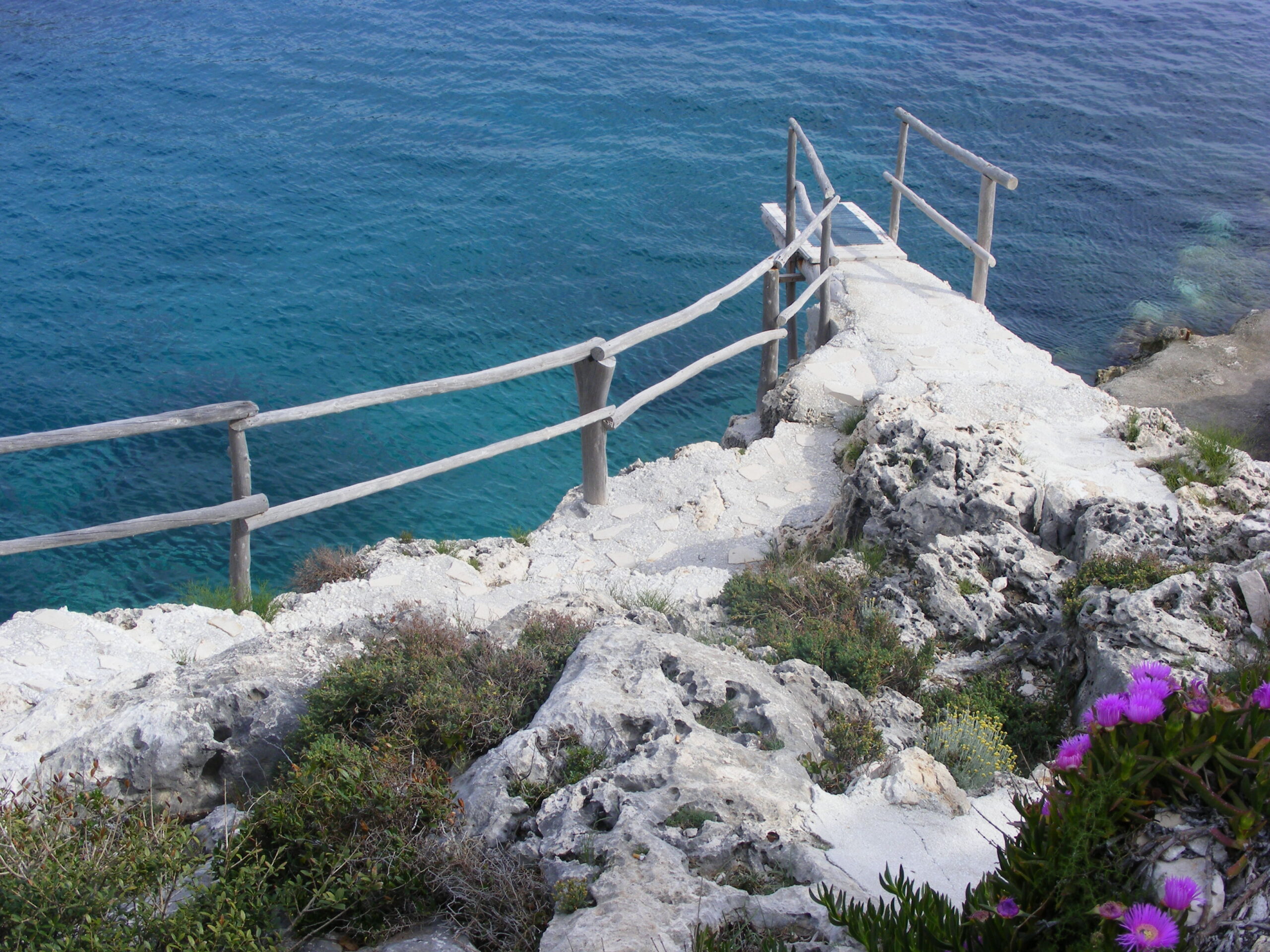
A few kilometers from Porto Limnionas, Porto Roxa is rockier and wilder. Natural pools form where the sea meets the limestone. Local swimmers come here for cliff jumping and afternoon snorkeling. Equipment rentals are available on-site. It has none of the infrastructure of the resort beaches — and that is exactly the point.
Xigia Beach — The Sulfur Springs

Xigia is unusual enough to warrant a trip purely out of curiosity. Three shingle beaches share a common feature: natural sulfur springs seeping up through the seabed, turning the water a slightly golden hue and releasing a faint mineral smell that fades within ten minutes as your nose adjusts. The water is claimed to be rich in collagen and sulfur — therapeutic benefits that have attracted swimmers for generations. The beach is reached via a steep stairway cut into the hillside. It rewards the effort.
Kalamaki & Dafni — Turtle-Friendly Quiet
Kalamaki is a long, quiet sandy beach that functions as a secondary turtle nesting site — which means no disruptive lighting, limited infrastructure, and a calmer atmosphere than nearby Laganas. Dafni Beach, inside the National Marine Park itself, is quieter still: protected, pristine, and family-friendly in the best sense. Both beaches reward early mornings.
Blue Caves & Keri Caves — The Sea Grottoes
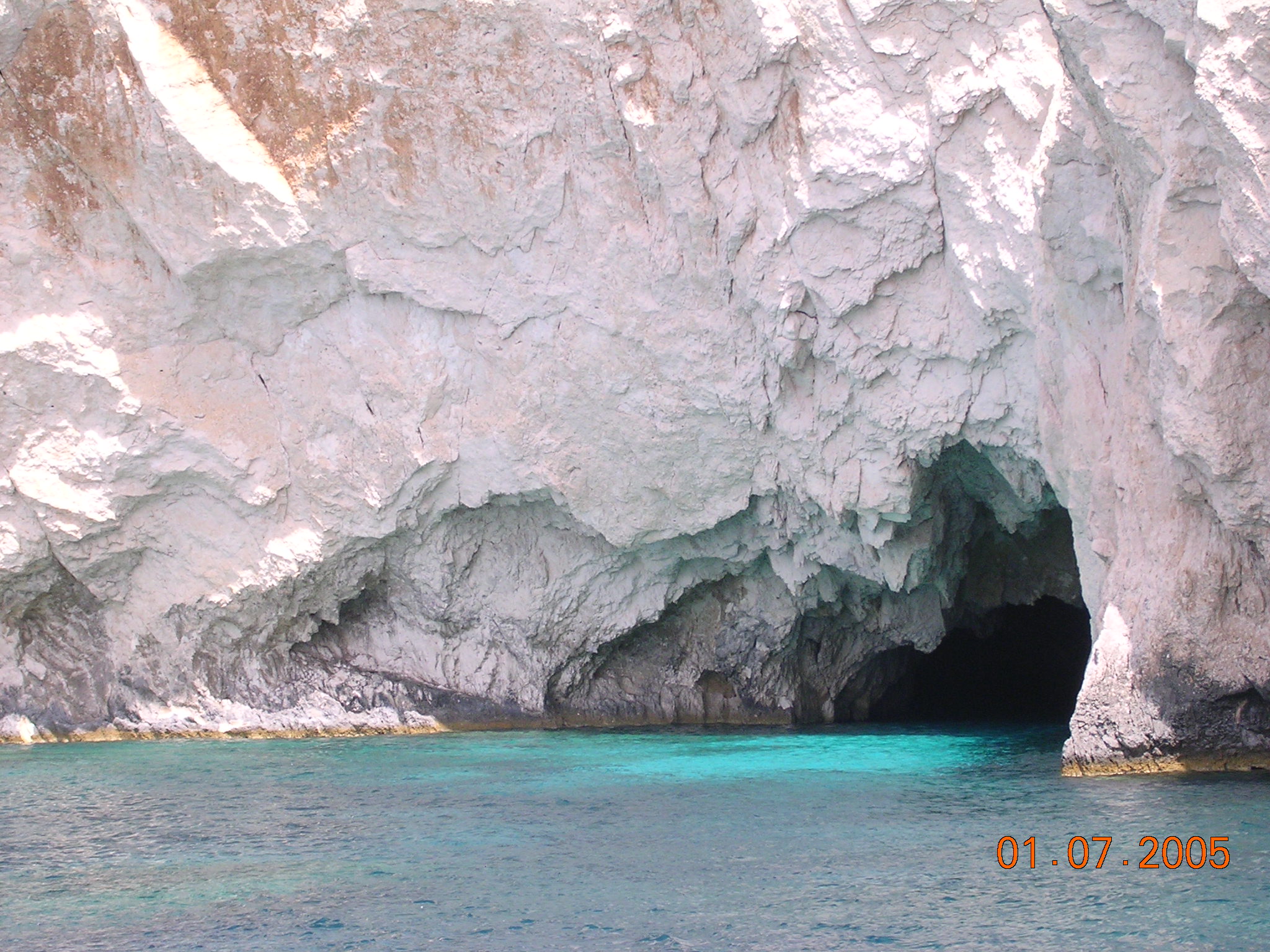
Zakynthos’s sea caves are among the most visually spectacular features of any Greek island. The Blue Caves at Cape Skinari, on the northern tip of the island, are caused by sunlight passing through the water and reflecting off the white limestone cave walls — producing a shade of electric blue that photographs struggle to capture honestly. Boat tours from Agios Nikolaos run glass-bottom excursions from 9 AM onwards, typically for one to two hours at €12–20 per adult. Morning is the best time: the light angle is perfect, and the crowds thinner. Swimming and snorkeling inside the caves is possible.
From Cape Skinari, the same boat can take you the short 12-minute journey to the Navagio viewpoint for a combined excursion — an efficient way to experience both in a single morning.
On the southwestern coast, the Keri Caves offer something more remote and dramatic. Accessible only by boat from Keri harbor, this series of sea grottoes at Cape Marathia has no crowd of tour operators — just the sound of water inside limestone chambers, the smell of salt and rock, and clear water you can swim directly into. Less visited than the Blue Caves, they are arguably more memorable.
> Swimming into the mouth of a Keri grotto on a still afternoon — the limestone chamber echoing with nothing but your own breath and the slap of clear water — is the kind of experience that makes you forget the over-photographed beaches exist at all.
Mountain Villages — The Inland Heart
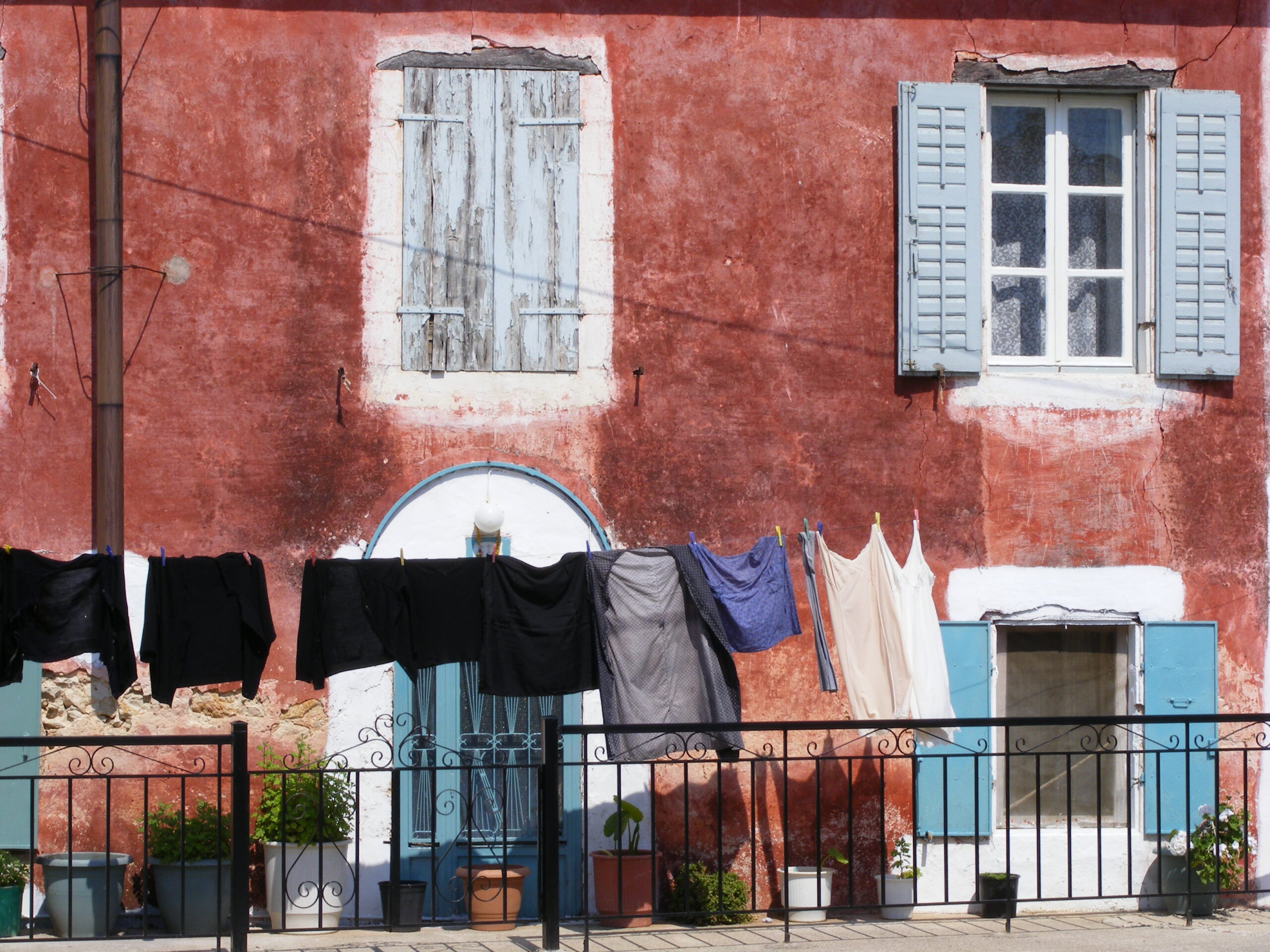
The Zakynthos that most package tourists never find lies inland, on winding mountain roads that climb away from the coast into a quieter, older world.
Volimes — Lace, Honey & the Road to Navagio
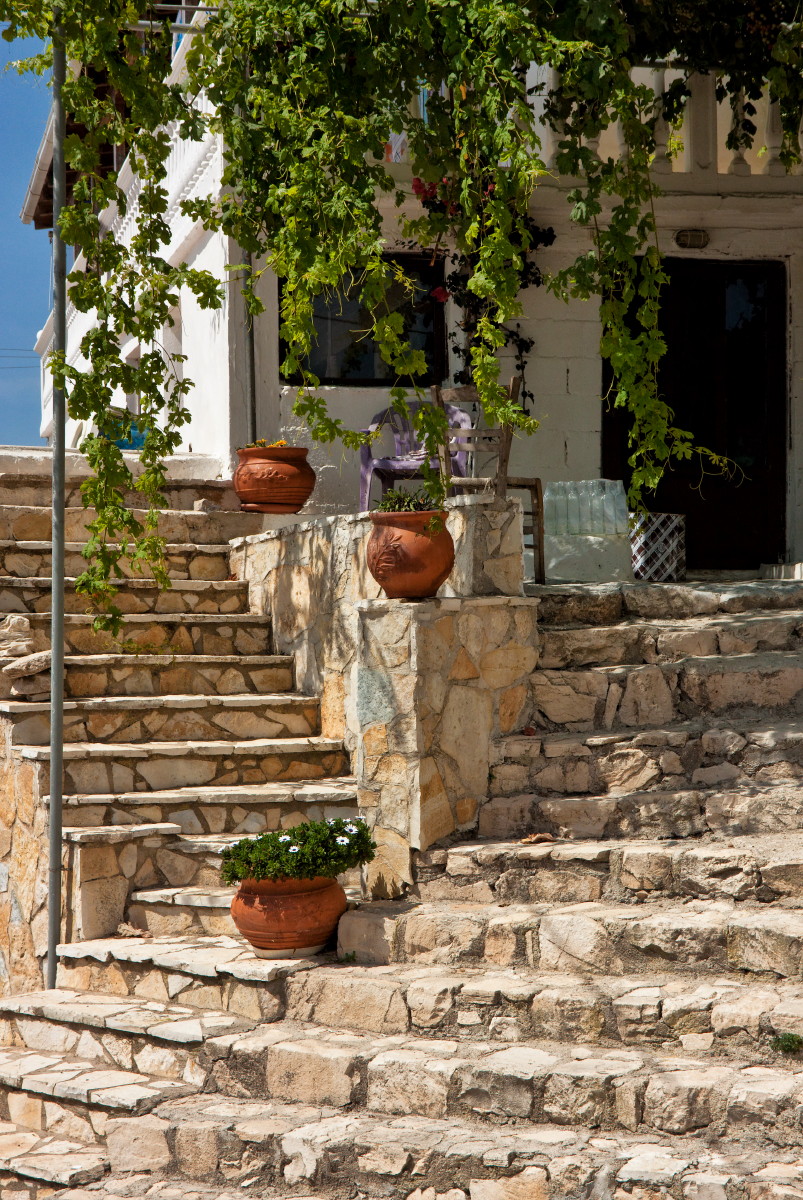
Most visitors pass through Volimes on their way to the Navagio viewpoint — and most don’t stop. That’s a mistake. This traditional village in the north of the island is known for its textile-weaving heritage: roadside shops hang with embroidered tablecloths, handmade linens, and lacework that has been produced here for generations. The honey sold from small family stalls is some of the best in the Ionian. Buy a jar, walk the main street, talk to the woman at the weaving loom. The village is living craft heritage, not a museum.
Keri — Clifftops & Sunsets
Keri sits on the southwestern edge of the island at an elevation that gives it views across the Cretan Sea all the way to the horizon. The lighthouse at the tip of Cape Keri is a short walk from the village, and the sunsets here are consistently spectacular — the kind that make you sit with a glass of Verdea wine until the sky goes dark. A handful of tavernas line the clifftop road. The food is honest, the portions generous, and the atmosphere entirely unhurried.
Bohali — Venetian Ramparts & Town Views

Just two kilometers above Zakynthos Town, the hilltop neighborhood of Bohali offers something the town’s neoclassical boulevards cannot: the ruins of the Venetian Castle, built during the island’s 400 years under Venetian rule. Inside the fortress walls, three Byzantine churches have survived — San Salvatore (12th century), Saint Francis (14th century), and Santa Barbara — offering a rare glimpse of the island’s pre-earthquake architectural heritage. The panoramic view over Zakynthos Town and its bay is the finest on the island. Come at sunset.
Anafonitria — The Saint’s Monastery
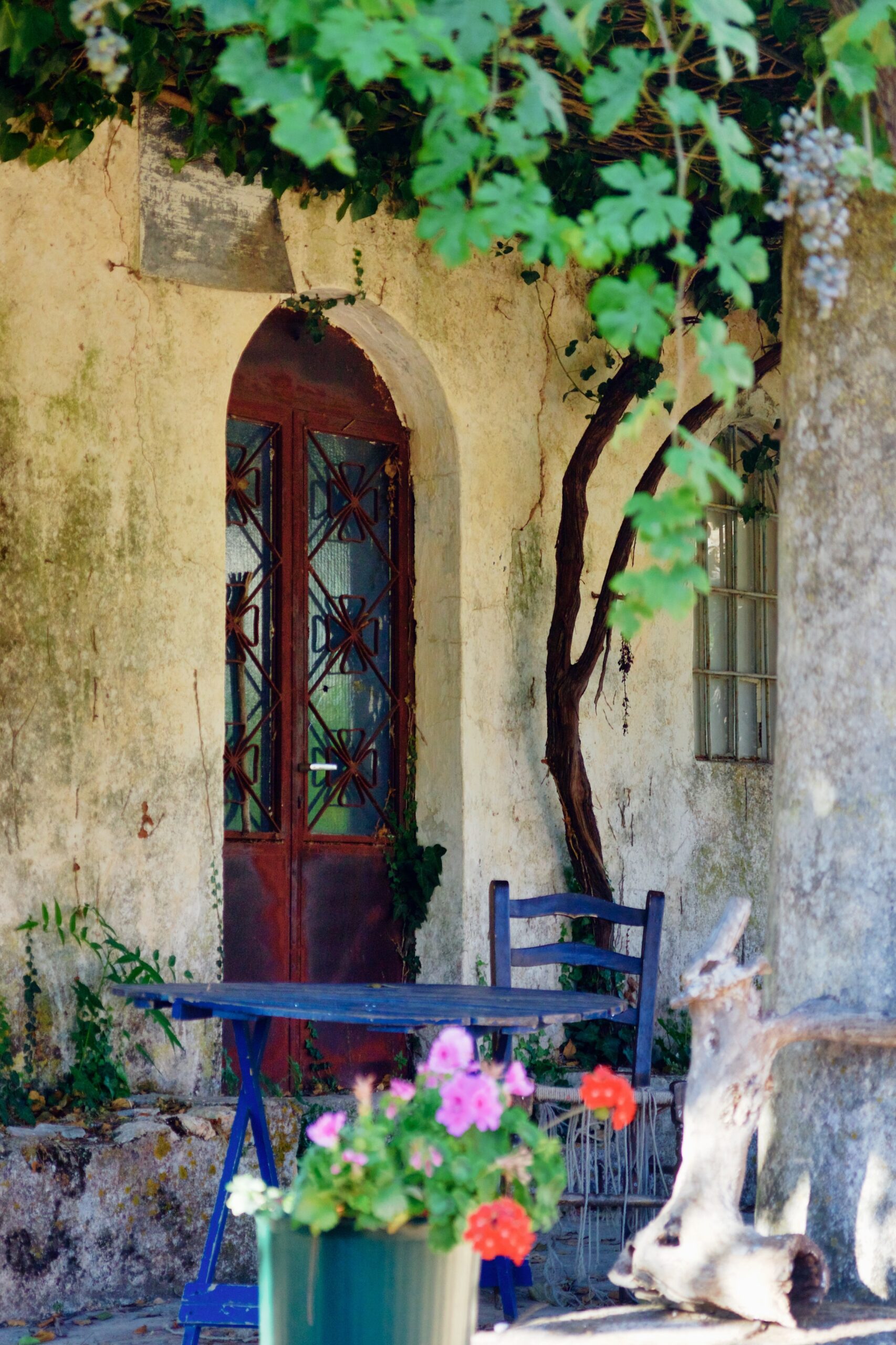
High on the road above Shipwreck Beach, the 15th-century monastery of Anafonitria is one of the most historically significant religious sites in the Ionian Islands. St. Dionysios — the patron saint of Zakynthos — served as abbot here. The church is still in use, the courtyard is serene, and the surrounding landscape of olive groves and pine trees makes the stop worth the detour.
Exo Chora — Living History
For those who want to see what Zakynthos looked like before the 1953 earthquake, Exo Chora offers a rare surviving fragment: 16th-century houses, a 17th-century church, and — perhaps most remarkably — a 2,000-year-old olive tree still standing in the village. It is one of the oldest living things on the island.
Culture & History — Venetian Layers, Byzantine Roots
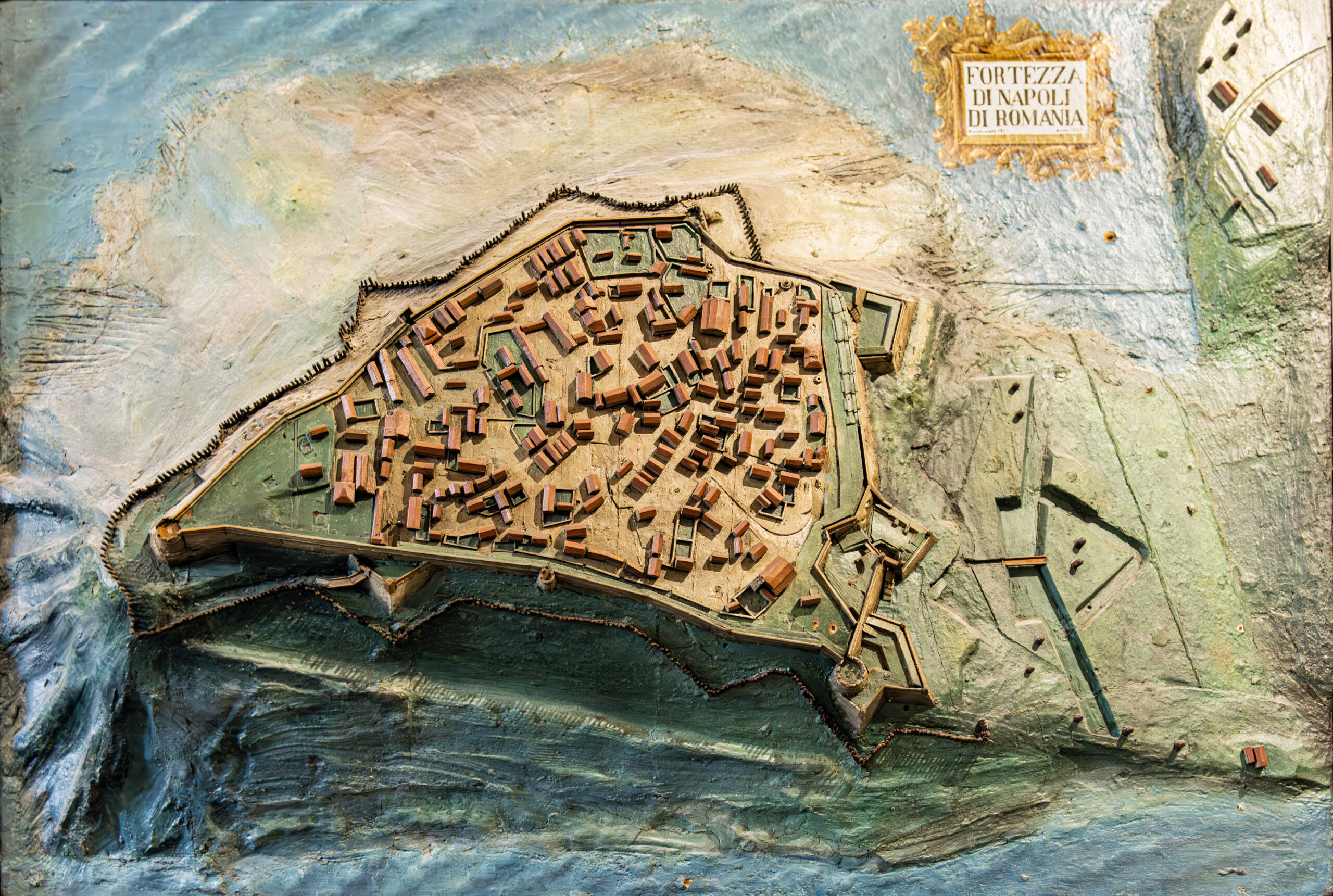
Zakynthos Town rewards slow exploration. The wide waterfront promenade, the neoclassical arcades, and the central squares have an elegance that feels more Italian than typically Greek — the Venetian influence runs deep here, visible in the architecture, in the place names, and in the food.
St. Dionysios Church is the spiritual heart of the island. The relics of the patron saint are housed here and carried in procession twice yearly — on August 24 and December 17 — occasions that draw islanders from every corner of Zakynthos and visitors who happen to be there on the right day.
The Solomos Museum, facing the square named for the poet, tells the story of Dionysios Solomos — a Zakynthian who wrote the Hymn to Liberty in 1823, the poem that would become the Greek national anthem. The collection includes his manuscripts, personal effects, and exhibits on other eminent Zakynthian figures including the lyric poet Andreas Kalvos.
The Byzantine Museum holds an important collection of post-Byzantine and modern Ionian art, documenting the distinctive Western-influenced artistic tradition that developed here under Venetian rule — a tradition quite different from the Orthodox Byzantine painting schools of mainland Greece.
Food & Wine — Zakynthian Gastronomy
Zakynthian food is a cuisine with a genuine identity — not the generic Greek island cooking you encounter on more touristy islands, but a specific set of dishes rooted in Venetian influence, local ingredients, and centuries of culinary tradition.
Ladotyri — The Island Cheese
Ladotyri is the cheese of Zakynthos: a hard PDO-protected goat and sheep milk cheese aged in olive oil, with a sharp, salty flavour and a dense, crumbly texture that makes it ideal for grating over pasta or simply eating with bread and the island’s Verdea wine. The name literally means “oil cheese” — and the olive oil doesn’t just preserve it, it transforms it.
Verdea Wine — A Venetian Legacy
Verdea is a white wine style brought to Zakynthos during the Venetian period — a blend of indigenous grape varieties that produces a wine with citrus notes, gentle acidity, and a mineral finish. It’s the wine you’ll find on every taverna table, poured generously, rarely more than a few euros a carafe.
What to Eat Beyond the Tourist Menus
Go to a mountain taverna — the kind you find in Volimes, Ano Gerakari, or the hills above Keri — and order the dishes the owner’s grandmother still cooks: slow-braised goat in tomato sauce, rooster in wine, fresh-picked wild greens with lemon, and the Zakynthian take on pastitsio which is layered with a local cheese that melts into the pasta. End with a slice of fitoura, the island’s semolina-based sweet, and a small glass of the local liqueur.
> On a terrace above Keri, with a carafe of Verdea and a plate of ladotyri and olives, the sun dropping into the Cretan Sea — you realize this is what the brochures leave out. Not the checklist of sights, but the weightless hour between the food and the dark.
When to Go to Zakynthos
May to early June and late September to October are the sweet spots: warm enough to swim, quiet enough to have Porto Limnionas almost to yourself, and the turtle hatchling season peaks in September. July and August are hot and crowded — the beaches fill up, the boats multiply — but the evenings are glorious and the energy is infectious. Spring brings wildflowers, autumn brings the best sunsets.
Zakynthos is far more than the postcard shipwreck. It’s an island where conservation and tourism have learned to coexist — where a loggerhead turtle might surface beside your boat, where Venetian castle walls crumble above neoclassical streets, where a village honey seller in Volimes will tell you the story of her grandmother’s loom. The real Zante is waiting beyond the boats. Go find it.