
Athens is not a city where every museum deserves an automatic place on your itinerary. Some are essential because they make the Acropolis or ancient Greece easier to understand; others are rewarding only if you already know you want Byzantine icons, modern Greek painting, contemporary art or a hands-on family visit. The useful question is not “How many museums can I fit in?” but “Which museum will add something my trip is missing?”
This guide groups the strongest choices by interest, available time and travelling style. It also explains the compact central cluster often described as Athens’ museum district, so you can combine several institutions without crossing the whole city. For the wider picture—Acropolis, neighbourhoods, food and the Riviera—continue with the complete Athens travel guide.
Quick answer: which Athens museum is worth your time?
| If you want… | Start with… | Why it earns the time | Allow |
|---|---|---|---|
| The clearest introduction to classical Athens | Acropolis Museum | It connects objects and sculpture with the buildings and slopes of the Acropolis outside. | About 2 hours |
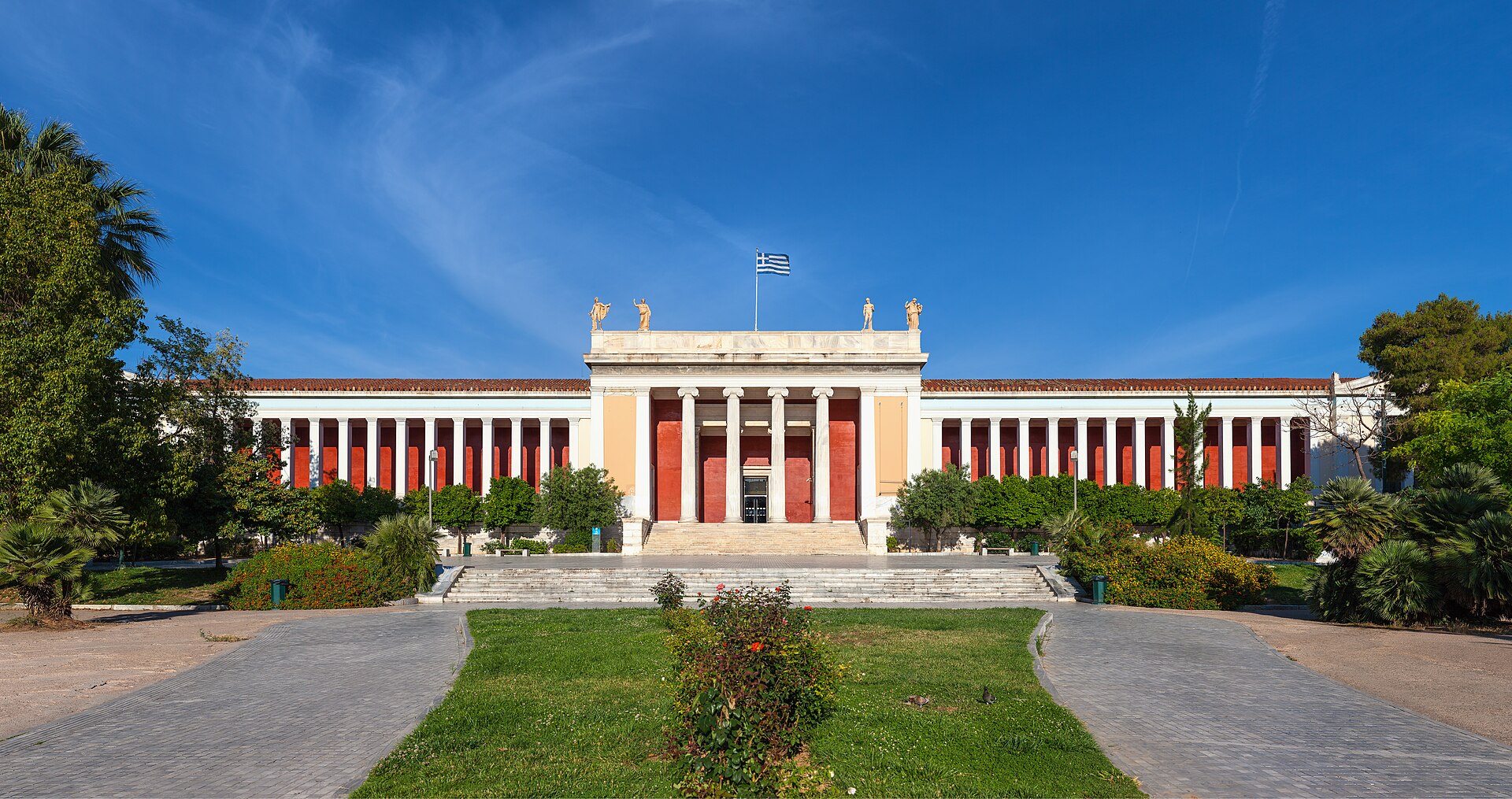
| The broadest ancient-Greece collection | National Archaeological Museum | Its range runs from prehistory through the classical, Hellenistic and Roman worlds. | 2.5–4 hours |
| A museum that follows Greek history | Benaki Museum of Greek Culture | Its collections move from prehistory to the modern era in one chronological narrative. | 2–3 hours |
| Byzantine and post-Byzantine art | Byzantine and Christian Museum | Icons, religious objects and historical context make a period often skipped by visitors tangible. | 1.5–2 hours |
| Greek painting and modern art | National Gallery | The permanent collection presents more than 1,000 works of modern Greek art. | 1.5–2.5 hours |
| Ancient history in a short visit | Ancient Agora Museum | The reconstructed Stoa of Attalos places the objects inside the civic centre of ancient Athens. | 45–75 minutes |
| A hands-on family visit | Children’s Museum of Athens | Interactive exhibits are designed for children up to 12 and their adult companions. | 1.5–2 hours |
Athens’ museum district: a real advantage, with one caveat
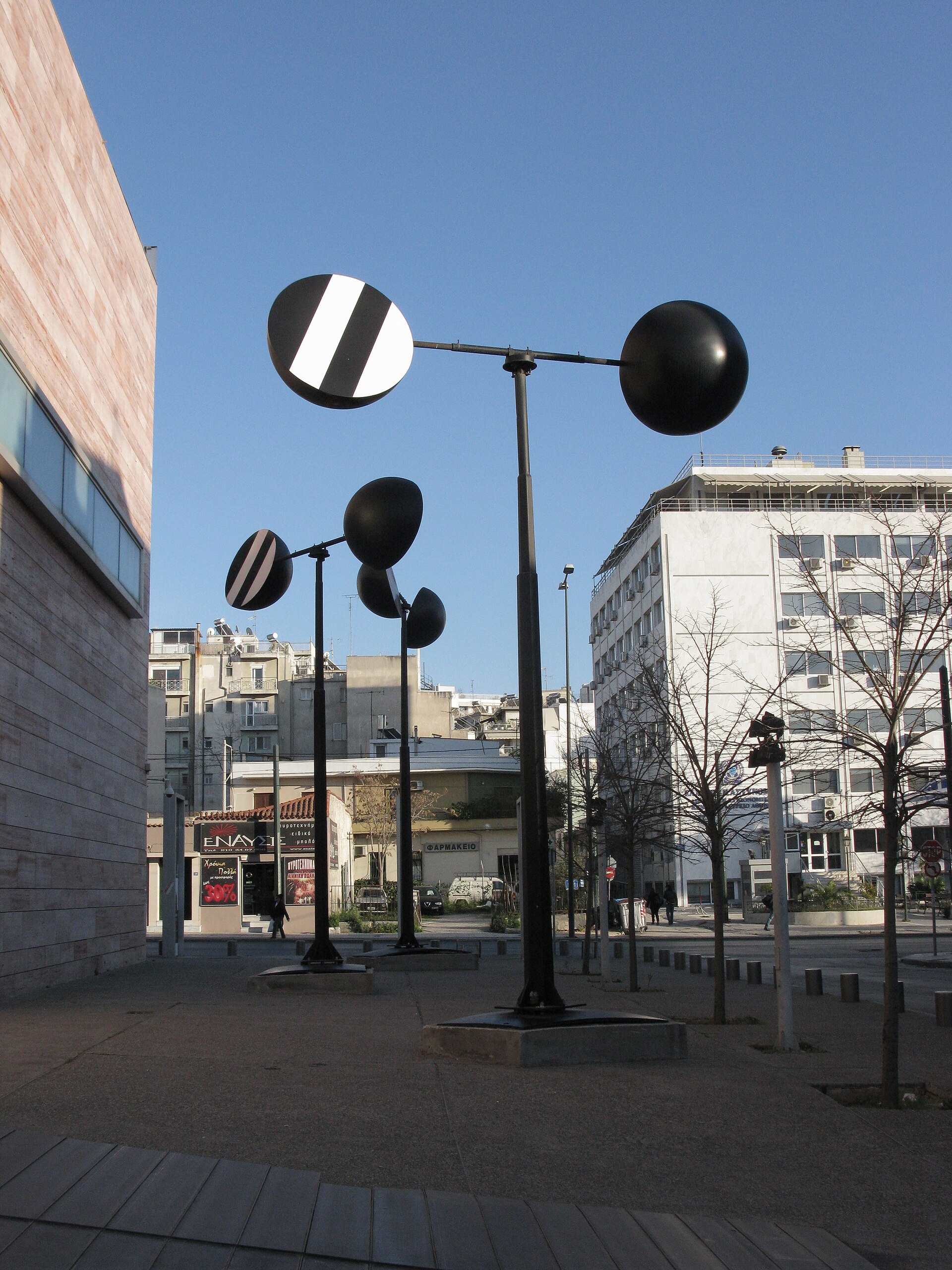
The phrase “museum district” is useful shorthand rather than a formal administrative quarter. The Official Athens Guide describes the area between Vasilissis Sofias and Vasileos Konstantinou Avenue as a cultural neighbourhood where major museums sit within roughly a two-kilometre perimeter. The densest core is a linear stretch around Benaki, Cycladic, Byzantine and Christian, and the War Museum, rather than a single pedestrian square; the National Gallery and Goulandris Museum sit towards the wider edge. That is a meaningful advantage: the Benaki Museum of Greek Culture, Museum of Cycladic Art, Byzantine and Christian Museum, National War Museum and National Gallery can be combined with parks, the National Garden and the Athens Conservatoire.
It is not, however, a single pedestrian campus. The museums occupy different buildings and the National Archaeological Museum and Acropolis Museum sit outside the Vasilissis Sofias cluster. Summer heat, museum closing days, security checks and the temptation to overpack the day still matter. Think of the district as a strong base for choosing two related museums—not as a promise that you can see everything in one afternoon.
The cluster is particularly good for art and Greek-history pairings. For example, Benaki plus Cycladic gives you a broad historical view and a focused prehistoric collection; Byzantine and Christian plus the National Gallery creates a useful bridge from religious art to modern Greek painting. The exact route and current opening information should be checked before you set out.
For ancient Greece: the museums that are actually worth it
Acropolis Museum: the best first choice for most visitors
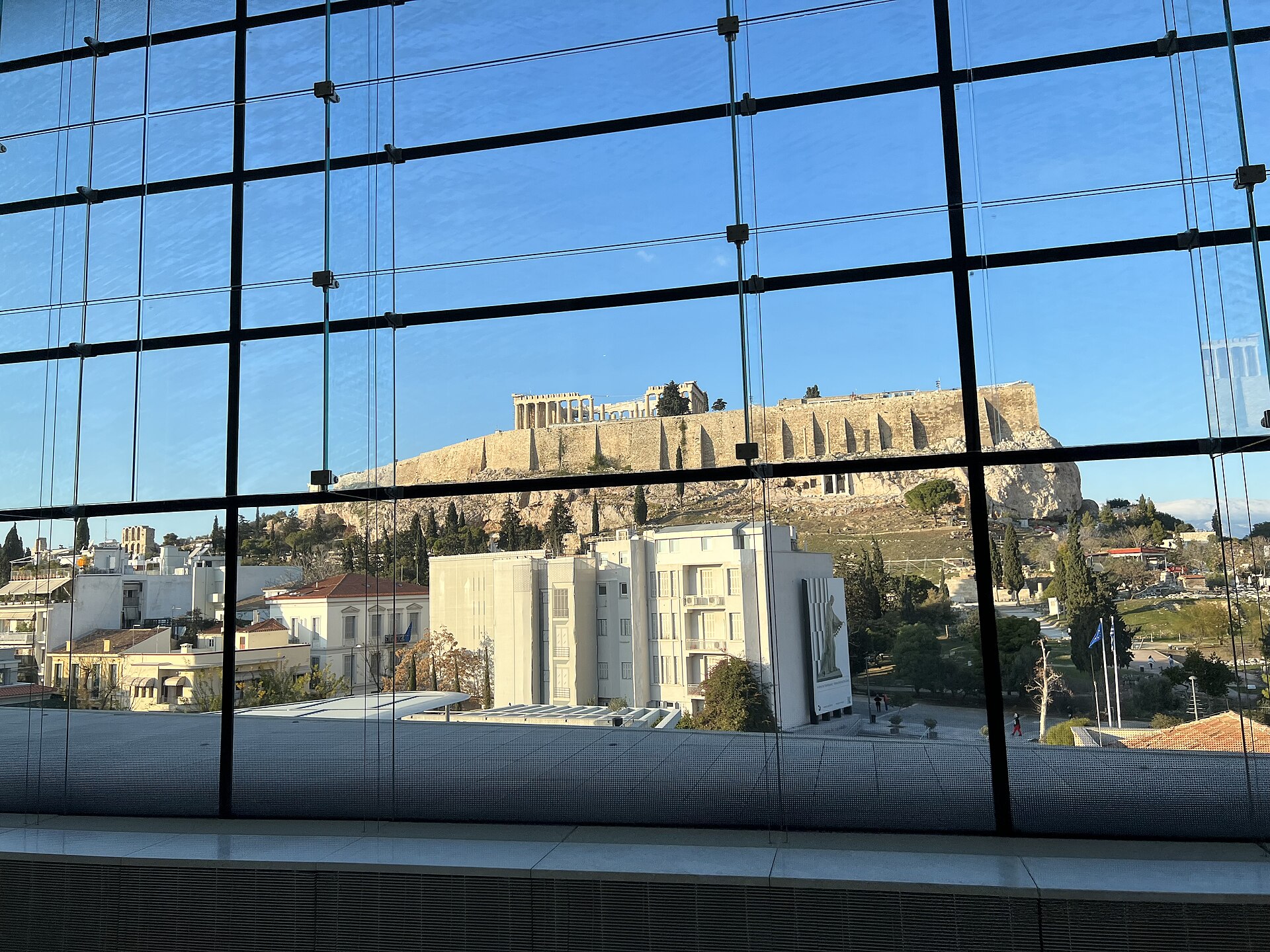
If you will visit only one museum in Athens, the Acropolis Museum is the safest recommendation for a first trip. Its galleries are tightly connected to the Acropolis, its slopes and the ancient city, so the visit does not feel like a disconnected collection of beautiful objects. The building’s archaeological excavation, the Parthenon Gallery and the surviving architectural sculpture help answer the questions that the hill itself cannot: what belonged where, how the sanctuary developed and what the monuments looked like in context.
It works especially well before or after the Acropolis, but not necessarily immediately before it on the hottest part of the day. The museum is air-conditioned, yet the combination of a long site visit and a large museum can exhaust children and occasional museum-goers. If you are short on time, focus on the excavation, Archaic Gallery and Parthenon Gallery rather than trying to read every label.
The official visit page lists a €20 general admission and €10 reduced admission, with eligibility rules that differ by age, nationality and status. Opening hours are seasonal; the same page currently separates winter and summer periods and gives last-entry information. Check it before booking. The museum is close to the Acropolis metro station, has a cloakroom and a security check, and does not allow large bags inside the galleries.
National Archaeological Museum: for depth, range and serious ancient history
The National Archaeological Museum is the more ambitious choice. It is not simply a larger Acropolis Museum: its collection covers a much wider chronological and geographical range, including prehistoric material, sculpture, metalwork, pottery, Egyptian antiquities and the Roman period. The reward is depth. The limitation is scale: visitors who arrive without a plan can lose energy before reaching the objects they most wanted to see.
Choose it if ancient Greece is the principal reason for your Athens trip, if you want to compare periods rather than focus on the Acropolis, or if you have already seen the headline monuments. A two-hour visit should be selective. Give yourself longer if you want the Bronze Age, Mycenaean material, classical sculpture and the museum’s less obvious rooms to have equal space.
The official visit page currently lists a €20 admission and summer 2026 opening hours of Wednesday–Monday 08:00–20:00, with Tuesday afternoon/evening hours; schedules are seasonal and may change. It is on 28th of October/Patission Street, north of the historic centre, so allow for the journey rather than treating it as part of the Acropolis walk.
Ancient Agora Museum: the best short ancient-history stop
The museum in the reconstructed Stoa of Attalos is smaller and more focused than the two headline archaeological museums. Its strength is location. The objects belong to the civic life of the Ancient Agora, and the long stoa gives the visit a physical relationship with the site outside. If your time is limited, this can be more satisfying than adding another vast collection to an already full day.
It is particularly good for travellers interested in how ancient Athenians used public space, law, politics and everyday objects. The official Ministry of Culture listing gives seasonal hours and notes that the museum is closed on major public holidays such as Easter Sunday and May Day; check the live listing before travelling. The museum ticket is connected with the archaeological site, so confirm the current product and any combined-ticket rules at the official channel.
Current access note: renovation works have changed the practical approach to the Agora. The main Adrianou Street entrance may be closed, with access directed through the Thiseio Square gate; parts of the upper-floor exhibition may also be unavailable. Treat this as a check-before-you-go visit rather than assuming the historic entrance and every gallery are operating normally.
For Byzantine history and the centuries between antiquity and modern Greece
Byzantine and Christian Museum: the essential specialist choice
Athens can make Greek history feel as though it jumps from Pericles to the modern state. The Byzantine and Christian Museum corrects that impression. Its permanent exhibition follows Christian and Byzantine art and material culture into the post-Byzantine world, using icons, manuscripts, objects and architectural elements to make a long and complex period readable.
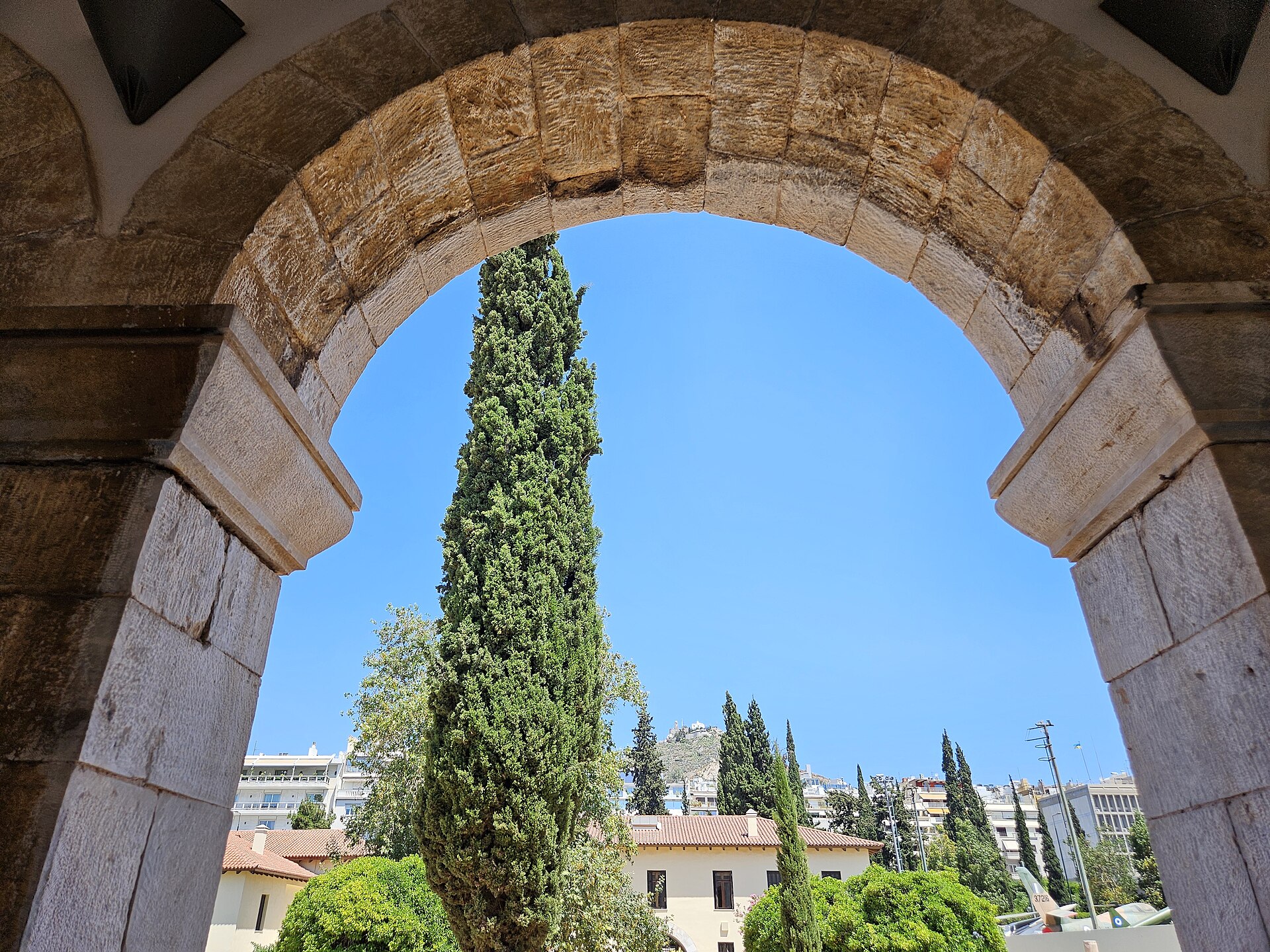
Visit it if you want religious art explained as history rather than treated as decoration, or if you are interested in the cultural continuity and changes between the eastern Roman, Byzantine and later Greek worlds. It is a quieter choice than the Acropolis Museum and a strong companion to Benaki or the National Gallery. The garden and mansion setting also create a welcome pause from the traffic of Vasilissis Sofias.
The official page lists a regular ticket of €8 and reduced ticket of €4, with the museum open 08:30–15:30 most days and closed on Tuesdays. Visitors must leave the galleries 20 minutes before closing. The permanent exhibition is accessible for people with mobility disabilities, and the museum describes a tactile route for blind visitors; contact the museum ahead for group or access questions.
For art: choose the kind of art you actually want
Benaki Museum of Greek Culture: the best all-round cultural narrative
The Benaki Museum of Greek Culture is the most useful choice when you want one institution to tell a long story of Greek culture rather than concentrate on a single period. Its flagship building near Syntagma and Vasilissis Sofias presents material from prehistory through the twentieth century, including archaeology, religious art, domestic objects, costumes and works connected with the formation of modern Greece.
Its breadth is both its appeal and its limit. It will not give you the archaeological depth of the National Archaeological Museum or the focused clarity of the Acropolis Museum. It will give you a better sense of how objects, beliefs, clothing, craft and political history fit together across time. It suits a traveller who wants context, a repeat visitor who has already seen the classical highlights and anyone who prefers a chronological museum to a single-monument story.
Check the official Benaki page for the current building, exhibitions, ticket arrangements and opening times. The Benaki network contains several different museums, including Pireos 138 and the Museum of Islamic Art; do not assume that a ticket or opening schedule for one branch applies to another.
Museum of Cycladic Art: small, elegant and highly focused
The Museum of Cycladic Art earns its place through concentration. Its permanent exhibition presents more than 350 objects from the Early Cycladic culture of the third millennium BC, with marble figurines, vessels, tools and other material that make the islands’ prehistoric world distinct from the later classical image of Greece.
This is the museum to choose if you like sculpture, archaeology and design but do not want another enormous day of galleries. The objects are visually strong, yet the museum also gives useful archaeological context and acknowledges where interpretation remains uncertain. It works well as one half of a Vasilissis Sofias museum day, perhaps paired with Benaki or the Byzantine and Christian Museum.
The official visiting guide lists the main opening pattern as Monday, Wednesday, Friday and Saturday 10:00–17:00, Sunday 11:00–17:00 and Thursday 10:00–20:00, with temporary exhibitions and events sometimes altering the schedule. Check the current page before visiting, especially on Tuesday, when the normal pattern is not the same as the other weekdays. The museum remains open during renovation work, but its visitor entrance may be routed through the Stathatos Mansion, so follow the current access instructions rather than relying on an older map.

National Gallery: the best place for modern Greek painting
The National Gallery–Museum of Alexandros Soutsos is the answer for visitors who want Greek art after antiquity. Its refurbished central building presents more than 1,000 works from the permanent collection, arranged to show the development of modern Greek art from post-Byzantine and nineteenth-century traditions towards modernism and later movements.
It is worth visiting even if you do not usually identify as an art specialist. The galleries help connect the visual language of Byzantine art, the Greek landscape and the formation of the modern state with later painting. The experience is different from the international modern-art collection at the Goulandris Museum and from contemporary art at EMST, so choose according to your interest rather than treating every art museum as interchangeable.
The National Gallery’s official page lists a €10 general admission for the permanent exhibition, with a €5 reduced ticket and free-admission rules on particular dates. It is at 50 Vasileos Konstantinou Street, near Evangelismos metro station, and the museum states that it is about 20 minutes from Syntagma Square on foot. It is a natural part of the central museum cluster.
Goulandris Museum and EMST: for modern and contemporary art
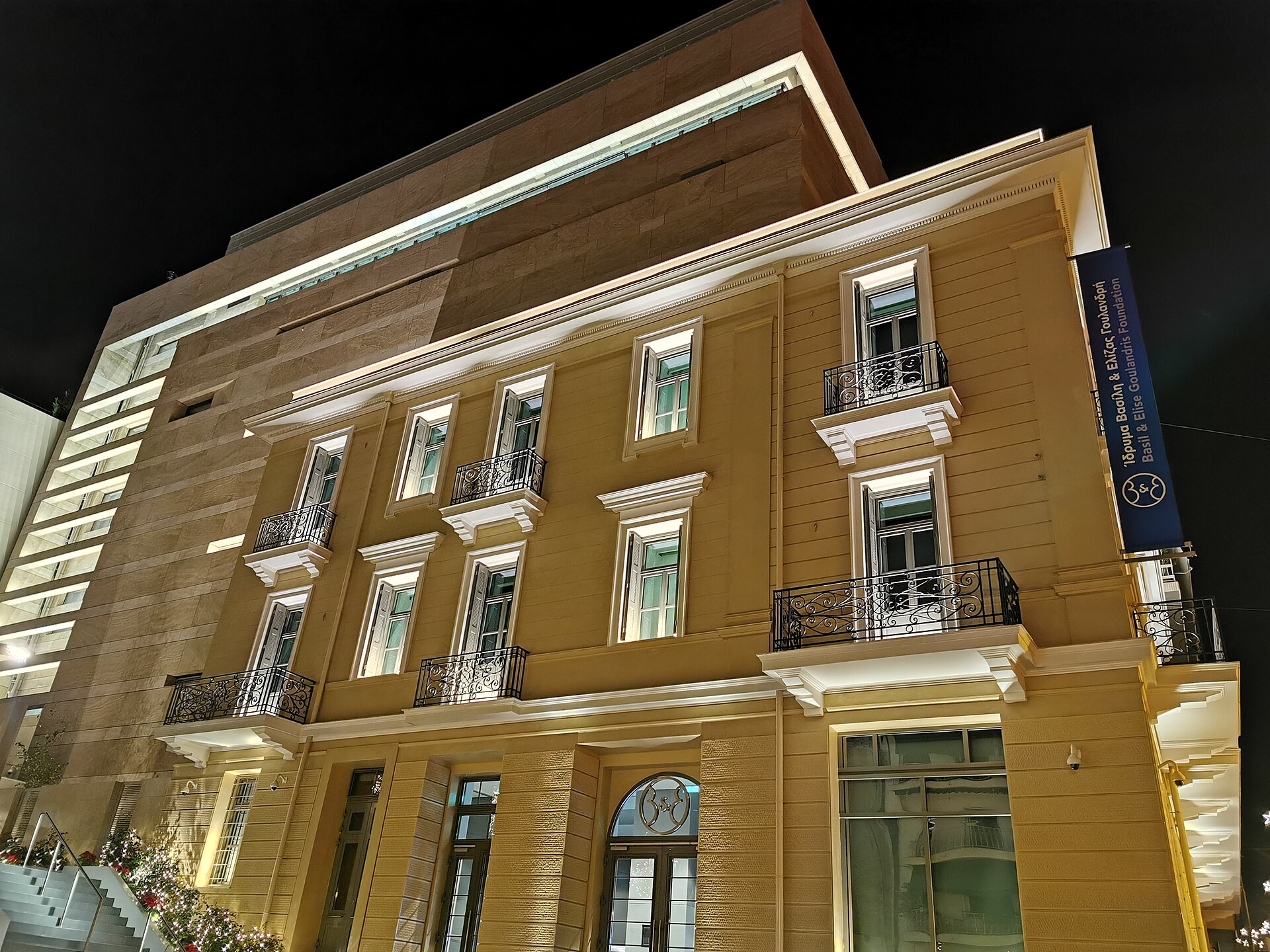
The Basil and Elise Goulandris Foundation in Pangrati is the more immediately recognisable choice for visitors who want celebrated European modernism alongside important Greek artists. The collection includes names such as Cézanne, Van Gogh, Gauguin, Monet, Degas, Rodin and Picasso, as well as Greek painters. It is a strong option for a focused art visit, but it is not a museum of Greek history.
EMST, the National Museum of Contemporary Art Athens, is the more experimental choice. Its official description defines it as Greece’s leading national institution for contemporary art and visual culture, with Greek and international work across media, exhibitions and public programmes. Choose it when you want ideas, installations and contemporary practice rather than ancient objects or a chronological national story. Check the current exhibition programme and ticket page, since the experience changes more than a permanent archaeological museum.
For families and children: what actually works
Children’s Museum of Athens: the clearest family recommendation
The Children’s Museum of Athens is designed around participation, not quiet looking. The Hellenic Children’s Museum describes its audience as children up to 12 and their adult companions, with exhibits built around role play, making, sensory exploration, science, language, daily life and practical themes. There is also a playspace intended especially for children aged 0–3.
This is a better choice for a family that needs children to move and experiment than a long, label-heavy archaeological museum. It is not a substitute for introducing older children to Greek history; it solves a different problem—giving younger visitors a museum experience in which they are active participants. The official page says reservations are required through the ticket platform, admission is free, children must be accompanied by adults, and public opening is Friday 17:00–20:00 and Saturday–Sunday 11:00–15:00, with weekday mornings reserved for school visits. Check availability before making it part of a fixed itinerary.
The museum operates on the ground floor of the Athens Conservatoire, with access from Vasileos Konstantinou Avenue and Evangelismos metro nearby. That location makes it possible to combine a family session with Rizari Park or a short, carefully chosen museum visit—but not with three more major institutions on the same day.
What to visit if you have only one day
First-time visitor: choose the Acropolis Museum, then visit the Acropolis itself at a separate time of day if your energy and ticket plan allow. Do not schedule the National Archaeological Museum as well unless ancient history is your central interest.
Ancient-history enthusiast: pair the Acropolis Museum with the Ancient Agora Museum, or replace the first with the National Archaeological Museum if you have already seen the Acropolis Museum. The second pairing is richer in objects but less tightly connected to the monuments you will see outdoors.
Art-focused visitor: use the museum district. Choose Benaki plus Cycladic for Greek history and prehistoric art, or National Gallery plus Goulandris for modern Greek and European art. Add Byzantine and Christian if religious art and the transition from Byzantium to modern Greece matter to you.
Family with young children: choose one major museum only—usually the Acropolis Museum for a first trip—and pair it with the Children’s Museum or an outdoor break. The goal is a good day, not an impressive museum count.
Limited time between flights or ferries: choose the museum closest to your existing route. The Acropolis Museum is the most legible first visit in the historic centre; the museum district works better when you are already staying around Syntagma, Kolonaki or Evangelismos. For transport planning, the existing Athens neighbourhood guide helps compare bases, while the Athens day-trips guide is useful if you are deciding whether to spend your limited time outside the city.
 Benaki Museum, Athens. Photo by Tilemahos Efthimiadis, via Wikimedia Commons, licensed under CC BY 2.0.
Common museum mistakes in Athens
- Trying to visit the Acropolis, Acropolis Museum and National Archaeological Museum in one hot morning.
- Assuming “museum district” means every major museum is next door.
- Checking a third-party listing instead of the museum’s own hours, last admission and ticket rules.
- Forgetting that Tuesday closures and seasonal schedules vary widely between institutions.
- Choosing a museum because it is famous when its subject does not interest you.
- Ignoring cloakrooms, security checks, accessibility information and the walking distance between metro stations and entrances.
The verdict
For most visitors, the Acropolis Museum is the essential starting point, the National Archaeological Museum is the deeper ancient-world choice, and Benaki is the most useful broad cultural narrative. The Byzantine and Christian Museum rewards anyone curious about the centuries usually left out of a short Athens itinerary. For art, choose National Gallery, Goulandris or EMST according to whether you want modern Greek painting, modern European masters or contemporary practice. Families should consider the Children’s Museum as a destination in its own right, not as a smaller version of an archaeological museum.
Athens rewards selective museum-going. Pick one or two institutions that answer your interests, use the central cluster intelligently, and leave enough time for the city outside the galleries.
Research and review note: checked in July 2026 against official museum websites, the Hellenic Ministry of Culture listings and the Official Athens Guide. Opening hours, last admission, exhibitions, ticket products, reservations and access arrangements can change; confirm the details directly before visiting.


.jpg)