
Athens is an unusually strong base for exploring mainland Greece. Within a manageable drive, you can reach a dramatic ancient sanctuary above the sea, the Isthmus of Corinth, Mycenaean citadels, a Venetian harbour town, the sanctuary of Asklepios at Epidaurus and the mountain landscape of Delphi. The difficulty is not finding places to visit. It is choosing a route that leaves enough time to experience them properly and still drive back safely.
This guide focuses on the best **day trips from Athens by car**, with practical comparisons rather than a list of every possible excursion. It covers the top destinations around Attica and the nearest Peloponnese and Central Greece routes, explains which places combine naturally, and identifies the trips that are technically possible but better with an overnight stay. For the wider city context, see our complete Athens travel guide. If you are deciding whether to rent a car at all, read the transport advice before booking: central Athens is generally easier without one, while the car becomes useful once you leave the capital.
Quick answer: the best Athens day trips by car
| Day trip | Approx. one-way drive | Best for | Natural combination |
|---|---|---|---|
| Cape Sounion and the southern coast | About 1¼–2 hours | Temple of Poseidon, coastal scenery and sunset | One or two Riviera stops, or Lavrio |
| Marathon and Schinias | About 1–1¼ hours | Ancient history, beach and open landscapes | An eastern Attica loop |
| Brauron and eastern Attica | About 1–1½ hours | A quieter archaeological site and rural scenery | Porto Rafti or a short coastal stop |
| Eleusis | About 30–45 minutes | A short cultural trip and the Sanctuary of Demeter | A half-day west of Athens |
| Corinth Canal, Ancient Corinth and Loutraki | About 1¼–1¾ hours | Ancient history, engineering and an easy western route | All three work in one day |
| Mycenae and Nafplio | About 1¾–2½ hours | Mycenaean archaeology, castles and a historic town | The strongest Argolid pairing |
| Epidaurus and Nafplio | About 2¼–3 hours | The ancient theatre and the Argolid | Possible, but demanding |
| Delphi | About 3–3½ hours | A major archaeological site and mountain scenery | Visit Delphi alone |
The driving ranges above are planning estimates from central Athens, rounded from current road routing rather than presented as guaranteed journey times. Traffic on the approaches to Athens, roadworks, summer congestion, parking and time spent at each stop can make the day substantially longer. Start early, avoid planning around the fastest possible route, and check navigation and official site information on the morning of travel.
Before renting a car for an Athens day trip
A car is most useful for reaching archaeological sites, coastal viewpoints and rural areas that are poorly connected by public transport. It is not especially useful inside central Athens. Collecting a vehicle for city sightseeing usually means paying for a car that sits unused, dealing with hotel parking and navigating narrow or congested streets.
The most efficient arrangement is often to spend your central Athens days without a car, then collect one when you begin the mainland route. If you are flying in and driving straight onward, Athens International Airport lists its rental-car facilities. Compare the full cost rather than the headline rate: insurance excess, deposit, fuel policy, additional drivers, child seats, one-way fees and parking can change the calculation.
Greek motorways make the western route towards Corinth relatively straightforward, but tolls apply. The Olympia Odos toll page is the appropriate place to check current rates and payment options before departure. Do not treat an old toll figure from a blog or forum as current. On smaller roads towards Cape Sounion, eastern Attica and Epidaurus, the challenge is more likely to be traffic, junctions, local driving and limited roadside space than motorway navigation.
A few practical rules matter more than squeezing in one extra landmark:
- Leave Athens before the morning traffic builds, especially for Sounion, Marathon and the Peloponnese.
- Use official car parks where available and never leave valuables visible in the vehicle.
- Do not plan a sunset arrival at an archaeological site without checking the last-admission rule.
- Allow time for fuel, food, toilet breaks and a slower return journey.
- Use a navigation app, but treat its fastest route as an estimate rather than a promise.
- In hot weather, carry water and avoid leaving children, pets or luggage in a parked car.
1. Cape Sounion: the easiest major escape from Athens
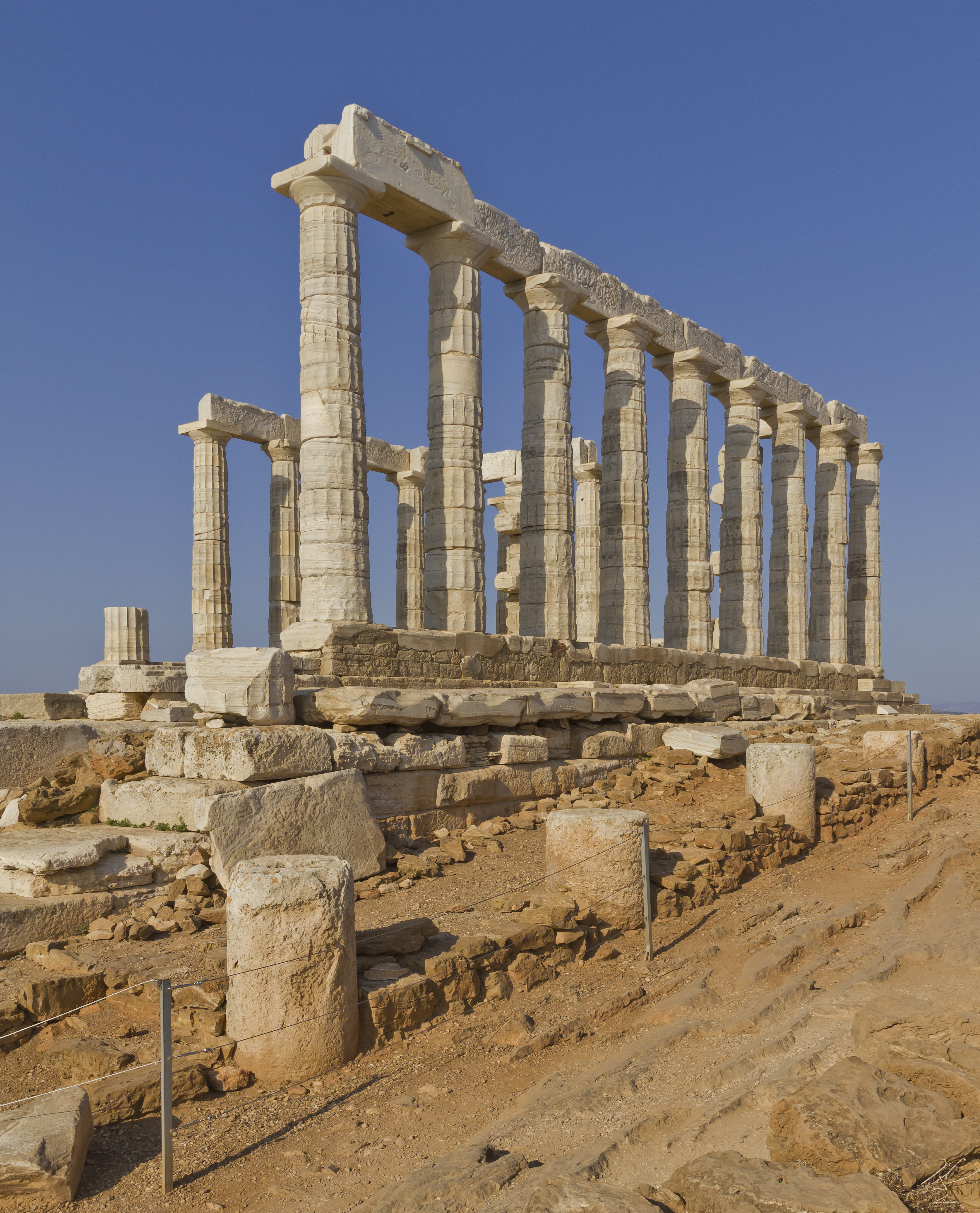
Cape Sounion is the best first choice if you have one free afternoon or want a scenic drive without committing to a full Peloponnese itinerary. The route follows the southern edge of Attica, passing the developed coastal districts of Glyfada and Voula before continuing through Vouliagmeni, Varkiza, Lagonissi and Saronida towards Lavrio and the cape.
The destination is the Temple of Poseidon, standing at the southern tip of Attica above the sea. The Ministry of Culture describes Sounion as a strategic point from which ancient Athens controlled the sea passage towards the Aegean and Piraeus. The sanctuary is therefore more than a sunset viewpoint: it was part of the defensive, religious and economic geography of the Athenian state.
The official archaeological information currently lists a full ticket at €20 and a reduced ticket at €10. Opening is listed as 09:30 until sunset, with last entry 20 minutes before sunset. Because sunset changes throughout the year, confirm the current information before leaving. The Ministry of Culture information page for Sounion is the key reference.
A coastal route with one clear destination
The drive is part of the day, but the Temple of Poseidon should remain the centrepiece rather than an afterthought.
How to plan the Sounion route
If you leave Athens in the morning, you can stop at Vouliagmeni, Varkiza or a coastal taverna before continuing south. These are useful breaks, not separate must-see attractions. Trying to swim, eat a long lunch, visit several beaches and reach Sounion for sunset can turn a pleasant day into a race.
A more balanced plan is to leave central Athens in the early afternoon, drive along the coast with one short stop, visit the archaeological site with enough time to look beyond the famous columns, then return after sunset. Alternatively, make it a daytime archaeological and coastal trip and return before evening traffic. The road is scenic in sections, but it is not an uninterrupted empty coastal road: development, junctions and traffic are part of the experience.
Lavrio makes a useful additional stop for travellers interested in the mining history and working harbour of southeastern Attica. It is more practical as a lunch or coffee stop than as a second major attraction. The nearby beaches and coves vary in facilities, exposure and water conditions, so do not describe every coastal pull-in as a safe swimming beach.
Who should choose Cape Sounion?
Choose Sounion if you want the most manageable combination of ancient history and sea views, or if you have only half a day beyond Athens. It suits first-time visitors, couples, photographers and travellers who prefer a flexible route. It is less suitable if you want a dense concentration of museums and monuments: the main attraction is the setting, and the site visit itself is relatively focused.
2. Marathon and Schinias: eastern Attica beyond the city
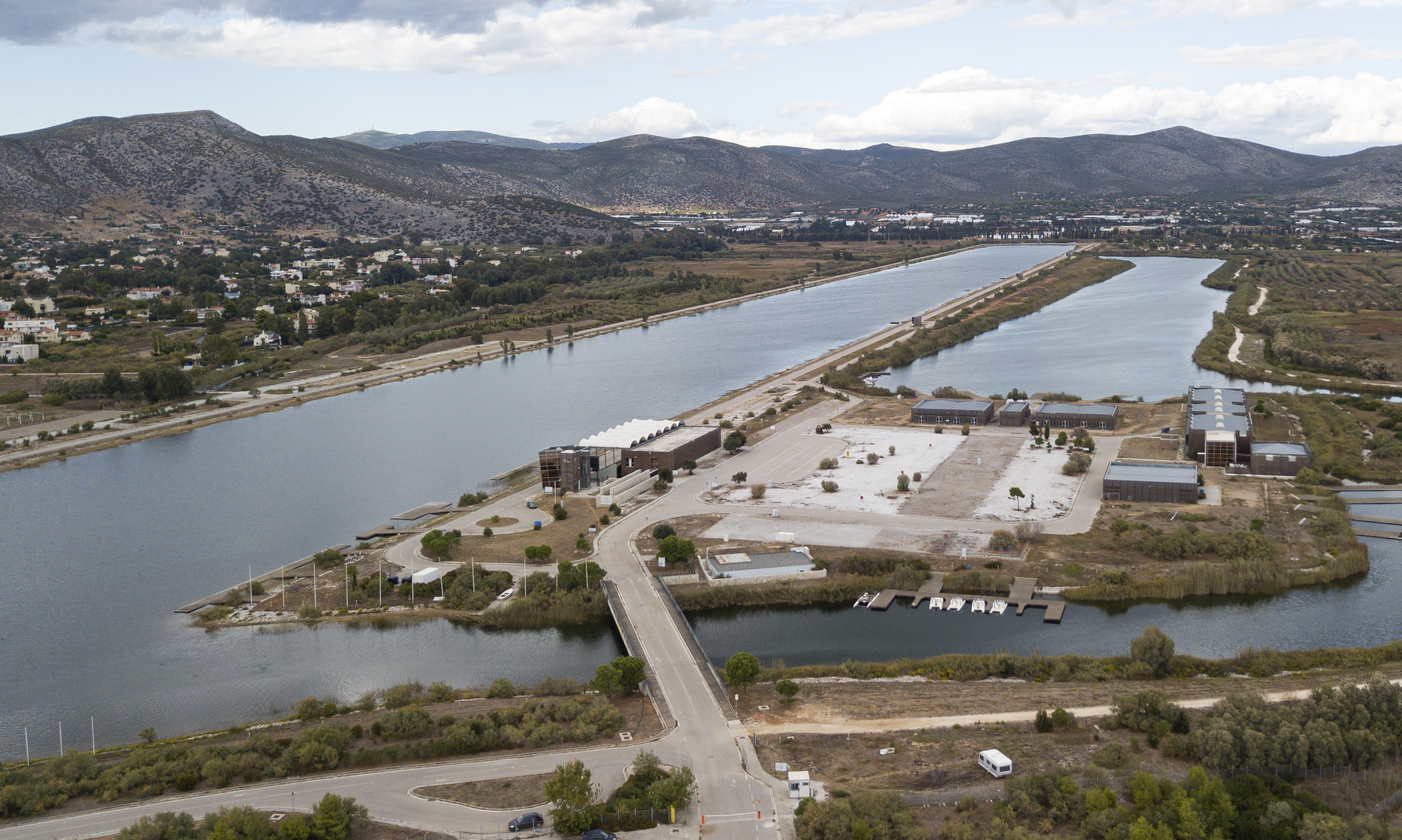
Marathon is one of the most interesting choices for travellers who want a day trip with historical meaning but do not want to drive as far as the Peloponnese. The area combines the battlefield landscape associated with the Battle of Marathon, the Archaeological Museum of Marathon and the coast and wetlands around Schinias.
The modern destination is not one compact attraction. Think of it as an eastern Attica route with several stops: the museum and archaeological points around Marathon, the burial mound known as the Soros, the coastal area of Schinias and, depending on conditions, the national park and beach landscape. The experience is more open and dispersed than a visit to Ancient Corinth or Delphi.
The official Archaeological Museum of Marathon page is the place to check current visitor information. Search results and third-party listings can conflict about museum operation, so do not rely on an old opening-hour claim. The same principle applies to the Schinias wetlands and beach: weather, fire restrictions, conservation rules and seasonal access can affect what is possible.
A good Marathon loop
Start with the museum or the archaeological points you most want to see, then continue towards Schinias for a change of landscape. In summer, the beach can be the most attractive part of the route, but it should not replace the historical context that makes Marathon distinctive. In spring or autumn, the wetlands and open landscape may be more rewarding than a long beach stop.
Allow roughly a full day if you want to combine history and coast without rushing. Marathon is also a good choice for families because the day can alternate between a short indoor visit, open space and a relaxed meal. It is not the right destination if you want a single dramatic monument or a guaranteed swimming day regardless of weather.
3. Brauron and the quiet side of eastern Attica
Brauron, also written Vravrona, is a smaller and more atmospheric archaeological destination near the eastern Attica coast. The sanctuary was associated with Artemis, and the remains sit in a green setting beside a seasonal stream rather than in a dense modern town. The site offers a useful contrast with the monumental concentration of the Acropolis and the exposed cliff-top setting of Sounion.
The Ministry of Culture currently lists a full ticket of €5 for the archaeological site and a separate full ticket of €5 for the museum, with reduced tickets of €3. Its information pages state that the site and museum operate daily from 08:30 to 15:30 except Tuesdays, with last entry 20 minutes before closing. These details matter because the short afternoon opening window can shape the entire route. See the official Brauron site page and the official Archaeological Museum of Brauron page.
What to combine with Brauron
Brauron works well with a meal or coastal stop around Porto Rafti, but do not assume that every beach or harbour is a major attraction in its own right. The route can also be paired with a short stop in the Mesogeia countryside, although wine estates and restaurants have their own opening schedules and should be checked separately.
This is a good day trip for repeat visitors, archaeology enthusiasts and travellers who want a less obvious site close to the airport and eastern coast. It is not a substitute for Sounion if your priority is a dramatic sunset, and it is too small to justify a long drive unless you combine it with the surrounding area.
4. Eleusis: the most practical half-day trip
Eleusis is only a short drive west of Athens, but its historical importance is much greater than its distance suggests. The Sanctuary of Demeter and Persephone was the centre of the Eleusinian Mysteries, one of the most important religious traditions of the ancient Greek world. The Sacred Way connected Eleusis with Athens, and traces of the ancient sanctuary remain inside the modern city.
The destination also requires an honest description. Eleusis is a working urban and industrial environment, not a picturesque island-style excursion. Its character comes from the contrast between the archaeological site, the harbour, industrial heritage and the modern city. That makes it rewarding for travellers interested in layers of history, but a less obvious choice for someone seeking a conventional scenic escape.
The Ministry of Culture currently lists a combined full ticket of €10 and reduced ticket of €5 for the archaeological site and museum. The official information page states that Tuesday is a closure day, but its displayed seasonal hours need careful date checking. Consult the current Eleusis information page before setting out. Visit Greece also provides an overview of Elefsina’s history and visitor context.
Eleusis is best as a morning or afternoon trip, perhaps followed by lunch or a short coastal drive. It can be combined with western Attica only if you have a specific destination in mind; do not fill the route with random stops simply because the drive is short.
5. Corinth Canal, Ancient Corinth and Loutraki
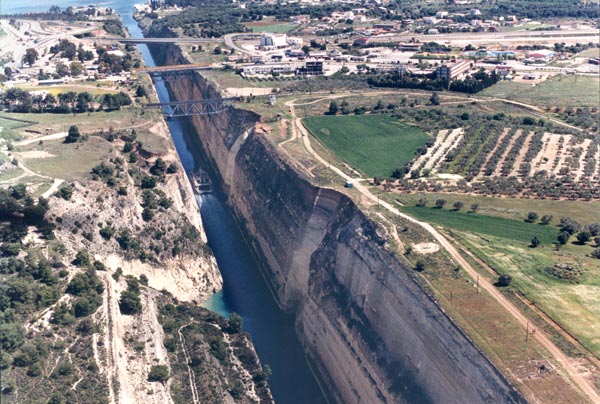
The western route is one of the most efficient day trips from Athens by car. In a single day, you can cross the Isthmus of Corinth, look into the Corinth Canal, visit the archaeological site and museum at Ancient Corinth, and finish with a meal or coastal walk in Loutraki.
The canal is a modern engineering landmark rather than an archaeological site. It cuts through the Isthmus and makes the geography immediately understandable. Stop only at designated viewpoints and do not treat the motorway or bridge as a place for casual roadside photography.
Ancient Corinth lies at the foot of Acrocorinth. The Ministry of Culture describes the settlement’s strategic location at the meeting point of land routes and waterways, which helps explain its historical importance. The site includes the Temple of Apollo and the museum, and it is far more substantial than a quick photograph from the road.
The official information currently lists a full ticket of €15 and a reduced ticket of €8, with a combined ticket for the archaeological museum and site. The published seasonal schedule lists 08:00–19:00 from 1 to 30 April, 08:00–20:00 from 2 May to 31 August, and progressively earlier closing times through September and October. Check the Ministry of Culture page for Ancient Corinth before travelling.
Should you add Acrocorinth?
Acrocorinth is a separate, hilltop fortress experience and can add considerable walking and driving time. It is worthwhile for travellers who enjoy fortifications and panoramic views, but it is not essential for a first Ancient Corinth day trip. If you add it, reduce the number of other stops rather than treating it as a ten-minute detour.
Loutraki is the natural place to finish if you want the sea after the archaeological site. A short coastal stop can make the route feel more varied, while a longer visit to the wider Perachora area belongs to a different, more ambitious itinerary. The official Loutraki destination guide from the Region of Peloponnese is useful for deciding whether to extend the route.
Nemea: the quieter alternative for history and wine
If you prefer a more rural route, Ancient Nemea is a worthwhile alternative to Loutraki. The sanctuary combines the Temple of Zeus, an ancient stadium and an archaeological museum, while the surrounding Nemea region is also known for its vineyards. It is a better choice for travellers who want a slower cultural day than for anyone looking for a beach finish.
The official Ministry of Culture information for the Temple of Zeus at Nemea covers the site, stadium and museum. Opening hours and closure days are particularly important when combining Nemea with Corinth, so check the current page before setting out rather than assuming that both sites follow the same schedule.
6. Mycenae and Nafplio: the strongest full-day pairing
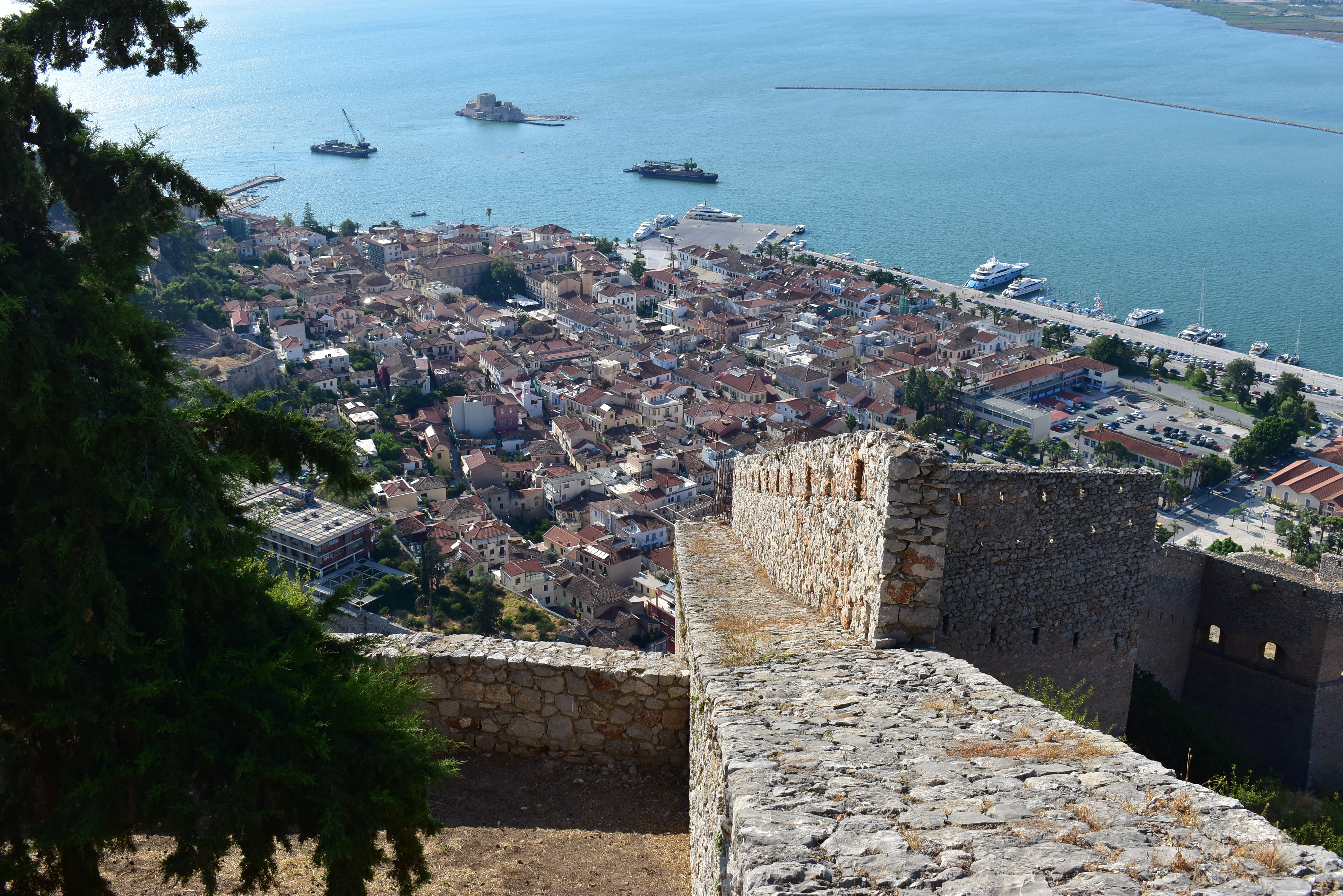
For many visitors, Mycenae and Nafplio make the best full-day combination from Athens. Mycenae supplies the archaeological weight; Nafplio provides a compact old town, fortresses, harbour views and a more relaxed end to the day.
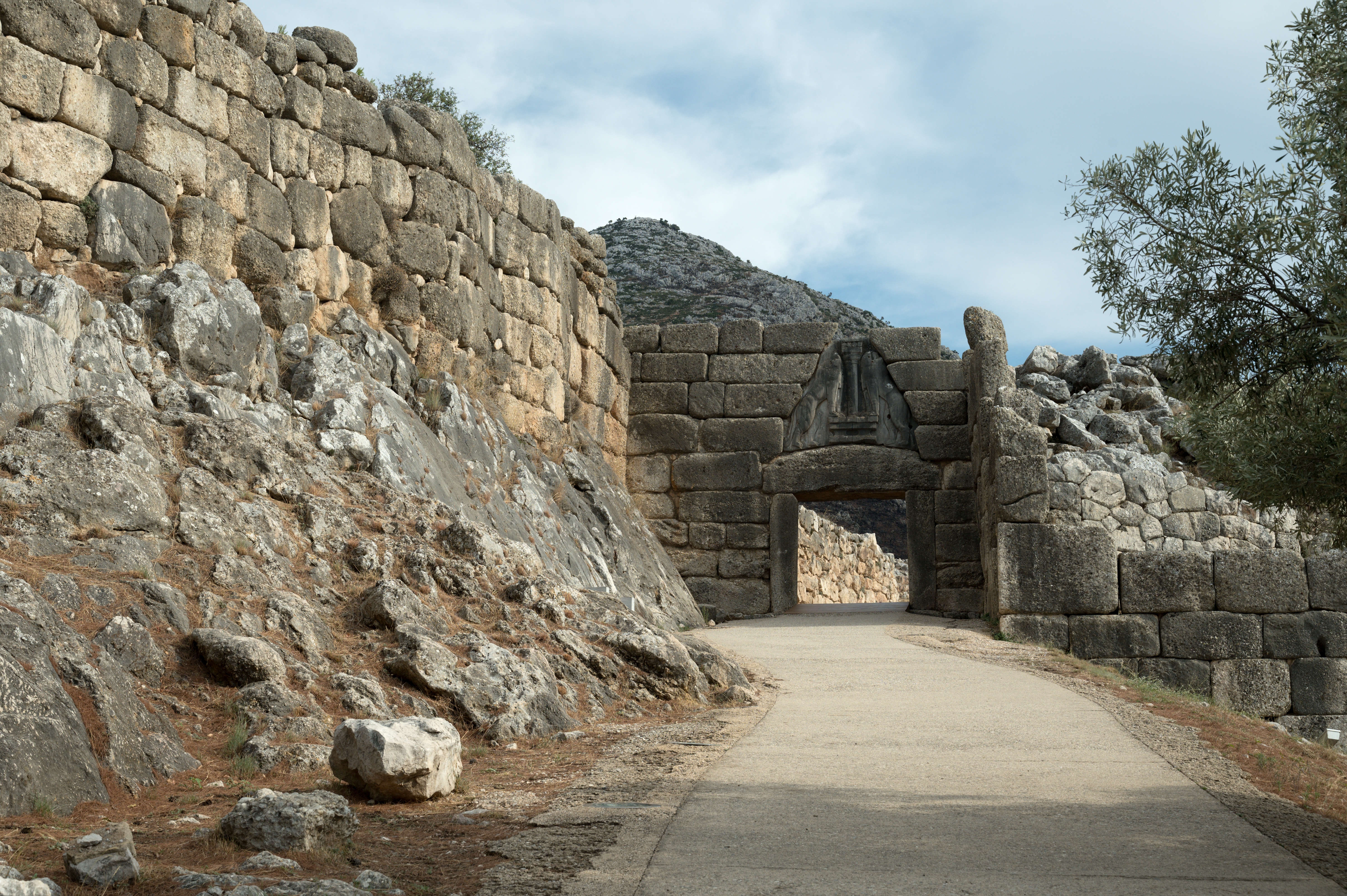
Mycenae was a major centre of the Late Bronze Age and is associated with the Mycenaean civilisation that shaped much of the historical imagination around the Trojan War. The Lion Gate, Cyclopean walls, Grave Circle and Treasury of Atreus are the key elements, but the site is also a landscape of ridges and open views. Wear proper footwear and allow more time than a quick photo stop.
The official Mycenae information page currently lists a full ticket of €20 and a reduced ticket of €10. The ticket includes the archaeological site, museum and Treasury of Atreus. The Ministry of Culture lists seasonal hours from 08:00 in spring and summer, with closing times changing through September and October, and a winter schedule of 08:30–15:30. Check the official Mycenae page before choosing your departure time.
Build the day around the site, not the map
Mycenae and Nafplio work because they offer two different experiences. Do not add Epidaurus unless you are deliberately planning a very long day.
How to use Nafplio at the end of the route
Nafplio’s old town is easy to explore on foot once you have parked. Walk around Syntagma Square and the waterfront, then decide whether you have time and energy for Palamidi. The Venetian fortress rises above the town and offers broad views, but it is not a casual flat stroll. The Ephorate of Antiquities of Argolida currently lists a €20 full ticket and €10 reduced ticket for Palamidi, with seasonal opening hours and last entry 20 minutes before closing. Verify the official Palamidi information before visiting.
Vivid Greece already has a detailed Nafplio guide covering the fortresses, old town and Argolid coast. Use this day-trip route as an introduction rather than repeating the complete town guide in your planning.
The realistic version of the route is: Mycenae first, Nafplio afterwards, with a late lunch or early dinner in town. Starting with Nafplio and then trying to fit the archaeological site into the afternoon risks arriving when the site is close to closing, especially outside the long summer season.
7. Epidaurus and Nafplio: possible, but demanding
The Sanctuary of Asklepios at Epidaurus is one of the most memorable day trips in the wider Athens region, particularly for visitors interested in ancient theatre, medicine and sacred landscapes. The theatre is the headline attraction, but the wider sanctuary and museum explain why Epidaurus was a healing centre rather than simply a performance venue.
The official Ministry of Culture information currently lists a full ticket of €20 and a reduced ticket of €10. The ticket is valid for the theatre, archaeological site and museum. For 2026, the published schedule includes 08:00–20:00 from 2 May to 31 August, with earlier closing times in September and October; winter and spring hours are shorter. See the official Epidaurus information page before travelling.
Epidaurus can be combined with Nafplio, but the route is longer and less forgiving than Mycenae plus Nafplio. It is best for travellers who start early, accept a long return journey and prioritise the theatre over leisurely beach or town time. If your real aim is a relaxed Nafplio day, choose Mycenae instead. If your real aim is Epidaurus, give the sanctuary enough time and treat Nafplio as a short meal stop.

When Epidaurus deserves an overnight stay
An overnight in Nafplio or the Argolid is the better choice if you want to include Epidaurus, Mycenae and Nafplio without turning the trip into a sequence of car parks. It also makes sense during the summer theatre season, when a performance or late evening in the area changes the rhythm of the journey. This is the point where a day trip begins to become a short Peloponnese itinerary; our Peloponnese road-trip guide is the more appropriate planning resource.
8. Delphi: the best ambitious day trip
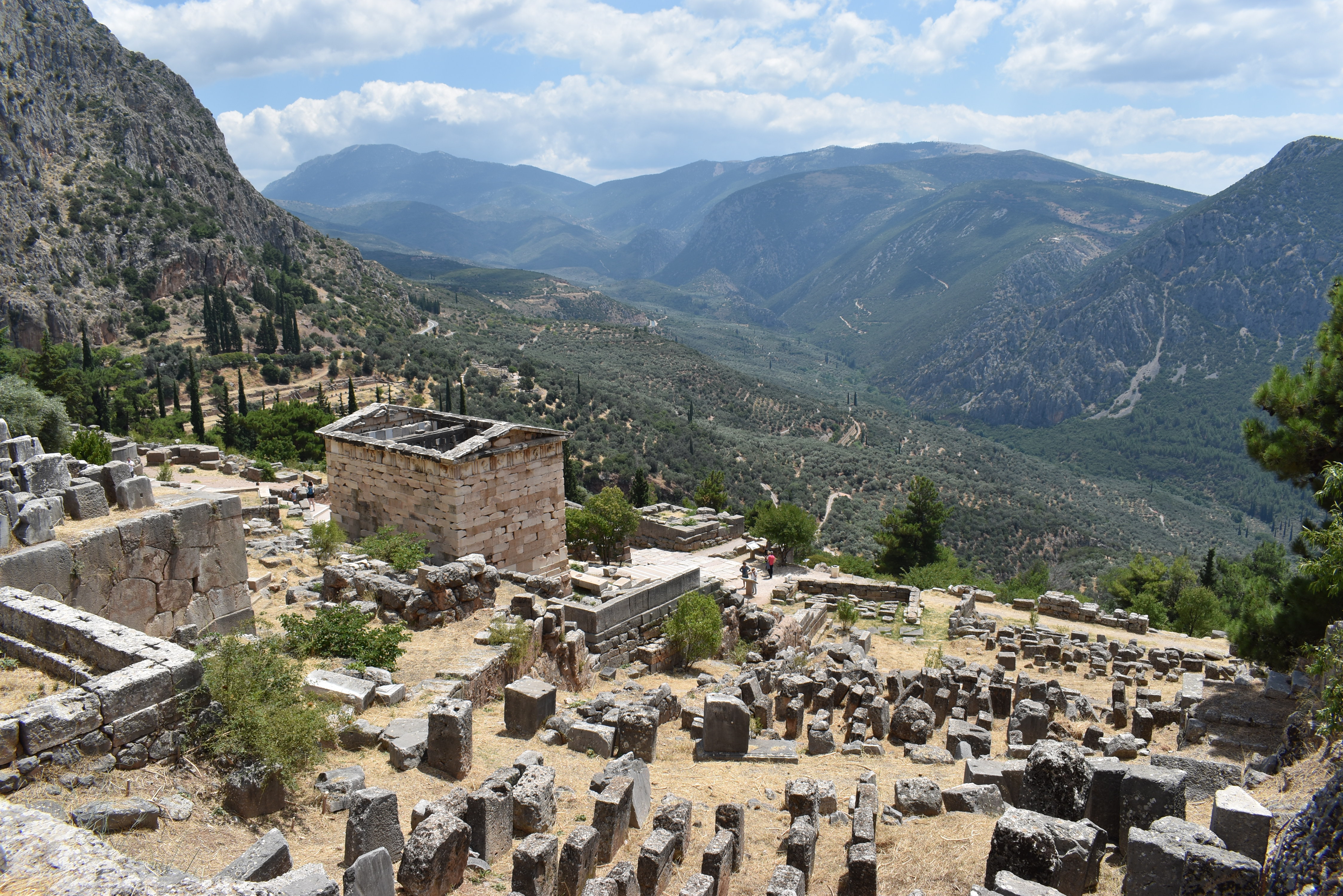
Delphi is the most ambitious destination in this guide, but it remains possible as a day trip for travellers who value it enough to accept a long drive. The sanctuary’s position on the slopes of Mount Parnassus, the archaeological remains, the museum and the mountain views create a more complete experience than a single monument visit.
Visit Greece describes Delphi as the ancient “navel of the Earth” and highlights the relationship between the archaeological site, the modern town, Mount Parnassus and nearby coastal settlements. That wider setting is important: Delphi is not simply a stop beside a motorway. It is a mountain destination with a demanding road journey from Athens.
The Ministry of Culture currently lists a full ticket of €20 and a reduced ticket of €10, with tickets available at the site and online. The official schedule states 08:30–15:30 from 1 November to 31 March and 08:00–20:00 from 1 April to 31 October, with last admission 20 minutes before closing. Seasonal and holiday exceptions apply. Check the official Delphi information page before setting out.
Delphi is spread across more than one sanctuary, and the modern road separates the Sanctuary of Apollo from the Sanctuary of Athena Pronaia. Access to individual monuments, paths and nearby road sections can change because of safety works, rockfall protection or weather. Do not assume that every familiar Delphi photograph is accessible on the day; contact the local Ephorate or check the latest official notice before travelling. The Delphi site lists the Ephorate contact details as +30 22650 82313.
How to do Delphi by car in one day
Leave Athens early, visit the archaeological site and museum, have a simple lunch in Delphi or Arachova, then begin the return journey before fatigue becomes a safety issue. Do not attempt to add Nafplio, Ancient Corinth or a long coastal detour. A short stop in Arachova can make sense if it fits naturally on the route, but it should not displace the site itself.
The road estimate from central Athens is roughly three hours each way, but weather, traffic and road conditions can change that. The return after a long walk on a sloping archaeological site is the main practical limitation. If you have only one spare day and are choosing between Delphi and Mycenae–Nafplio, choose according to your priority: Delphi for a single monumental cultural experience in a mountain landscape; Mycenae and Nafplio for a broader day with more variety and a gentler social finish.
Vivid Greece also has a dedicated Delphi guide covering the oracle, museum and Mount Parnassos. Read it before deciding whether this should be a day trip or an overnight stop.
Which Athens day trip is best for your trip?
For a first car day: choose Cape Sounion if you want scenery and a manageable route, or Ancient Corinth if you want a more concentrated historical outing.
For the best ancient-history day: choose Mycenae and Nafplio. It offers the strongest balance between a major archaeological site, a memorable town and manageable route planning.
For a family day: Marathon and Schinias allow you to alternate museum time, open landscapes and the coast. Sounion can also work, but the heat and exposed archaeological site need careful timing.
For a quieter archaeological experience: choose Brauron, particularly if you are staying near the airport or eastern suburbs. Check the short opening hours first.
For a half-day: choose Eleusis for history close to Athens or Sounion if you can begin in the afternoon and want a coastal sunset.
For a serious cultural commitment: choose Delphi, but treat the long return drive as part of the decision rather than an inconvenience to ignore.
Car-based combinations that work — and those that do not
| Combination | Why it works | What to avoid |
|---|---|---|
| Sounion plus one Riviera stop | The route follows the same coastal direction | Trying to visit every beach between Athens and the cape |
| Marathon plus Schinias | A natural eastern Attica loop with history and nature | Assuming beach access or facilities are identical year-round |
| Brauron plus Porto Rafti | A compact archaeological and coastal day | Arriving at Brauron after its short afternoon opening window |
| Canal plus Ancient Corinth plus Loutraki | A short western route with varied stops | Adding Perachora without checking the extra road time |
| Mycenae plus Nafplio | A major site followed by a walkable historic town | Adding Epidaurus automatically |
| Epidaurus plus Nafplio | Possible for early starters who prioritise the theatre | Expecting a relaxed day with multiple extra stops |
| Delphi alone | The drive is long enough and the site deserves time | Combining Delphi with the Peloponnese |
When not to take a car
Do not rent a car simply because you are visiting Athens. The historic centre, Acropolis, museums and main neighbourhoods are generally easier on foot and by public transport. A car becomes a good tool when your itinerary has two or more mainland routes, when you want to choose your own stops, or when you are travelling with equipment, children or luggage that makes multiple public-transport connections difficult.
A guided tour or private transfer can be the better option for Delphi, Epidaurus or a long Argolid day if you do not enjoy driving, want historical interpretation, or expect to return tired. The point of a rental car is flexibility, not proving that every destination must be self-driven. Compare the total cost and your comfort level before booking.
Final verdict
The best day trip from Athens by car is not the furthest place you can reach. It is the route that matches the time you have and leaves enough space to experience the destination properly. Cape Sounion is the easiest scenic choice; Corinth is the most efficient western route; Marathon and Brauron reveal eastern Attica beyond the familiar city; Mycenae and Nafplio offer the strongest all-round full day; Epidaurus deserves a slower schedule; and Delphi is the rewarding but demanding stretch option.
For a first mainland excursion, choose Mycenae and Nafplio if you have a full day, or Cape Sounion if you have only an afternoon. Start early, verify every archaeological site’s current hours and ticket conditions, and remember that the road home is part of the itinerary too.
Research and review note: Checked in July 2026. Archaeological-site hours, ticket prices, road conditions, tolls, access rules and seasonal services can change; confirm the official information and driving conditions before setting out.


_2019.JPG)


.jpg)

