
Crete is too large for one universal answer to the question of where to stay. Chania, Rethymno, Heraklion, Agios Nikolaos, Elounda and the resort coast around Hersonissos all offer very different holidays. The right base depends less on which town looks most attractive in a photograph and more on how you want to spend your days.
This guide compares the main areas by traveller fit, beaches, transport, car requirement and access to the rest of the island. It also explains when one base is sensible, when two are worth the move, and what to check before you book accommodation.
Choose the base before you choose the room
On Crete, the address determines how much time you spend swimming, driving, waiting for buses or moving luggage between regions.
Quick answer: the best area for your type of trip
| Area | Best for | Car requirement | Main limitation |
|---|---|---|---|
| Chania | A first visit, old-town atmosphere and western Crete | Not essential for the city; useful for beaches and villages | Western excursions can be long day trips from the city |
| Rethymno | A central base with an old town, beach and flexible day trips | Optional for the town; useful beyond the north-coast corridor | It is central, not truly close to every part of Crete |
| Heraklion | Knossos, museums, food, ferries and short stays | Not essential for the city and main cultural sights | More working city than postcard resort |
| Agios Nikolaos | Eastern Crete, a walkable town and a sea-and-history mix | Optional for town days; useful for wider eastern Crete | Poor base for western Crete excursions |
| Elounda | Resort stays, bay scenery and Spinalonga boat trips | Useful, but not essential for a resort-led stay | Less flexible for budget travel and island-wide touring |
| Hersonissos, Stalida or Malia | A practical beach holiday with restaurants, shops and excursions | Not essential for the resort; useful inland | A developed, busy coast rather than a quiet Cretan escape |
| South coast | Slower trips, dramatic coastlines and repeat visitors | Usually the most useful option | Longer roads and fewer transport alternatives |
Before booking: compare current accommodation availability only after deciding which area fits your itinerary. A cheaper room in the wrong part of the island can cost more in driving time, taxis, excursions and lost holiday hours.
How to choose your Cretan base
There are three decisions behind most accommodation searches on Crete. First, decide whether the trip is town-led, beach-led or route-led. A town-led trip benefits from evening walkability, restaurants and public transport. A beach-led trip usually cares more about the exact shoreline, pool, shade and whether the surrounding resort is lively or quiet. A route-led trip needs parking, sensible access to the next stop and fewer promises about what can be reached in a single day.
Second, decide whether your preferred base is a destination in its own right or simply a useful place to sleep. Chania, Rethymno, Heraklion and Agios Nikolaos reward evenings spent locally. Some resort strips work better when the property, beach and nearby restaurants are the holiday rather than a gateway to constant sightseeing. Third, decide how much moving you can tolerate. Crete rewards a slower plan; changing hotels every night rarely improves it.
Once those decisions are clear, compare properties by exact address, access, parking, cancellation terms and room type. That is more useful than choosing a property from a map pin alone.
Chania: the strongest all-round choice for a first visit
Chania is the easiest recommendation for a first-time visitor who wants a recognisable Cretan base rather than an isolated resort. The Old Town and Venetian harbour provide atmosphere in the evening, while the wider regional unit opens towards the White Mountains, the Akrotiri peninsula and the beaches of western Crete. The city itself is more than a pretty harbour: Nea Chora adds a practical swimming and fish-taverna area, and the historic quarters around Topanas, Splantzia, Ovraiki and Kasteli give you different versions of the centre.
Choose Chania if you want to combine an attractive town with western excursions such as Balos, Falassarna, Elafonisi and Samaria. The trade-off is distance. These are not interchangeable short trips, and some involve mountain roads, early starts, walking or a boat connection. Chania works best when you accept that a day trip may be the main event rather than trying to add several distant stops around it.
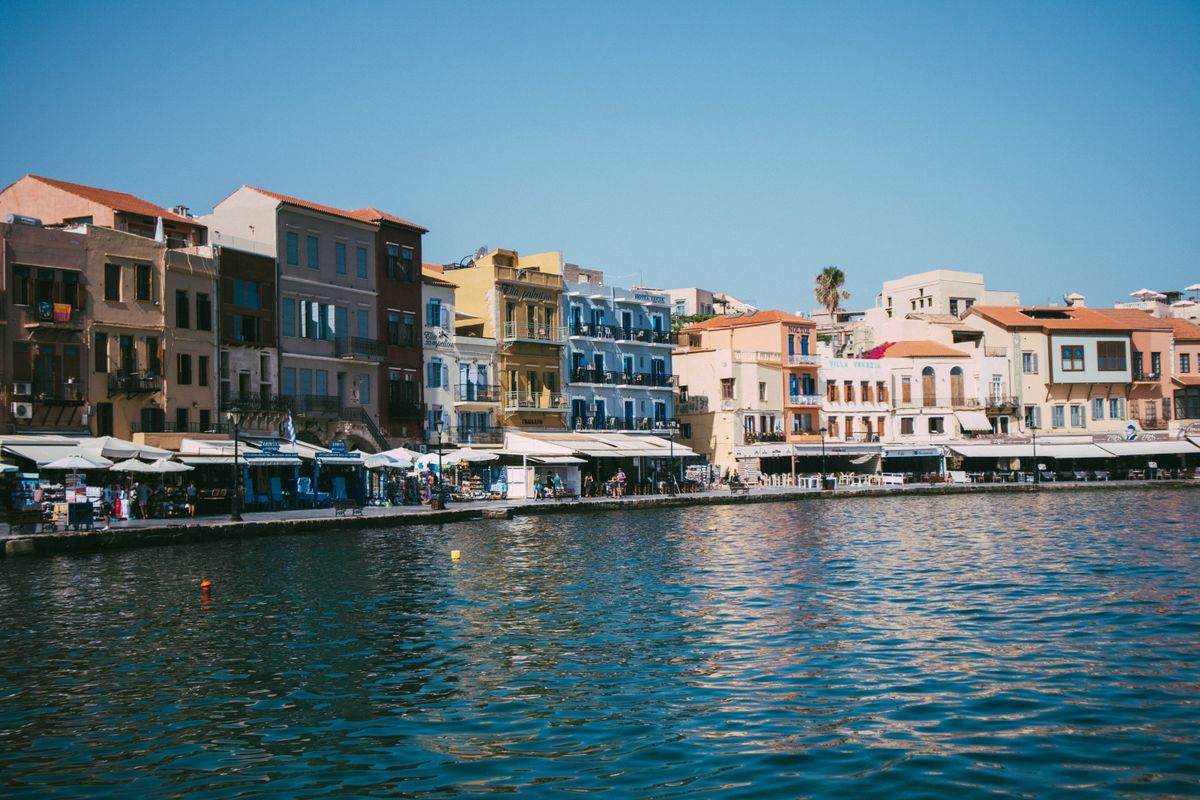
Where to look in and around Chania
- Old Town and harbour: best for atmosphere, restaurants and walking, but check noise, stairs and vehicle access before booking.
- Nea Chora: useful if you want a city base with a nearby beach and a more open waterfront.
- Koum Kapi and the eastern centre: convenient for evening walks and restaurants, with a different feel from the historic harbour.
- Akrotiri or the western beach coast: better when a car, a pool or a beach-led stay matters more than nightly access to the Old Town.
For the full city, beach and White Mountains decision, use the Chania travel guide. For accommodation, filter first for parking, walkability and the exact distance from the centre rather than relying only on the word “Chania” in a listing title.
Chania for different travellers
First-time visitors and couples usually get the most from the Old Town or the streets just outside it, where an evening walk does not require a taxi. Families may prefer Nea Chora or a coastal area with a pool and easier vehicle access, particularly if beach time matters more than historic architecture. Car-free travellers can make Chania work well as a base for the city and selected organised excursions, but should not assume that every western beach is equally simple by bus. Road-trippers can stay centrally for the first nights, then move on rather than using the city as a launch point for every distant corner.
Rethymno: the most useful compromise between west and east
Rethymno is the natural compromise for travellers who want a historic town and beach, while keeping access to both western and central Crete reasonably flexible. Its Venetian harbour, old town and Fortezza create a strong evening setting, and the long town beach means you do not need to choose between cultural sightseeing and a straightforward swim.
Rethymno is often described as a central base, but that should not be misunderstood as a licence to tour the whole island from one hotel. Chania, Heraklion, the south coast and the far east are still separate journeys. The advantage is that Rethymno gives you a balanced starting point for the north coast, Arkadi and the surrounding villages, with options towards the south when you have a car or a carefully chosen excursion.
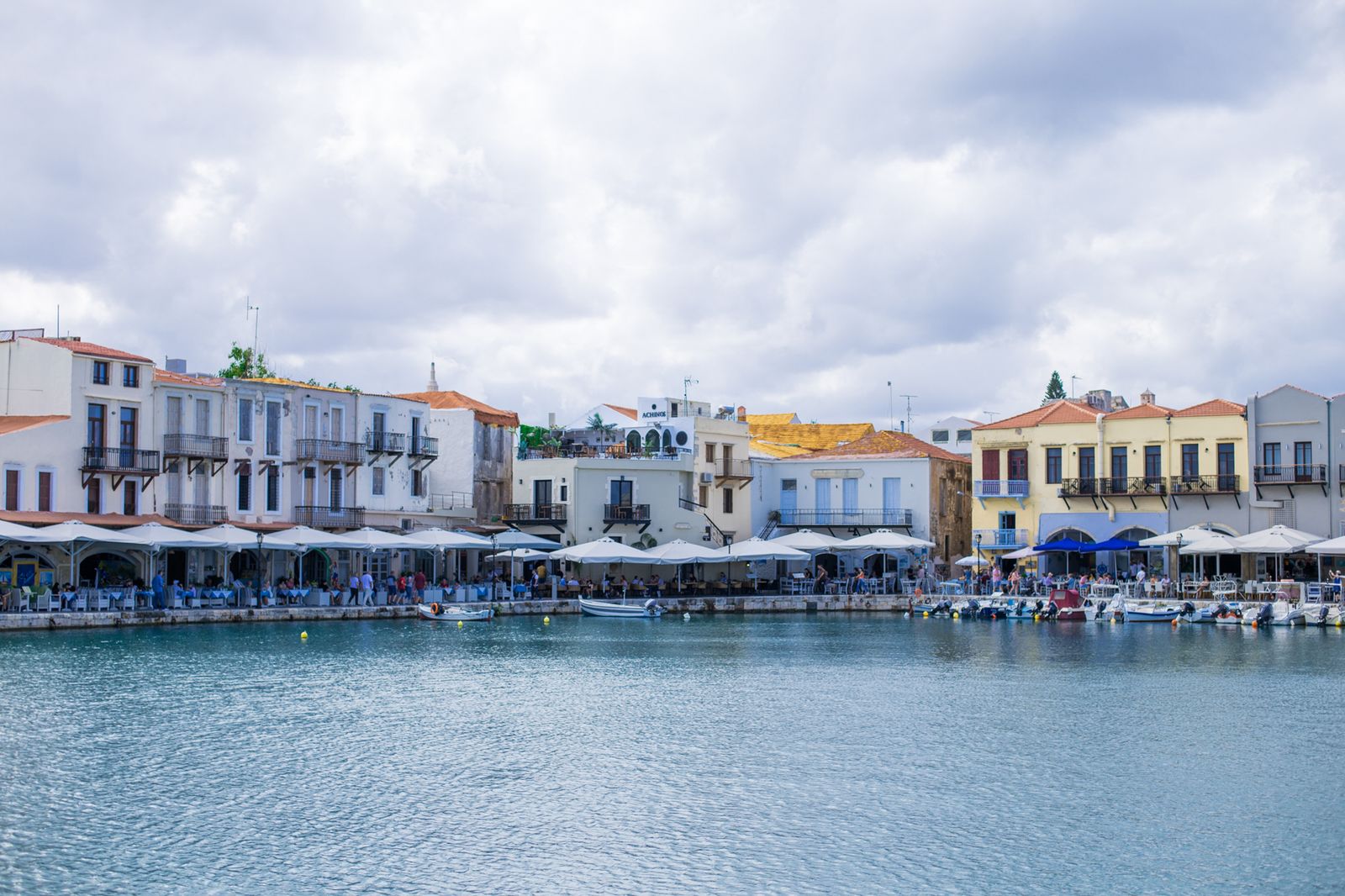
Old town or beach road?
The old town suits travellers who want architecture, evening dining and a compact historic setting. The beachfront and the streets east of the centre are more practical for families, larger rooms, pools and simple beach access. They are not the same stay: the old town may involve steps, narrow lanes and limited parking, while the beach area can feel more spread out and less historic after dark.
Who should choose Rethymno?
Choose it for a seven-day trip that needs variety without changing hotels, for couples who want evening walks and restaurants, or for travellers who prefer a smaller historic centre than Heraklion but more urban convenience than a remote village. Families should check the exact position of accommodation: the beachfront is convenient, while the old town brings character but may involve steps, narrow lanes and limited parking.
Public transport can be useful along the main north-coast corridor, but timetables and seasonal routes change. Check the current operator information before making a no-car itinerary around a particular beach or village. The Rethymno guide explains the town, south-coast options and the practical limits of using it as a base.
Heraklion: choose it for history, food and logistics
Heraklion is the right base when the trip is built around Knossos, the Heraklion Archaeological Museum, the city’s food and markets, or a ferry and flight schedule. It is Crete’s working capital rather than a resort town, and that distinction matters. Visitors looking for a polished Venetian harbour atmosphere may prefer Chania or Rethymno; visitors who want museums, archaeological context and an efficient arrival or departure point may find Heraklion more useful.
The city centre is the most practical area for a short stay. From there, you can walk to the main historic sights, reach bus connections and keep the harbour within the wider planning picture. Ammoudara offers a more resort-like coastal alternative with beach access, but it is less convenient for the old town and has a different evening character.
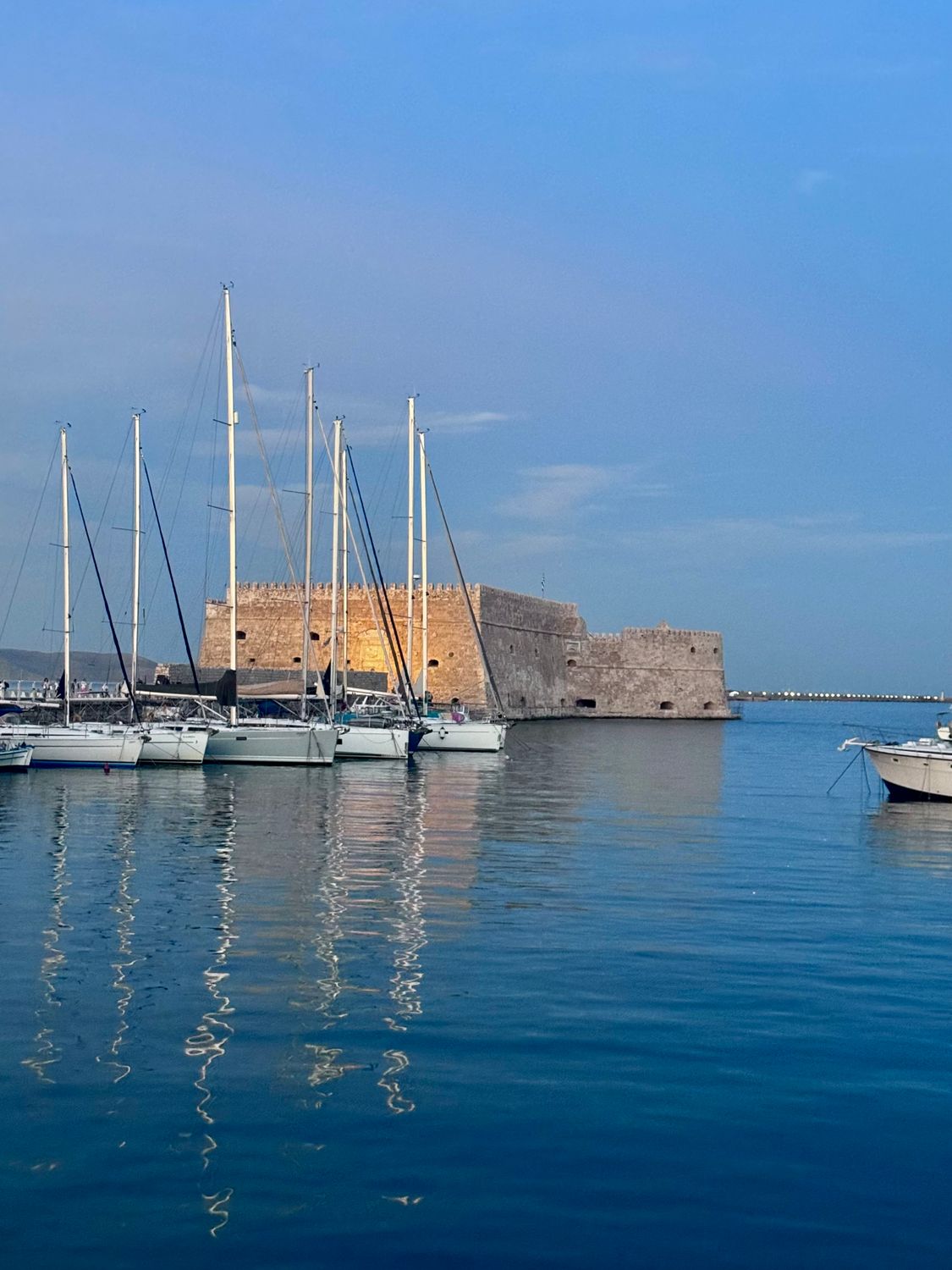
Where to stay in Heraklion
Stay in the centre when you want the Archaeological Museum, Lions Square, the market and the harbour within an evening walk. The harbour side is particularly practical for an early ferry, although the exact departure arrangements should always be checked with the operator. Ammoudara is more suitable when beach access, a pool or a resort-style room matters more than historic streets. It can be a good family compromise, but it should not be sold as a substitute for staying in the old city.
Heraklion is particularly useful for one or two nights at the beginning or end of a longer route. It can also work as a base for central Crete, but do not assume that every southern or western attraction is a comfortable day trip. Read the Heraklion guide before deciding whether the city should be your main base or simply one carefully chosen stop.
Agios Nikolaos: a walkable eastern-Crete base
Agios Nikolaos suits travellers who want a real coastal town with a compact centre, restaurants around Lake Voulismeni, a working harbour and access to eastern Crete. It is a better fit than Elounda for visitors who want to walk out for dinner and maintain some independence from a resort complex.
The town is a useful starting point for Spinalonga, Elounda, Lato, Kritsa and beaches around Mirabello Bay. Some nearby places are accessible by local or regional buses, but the wider the itinerary becomes, the more valuable a car or a planned excursion is. Agios Nikolaos is not a sensible base for regular Chania or western-Crete day trips.
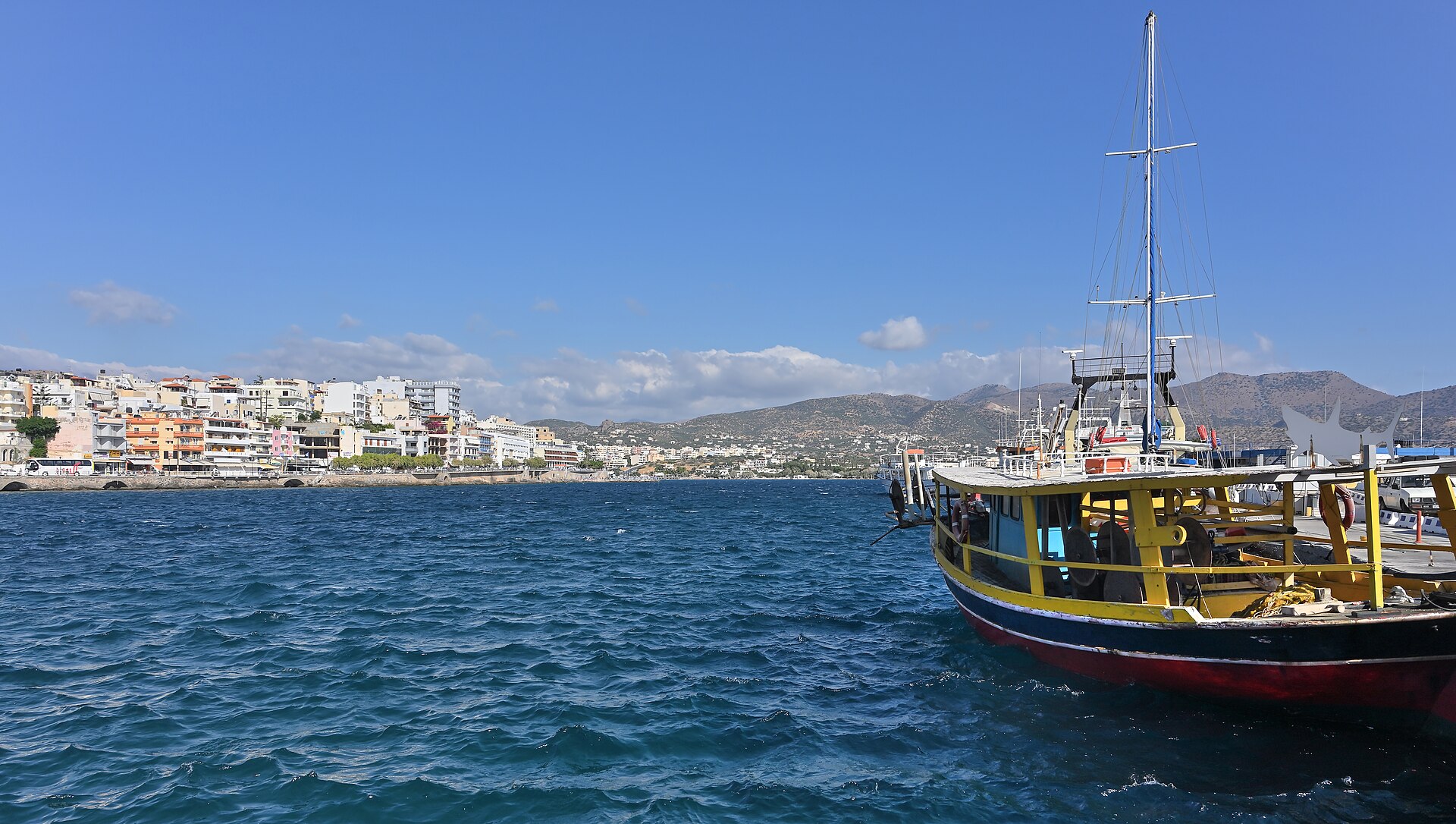
Centre, coast or a nearby resort?
Choose accommodation near the centre if you value evenings on foot and do not want to depend on taxis for dinner. Choose the coastal edge or a smaller beach area if a pool, sea view and quieter setting matter more than immediate access to town. If your main plan is Spinalonga and the Elounda bay, compare Agios Nikolaos with Elounda on the basis of the whole stay, not only the distance between the two.
The Agios Nikolaos guide compares the town, Elounda and nearby beaches in more detail.
Elounda: a resort-led stay around the bay
Elounda is the clearest choice for a resort holiday built around the bay, swimming, comfortable facilities and a Spinalonga excursion. It has a different purpose from Agios Nikolaos: the question is less “can I walk to a varied town every night?” and more “does this property and coastline give me the kind of stay I want?”
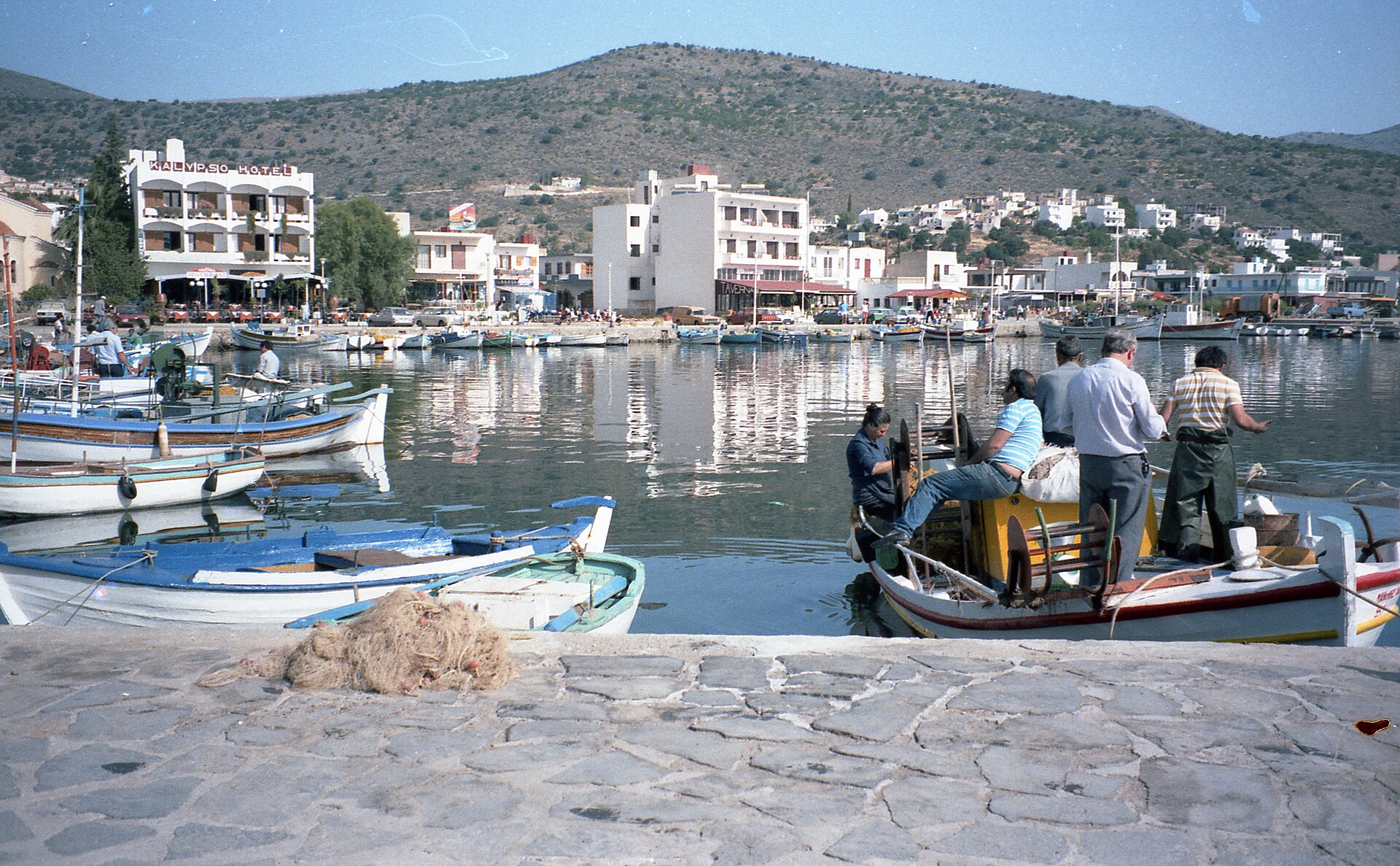
Elounda works well for couples, families and travellers who value a property’s pool, beach access, spa or on-site facilities. It is less suited to a budget-conscious itinerary that wants to explore the whole island from one base. Check whether “beach access” means a sandy public beach, a small waterfront, a private platform or a swimming area reached by steps. These are different products.
For the accommodation decision, compare the exact property location, the distance to the harbour, parking, access to shops and the cancellation terms. Spinalonga boats leave from different points and offer different itineraries, so do not choose a hotel solely because it is described as “near Spinalonga”. Use the Elounda guide for the wider bay and boat-day planning.
Hersonissos, Stalida or Malia: practical beach bases
The connected resort coast east of Heraklion is a good fit when the priority is an easy beach holiday with plenty of restaurants, shops, organised beaches, excursions and accommodation at different price points. It is not the right answer for visitors seeking a quiet, remote or traditionally rural Crete.
| Base | Best fit | What to check before booking |
|---|---|---|
| Hersonissos | Variety, excursions, restaurants and evening life | Exact resort section, noise, distance to the waterfront and parking |
| Stalida | A sandy beach, easy walking and a balanced resort atmosphere | Distance from the busiest road and whether beach access is actually convenient |
| Malia | Nightlife, a broad resort beach and access to the Minoan palace | Street noise, party district, family suitability and the exact route to the beach |
Hersonissos is the most flexible of the three, with a broad choice of waterfront life, excursions and evening options. Stalida is the most straightforward choice for a sandy beach, easy walking and a more balanced resort atmosphere. Malia is the clearest choice for nightlife, with a separate cultural dimension around the old town and Minoan palace. Families and light sleepers should avoid booking by resort name alone and inspect the street carefully.
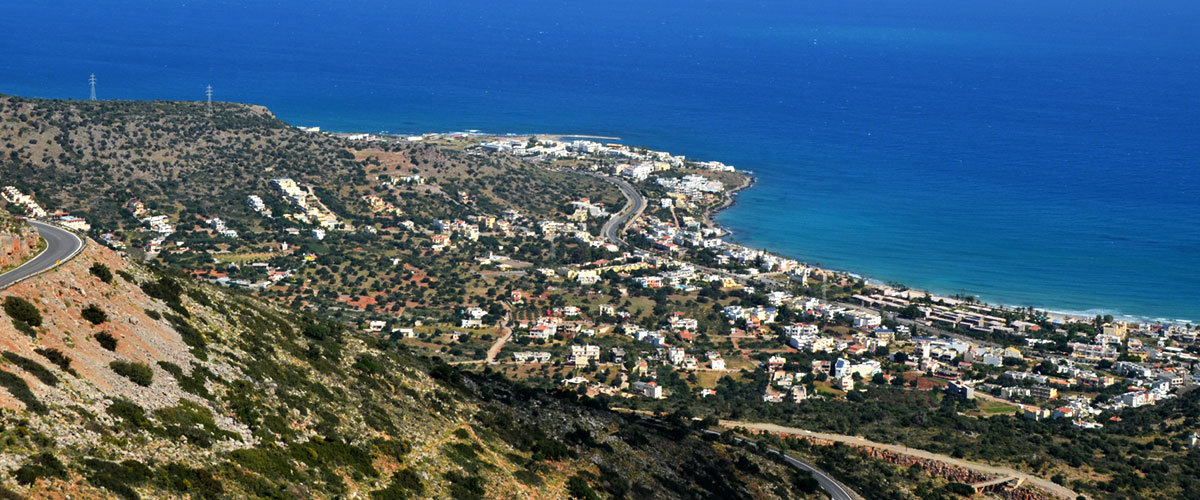
You can manage a resort-focused holiday without a car, using buses, taxis and organised excursions where available. A car becomes more useful for the Lassithi Plateau, inland villages, archaeological sites beyond the immediate coast and beaches farther east. Check current routes with the official KTEL timetable; seasonal departures, stops and route changes should not be copied from an old blog post.
For a detailed comparison of the three resorts, read the Hersonissos, Malia and Stalida guide.
South Crete: choose a slower trip, not a convenient base
The south coast is compelling when you want a less urban rhythm, dramatic mountain-to-sea landscapes and a route that feels different from the developed north coast. It is not one single accommodation area. Matala, Plakias, Agia Galini, Lentas, Tsoutsouras, Keratokampos, Ierapetra and smaller villages all create different trips.
Matala and Agia Galini are the more recognisable starting points for visitors who want a defined village or small-town base with restaurants and beach access. Plakias suits a longer south-coast stay with access to several beaches and inland routes. Farther east, Tsoutsouras and Keratokampos are more route-led choices: they reward travellers who want distance and a slower local rhythm, but they demand more planning around roads, services and driving.
Choose one south-coast town when you are happy to spend several days locally, or combine two bases with a car when the route itself is the point. Public transport exists in parts of the south, but the network is less convenient for joining remote beaches, villages and viewpoints in one day. Before booking, check road access, parking, nearby food options, mobile coverage where relevant and how far you are from the next practical service.
The South Crete road-trip guide is useful if your accommodation choice is part of a longer route rather than a fixed beach stay.
Where to stay in Crete without a car
A car-free Crete trip is possible, but it works best when you choose a base with an active town centre and accept that not every beach or mountain village will fit into the plan. Chania, Rethymno and Heraklion are the strongest general starting points because they combine accommodation, food, bus connections and things to do locally. Agios Nikolaos can also work well for an eastern-Crete itinerary if you plan the surrounding excursions carefully.
Stalida, Hersonissos and parts of Malia are practical for a resort holiday without a car: the beach, restaurants and shops are close, and buses or organised excursions can cover selected attractions. Elounda can work without a car when the property and bay are the holiday, but it is less flexible if you want to explore rural eastern Crete independently. The south coast is the least forgiving option for a first car-free visit because services and connections are more dispersed.
Before booking, check the actual walk to the bus station, the beach and evening restaurants. “Near public transport” may mean a roadside stop rather than a comfortable station, and a scenic hillside property may require taxis every time you return from dinner. Use the current KTEL timetable for route planning and treat seasonal services as changeable.
One base or two bases?
For three to five nights, one base is usually the least stressful choice. Select the region that contains the experiences you care about most rather than trying to place yourself at the island’s geometric centre.
For roughly a week, two bases can make sense:
- Chania plus Rethymno: western beaches, old towns and a manageable move along the north coast.
- Chania plus Agios Nikolaos: a wider island trip for travellers prepared to accept a longer transfer and a car-led plan.
- Heraklion plus a south-coast stop: archaeology and museums first, then slower beach time.
- Rethymno alone: often the simpler answer when you want variety without packing again.
For a longer self-drive holiday, three bases may be comfortable, but only when each move earns its place. Moving every night is rarely the best way to experience Crete. The Crete road-trip guide explains why regional routing is more useful than trying to cover the island by distance alone.
Where to stay for different trip lengths
| Trip length | Most sensible plan | When to add a second base |
|---|---|---|
| 3–5 nights | One base close to the main area you want to explore | Rarely; the move usually costs more than it adds |
| About 7 nights | One strong base or two regional bases | When west and east, or north and south, are both essential |
| 10–14 nights | Two or three bases with deliberate regional routing | Choose it for a different landscape or travel rhythm, not just a shorter map distance |
The airport you use should influence the plan. Chania is the natural arrival point for western Crete; Heraklion is useful for central and eastern routes, Knossos, ferry connections and the resort coast east of the city. An open-jaw itinerary can reduce backtracking on a longer self-drive trip, but only if flight availability and rental-car terms make it practical.
What to check before booking accommodation
- Exact location: town names can cover a wide coastal or suburban area. Check the address on a map.
- Parking: confirm whether it is private, guaranteed, nearby, paid or simply street parking.
- Noise: a central or waterfront address may be convenient but lively, especially in resort areas.
- Access: ask about stairs, slopes, lifts, narrow lanes and the final walk from a parking area.
- Car-free practicality: check the walk to the bus station, beach, supermarket and evening restaurants.
- Beach wording: distinguish a sandy beach, rocky swimming platform, organised shore and private resort access.
- Cancellation and room details: compare the exact room category, breakfast, taxes, accessibility and cancellation conditions rather than only the headline rate.
- Seasonal operation: confirm that the property, nearby restaurants and relevant transport operate during your dates.
Hotel examples and booking platforms are most useful after this comparison, not instead of it. A property can be attractive and still be the wrong choice if it leaves you dependent on taxis, exposed to nightlife noise or far from the part of Crete you actually came to experience. Compare the exact room, current availability and cancellation terms only after the area decision is settled.
Final recommendation
Choose Chania for a first visit built around western Crete and an atmospheric town. Choose Rethymno for the most balanced one-base compromise. Choose Heraklion for archaeology, museums, food and arrival logistics. Choose Agios Nikolaos for a walkable eastern base, or Elounda for a resort-led bay holiday. Choose Hersonissos, Stalida or Malia when easy beach infrastructure matters more than remote character. Choose the south coast when the slower pace and the road are part of the reason for going.
There is no universally best place to stay in Crete. The most useful booking decision is the one that matches your intended days: town walks, beach time, archaeology, organised excursions or a self-drive route. Once that is clear, accommodation comparison becomes much simpler — and much less likely to produce a beautiful room in the wrong location.
Research and review note: Accommodation availability, transport schedules, seasonal services and access conditions can change; check official sources and the exact property details before travelling.


_(9450136969).jpg)
