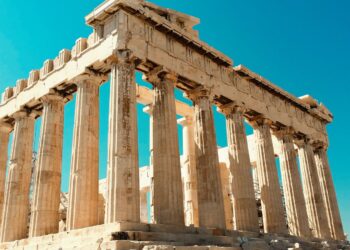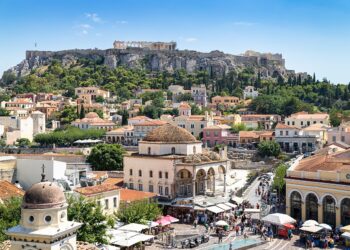
Athens can work brilliantly for a family, but it is not a pushchair-friendly theme park. The historic centre is busy, uneven and hilly in places; the summer heat can turn one ambitious sightseeing day into a negotiation. The reward is a city where an ancient temple, a shaded garden, a strong museum, a modern park and a swim are all realistic parts of the same short break.
The best approach is to alternate effort and recovery. Do one major ancient or museum visit in the morning, then give children time to run, splash, play or simply stop. This guide builds that rhythm into a realistic three-day itinerary, with practical choices for babies and toddlers, primary-school children and teenagers. For the broader city picture, see our complete Athens guide; this is the family-specific version.
Is Athens good for families?
Yes, if you treat it as a city with children rather than a city temporarily tolerating them. Athens has excellent family ingredients: large museums, pedestrian routes below the Acropolis, the National Garden beside Syntagma, an extensive metro and tram network, generous casual food, and the sea within the metropolitan area. The Acropolis Museum’s family resources include family backpacks, exploration trails, a Kids Corner and a large LEGO model of the Acropolis. The SNFCC provides a very different kind of outing, with open space, play areas, water features and a free shuttle from central Athens.
The limitations matter just as much. The Acropolis itself is a demanding visit with exposed stone, steps, crowds and little shade. Plaka and Monastiraki are enjoyable but not uniformly smooth for a buggy. Taxis are useful when everyone is tired, while the metro and tram are usually better value and more predictable than trying to cross the centre by car. A carrier is worth packing even if you normally rely on a pushchair.
Who this itinerary suits
- Families with three full days who want ancient history without making every hour educational.
- Parents travelling with children from toddler age to early teens.
- Families happy to use public transport but willing to take a taxi for the awkward final stretch.
- Visitors who want one coastal or swimming break rather than a separate beach holiday.
Who should adjust it
With a baby who naps only in a quiet room, reduce the museums and use the National Garden or the coast as your main daytime plan. With teenagers, add the Ancient Agora, a mythology-focused tour or a longer Riviera afternoon. In the hottest months, start early and move the park, beach or SNFCC to late afternoon. The schedule below is a framework, not a test that the family can fail.
Three days in Athens with kids
Day 1: Acropolis context, the museum and a gentle evening
Morning: choose the Acropolis or the museum first. If the Acropolis is a family priority, book an early entry and go before the heat and the busiest part of the day. Keep expectations realistic: this is not a stroller stroll. The approach includes uneven historic surfaces and exposed areas, and children may find the combination of waiting, climbing and looking at ruins less exciting than adults expect. A small carrier is often more practical than a pushchair for the difficult sections, although families should follow the site’s current access instructions and never improvise around restricted routes.
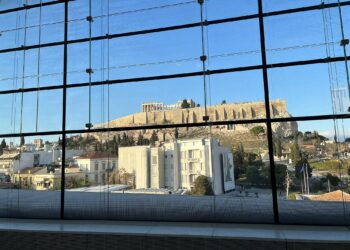
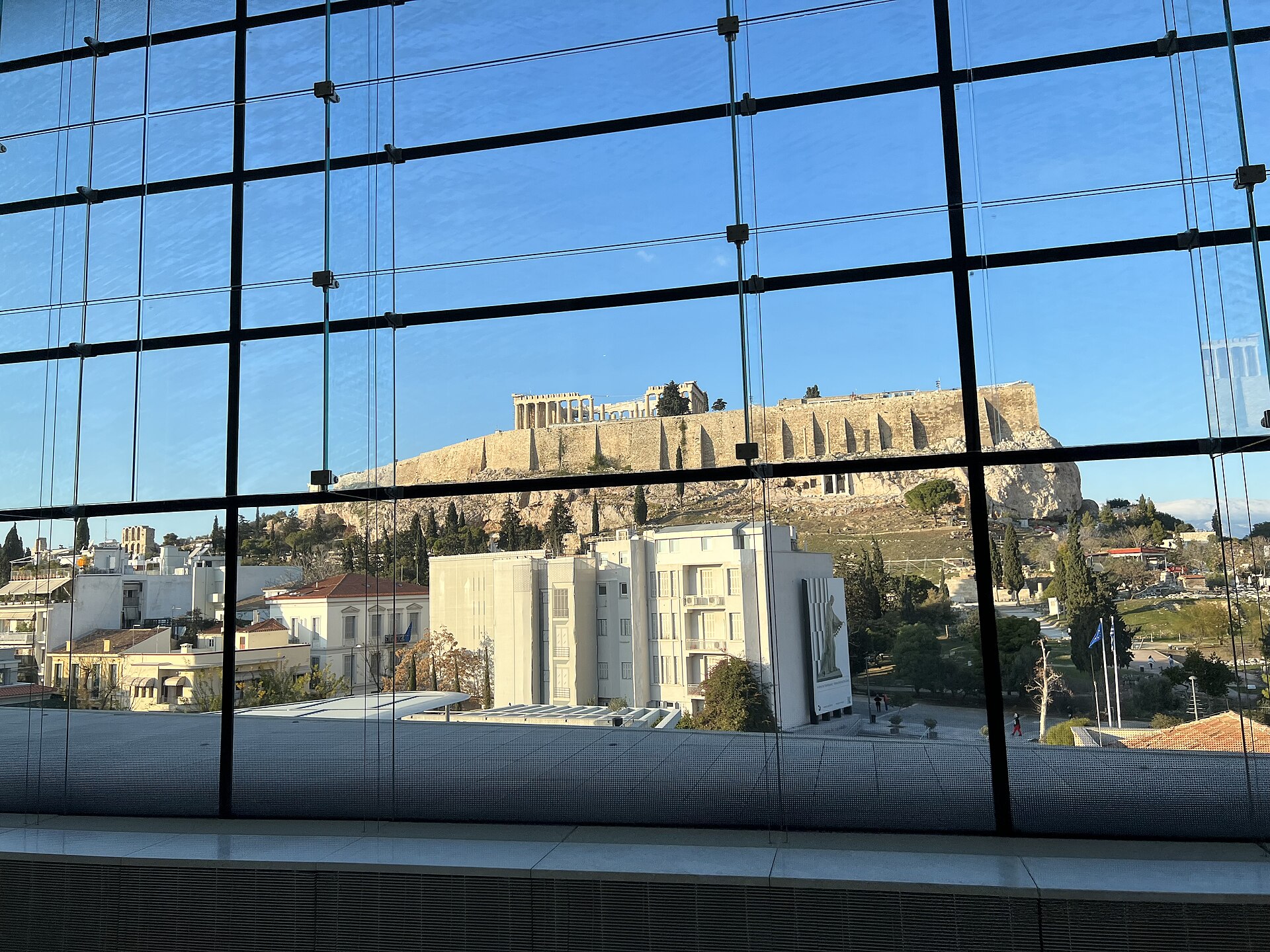
If your children are young, heat-sensitive or simply not ready for a long archaeological visit, begin at the Acropolis Museum instead. It is easier to structure into a 60–90-minute visit, it has toilets and indoor shelter, and its family material gives children something specific to do. Ask at the Information Desk about the current family backpacks and trails. The LEGO Acropolis model is a useful reset when attention starts to disappear. The museum’s official ticket page currently lists general admission at €20 and reduced admission at €10, with several free-admission categories; check the official page for the relevant date and eligibility before booking.
Lunch and recovery: Eat near the museum or in Koukaki, then do not immediately add another major museum. A short lunch, an ice cream and a quiet hour back at the accommodation will make the afternoon much easier. If everyone still has energy, walk a manageable section of Dionysiou Areopagitou beneath the Acropolis rather than attempting an ambitious monument circuit.
Late afternoon: Use the pedestrian route towards Thissio, stopping whenever the children need to. Older children may enjoy the views and street life; toddlers usually value the open space more than the ancient explanation. The Athens museum guide has alternatives if the Acropolis Museum is already sold out or your family’s interests lie elsewhere.
Evening: Keep dinner early and informal. Greek tavernas are generally accustomed to families, and sharing small plates works better than expecting a child to commit to a formal multi-course meal. Souvlaki, pies, yoghurt, fruit and simple grilled food make the city easy for selective eaters without turning every meal into fast food.
Day 2: National Garden, a short museum choice and central Athens
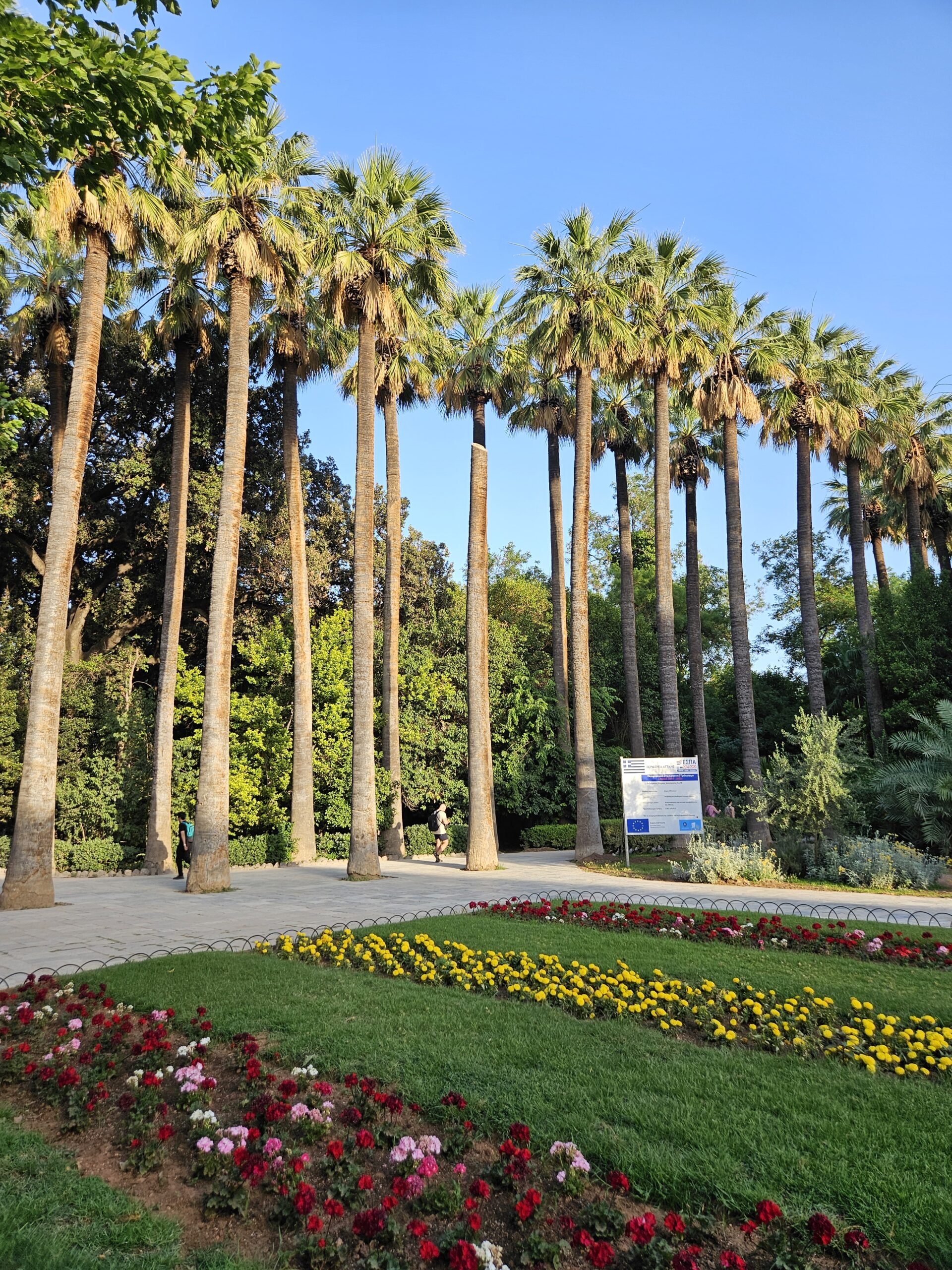
Morning: National Garden. Start beside Syntagma and enter the National Garden before the heat builds. This is one of the most useful family spaces in central Athens: shaded paths, ponds, open areas and a playground give children a change of pace after the first day’s monuments. Allow at least 90 minutes and more if the children are enjoying themselves. The garden is not a completely smooth, purpose-built stroller circuit, so expect some uneven paths and choose your route rather than assuming every entrance and surface is equally easy.
The Municipality of Athens has been carrying out improvement work affecting paths, playgrounds and ornamental lakes. Check current municipal notices before your visit, especially if a particular gate or play area matters to your plan. The garden can also close temporarily for weather or security reasons, so treat it as a flexible plan rather than a guaranteed indoor attraction.
Midday: one compact cultural stop. Do not try to tour the entire museum district with tired children. Pick one option according to age and interest:
- National Archaeological Museum: a strong choice for children who respond to large statues, animals, armour, jewellery and stories. The collection is vast, so choose a small route rather than promising to see everything. The museum’s current summer information lists Wednesday–Monday opening from 08:00 to 20:00 and Tuesday from 13:00 to 20:00, with last admission before closing; hours are seasonal and should be checked again.
- Hellenic Children’s Museum: more suitable for younger children who need hands-on play rather than display cases. Confirm its current programme and opening arrangements before relying on it.
- Museum of Greek Children’s Art: a useful option for children who like drawing and making things, particularly when an activity or workshop is running.
- No museum: entirely valid. Walk around the Parliament and Zappeion, have lunch and protect the afternoon.
Afternoon: Return to the accommodation for a rest, or use a café near Syntagma. Older children may enjoy a short walk through Plaka, but with a buggy it is wiser to stay on the more comfortable pedestrian routes and avoid treating every picturesque lane as a practical route. If you need a quieter base, our guide to where to stay in Athens compares central areas and their trade-offs.
Evening option: If the family still has energy, take a short walk towards Monastiraki for the atmosphere and views. Otherwise, use a nearby square or playground and call the day early. Athens is better enjoyed over three moderate days than compressed into two heroic ones.
Day 3: SNFCC and the coast
Morning or late afternoon: Stavros Niarchos Foundation Cultural Center. The SNFCC is the itinerary’s pressure-release valve. It combines the National Library of Greece, Greek National Opera, Stavros Niarchos Park, a canal, lawns, play areas, water features and wide paths. The official accessibility information says that the park’s stabilised paths and gentle slopes are suitable for parents with strollers and visitors with mobility difficulties. That does not mean every family member will want to walk to the highest point, but it does make the site much easier to manage than the ancient centre.
There is a free SNFCC shuttle from Syntagma with a stop at Syngrou-Fix; routes, stops and operating details can change, so check the centre’s current transport page before leaving. Buses and taxis are alternatives. Pick up a children’s wristband at the Lobby or information points if useful, and check the current events calendar because children’s programmes, water-jet access and opening times are date-sensitive. The water jets can be a highlight in warm weather, but children need shoes and adult supervision.

Beach choice: Combine the SNFCC with a short coastal outing only if the children still have energy. For the easiest family version, use the waterfront around Flisvos and Paleo Faliro for a promenade, playground, marina and possible swim rather than committing to the farthest beach. The tram gives you an escape route if a small beach day becomes a large argument. For a more dedicated sandy-beach experience, Varkiza is farther south and needs more travel planning; it can be worthwhile in summer, but it is not the efficient choice for every three-day visit.
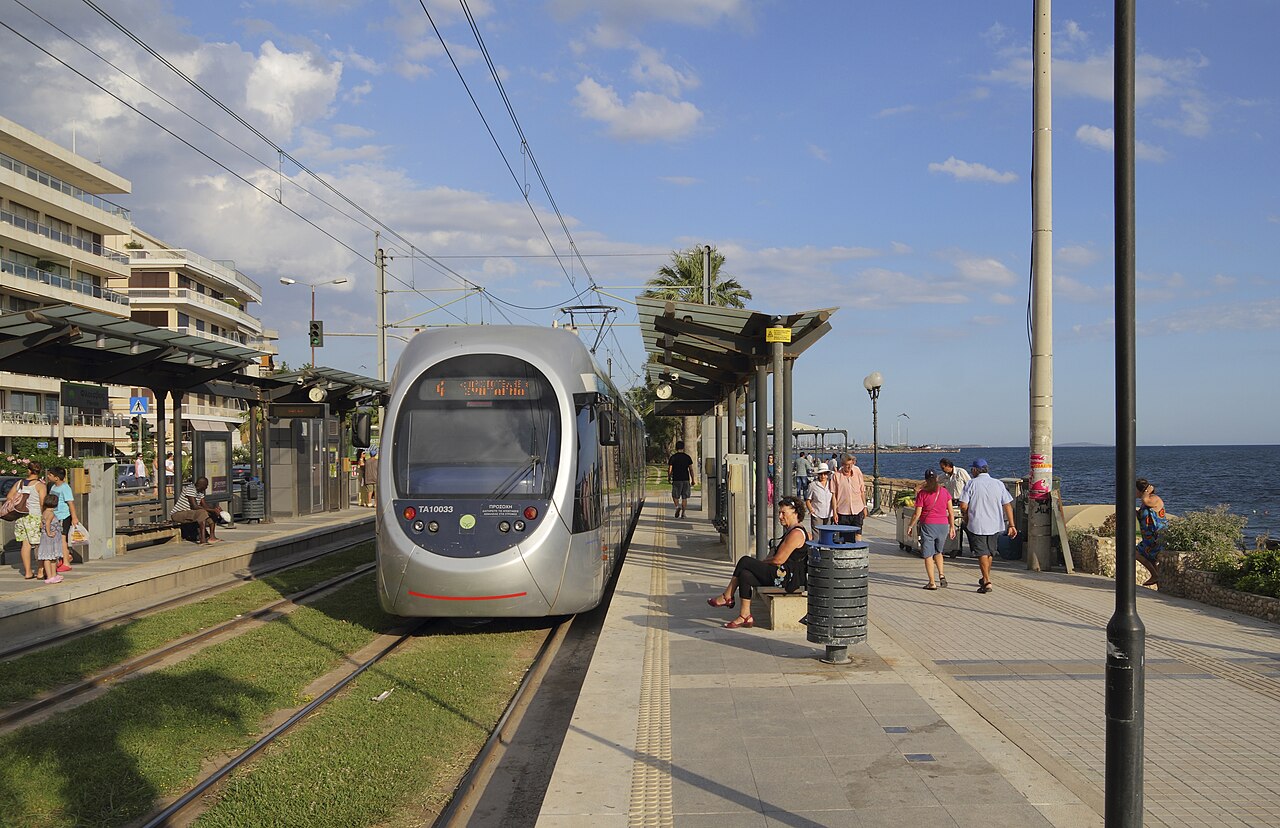
The Athens Riviera guide compares Flisvos, Glyfada, Voula, Vouliagmeni and Varkiza in more detail. For this itinerary, the principle is simple: choose the coast that fits the family’s remaining energy, not the beach with the most impressive name.
Best Athens activities by age
| Age group | Best bets | What to watch |
|---|---|---|
| Babies and toddlers | National Garden, SNFCC, Flisvos waterfront, short museum visits, shaded pedestrian walks | Naps, heat, uneven paving, toilets and the distance between a tram stop and the actual water |
| Primary-school children | Acropolis Museum family trail, National Archaeological Museum highlights, Ancient Agora, water jets and beach time | Alternate concentration with movement; do not schedule two long museums in one day |
| Older children and teenagers | Acropolis, mythology or treasure-hunt format, Ancient Agora, SNFCC, tram ride and Riviera | Give them choices and a reason for each historic stop; allow independent-looking time in busy areas |
Getting around Athens with a pushchair
Athens’ public transport is useful, but “accessible” does not mean effortless with a buggy. OASA’s visitor information covers the metro, tram, buses and trolleybuses, and the network reaches the main visitor areas. The metro is generally the quickest way across the city, while the tram is a pleasant route to the coast. Use station lifts where available, but allow extra time to find the correct entrance and do not assume every lift will be at the most obvious street corner.
OASA currently lists a 90-minute full-fare ticket at €1.20, a 24-hour ticket at €4.10, an Airport Express bus ticket at €5.50 and a metro airport ticket at €9.00. Children under six travel free. For a three-day visit, the three-day tourist ticket may be convenient because OASA describes it as unlimited city travel for three days plus one airport journey in and one out by the airport express bus or metro. Check the current terms, validity and child fares before purchase; airport products and urban products are not interchangeable.
A practical family strategy is:
- Use the metro for longer cross-city journeys, particularly when everyone is hot.
- Use the tram for Flisvos, the Riviera and the experience of travelling beside the coast.
- Use a taxi after a late museum visit, for a nap transfer or when the route involves steep streets and tired children.
- Fold or secure the pushchair before boarding busy vehicles, and keep valuables close in crowded stations and squares.
- Plan around toilets and food rather than only around map distance. A 15-minute walk can be long when it follows a museum and lunch.
The pedestrian route below the Acropolis is one of the better central stroller walks, but the historic centre is mixed: smooth sections, cobbles, kerbs, restaurant furniture and steep side streets can appear within the same outing. If accessibility is a primary concern, use the Municipality’s Accessible Athens routes as a planning reference rather than relying on a generic map pin.
Where to swim near Athens with children
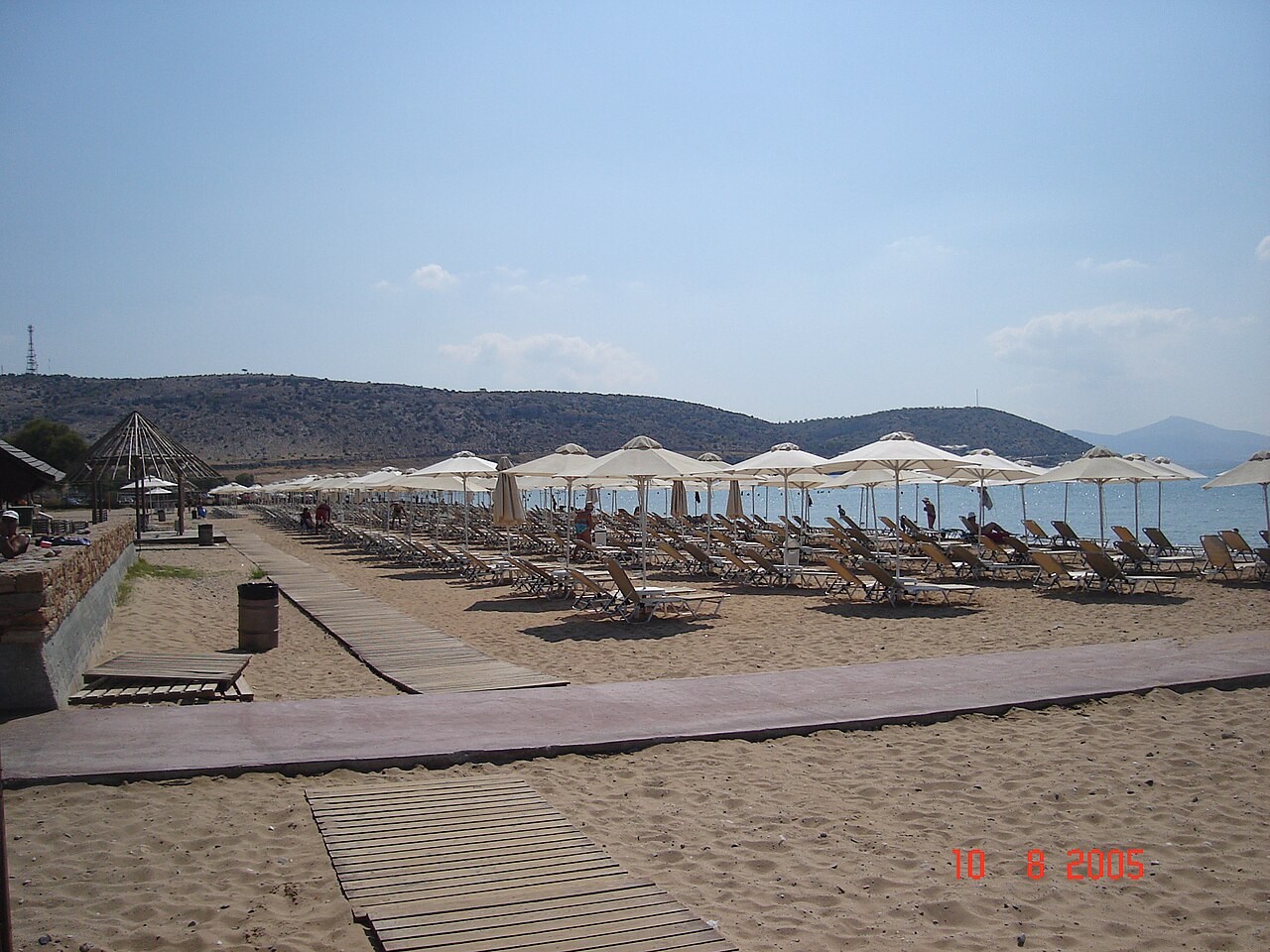
A beach day in Athens is realistic, but the nearest coast is urban rather than island-like. Flisvos and the Palaio Faliro waterfront are convenient for a short sea break, promenade and family facilities. Glyfada gives you more of a southern-suburb day with shops, food and beaches, while Voula and Vouliagmeni can work when the family wants a longer coastal outing. Varkiza is a more dedicated beach choice and is best treated as the day’s main activity.
Go early at weekends in summer. Organised beaches may charge entry or additional fees, and facilities, lifeguards, water conditions and access can vary. Do not promise a particular beach experience without checking its current operator information. A public waterfront, a managed beach and a lake or swimming facility are different products; choose according to shade, toilets, shallow water, food and the children’s ability to cope with the journey.
What to pack for a family Athens break
- A compact pushchair plus a baby carrier if you have a young child.
- Sun hats, refillable water bottles, high-factor sunscreen and a light layer for air-conditioned museums.
- Snacks for queues and transport, even though food is easy to find in the centre.
- A small change of clothes and water shoes for the SNFCC water jets or an impromptu beach stop.
- Photo identification for children when a museum’s age-based admission rules require it.
- Offline maps and the current OASA or operator information for the day’s route.
Common mistakes families make in Athens
Trying to do the Acropolis, three museums and a beach in one day. The distances look manageable on a map, but queues, heat, food and children’s pace expand the day quickly.
Choosing accommodation only by its distance from the Acropolis. A very central address may be convenient for sights but noisy, steep or awkward for a buggy. Compare the room, lift, street surface, supermarket access and the route back after dinner. Our Athens neighbourhood guide is useful here.
Assuming a stroller makes every walk easier. It helps with naps and luggage, but cobbles, steps and crowded pavements can make a carrier faster for short historic sections.
Leaving all outdoor time until midday. The National Garden, SNFCC and the coast are much easier when the family is not already overheated.
Using exact opening hours from an old blog post. Museum hours, family workshops, water features, temporary closures, transport schedules and beach facilities change. Confirm the official page shortly before the visit.
The honest verdict
Athens is a good family city when parents plan for recovery as carefully as they plan for culture. The Acropolis and its museum give older children a memorable sense of place; the National Garden keeps central sightseeing humane; the SNFCC gives everyone space; and the coast provides a genuine change of scene without a ferry. Babies and toddlers will not care about your historical priorities, so build the day around shade, sleep, food and movement. Older children can handle much more when the itinerary gives them a role and does not ask them to admire one more marble statue immediately after lunch.
For three days, keep one major cultural focus per day, reserve one flexible outdoor block and regard the beach as optional rather than compulsory. That is how Athens stays a holiday instead of becoming a very warm group project.
Research and review note: researched 22 July 2026. Museum hours, ticket rules, transport products, SNFCC programmes and beach facilities can change; confirm official details before travelling.