
Elounda is the kind of Cretan base that can look deceptively simple on a map: a sheltered bay, a long waterfront, a chain of beaches and a famous island fortress offshore. In practice, it offers several different holidays at once. You can stay in a polished resort and make the day revolve around a boat to Spinalonga; sleep in the town and walk between tavernas, small beaches and the old salt pans; or use Elounda as an eastern Crete base for archaeological sites, mountain villages and quiet coves.
The important choice is not whether Elounda is beautiful. It is whether its style suits you. This is a resort landscape rather than an untouched fishing village, and the best-known beaches and boat routes become busy in high summer. Families appreciate the calm, relatively sheltered water and easy logistics. Couples often choose it for the scenery, restaurants and hotels. Travellers looking for nightlife, long sandy beaches directly outside every room, or a genuinely car-free break may prefer a different base.
This guide explains how to plan Elounda around the experience you actually want: where to stay, how to visit Spinalonga responsibly, which beaches and landscapes deserve time, when a car helps, and how to build a realistic eastern Crete itinerary.
Elounda at a glance
| Question | Practical answer |
|---|---|
| Where is Elounda? | On the north-east coast of Crete, in the Lasithi regional unit, north of Agios Nikolaos and around the sheltered Gulf of Elounda. |
| What is it best for? | Spinalonga, calm-water beaches, boat trips, resort stays, seafood, scenery and an easy base for eastern Crete. |
| What is the main limitation? | The area is spread out, summer demand is high, and some of the most attractive coves and archaeological sites need a car, boat or a walk. |
| Nearest airport | Heraklion International Airport (HER) is the usual arrival point; Sitia is another option when flight schedules suit. |
| Car needed? | Not for a short town-and-Spinalonga stay, but useful for Kolokytha, inland villages, beaches and a wider eastern Crete itinerary. |
| Minimum stay | Two nights for the headline sights; three to five nights allow time for beaches, boats and a slower day. |
Who should choose Elounda?
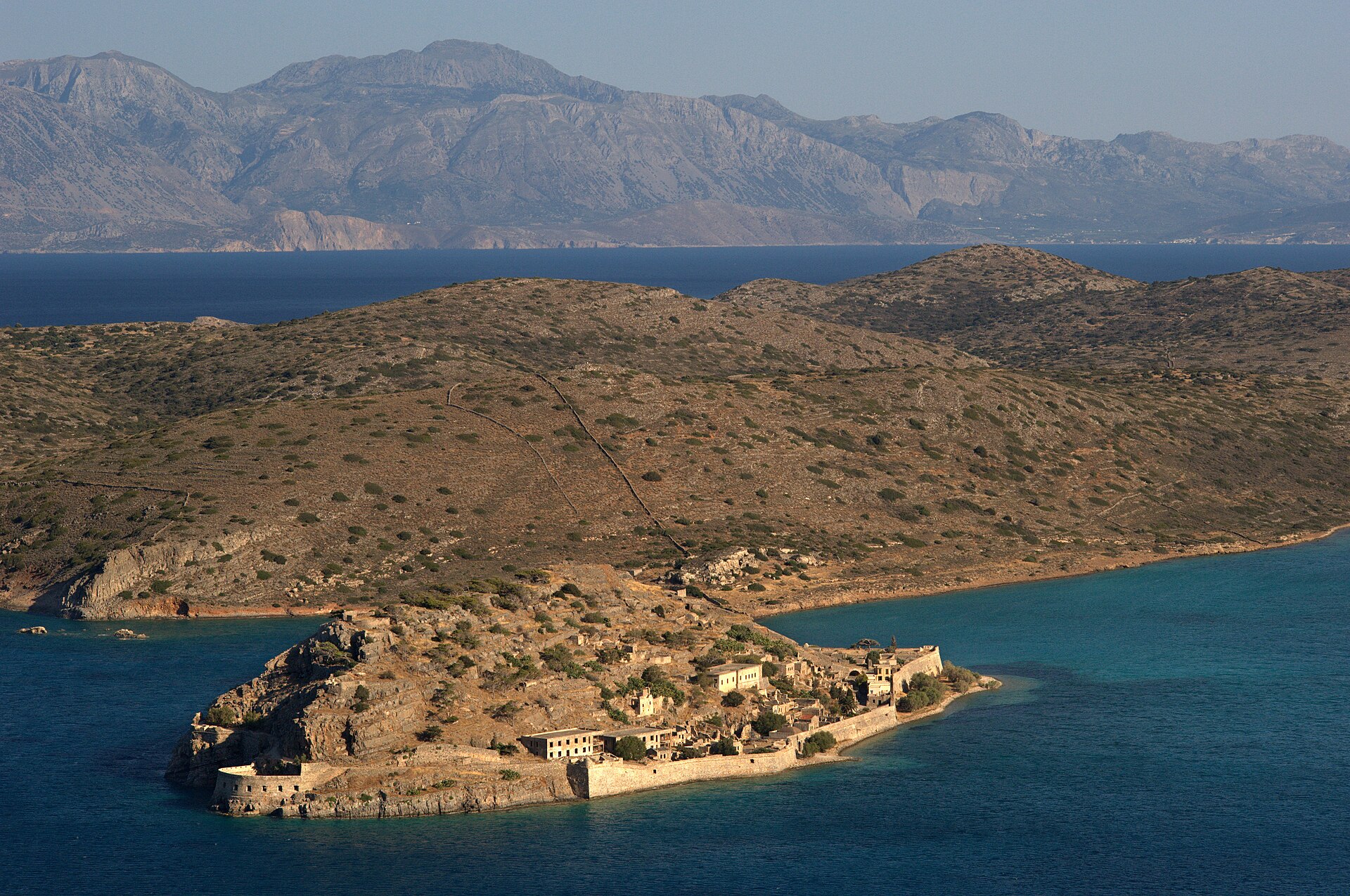
Elounda suits travellers who want a comfortable base with history close at hand. The bay is much more than a backdrop: it shapes the practical rhythm of a stay. Water in the inner gulf is often calmer than on exposed stretches of the north coast, boat excursions leave from several points, and the road north to Plaka gives you a different view of Spinalonga every few minutes. You can spend a morning doing very little, then make the afternoon meaningful with a short crossing to an island whose history is far heavier than its postcard appearance.
It is particularly convenient for families who value shallow, sheltered swimming areas, short transfers and a choice of accommodation. Couples can choose between a lively waterfront evening and a more secluded resort setting. Older travellers may find the town-and-boat combination easier than a holiday built around long hikes, although the historic island has uneven surfaces, steps and strong sun.
Elounda is less convincing for visitors who want a dense old town with a large museum and nightlife on the doorstep. It is also not the most natural base for western Crete: reaching Chania, Balos or the White Mountains is possible but makes little sense as a repeated day trip. If your priority is a dramatic, independent road trip through the entire island, read our Crete road-trip guide before choosing one resort as your base.
What is Elounda actually like?
Modern Elounda grew around the southern shores of the bay associated with ancient Olous. The built-up area is a mixture of a working waterfront, apartment streets, restaurants, small beaches and large hotels extending along the coast. That variety is useful, but it means the word “Elounda” can refer to the town, the wider resort strip, the villages and coves north of it, or the peninsula and islands across the water.
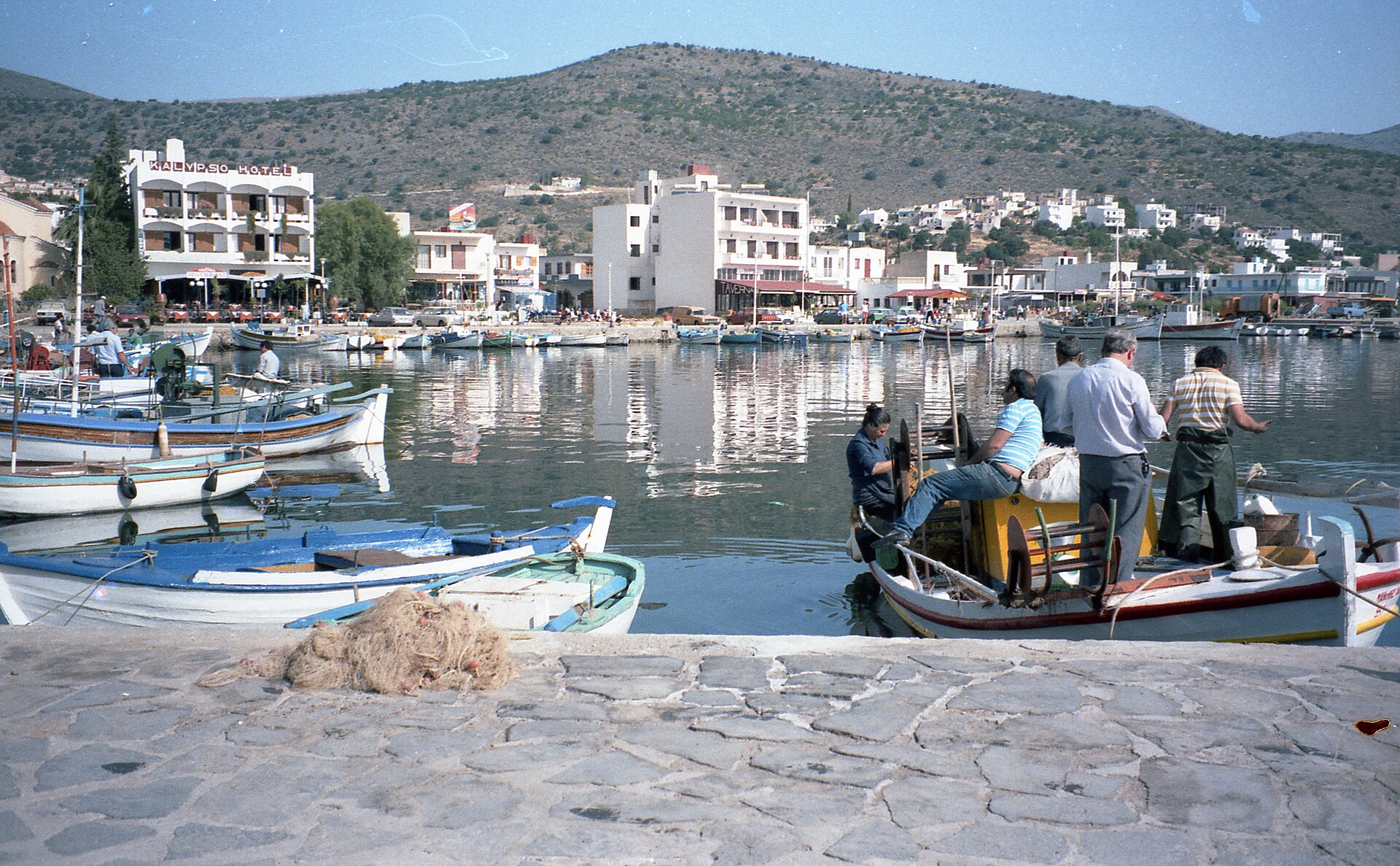
The town itself is easiest to explore on foot. The waterfront is the natural orientation point, with boats, tavernas and views towards the bay. Behind it, the streets become quieter and more residential. Walk north and the scenery opens towards Plaka and Spinalonga; walk south and you reach the narrow causeway and the shallow waters where the remains of ancient Olous can be glimpsed when conditions are favourable.
Do not expect a perfectly preserved archaeological town. Olous is an underwater and fragmentary story, not a monumental site with a single entrance and a complete circuit. That is part of its appeal, but it rewards patience rather than a checklist mindset. The salt pans, causeway, old harbour landscape and distant fortress make more sense together than as isolated attractions.
A short history: Olous, salt and Spinalonga
The ancient city of Olous occupied the area around the narrow connection between the mainland and the Kolokytha peninsula. Archaeological research identifies remains of buildings, roads, harbour structures and later Roman and Byzantine activity. The city’s visible remains are limited, and the submerged landscape can be easiest to appreciate when the sea is calm. Some historical explanations connect the city’s decline to seismic activity, but the precise sequence of destruction and submergence is more complicated than the popular phrase “sunken city” suggests.
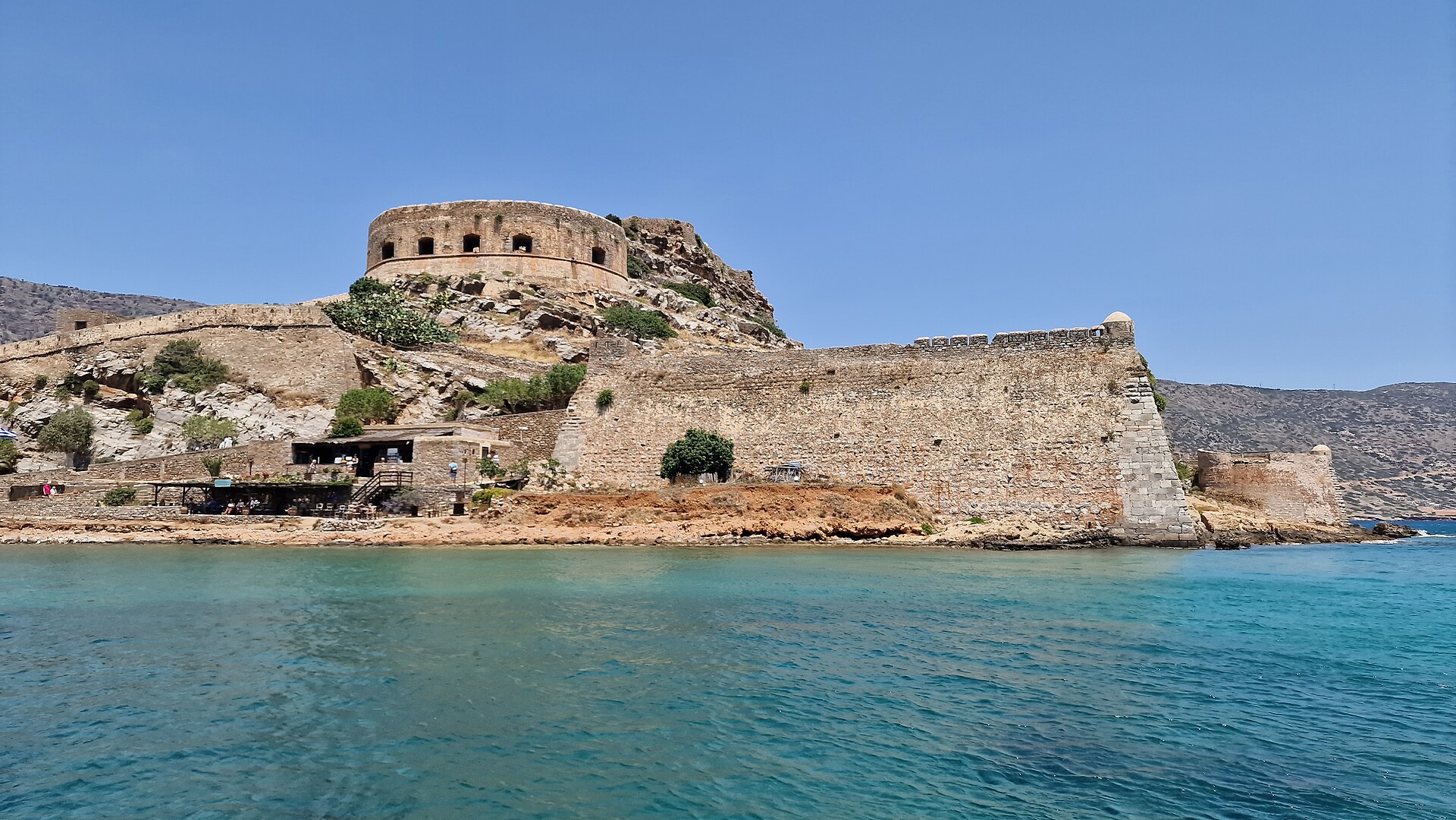
The Venetian period left a more legible mark. Salt pans were developed in the shallow waters, and the natural harbour retained strategic importance. Spinalonga was fortified by the Venetians in the sixteenth century as part of the defence of the bay. The fortress later passed into Ottoman control, and the island’s history continued through a changing settlement before it became Greece’s official leprosy colony in the early twentieth century.
Spinalonga’s leprosy-colony history should not be treated as a dramatic backdrop or a literary theme alone. From 1903 until 1957, people with Hansen’s disease were isolated there; the ruined settlement represents enforced separation, stigma and the daily work of building a community under severe conditions. The island also has Venetian, Ottoman and earlier fortification layers. A good visit holds all of those histories together rather than reducing the place to one label.
Visiting Spinalonga from Elounda
Spinalonga is the defining excursion from Elounda, but it is worth planning the crossing rather than simply buying the first available boat. Services operate from Elounda, Plaka and Agios Nikolaos, with Plaka offering the shortest crossing and Elounda giving you the option of combining the island with a longer bay or Kolokytha outing. Exact departure patterns vary by season and operator, so confirm the current schedule and return boat before you set out.
For the 2026 season, current visitor information lists the archaeological site as open from 1 April to 31 October, generally 08:30–18:00, with last-entry and holiday arrangements needing confirmation. The official visitor information can change, and boat tickets, site admission and guided-tour fees may be separate. Check the Spinalonga visitor information page and the Ministry of Culture listing before travelling, especially if you are visiting near the beginning or end of the season.
Allow at least two hours on the island once the crossing and waiting time are included. The perimeter route is exposed, with uneven stone, steps and little shade. Wear shoes with a firm sole, carry water and avoid treating the hottest part of the day as a sightseeing challenge. The route passes through the entrance tunnel, the defensive walls, former homes, public buildings, religious sites and the settlement associated with the leprosy colony. Read the signs slowly; the context is more valuable than rushing to the next viewpoint.
A guided tour can be worthwhile if you want the chronology explained, but independent visitors can also have a meaningful experience with the official interpretation and a little preparation. If you prefer a quieter visit, ask operators about the first or later crossing rather than assuming that a full-day boat tour is automatically better. A tour that adds a swim stop around Kolokytha may suit families and swimmers; a direct crossing is better for visitors whose priority is the history.
The best beaches and water experiences
Elounda’s town beaches
The beaches closest to the town are convenient rather than wild. They work well for a swim between lunch and a boat departure, and the sheltered bay can be attractive when the open coast is windy. Facilities, shade and water-sports arrangements vary along the coast, so check the particular stretch rather than assuming that every beach has the same character. Families should look for easy access and shallow water; swimmers who want quiet should move away from the busiest waterfront hours.
Kolokytha
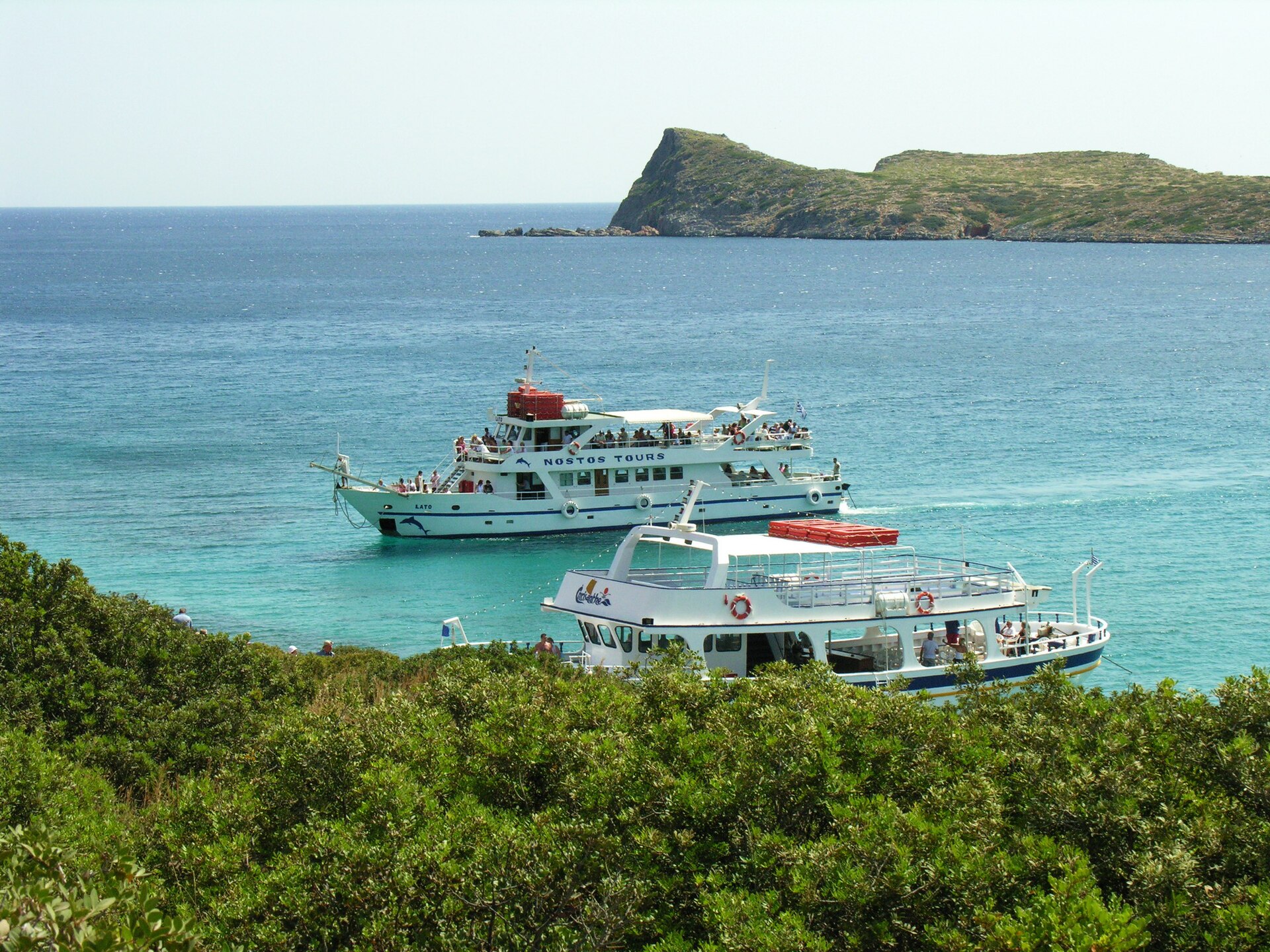
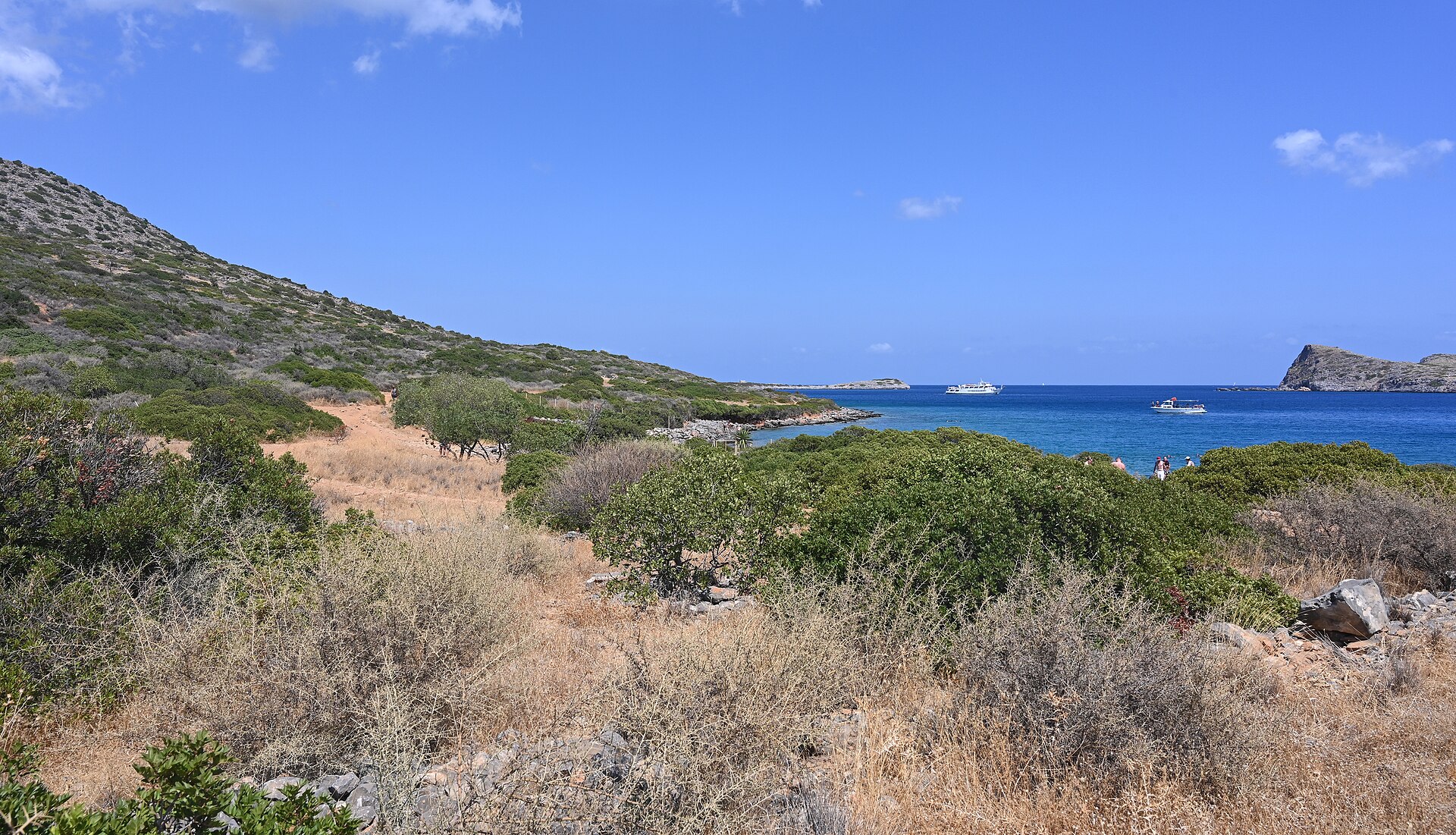
Kolokytha is the name visitors often use for both the peninsula and the beach or beaches around it. The landscape is more open and rugged than the town, with clear water, low hills and a sense of separation despite being close to Elounda. Access can involve a narrow coastal road, a walk or a boat excursion depending on the exact cove. Go prepared: facilities are limited in the quieter sections, and the combination of heat, glare and a lack of shade makes water more important than an extra beach towel.
Kolokytha is at its most enjoyable early or late in the day, outside the busiest excursion window. A walk around the peninsula can be rewarding, but do not confuse a coastal stroll with a formal, shaded promenade. Wear suitable footwear, check the weather and avoid committing to a long route if you have a boat departure to catch.
Plaka
Plaka is a small village north of Elounda, directly opposite Spinalonga. Its main practical advantage is the short boat crossing, but it is also a pleasant place to stop for a swim, lunch or a late-afternoon view of the island. If your accommodation is in northern Elounda or you have a car, Plaka can be a simpler departure point than trying to fit a boat into the busiest part of the town.
Boat days and swimming stops
Boat excursions are a natural part of an Elounda holiday, but compare what is actually included. Some focus on Spinalonga and its history; others add a circuit of the bay, a barbecue, a swim stop or a coastal view of the peninsula. None is automatically the best choice. Decide whether you want more time on land, more time in the water, or a relaxed sightseeing day with no driving.
Ancient Olous, the salt pans and the causeway
The walk around the causeway is one of Elounda’s most understated experiences. The landscape is flat and open, and the shallow water makes the remains of ancient Olous easier to imagine than to photograph. On a calm day, you may see traces beneath the surface; do not expect a dramatic underwater city rising intact from the bay. The old salt pans and the geometry of the lagoon are equally important to understanding why the area supported settlement and trade.
Bring a hat and go when the light is gentler. There is little point in arriving at midday solely to stand in full sun beside water that reflects it back at you. This is an easy add-on to a town stay, and it pairs naturally with a meal rather than requiring a separate half-day excursion. Treat any submerged remains as an archaeological landscape: do not climb on ruins, remove objects or enter the water where access is unsafe.
Where to stay in Elounda
Choose your location by the holiday you want, not by the prestige of a hotel name.
- Elounda town: best for travellers who want tavernas, boat offices, short walks and the ability to manage a few days without a car. The atmosphere is more active and practical than a self-contained resort.
- The coast north of town: useful for Plaka, Spinalonga views and a quieter setting, but check how easily you can reach shops and evening restaurants without relying on taxis.
- Resort areas south and east of the town: suitable when the hotel, pools, private facilities and sea views are the main purpose of the trip. A car or taxi becomes more useful for independent exploring.
- Agios Nikolaos: a sensible alternative if you prefer a larger town, more urban services and a broader choice of evening walks. Elounda can then be a day trip or a short excursion north.
Before booking, check the actual distance to the waterfront, whether the route is walkable in the heat, parking arrangements, accessibility, and whether “sea view” means an open bay view or a partial glimpse between buildings. The area’s accommodation ranges from simple rooms to large luxury resorts, so a higher price does not necessarily mean a better fit for an independent traveller.
Getting to Elounda and getting around
Heraklion International Airport is normally the most convenient gateway. Local destination information places Agios Nikolaos roughly an hour from the airport by road, with Elounda farther along the coastal route; the exact transfer time depends on traffic, stops and your accommodation. A pre-booked transfer is simplest with luggage or a late arrival. A hire car gives you more flexibility, but do not collect one solely for the town if you are uncomfortable with narrow roads and summer parking.
KTEL services connect Heraklion and Agios Nikolaos, and local buses serve the wider Agios Nikolaos area including Elounda and Plaka. Timetables are seasonal and can change, so use the official KTEL timetable page for the dates of your trip rather than relying on an old screenshot or an accommodation listing. Public transport is realistic for a town-and-Spinalonga stay if you plan carefully; it becomes less convenient for beaches, remote coves and several stops in one day.
Driving is straightforward on the main approach but can become slower on coastal and peninsula roads. Avoid building a schedule around optimistic map times: allow for parking, walking, boat check-in and the possibility of stopping because the view deserves it. For a wider itinerary, pair Elounda with Heraklion and Knossos, Rethymno or an eastern Crete route rather than making repeated long journeys across the island.
When is the best time to visit?
Late spring and early autumn usually offer the most comfortable balance of warm water, long days and less intense heat than the height of summer. May and June suit travellers who want outdoor time before peak-season pressure builds. September and early October can be especially appealing for swimming and slower evenings, but check the operating dates of boats, hotels and archaeological sites before committing to a late-season trip.
July and August bring the most dependable summer atmosphere and the greatest choice of services, but also stronger heat, busier boat departures and more pressure on parking and popular beaches. Start outdoor visits early, keep the middle of the day flexible and do not assume that a supposedly quiet cove will remain quiet after the excursion boats arrive.
Winter Elounda is a different proposition. The landscape and archaeological interest remain, but many seasonal businesses, excursions and accommodation facilities may operate on reduced schedules or close. It can work for a self-contained, road-based exploration of eastern Crete if you verify what is open; it is not the same holiday as a summer beach break.
A practical three-day Elounda itinerary
Day one: settle into the bay
Arrive without trying to conquer the whole region. Walk the waterfront, orientate yourself around the harbour and causeway, and choose a beach close to your accommodation. If the light is good, walk towards the salt pans in the late afternoon, then return for dinner in town. This first day gives you useful information about boat departure points and the distances between the places that looked close on the map.
Day two: Spinalonga and Plaka
Take an early or well-timed boat to Spinalonga and allow enough time to read the historical interpretation. Return via Elounda or Plaka depending on your operator. Have lunch in Plaka, swim if conditions suit, and leave the afternoon open rather than adding another long drive. If you are travelling with children, this structure is easier than combining the island with several separate beaches.
Day three: Kolokytha or eastern Crete
Choose between a slower beach and peninsula day or a longer drive. Kolokytha works when you want water, views and a less urban landscape. A car day can instead take in Agios Nikolaos and an inland village, or connect Elounda with a wider eastern Crete route. Keep one honest rest period in the plan; the point of staying in Elounda is not to turn every attractive bay into a timed stop.
Common mistakes to avoid
- Booking a resort without checking its location: the wider Elounda area is not uniformly walkable.
- Treating Spinalonga as a quick photo stop: the island’s meaning is in its layered history and the settlement, not only the outer walls.
- Leaving water and shade planning until the day: the fortifications are exposed, especially in summer.
- Assuming all beaches have facilities: the quieter peninsula coves may have none.
- Trusting old timetables: boats, buses, site hours and prices change with season and policy.
- Using Elounda as a base for the entire island: it is excellent for eastern Crete, but western destinations are too far for repeated day trips.
- Over-scheduling the bay: leave room for weather, parking, swimming and the simple pleasure of sitting beside the water.
Is Elounda worth visiting?
Yes, if you want a polished but flexible eastern Crete base where a major historical site, calm-water beaches and boat days fit naturally into the same trip. Elounda is strongest when you use its contrasts: the resort comfort beside the older landscape, the bright water beside Spinalonga’s difficult history, and the easy waterfront beside roads and paths that reward a little independence.
It is not the right answer for every traveller. Choose Agios Nikolaos for a more substantial town feel, Chania or Rethymno for a stronger old-city experience, and a more remote southern base if your priority is isolation. For everyone else, two or three nights in Elounda can add a distinctly different chapter to a Crete itinerary—especially when the schedule leaves enough time to notice the bay rather than simply pass through it.
Research and review note: Opening hours, boat departures, transport timetables, admission arrangements and seasonal business operations can change. Recheck the official operator and site information before travelling.


_(9450136969).jpg)
,_island_of_Kolokythas_at_right.jpg)