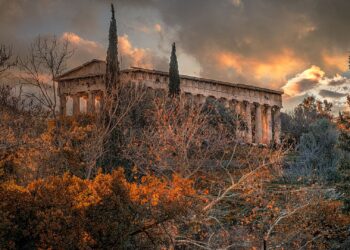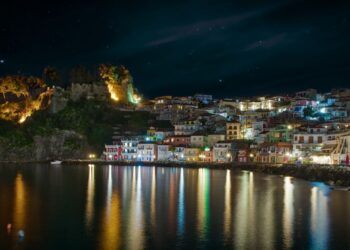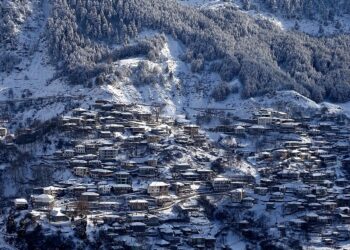
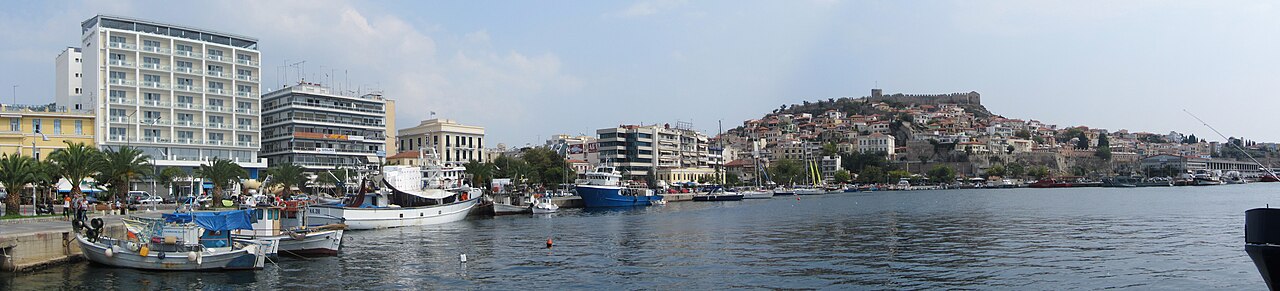
Kavala is a city for travellers who want a destination with more than one dimension. The old town climbs a peninsula above the port, the sea remains part of the city rather than a distant day trip, and the road north reaches Philippi, one of Greece’s most consequential archaeological sites. Between them sit tobacco warehouses, Ottoman and Byzantine traces, beaches, working neighbourhoods and a food culture shaped by trade and migration.
That combination makes Kavala more than a convenient stop between Thessaloniki and the eastern Aegean. It can support a short city break, a base for beaches and Philippi, or the opening section of a northern Greece itinerary. The important choice is how to use it. Stay in the centre if you want to walk through history and eat by the water; move west towards Palio or Nea Iraklitsa if the beach matters more; or give Philippi a full half-day instead of treating it as a photograph on the way somewhere else.
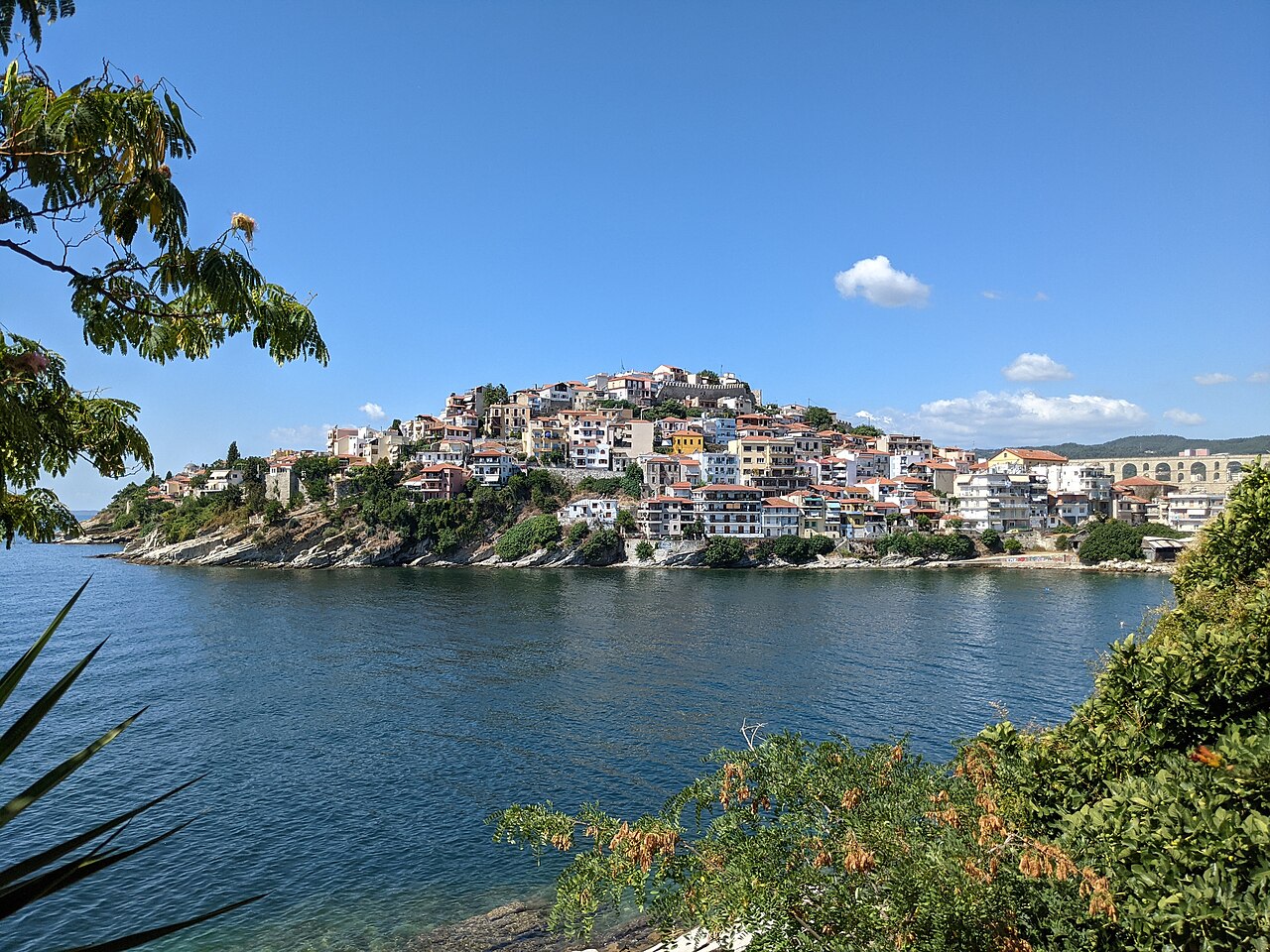
Kavala works because the city and the coast stay together
Walk the old town in the morning, swim in the afternoon and choose Philippi when you want the region’s deeper history.
Is Kavala right for your trip?
Kavala suits travellers who prefer a city with texture to a purpose-built resort. It is a good choice for couples, independent travellers, families who want a beach within reach of an urban base and visitors interested in the overlap between Greek, Roman, Byzantine, Ottoman and modern commercial history. It also works well for a first or final stop around a wider northern Greece route.
It is less suitable if you want a completely flat, walk-everywhere city. Panagia is steep, the castle involves uneven surfaces and the most attractive beaches outside town require buses, taxis or a car. Kavala also feels more like a living regional city than a preserved open-air monument. That is a strength, but visitors expecting a small island atmosphere may need to adjust their expectations.
Kavala is generally easier to budget than the most heavily promoted Greek islands, particularly for food and a city-based stay, although summer beach areas and waterfront accommodation can narrow that difference. The biggest variables are your base, whether you hire a car and whether you add a Thasos crossing. Compare the full transport cost rather than assuming that a cheaper room outside the centre will remain cheaper after taxis, parking and beach transfers.
| What you want | Why Kavala works | What to plan for |
|---|---|---|
| A historic city break | Panagia, the fortress, Kamares, Mohammed Ali’s residence and tobacco history. | The old town is hilly and rewards shoes suited to steps and uneven lanes. |
| City plus beach | Rapsani and Kalamitsa are close, with further beaches west and east. | Beach character and facilities vary; the best-known shores are not all walkable. |
| Ancient history | Philippi brings Hellenistic, Roman and Early Christian history into one excursion. | Allow at least a half-day for the site and museum, especially in hot weather. |
| A car-free visit | The centre, harbour, old town and nearby beaches can be combined by foot and bus. | Philippi and more distant beaches need a regional bus, taxi or arranged trip. |
How many days do you need?
Two nights is enough for a focused city break: one day for Panagia and the waterfront, and one for Philippi or a nearby beach. Three nights is the better minimum if you want the city to feel unhurried. It gives you time to visit the Tobacco Museum or Archaeological Museum, swim, and keep Philippi separate from the hottest part of a city walk.
Four or five nights allows Kavala to become a base rather than a stop. Add Nea Iraklitsa, Nea Peramos or Ammolofi to the west, or combine the city with a carefully planned Thasos connection. Do not attempt to fit Philippi, a full beach day, Thasos and a detailed city walk into a short weekend. The geography looks manageable until parking, ferry timings and heat take their share of the day.
When to visit Kavala
Late spring and early autumn are the most balanced periods for combining walking, archaeology and swimming. The city is easier to explore when the heat is not at its summer peak, while the beaches and waterfront remain part of the trip. Summer gives you the fullest choice of beach services and cultural events, but the exposed sections of Philippi and the uphill streets of Panagia are demanding in the middle of the day.
For a summer visit, walk the old town early, leave the archaeological site for a cooler period of the day and keep time for an evening promenade. Philippi’s ancient theatre also hosts summer performances during the Philippi Festival, but dates and programmes are seasonal and should be checked before building a trip around one.
Getting to Kavala and getting around
Kavala International Airport “Megas Alexandros” is near Chrysoupoli rather than in the city itself. The airport’s current public-transport information says that the connection to Kavala involves a transfer from the KTEL station at Chrysoupoli. Tickets can be bought from the bus driver, while the airport directs travellers to KTEL Kavala for more information. This is useful to know before arrival: do not assume that the airport has a simple city-centre bus running at the same frequency as a major urban airport.
Thessaloniki is another practical gateway, especially for travellers arriving on international routes. Our Thessaloniki guide is useful if you are adding a city stay before Kavala. From Thessaloniki airport, the airport’s official information lists bus connections to the city and KTEL Makedonia; from there, a regional coach to Kavala is the more realistic public-transport pattern. If you are travelling with luggage, a late arrival or a fixed Philippi booking, compare the total transfer rather than only the flight price.
Within Kavala, walking is the best way to understand the centre and Panagia, but it is not effortless walking. The municipal guide lists eleven local bus routes, including the number 8 between Kalamitsa and Batis, and regional services towards Palio, Nea Iraklitsa, Nea Peramos, Ammolofi, Chrysoupoli and Keramoti. Timetables and fares belong to the current operator, so check them for your dates.
| Transport choice | Best use | Limitation |
|---|---|---|
| On foot | Panagia, the harbour, Kamares, central museums and the waterfront. | Steep streets, steps and summer heat make pacing important. |
| Local bus | Urban beaches and neighbourhoods, particularly the Kalamitsa–Batis corridor. | Check the latest route, stop and timetable rather than relying on an old map. |
| Regional bus | Palio, Nea Iraklitsa, Nea Peramos, Ammolofi and Keramoti connections. | A beach day depends on the return timetable and your tolerance for waiting. |
| Rental car | Philippi, dispersed beaches, wine-country detours and a wider regional itinerary. | Parking in the centre and old town can be more burdensome than the drive itself. |
Where to stay
Centre and waterfront: best for a first visit without a car
Staying between the harbour and the central streets gives you the easiest access to evening food, the Archaeological Museum, tobacco warehouses and the promenade. It is the practical choice when you want to walk after dinner and use buses or taxis for the beaches. The trade-off is urban noise, limited parking and a longer uphill walk to Panagia.
Panagia: best for atmosphere
Panagia is the most characterful base, with old streets, views, the fortress and proximity to Mohammed Ali’s residence and the Imaret. It is a good fit for travellers who want to step outside into the historic city rather than commute to it. It is less convenient for heavy luggage, mobility limitations, frequent driving or anyone who expects a level route to the waterfront.
Kalamitsa and the western coast: best for beach access
Kalamitsa and the coastal areas towards Palio suit travellers who want the sea to be part of the accommodation decision. You remain close enough to Kavala for a city evening, but you should check the exact transport, parking and seasonal services before booking. A map location described as “near Kavala” can still require a bus or taxi for the places you plan to visit.
Nea Iraklitsa and Nea Peramos: best for a beach-led stay
These coastal settlements west of Kavala make sense if the main holiday is swimming, tavernas and beach time, with occasional city and Philippi excursions. They are not substitutes for staying in Kavala if the old town and evening walks are central to the trip. Choose them when the coast, not the city, is your first decision.
Panagia, the fortress and the old town
Panagia is Kavala’s historic peninsula and the place where the city’s layers become most visible. The streets rise towards the acropolis, with the fortress at the top and the sea opening around the slopes. The route is more satisfying when taken slowly: notice the houses and courtyards, then pause rather than treating every uphill lane as a race to the next monument.
The acropolis and fortress occupy the summit. The current municipal information describes the fortress as largely built in the first quarter of the fifteenth century, incorporating elements of the earlier Byzantine acropolis of Christoupolis. Its position controlled the route associated with the Via Egnatia, and later repairs reflect Byzantine, Venetian and Ottoman periods. The circular tower provides the main elevated view, but surfaces and stairs are not suitable for everyone.
Mohammed Ali’s Residence adds a different history to the walk. The official city information identifies it as an important surviving example of eighteenth-century Ottoman architecture, with a selamlik, harem, bath and domestic features such as wooden cupboards and fireplaces. It is more useful to visit it as part of Kavala’s Ottoman and eastern Mediterranean story than as an isolated “famous house”.
The Imaret, built by Mohammed Ali in the early nineteenth century, is now a hotel. Its presence explains why Panagia is not simply a Byzantine quarter: trade, religion, administration and international connections shaped the peninsula over centuries. Access to interiors depends on the property’s current arrangements, so do not assume that a hotel can be toured like a public museum.
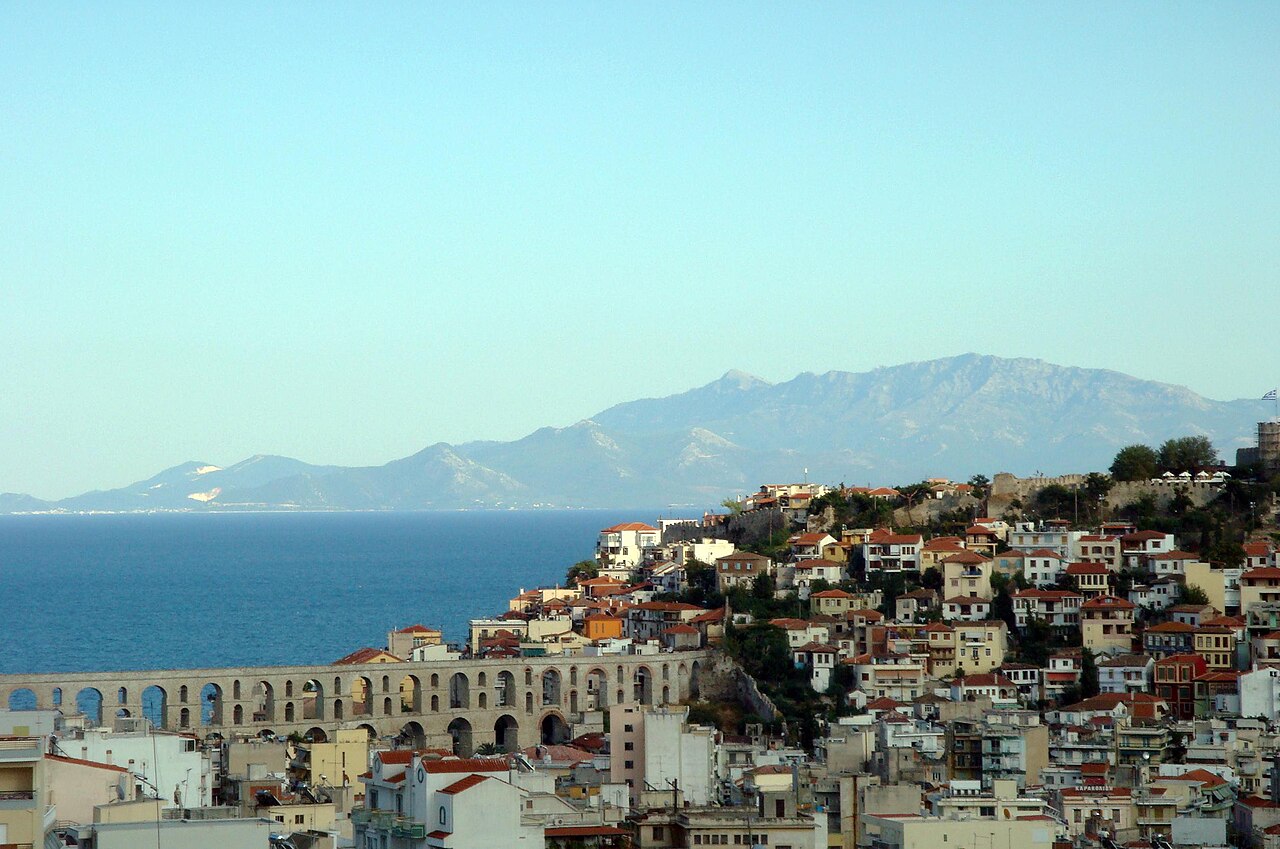
Kamares and the tobacco city
The Kamares aqueduct is not merely a photogenic bridge. The municipal history describes the present structure as a sixteenth-century water-supply project, about 270 metres long and up to 25 metres high, built when water had to be brought to the peninsula from the area of Old Kavala. It remained part of the city’s water system into the early twentieth century.
Walk beneath it and then continue into the modern city. The contrast between the massive aqueduct, the harbour and the former tobacco warehouses explains how Kavala grew from a fortified port into a commercial centre. The city’s tobacco history is not an optional museum theme; it shaped employment, architecture, migration and the urban wealth still visible in warehouses and merchant buildings.
The Municipal Tobacco Museum presents objects and archives connected with cultivation, processing and trade, including machinery, photographs, documents, tobacco samples and material from merchant associations. Its current city information lists weekday opening hours, but museum arrangements can change; confirm directly before making it the anchor of a short visit.
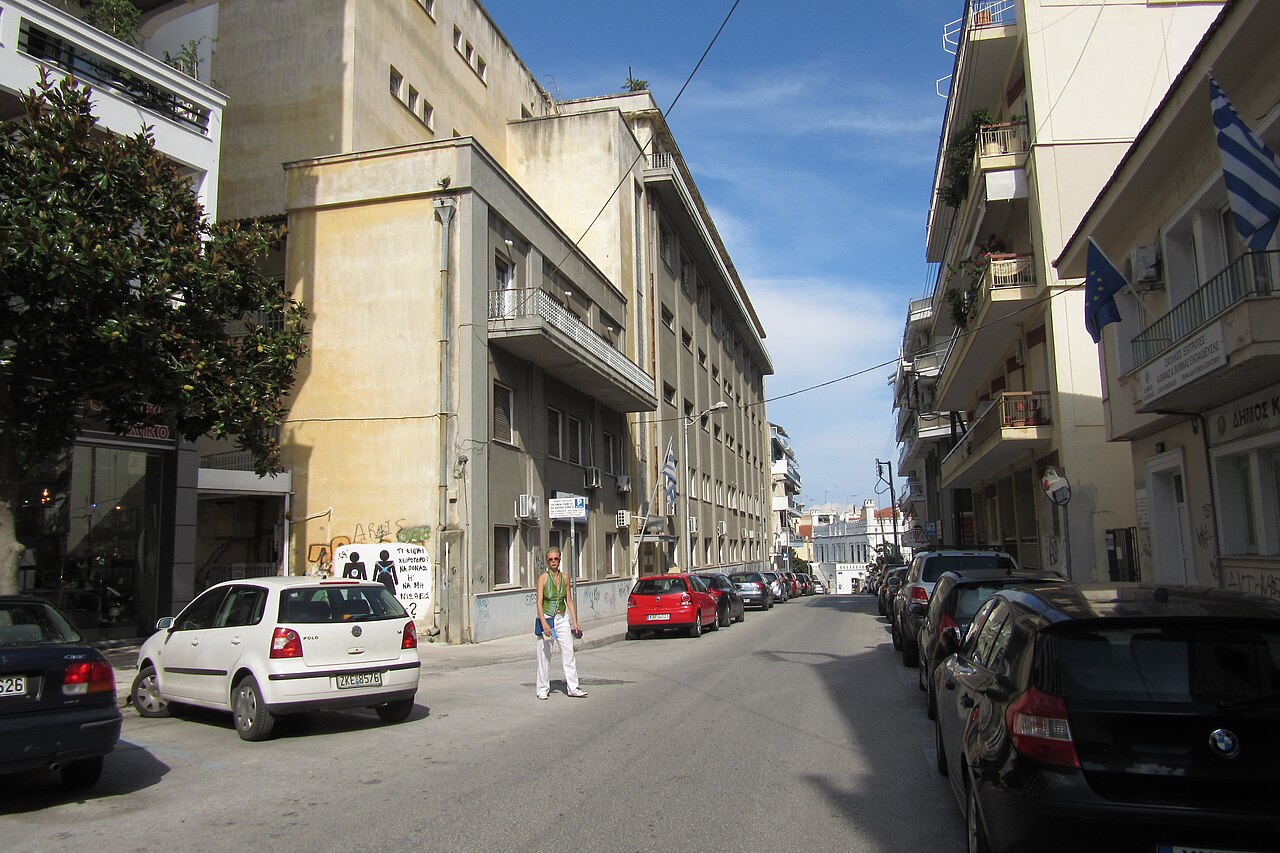
Beaches near Kavala
Kavala’s coastline gives the city a useful advantage over many mainland city breaks. Rapsani and Kalamitsa are the obvious urban choices, while buses and regional routes extend the possibilities. The beaches should be chosen by the kind of day you want rather than by a single “best beach” ranking.
- Rapsani: the simplest option for a swim without leaving the city.
- Kalamitsa: a more organised urban beach at the western entrance, with services and a practical bus connection.
- Palio: a coastal resort area west of Kavala, useful when you want a beach and accommodation outside the centre.
- Nea Iraklitsa: a harbour settlement with beaches and tavernas, suitable for a half-day or a beach-led base.
- Nea Peramos and Ammolofi: stronger choices for a dedicated sandy-beach day, but allow for traffic, weekend demand and the return journey.
- Keramoti: a shallow, sandy coastal option that also connects with the Thasos ferry route; it is a separate excursion rather than a spontaneous city swim.
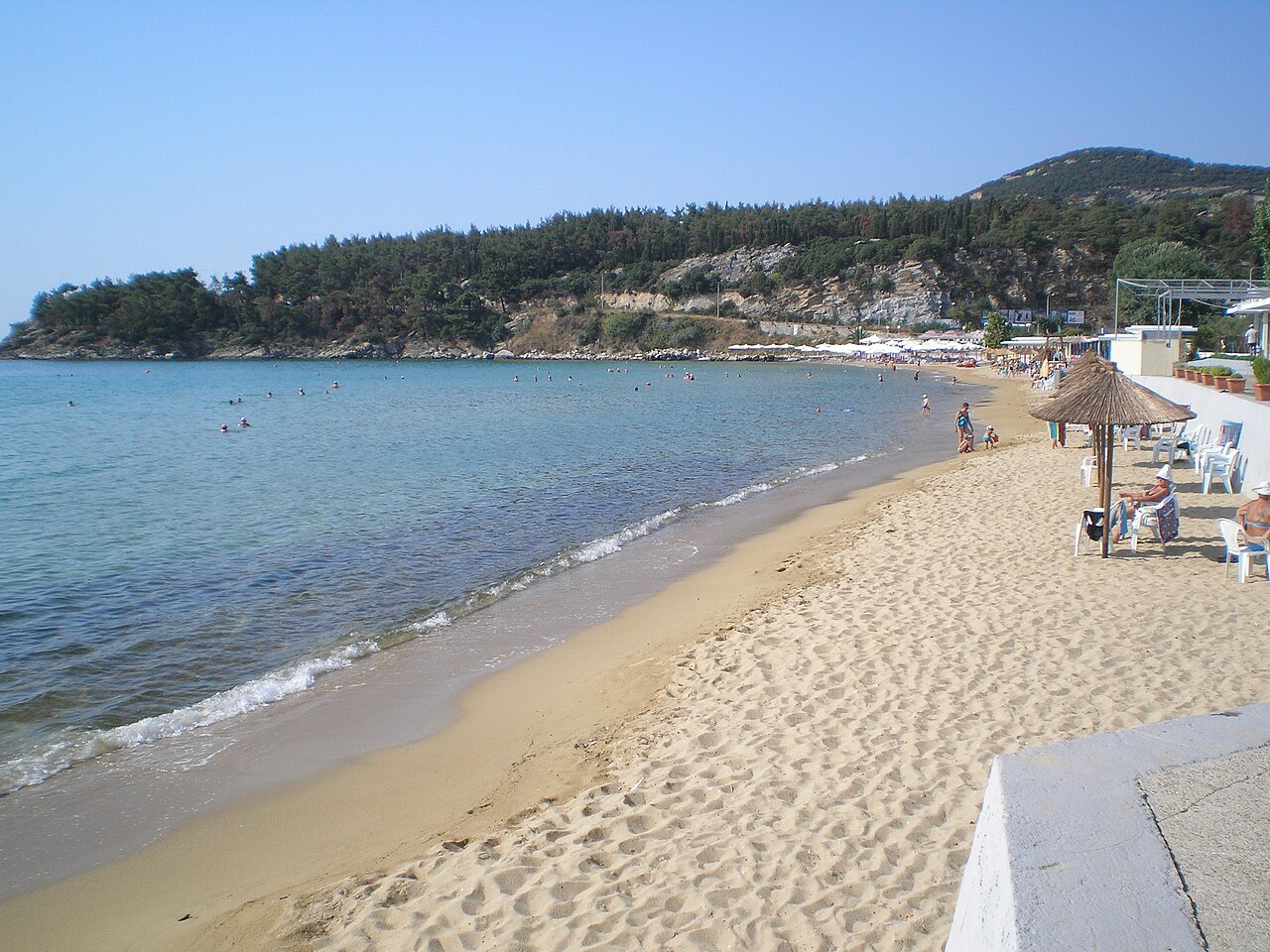
Organised beaches can be convenient for families and visitors who want shade, toilets and food nearby, but facilities are seasonal and crowded weekends change the experience. For a quieter swim, go early or choose a less central section. As with any open coast, clear water does not remove the need for supervision, sun protection or attention to wind and sea conditions.
Philippi: the essential day trip
Philippi is the reason Kavala deserves more than a generic city-break article. The UNESCO World Heritage site brings together the remains of a city founded by Philip II of Macedon in 356 BC, a Roman transformation after the Battle of Philippi, the Via Egnatia and the arrival of the Apostle Paul in 49–50 CE. Its significance is not one story replacing another; it is the visible layering of Hellenistic, Roman and Early Christian urban life.
Start with the theatre and forum, then slow down around the basilicas and Octagon complex. UNESCO describes Philippi as a city that developed into a “small Rome”, with Roman public buildings added to the Hellenistic city and Early Christian monuments later recording the growth of Christianity. The result is a site that rewards sequence: walls and theatre first, civic space next, then the Christian buildings and museum.
Allow at least half a day for the archaeological site and museum. The regional tourism authority currently lists daily site hours of 08:30–18:30 with shorter Tuesday hours, while the Archaeological Museum’s official page gives seasonally different information and advises visitors to check before travelling. The city’s tourism page currently lists a combined ticket for the site and museum, but prices and access can change. Confirm both the hours and ticket arrangement directly before your visit.
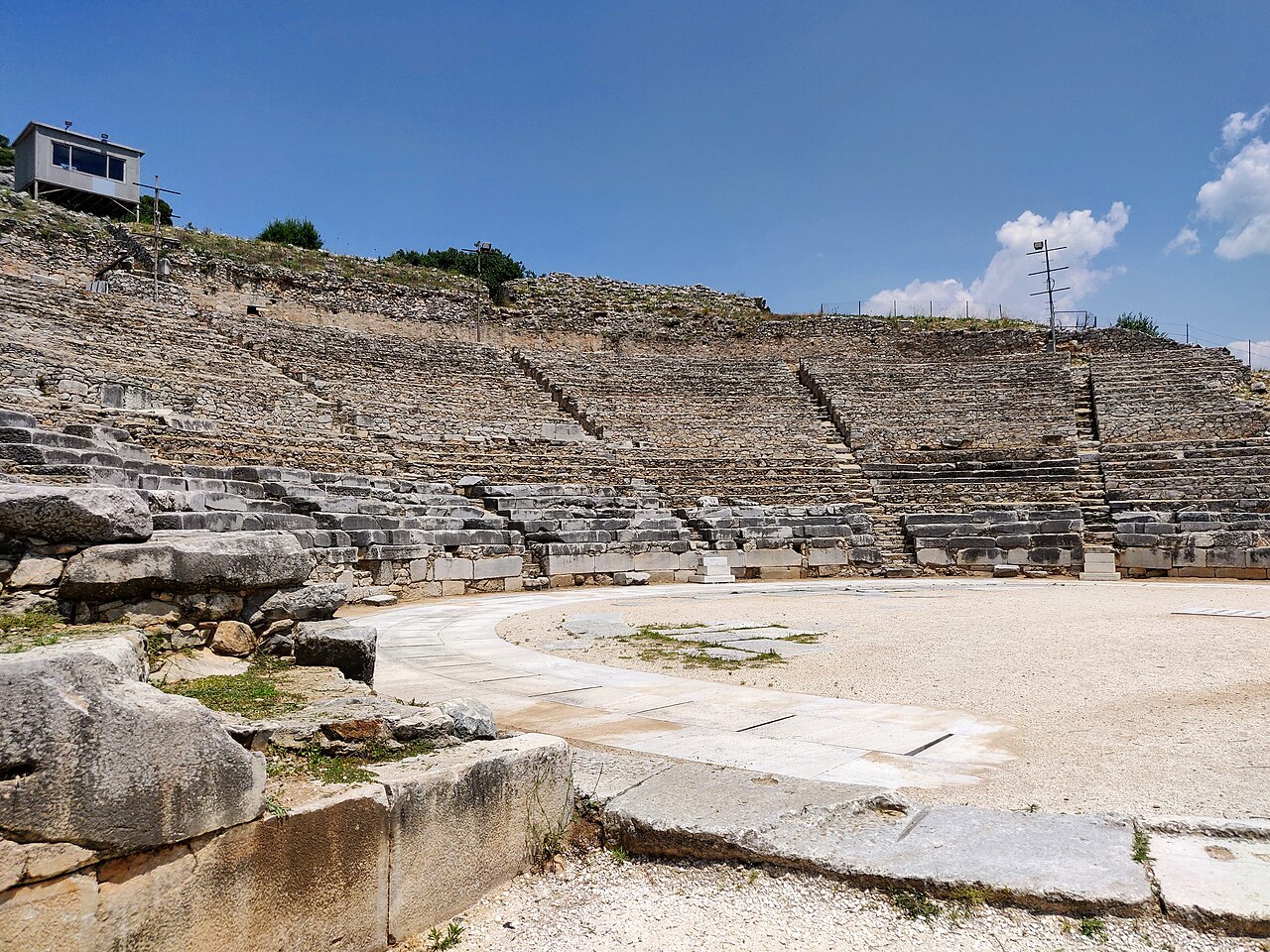
Philippi is straightforward by car from Kavala and possible by regional transport, but the exact public-bus arrangement should be checked for your dates. A taxi or organised excursion may be sensible for travellers with limited time, mobility concerns or a fixed onward flight. Do not schedule the site between a morning arrival and an evening departure without a generous buffer for transport and heat.
Nestos and the wider region
Kavala can also act as a base for the wetlands and landscapes around the Nestos River. This is a different excursion from the city’s built heritage: less about monuments, more about riverine habitat, birdlife and open country. It belongs in the itinerary only if you are prepared to give it enough time and arrange the correct access or activity. Avoid adding it as a vague “nature stop” between Philippi and a beach.
Thasos is another possible extension, but it is not automatically a day trip from every Kavala hotel. Ferries to Limenas also leave from Keramoti, not from the city centre, and the crossing is commonly around 35–45 minutes, depending on the vessel and conditions. Add the transfer from Kavala or the airport, waiting time, and the return sailing before deciding whether a same-day visit is sensible. A five-day Kavala-and-Thasos trip can work if the ferry calendar is checked first and the two destinations are given separate space. If the priority is Philippi and the city, keep Thasos for another journey rather than forcing an island into an already full plan.
Food, coffee and the city’s mixed inheritance
The city’s food is shaped by its port and its history. Fish and seafood are natural choices, but the city’s table also reflects trade routes, tobacco wealth, migration and the arrival of communities from different parts of the eastern Mediterranean. Look for local products from the wider region, including cheeses, honey, seasonal produce, seafood and wines from Eastern Macedonia.
The best food decision is usually geographical rather than fashionable. A waterfront meal gives you the evening atmosphere, while Panagia is better for a slower dinner after the uphill walk. In the centre, cafés and bakeries make a useful pause between museums. Ask what is prepared locally and what is in season; the city’s culinary identity is more convincing when it is connected to its region rather than presented as a fixed checklist.
In practical terms, eat where the city’s geography makes sense. The waterfront is useful for a first evening and a relaxed meal; Panagia offers atmosphere but requires the walk uphill; the broader centre is better for combining food with museums and tobacco-era buildings. Do not turn the cuisine into a list of “must-try” dishes without checking what is genuinely local and available in season.
A three-day Kavala itinerary
| Day | Plan | Why it works |
|---|---|---|
| 1 | Walk the harbour, Kamares and Panagia; visit the fortress and Mohammed Ali’s Residence. | You understand the city’s shape before adding transport or a long excursion. |
| 2 | Philippi archaeological site and museum, with a slower evening back in Kavala. | The UNESCO site receives enough time and is not squeezed into a city morning. |
| 3 | Kalamitsa for an easy beach day, or Nea Iraklitsa, Nea Peramos and Ammolofi for a longer coastal route. | You can choose the beach according to weather, transport and energy. |
With four or five nights, add the Tobacco Museum, Archaeological Museum of Kavala, a second beach day or a carefully researched Nestos excursion. Add Thasos only after checking the ferry route and deciding whether the island deserves an overnight stay.
Common mistakes
- Staying only for the view: Kavala’s old town is more rewarding when you understand the Ottoman, tobacco and port histories behind the buildings.
- Driving into Panagia without a parking plan: walk the final section and ask your accommodation about access before arriving with luggage.
- Leaving Philippi to the hottest afternoon: the site is exposed and large enough to justify a deliberate morning or late-day visit.
- Calling every beach a day trip: compare the return timetable and weekend traffic before choosing a distant shore.
- Combining Kavala, Philippi and Thasos in one rushed day: the map may tempt you, but the transport connections do not make it a sensible plan.
The verdict
Kavala is a strong northern Greece destination because its attractions are not interchangeable. The fortress is not a substitute for Philippi, the beach is not a substitute for the Tobacco Museum and the waterfront is not simply a place to pass through on the way to Thasos. Together they create a city break with genuine range.
Choose Kavala if you want history that remains part of a living city, beaches close enough to shape the day and a major archaeological site within reach. Choose a different base if you want a purely resort-led holiday or if your itinerary cannot spare time for the city’s hills and regional transport. For most first visits, three nights is the useful minimum; four or five gives the city and its surroundings room to breathe.
For the airport connection, use the Kavala Airport public-transport information for current arrangements. If you are continuing through the North Aegean, our Lemnos guide offers a useful comparison with another large, history-rich destination in the region.
Research and review note: this guide was checked in July 2026. Airport transfers, KTEL and local-bus timetables, Philippi opening hours and tickets, museum arrangements, beach facilities, ferry connections and seasonal services can change. Confirm the relevant details directly before travelling.