Lesvos is the kind of Greek island that doesn’t try to impress you — it just does. Third largest in the country and home to eleven million olive trees (yes, that’s about 122 per person), this North Aegean giant trades the postcard-perfect Cycladic whitewash for something rougher and more honest: stone-built villages climbing wooded hillsides, fishing harbours where octopus still dries on lines strung between boats, and a landscape shaped as much by ancient volcanic eruptions as by centuries of olive farming.
Most travellers heading to the Greek islands never consider Lesvos, which is exactly why you should. The island gave the world Sappho, ouzo as we know it, and a petrified forest older than the Himalayas. It’s where flamingos gather by the thousand each spring, where thermal springs bubble up from volcanic faults at near-boiling temperatures, and where the local cheese is aged inside olive oil. If you’re after an island that rewards curiosity over convenience, Lesvos delivers in ways the popular Cycladic destinations simply can’t.
| Where | North Aegean Sea, roughly 15 km from the Turkish coast |
| Size | 1,633 km² — Greece’s third-largest island, after Crete and Evia |
| Capital | Mytilene (population ~27,000) |
| Getting there | Direct flights from Athens (~50 min) or overnight ferry from Piraeus (10-12 hrs) |
| Best for | Nature lovers, foodies, birdwatchers, anyone wanting a slower pace |
| Best time | Late May to mid-October; April-May for birdwatching, September-October for mild weather and fewer crowds |
| Need a car? | Yes — the island is large and public transport is limited |
Why Lesvos Belongs on Your List
An island where volcanic geology meets ancient poetry, where the ouzo is made within sight of the sea, and where 400 km of coastline means you’ll almost always have a beach to yourself.
Lesvos doesn’t do things halfway. Its petrified forest, a UNESCO Global Geopark near the western village of Sigri, preserves trees turned to stone roughly twenty million years ago — making it one of the most important fossil sites in Europe. The Kalloni Salt Pans attract over two thousand flamingos each spring, along with hundreds of migratory species that make this one of the Mediterranean’s premier birdwatching destinations. And the thermal springs scattered across the island, fed by the same volcanic activity that created the petrified forest, reach temperatures that rank among the hottest in Europe.
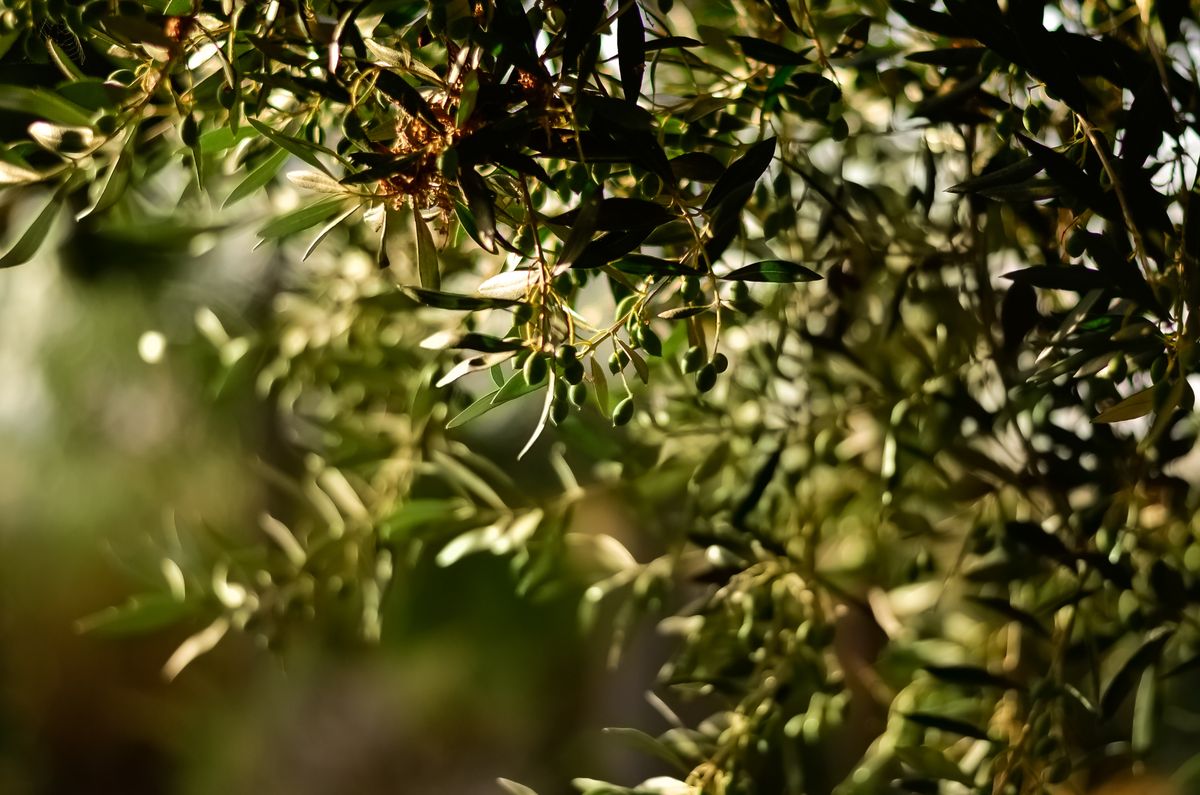
But beyond the headline attractions, what makes Lesvos genuinely different is its relationship with food and drink. This is an island where olive oil isn’t just an ingredient — it’s an identity. The olive groves here are ancient, some trees estimated at five hundred years or more, and the oil they produce has shaped everything from the local cuisine to the way villages are laid out across the landscape. Add the island’s role as the spiritual home of ouzo, and you’ve got a destination where sitting at a harbour-side table with a glass of something anise-flavoured and a plate of sardines counts as a legitimate cultural experience.
Unlike Thasos to the north or the Sporades chain to the southwest, Lesvos has remained remarkably under the radar for international visitors. Greek families have been coming here for generations, drawn by the long sandy beaches on the south coast and the genuine warmth of a place that hasn’t been reshaped by mass tourism. The fact that it takes a bit more effort to reach — an overnight ferry or a short domestic flight — works as a natural filter, keeping the kind of crowds that pack Santorini and Mykonos at a comfortable distance.
When to Go (and What to Expect)
Lesvos has a longer comfortable season than most Greek islands, thanks to its size and the moderating effect of the surrounding sea. Summer runs hot — July and August regularly push past 35°C — but the island’s greenery and elevation mean you won’t feel quite as baked as you might on a smaller, barer Cycladic rock. The north coast catches a reliable breeze that takes the edge off even the warmest afternoons.
The real sweet spot falls in the shoulder months. May and June bring wildflowers across the hillsides, warm-enough water for swimming, and the tail end of the spring bird migration that draws serious birdwatchers from across Europe. September and early October offer something equally appealing: sea temperatures at their peak, emptier beaches, lower prices, and the beginning of the olive harvest that transforms the groves into a hive of activity. If you can time your visit for late September, you might catch the annual sardine festival in Kalloni — a celebration of the small silver fish that has put Lesvos on the Greek culinary map.
April is cooler and rainier but ideal for hiking and birdwatching, with the Kalloni Salt Pans at their most spectacular. Winter brings a quiet, almost melancholy beauty to the island, though many visitor-facing businesses close between November and March.
Getting to Lesvos
The island’s airport — officially named Odysseas Elytis after the Nobel Prize-winning poet — sits about eight kilometres south of Mytilene. Aegean Airlines and Sky Express operate year-round flights from Athens, with the journey taking just under fifty minutes. During summer, seasonal charter flights connect Lesvos to a handful of European cities, though the schedule varies year to year.
If you prefer travelling by sea, Blue Star Ferries runs the main route from Piraeus to Mytilene via Chios. Departures typically leave Piraeus in the evening, arriving at Mytilene the following morning — expect a crossing of ten to twelve hours depending on sea conditions and the stop in Chios. Hellenic Seaways operates a similar overnight service. Deck tickets start from approximately €43, with cabins available for a quieter night. There are also connections from Thessaloniki and other North Aegean islands, though these run less frequently.
Once you arrive, pick up a rental car. This isn’t optional advice — Lesvos covers over 1,600 square kilometres, and the bus network, while it exists, is too infrequent to let you explore properly. The roads are generally well-maintained, and driving through the olive groves that carpet the interior is one of the island’s quieter pleasures.
Where to Base Yourself
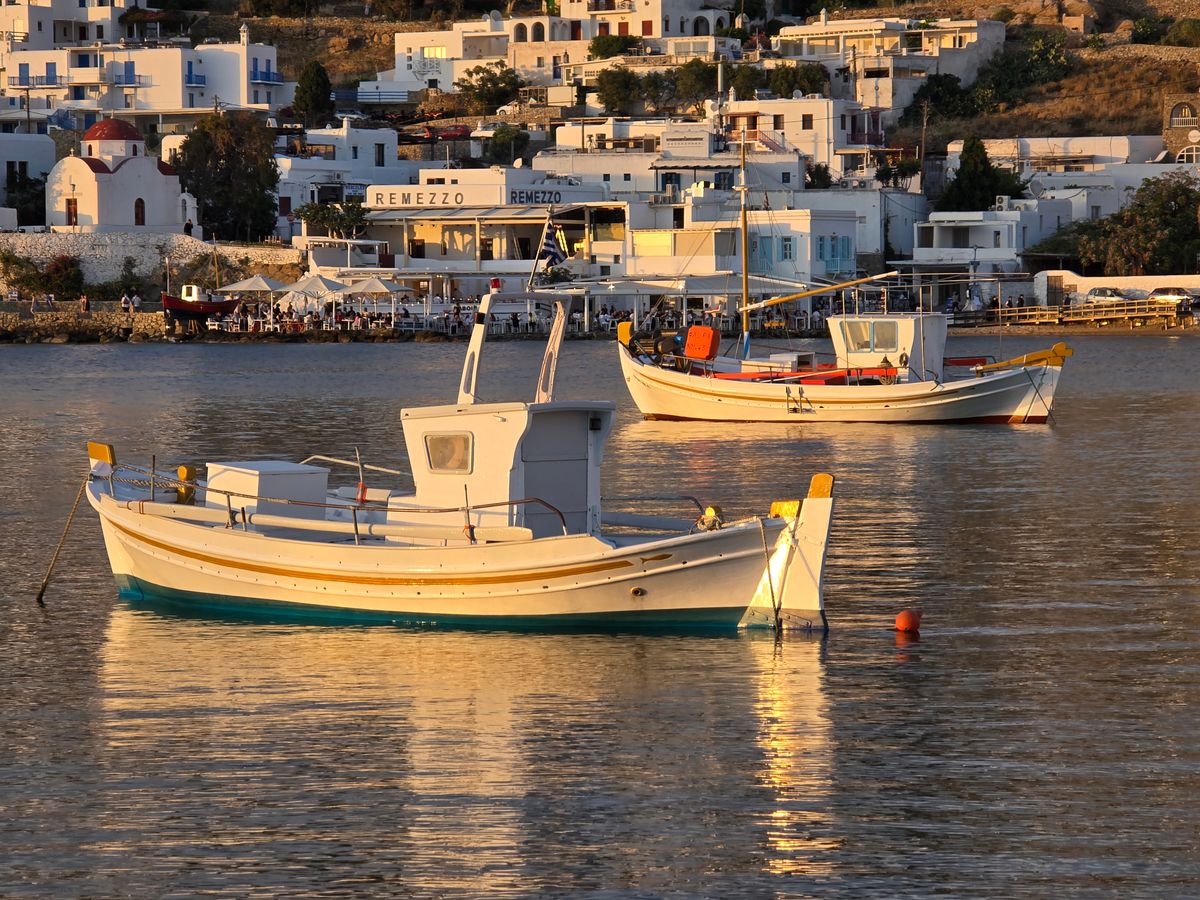
Your choice of base depends largely on what you want from the trip. Mytilene, the capital, has the most practical infrastructure — it’s where the ferry arrives, the airport is closest, and you’ll find the widest range of places to eat and shop. The waterfront has genuine character, with neoclassical mansions overlooking the harbour and a castle perched above the old Turkish quarter. It’s a working town rather than a resort, which gives it an energy that some of the quieter villages lack.
Molyvos (Mythimna), on the northern coast, is probably the most photographed village on Lesvos and makes an excellent base for exploring the north. Stone houses stack up toward a Byzantine-era castle, the harbour below is lined with fishing boats, and the sunsets from the castle walls are as good as anything in Greece. It can feel a little touristy in peak July and August, but nothing like the Cycladic hotspots — we’re talking a modest bump in visitors rather than a crush.
Petra, a few kilometres south of Molyvos, offers a slightly more low-key alternative with a long family-friendly beach and a village square built around a dramatic rock topped by a church. Skala Eressos on the west coast draws a loyal following for its long sandy beach and bohemian atmosphere — it’s the birthplace of Sappho, and that literary connection gives the village a distinctive creative energy. For those who want to be close to the south-coast beaches, Plomari doubles as the island’s ouzo capital and a genuine small town with more to it than the tourist brochures suggest.
The Villages That Define Lesvos
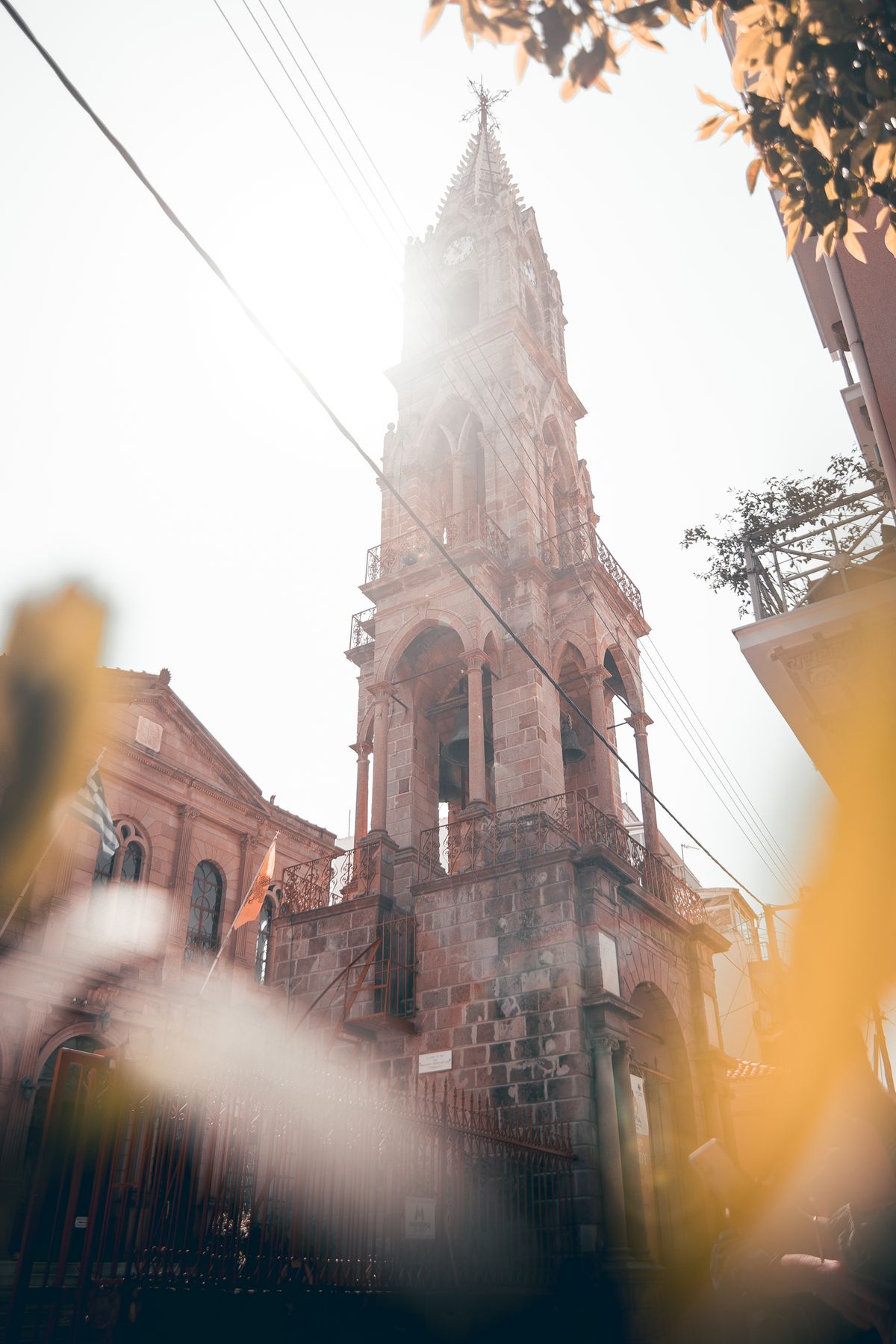
Lesvos has a density of interesting villages that would be hard to match on any other Greek island. Start with Agiasos, set on the wooded slopes of Mount Olympus (yes, Lesvos has its own, at 968 metres) about 27 kilometres from Mytilene. This is a village of craftspeople — woodcarvers, potters, leather workers — whose workshops still operate in the narrow lanes below the Church of Panagia, which houses a revered icon attributed to Saint Luke. The carnival celebrations here are among the most spirited in Greece, full of political satire and sharp local humour that has been a tradition for generations.
Sigri, out on the remote western tip, is as far from tourist Greece as you can get while still having a decent place to eat. It’s the gateway to the Petrified Forest and home to its excellent museum, but it earns a visit on its own terms — a quiet fishing village with a Venetian castle and views across to the volcanic islet of Nissiopi. Agiassos and Mantamados in the north are known for their local pottery traditions and the Taxiarchis Monastery, while Vatoussa and Antissa in the west sit surrounded by olive groves so thick they look like forests.
The connecting thread is a quality that sets Lesvos apart from the more touristed islands: these are places where people still live and work in traditional ways, not because anyone’s preserving a set piece for visitors, but because the rhythms of olive farming, fishing, and small-town life simply haven’t been disrupted to the same degree. You can drive through the interior of Lesvos for an hour and feel like you’ve stepped back several decades, in the best possible way.
Things to Do on Lesvos
Walk Among Fossils at the Petrified Forest
Near the western village of Sigri, an ancient volcanic eruption roughly twenty million years ago buried an entire subtropical forest under ash and pyroclastic flows, slowly replacing organic material with minerals and preserving trees in astonishing detail. The Lesvos Petrified Forest is now a UNESCO Global Geopark, covering some 15,000 hectares, and walking through it is a genuinely strange experience — you’re looking at tree trunks, complete with bark texture and growth rings, that have been turned entirely to stone.
The Natural History Museum of the Lesvos Petrified Forest in Sigri does an excellent job of explaining the geology, with well-displayed specimens that include entire root systems and fossilised leaves. It’s one of the better small museums in Greece, and worth visiting before or after seeing the outdoor sites. Combined with a drive through the stark, beautiful western landscape, this makes for one of the island’s most memorable day trips.
Follow the Ouzo Trail in Plomari
Greece’s national spirit owes its character to Lesvos more than anywhere else, and the southern coastal town of Plomari is where the tradition runs deepest. The town’s distilleries — including Barbayiannis, operating since 1858, and Isidoros Arvanitis, since 1894 — produce ouzo using copper pot stills and local star anise, much of it harvested from the village of Lisvori nearby. You can visit the distilleries and learn how the spirit gets its distinctive flavour, from the quality of the anise to the mineral composition of the local water.
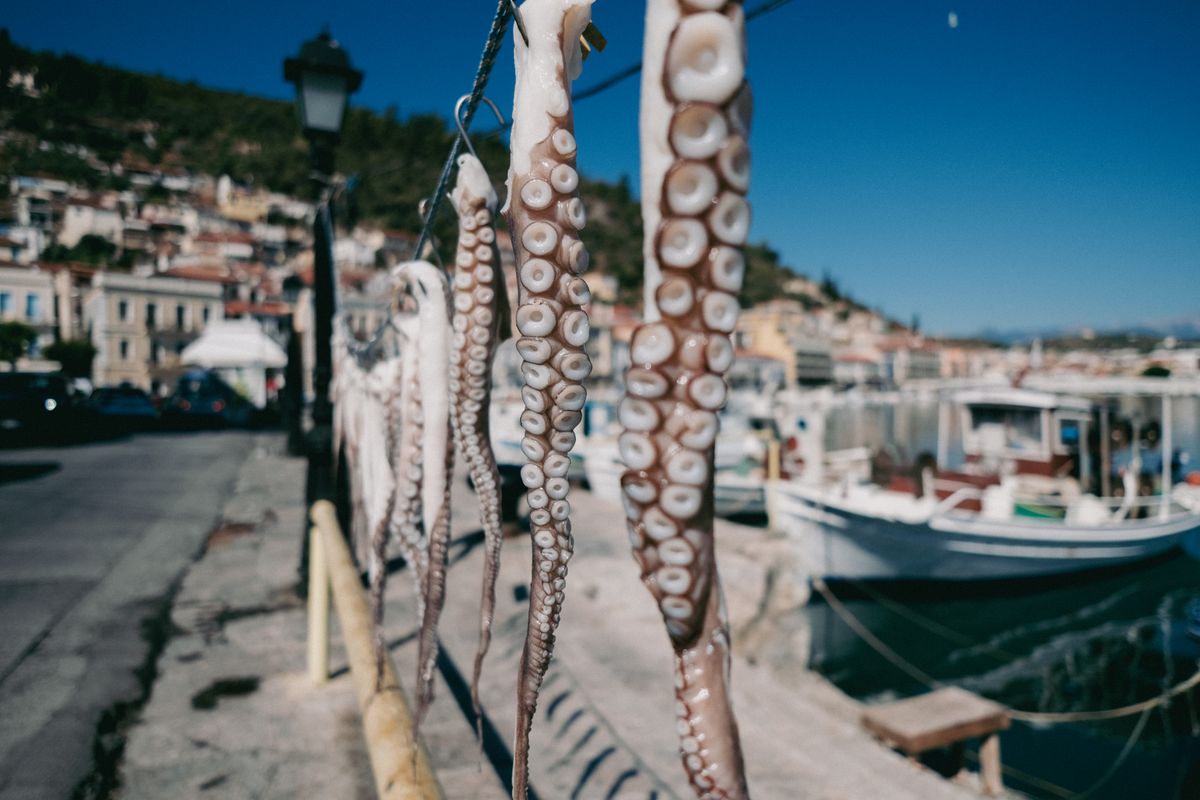
But you don’t need to visit a distillery to appreciate Lesvos ouzo. Order it at any harbourside table and it arrives with a small plate of meze — a piece of cheese, a few olives, maybe some grilled octopus — and you sip it slowly, adding water to turn it milky white, while the afternoon stretches out in front of you. This isn’t tourist theatre; it’s how people on Lesvos actually spend their evenings, and joining in is one of the simplest and most genuinely enjoyable things you can do here.
Soak in Volcanic Thermal Springs
The same volcanic geology that created the Petrified Forest also feeds a network of thermal springs across the island. The most impressive is at Polichnitos, where water emerges from the ground at temperatures between 60°C and 95°C — among the hottest springs in Europe. The bathing pools are cooled to a manageable temperature, and while the facilities are basic, the experience of soaking in naturally heated mineral water is hard to beat.
Eftalou, near Molyvos, offers a more atmospheric setting — a small stone bathhouse right on the shoreline where water heated to around 46°C fills a domed interior. The combination of hot mineral water and the sound of waves just outside the walls makes this feel like a ritual rather than a spa treatment. The springs at Gera Bay and Thermi round out the options, each with their own character and mineral composition.
Watch Flamingos at Kalloni Salt Pans
The Kalloni Salt Pans, covering around 260 hectares at the head of the Gulf of Kalloni, are the centrepiece of what makes Lesvos one of the top birdwatching destinations in the Mediterranean. During the spring migration from late March through May, over two thousand greater flamingos gather here alongside avocets, black-winged stilts, and dozens of other wader species. The island as a whole has eighty-four recorded wetland areas, and serious birders have logged over three hundred species on Lesvos — a remarkable number for an island this size.
You don’t need to be a dedicated twitcher to enjoy the salt pans. The flamingos are visible from the road, often in large enough numbers to turn sections of the lagoon pink, and the flat landscape makes spotting even small waders relatively easy. Bring binoculars and go early in the morning or late in the afternoon for the best light and activity. If you want to explore beyond the salt pans, the river deltas and coastal wetlands near Skala Kallonis and the Potamia area are equally rewarding.
Explore Molyvos Castle
The castle above Molyvos has been watching over the north coast of Lesvos since Byzantine times, though most of what you see today dates from the Genoese period — Francesco Gattelusi took control in 1373 and reinforced the fortifications substantially. The Ottomans captured it in 1462, and it remained in use as a military outpost for centuries afterward. Today the walls are largely intact, and climbing up through the village to reach them is half the experience — the lanes narrow as you rise, passing stone houses draped in bougainvillea and the occasional cat sleeping in the shade.
From the top, the views extend across the Aegean toward the Turkish coast, and on clear days the sense of scale — sea, mountains, olive groves spreading toward the horizon — gives you some understanding of why this strategic hilltop has been continuously fortified for over a thousand years. Summer evenings sometimes bring cultural events and concerts within the castle walls.
Beaches Worth the Drive
From the seven-kilometre sweep of Vatera to the bohemian sands of Skala Eressos — Lesvos rewards those willing to explore its 400 km of coastline.
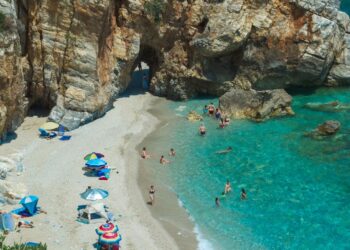
Lesvos has plenty of good beaches, though they require more effort to reach than on smaller islands. The payoff is that you’re rarely sharing them with more than a handful of other people, even in August. Vatera, on the south coast, is the island’s longest at roughly seven to eight kilometres — a broad sweep of sand backed by tamarisk trees that stays sheltered from the north winds that can whip up the Aegean. It’s popular with Greek families and has enough scattered beach bars to keep you refreshed without feeling commercialised.
Skala Eressos runs for over a kilometre along the western coast, with coarse sand and a bohemian atmosphere that reflects the village behind it. It’s one of the island’s better sunset beaches and has a loyal following among travellers who come back year after year. Anaxos, near Petra, is a reliable choice for families — a sandy beach with Blue Flag status and gentle entry into the water. Petra beach itself combines sand and fine shingle with the dramatic backdrop of the rock that gives the village its name.
Eftalou, north of Molyvos, is pebbly rather than sandy but earns its place for the thermal springs that flow right onto the shore — you can alternate between the warm mineral pools and the cooler sea, which is a particular kind of indulgence. For something more remote, the beaches around Sigri and the small coves near Agios Isidoros south of Plomari see very few visitors and reward a spirit of exploration.
| Beach | Type | Best For | Coast |
|---|---|---|---|
| Vatera | Long sandy (7-8 km) | Families, long walks, sheltered swimming | South |
| Skala Eressos | Coarse sand (1+ km) | Sunsets, bohemian atmosphere | West |
| Anaxos | Sandy, Blue Flag | Families, shallow entry | North |
| Petra | Sand and fine shingle | Village beach, dramatic backdrop | North |
| Eftalou | Pebbly with hot springs | Thermal bathing, unique experience | North |
What to Eat on Lesvos
Lesvos earns its place among the best food islands in Greece through a combination of outstanding raw ingredients and recipes that have been passed down without much interference from trends or tourism. The foundation is olive oil — the island produces some of the finest in the country, and it shows up in everything from simple salads to slow-cooked stews where the oil is almost a main ingredient rather than a background flavour.
The island’s most celebrated food product is the sardine of Kalloni. These small, silvery fish, caught in the nutrient-rich waters of the Gulf of Kalloni, are considered among the best in the Mediterranean. You’ll find them grilled fresh, served alongside a squeeze of lemon and a glass of ouzo, at tables across the island — but they’re at their most special when simply prepared at a waterfront table near Skala Kallonis, where the boats that catch them are tied up just metres away. Sardeles pastes — salt-cured sardines — are a traditional preserved version worth seeking out.
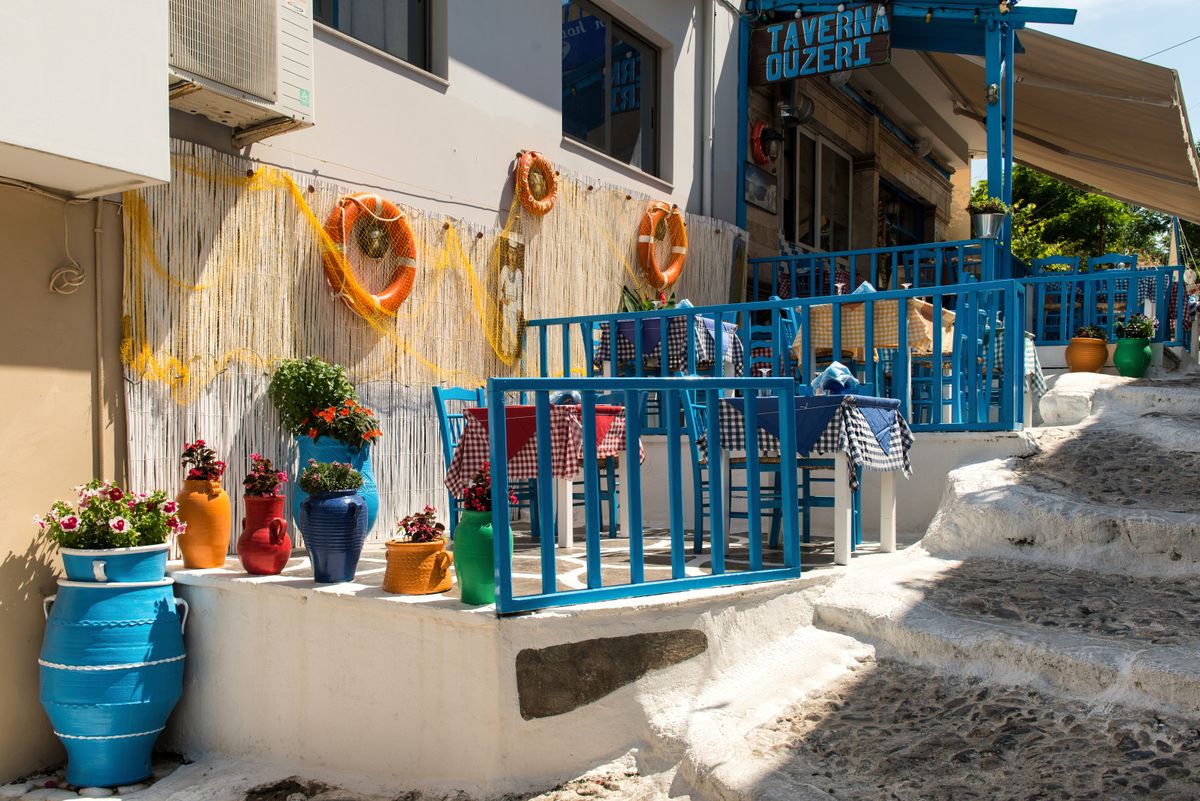
Ladotyri Mytilinis is the island’s signature cheese — a hard sheep’s-milk cheese that carries Protected Designation of Origin status and is traditionally aged in olive oil, which gives it a distinctive, almost fruity tang. It’s excellent grated over pasta or simply eaten with bread and a drizzle of the island’s own oil. Other local specialities include kolokythokeftedes (courgette fritters that every island does slightly differently but that Lesvos does particularly well) and slow-cooked goat or lamb that benefits from the island’s herb-rich grazing land. The neighbouring island of Ikaria shares some of these culinary traditions, rooted in the same North Aegean terroir.
A Week on Lesvos — Suggested Itinerary
Days 1-2: Mytilene and the east. Settle into the capital, walk the waterfront, visit the Archaeological Museum and the castle. Drive out to the traditional village of Agiasos on the slopes of Mount Olympus and explore its craft workshops and the Church of Panagia. End the afternoon at the thermal springs of Thermi, just north of Mytilene.
Days 3-4: The north. Move your base to Molyvos and spend a morning climbing through the village to the castle. Swim at Eftalou and try the thermal bathhouse on the shore. Drive to Petra for the beach and the dramatic hilltop church, then head to the Kalloni Salt Pans for late-afternoon birdwatching — the light is at its best for photography around this time.
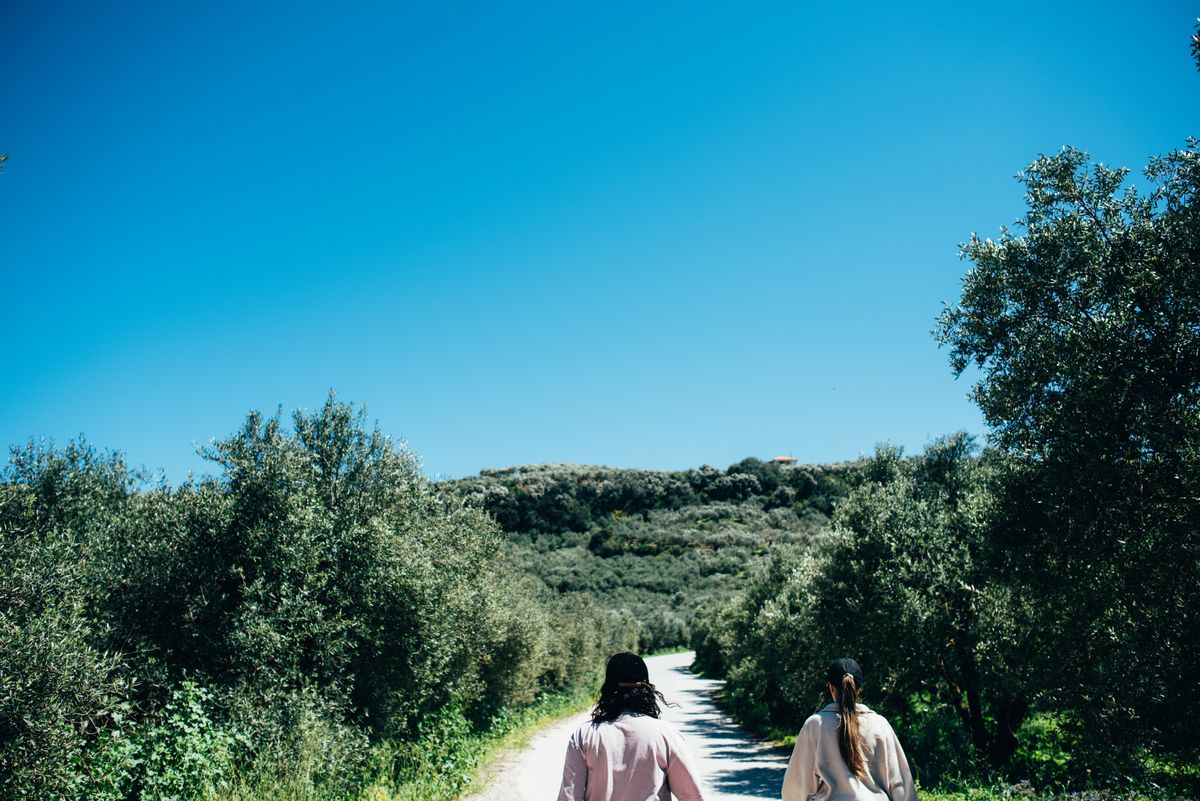
Days 5-6: The west. Drive across the island to Sigri, stopping at the Petrified Forest outdoor sites and the museum. If you enjoy remote beaches, explore the coves near Sigri before heading south to Skala Eressos for a sunset on Sappho’s home beach. The drive between west and south passes through some of the island’s most impressive olive groves — take your time with it.
Day 7: Plomari and the south. Head to the ouzo capital for a distillery visit and a walk through the old town. Spend the afternoon at Vatera beach, the island’s longest, before circling back to Mytilene with a stop at the Polichnitos thermal springs along the way. If you have an extra day, consider a day trip to the sandy beaches around Petra, or simply repeat whichever village or beach you liked best — Lesvos rewards return visits.
Practical Tips Before You Go
Rent a car. Worth repeating: you genuinely need one here. The island’s bus network connects major towns but runs infrequently, and many of the best beaches and villages are off the main routes. Book in advance during July and August when demand peaks.
Bring binoculars. Even if you’re not a birdwatcher, the flamingos at Kalloni Salt Pans are worth seeing up close, and you’ll spot raptors and waders throughout the island. If you are a serious birder, April and May are the months to come — pack a scope and plan to spend full days in the field.
Try the sardines. Specifically the Kalloni sardines, grilled fresh. They’re one of those foods that taste fundamentally different at the source than anywhere else — something about the combination of the gulf’s particular ecosystem and the short journey from sea to plate. Like Skopelos with its cheese pies or Sifnos with its chickpea stew, Lesvos has a signature dish that defines the island’s culinary identity.
Cash is still useful. While card payment has become more common across Greece, some of the smaller villages, beach bars, and thermal spring facilities on Lesvos still operate primarily with cash. Mytilene and Molyvos have ATMs, but if you’re heading to Sigri or the south coast, withdraw beforehand.
Language goes a long way. Lesvos sees fewer international tourists than the Cyclades or Crete, so English isn’t as universally spoken in smaller villages. A few words of Greek — kalimera (good morning), efharisto (thank you), ena ouzo parakalo (one ouzo, please) — will be genuinely appreciated and might earn you a free meze plate.
This article was independently researched and verified as of July 2026. Schedules, prices, and operating hours can change — we recommend confirming details locally before your visit. VividGreece is not affiliated with any of the businesses, services, or destinations mentioned.