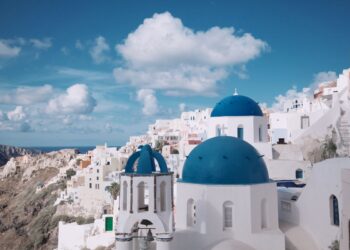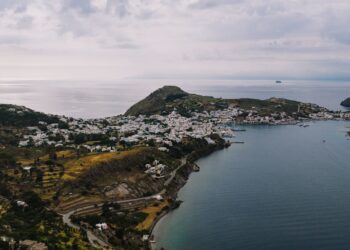
Somewhere between the second gelato of the day and a barefoot toddler wading into water so shallow and warm it feels like a bathtub, you understand why families keep coming back to Greece. The Aegean offers something that other Mediterranean destinations struggle to match: a combination of extraordinary natural beauty, genuinely welcoming culture, and beaches so calm and safe they feel purpose-built for children.
But Greece is not one thing. It is dozens of islands, each with its own character, rhythm, and practical reality for traveling families. The island that suits a family with a toddler and a grandparent may be completely wrong for teenagers looking for adventure. The Cycladic island that works brilliantly as a budget week-long escape may be exhausting for a five-day sprint with a baby in a stroller.
This guide cuts through the noise. We have analyzed seven of the best Greek islands for families in 2026, breaking down what each one genuinely offers — from beach quality and stroller accessibility to dining culture, water parks, and how to reach them without losing your mind on a fifteen-hour ferry.
There is a particular shade of turquoise in the Aegean—the one that meets a sandy floor so gently that the water seems to hold its breath. Watching a child discover it for the first time is the reason families return to Greece, year after year, generation after generation.
Why Greece Is Ideal for Families
Greece’s reputation as a family destination is not marketing. It is rooted in a genuinely child-loving culture where children are welcomed everywhere — from late-evening taverna dinners to local festivals — and where the phrase “you have beautiful children” is offered freely and sincerely by strangers.
A Culture That Welcomes Children
In Greece, children are not an inconvenience. Taverna owners will cheerfully produce high chairs and half-portions without being asked. Late dinners starting at 8 or 9 PM are the cultural norm — and children are expected to be there too, running between tables and eating off their parents’ plates while grandparents on adjacent tables smile approvingly. This is a country where family life is public and celebrated.
Beach Quality That Matters
Greece has more Blue Flag-certified beaches per coastline than almost any other country in Europe. Blue Flag status means clean water, organized facilities, first aid access, and environmental standards. For families, it also typically means calmer, safer water, organized sunbeds, nearby refreshments, and usually a lifeguard during peak season.
Beyond certification, the natural geography of many Greek island bays creates naturally sheltered, shallow coves where the sea floor drops so gently that young children can stand and play many meters from the water’s edge.
Mediterranean Food for Picky Eaters
Greek cuisine is broadly accessible even for cautious child eaters: grilled chicken, fresh fish, simply prepared vegetables, pasta, pizza at most resorts, and an abundance of bread, cheese, and olives. Greek yogurt with honey is practically a national religion. The simplicity of Cycladic cooking — olive oil, lemon, herbs — means even adventurous toddlers find food they recognize.
Ancient History Made Real
Few places on Earth offer children the chance to walk through a 3,500-year-old palace, stand inside a medieval castle, or watch a snake swim lazily through ancient ruins. Greece turns history into an adventure rather than a lesson, and children who explored Knossos or Rhodes Old Town rarely forget it.
Value for European Families
Compared to equivalent Mediterranean destinations — the Balearics, Tuscany’s coast, the French Riviera — Greece offers significantly better value. A family of four can eat well, stay comfortably, and play in the sea for a daily budget that would not cover dinner alone on parts of the Amalfi Coast.
What Makes a Greek Island “Family-Friendly”? The Decision Framework
Before recommending specific islands, it helps to name the criteria that actually matter when choosing where to take children.
Beach suitability by age: Toddlers need ankle-deep water and sandy sea floors. Older children can manage pebbly beaches and slightly deeper entries. Teenagers can handle anything and often prefer dramatic over safe.
Stroller and accessibility logistics: Islands with flat terrain (Kos) are dramatically easier with prams than islands with steep village stairs (Santorini). This matters more than most guides acknowledge.
Direct accessibility: Long ferry journeys with small children in July heat can break a holiday before it begins. Islands reachable via direct flight or short ferry from Athens score significantly higher for families.
Medical facilities: For families with young children, having a pharmacy and clinic within reasonable reach is not paranoia — it is planning.
Accommodation options: Self-catering studios and apartments with kitchenettes allow families to manage snack times, baby food preparation, and erratic mealtimes without depending entirely on restaurants.
Evening dining culture: Greece’s late dining tradition is wonderful but can challenge families with very young children. Islands and resorts that cater to earlier evening service (6–7 PM) score better.
2026 Family Travel Trends in Greece
Family travel to Greece is growing, and 2026 brings some distinct new patterns worth understanding before you book.
Multi-generational travel is surging. Data from global family travel surveys points to a 67% year-on-year increase in bookings by three-generation groups — grandparents, parents, and children traveling together. Islands with diverse activity levels (relaxed beach days for grandparents, adventure activities for teens, shallow safe water for toddlers) are winning this market. Crete and Kos are leading beneficiaries.
Direct flight routes expanding. Summer 2026 sees expanded direct flight schedules from London, Paris, Berlin, and Amsterdam to Rhodes, Kos, and both Cretan airports. Shorter travel times make shorter family breaks viable without the stress of connections.
Self-catering and slow travel preference. Post-pandemic family travel habits have settled into a preference for spacious apartments with kitchens, private pools, and fewer structured activities. Families want to inhabit a place rather than tour it. Islands with strong self-catering accommodation options — Paros, Naxos, Lefkada — are well positioned.
Sustainable and nature-based experiences. Turtle watching in Zakynthos, hiking coastal paths in Lefkada, visiting archaeological sites rather than theme parks — families increasingly want experiences that teach as well as entertain.
As our article on September in Greece as the ideal travel sweet spot explores, late summer travel in particular has become attractive for families seeking calmer crowds and lower prices without sacrificing warmth.
The 7 Best Family-Friendly Greek Islands in 2026
1. Naxos: The Ultimate Island for All Family Ages
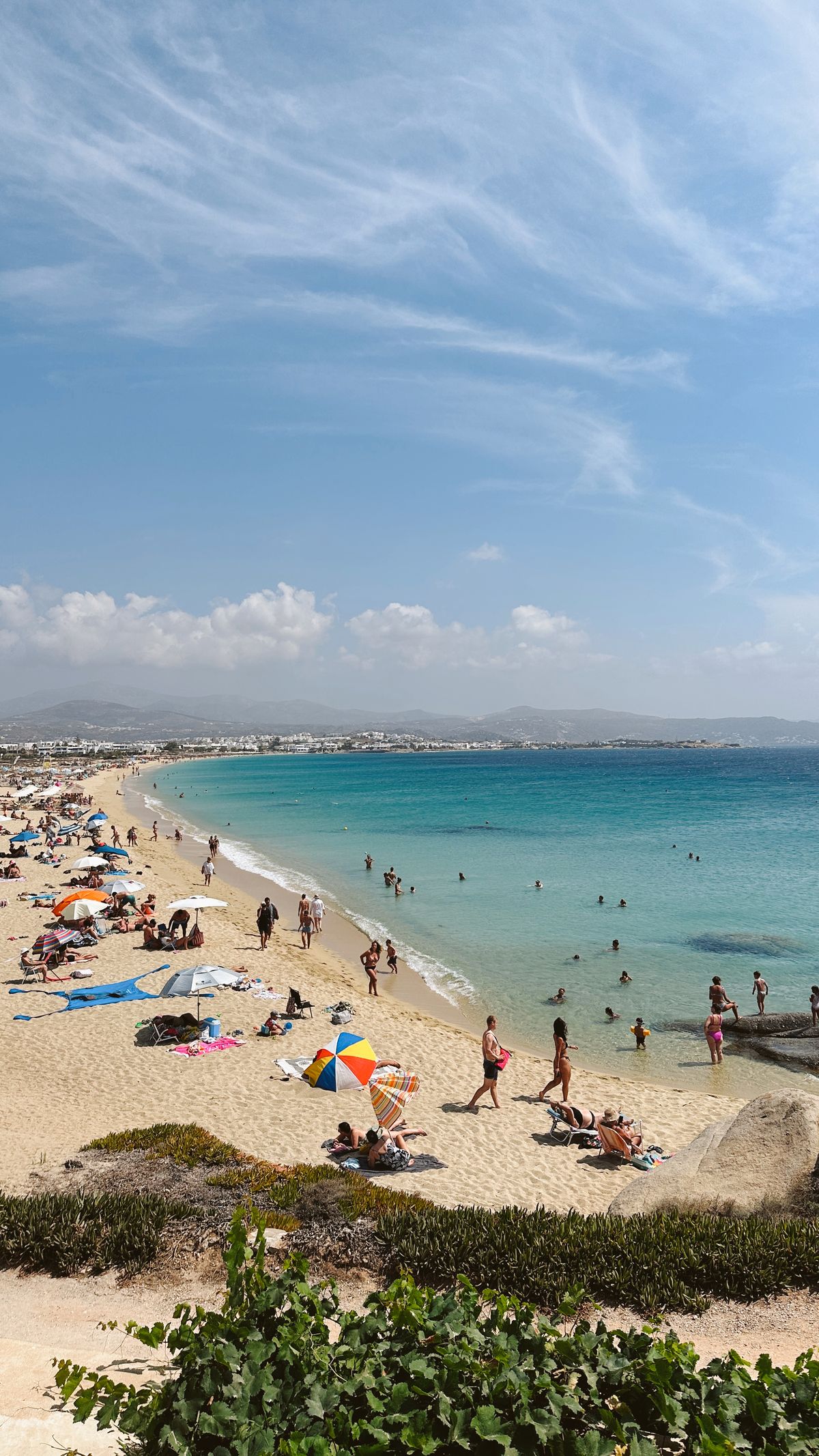
If a single Greek island deserves the title of definitive family destination, it is Naxos. The Cyclades’ largest island combines natural advantages — extraordinarily shallow beaches, calm water, soft sand — with a relaxed, family-oriented atmosphere that feels genuinely unhurried rather than simply quiet.
The beaches are exceptional. Agios Prokopios and St. George (Agios Georgios) beach near Naxos Town both offer ankle-deep water extending 50 meters or more from the shore, making them among the safest swimming environments in the entire Mediterranean for young children. Plaka Beach, further south, stretches for kilometers with a gradual sea floor and a scattered collection of low-key family beach bars. None of these beaches have the packed, resort-driven atmosphere of busier destinations.
No party scene. Naxos doesn’t attract the nightclub crowd that descends on Mykonos or Ios. The evening rhythm is family-oriented: gelato from shops on the harbor promenade, taverna meals that stretch into the evening, children playing outside restaurants while parents drink the island’s excellent local wine.
Inland exploration for older kids. Unlike flat, beach-only islands, Naxos has a mountainous interior with medieval marble-quarrying villages like Apiranthos that reward exploration. The drive through the olive groves and into the hills offers older children something different from a fourth consecutive beach day.
Practical notes: No direct international flights to Naxos — you’ll arrive by ferry from Athens (Piraeus) in around 3 hours, or hop from Paros in under an hour. Car rental is recommended for exploring beyond the main beach strip. Tap water is safe. Pharmacies and a small clinic are available in Chora. Accommodation ranges from family-run studios at €60–120/night to larger apartments with kitchenettes.
Boat trip tip: Naxos is the natural jumping-off point for a day trip to the tiny, magical island of Koufonisia — whose turquoise lagoons and natural rock pools are genuinely extraordinary for older children.
In Naxos, the water is so shallow a child can walk fifty meters with the sea barely at her waist. The island does not perform for you—it simply invites you to stay, eat slowly, and let the evening unfold without a plan. That is its gift.
2. Paros: Charming Beaches, Naoussa & Relaxed Vibes
Paros sits in the middle of the Cyclades geographically and emotionally — it is neither as raw as Naxos nor as fashionable as Mykonos, but it threads both qualities together in a way that works beautifully for families.
The water is genuinely stunning. Santa Maria Beach near Naoussa offers turquoise shallow water in a sheltered bay that feels almost tropical. Kolymbithres, reached by a short boat ride from Naoussa’s port, has smooth white rocks and calm clear water that older children will find endlessly entertaining to explore. Glyfado Beach in the south is long, shallow, and lined with low-key bars.
Naoussa is the best family village base. The pedestrian-only fishing port quarter, filled with whitewashed buildings and fragrant bougainvillea, feels gentle and safe for children to wander. The harbor comes alive at sunset with families, couples, and fishermen setting out with no obvious hierarchy — this egalitarian pleasantness is very Paros.
Connectivity is a genuine advantage. Paros is a Cycladic ferry hub. Day trips to Antiparos (a cave boat tour that children love) take less than an hour. Naxos is just one hour away by ferry, making a Paros-plus-Naxos combination a natural ten-day family itinerary.
For active teens: The Golden Beach area on Paros is one of Greece’s most established windsurfing zones, with schools offering lessons for beginners. Teenagers who find beach days insufficient will find more here.
Practical notes: Ferry from Athens approximately 2.5 hours. Car rental recommended. Family apartments and villas run €70–130/night. Medical clinics in both Parikia and Naoussa.
3. Crete: The Big Island with Regional Variety
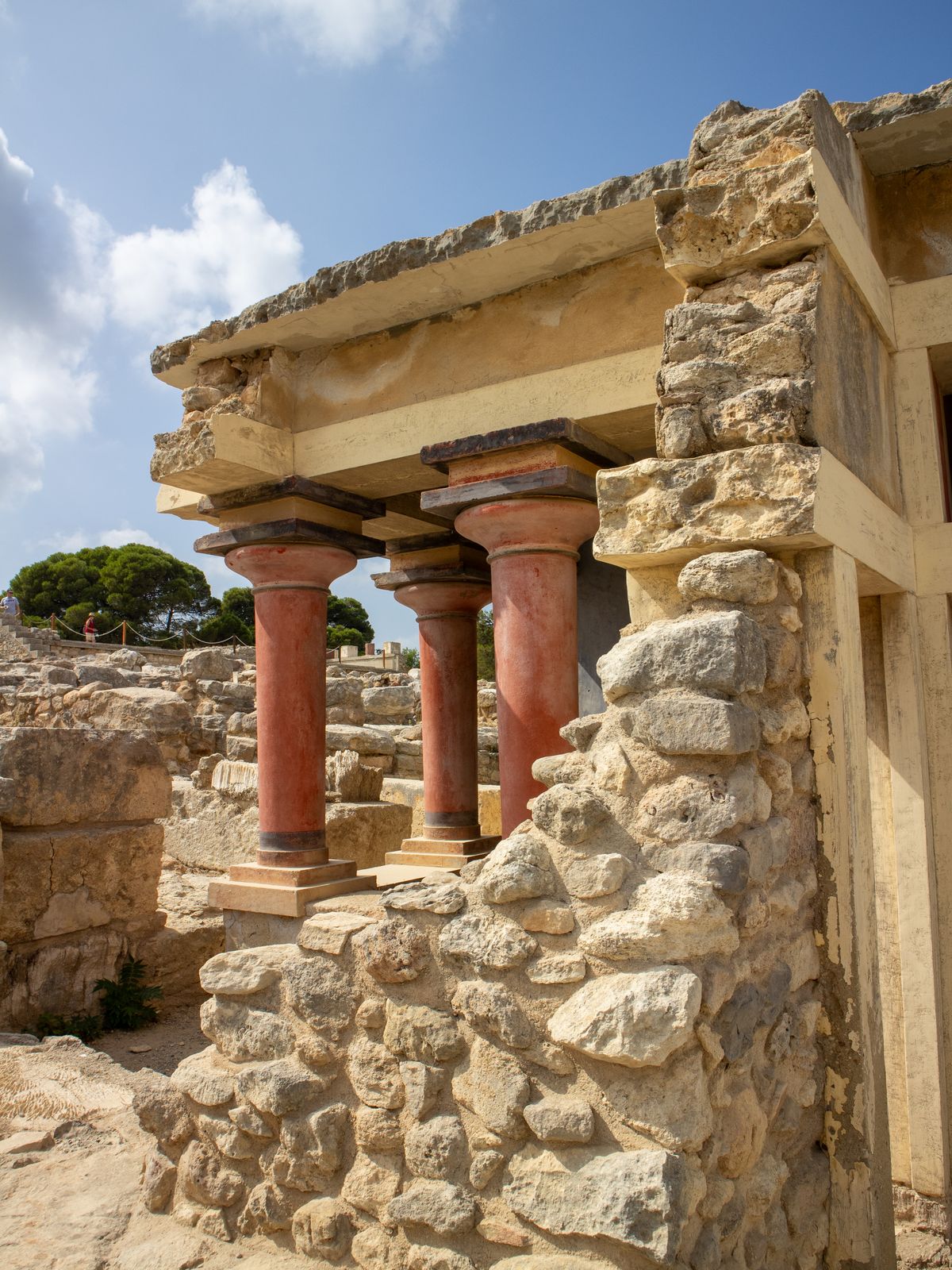
Crete is not one island but four or five different worlds packed onto the Mediterranean’s largest Greek landmass. Its scale, which initially feels like a challenge, is actually its defining advantage for families: you can have a very different holiday in Chania than in Agios Nikolaos, and both are on the same island.
Chania (Western Crete): The most atmospheric region. The old Venetian harbor is perfect for evening family strolls. Nearby beaches offer sheltered shallow coves. The old town’s pedestrian streets are accessible with strollers. For day trips, the lagoon at Balos offers a genuinely dramatic family adventure (note: getting there requires either a boat trip from Kissamos or a rough dirt road).
Rethymno: A long sandy beach stretches directly from the town for over seven kilometers — one of the rare cases where your accommodation can be genuinely walking-distance to good swimming. The Venetian fortress above the town provides history and views; the promenade provides ice cream and quiet evenings.
Heraklion: The region for history-loving families. The Palace of Knossos is the undisputed highlight — a 3,500-year-old Minoan palace that feels like a real-world mythology lesson for children over six. The CRETAquarium nearby is one of the best in the Mediterranean, with enormous tanks of Mediterranean marine life that captivate children for hours. Stalis and Malia beaches nearby are organized, calm, and well-served.
Agios Nikolaos and East Crete: The most relaxed corner of the island. Voulisma Beach offers white sand and lifeguarded shallow water. The unique palm-forest beach at Vai feels genuinely exotic for a Greek island and rewards a family day trip.
Crete has excellent medical facilities across all regions — a significant practical advantage for families with young children or elderly grandparents. Both airports (Chania and Heraklion) receive direct flights from across Europe.
For families who love food as a travel experience, our Crete food and wine guide explores the island’s remarkable culinary culture — and Cretan cuisine, with its grilled meats, fresh cheeses, simple vegetables, and famous yogurt, is among the most accessible and child-friendly in Greece.
Practical notes: Accommodation ranges from budget apartments (€50–120/night) to all-inclusive family resorts (€150+). Car rental is strongly recommended — Crete rewards driving. Tap water safe across the island.
4. Rhodes: Medieval Towns, Water Parks & Culture
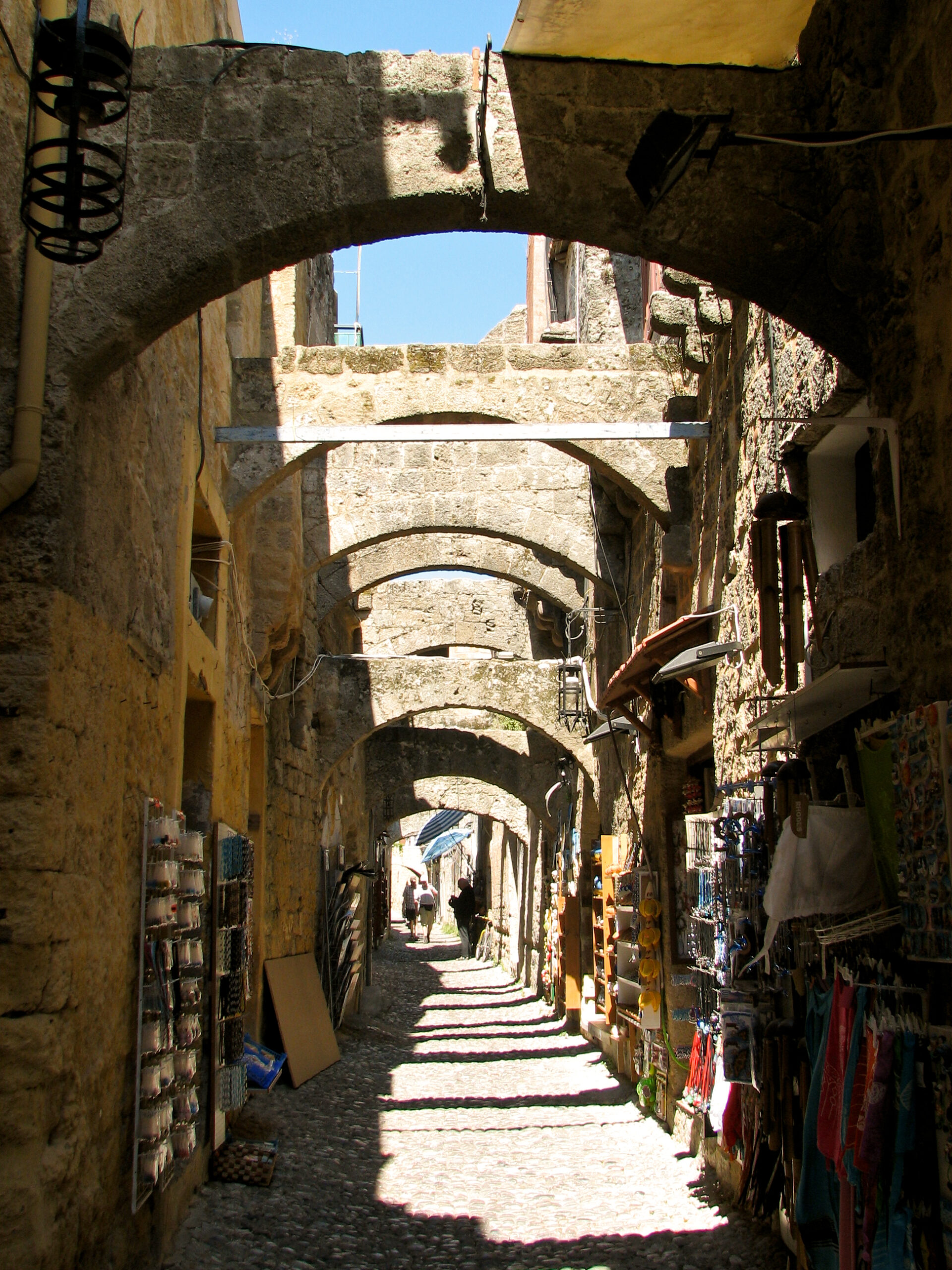
Rhodes offers a compelling combination that few Greek islands can match: genuine medieval history, long organized beaches, reliable summer weather, and the best water park infrastructure in the Aegean.
The medieval Old Town is exceptional. The UNESCO-listed walled city, built by the Knights of Saint John, is among the best-preserved medieval towns in Europe. For children aged six and up, walking through the Gate of Amboise into the old city, exploring the Street of the Knights, and climbing the walls of the Grand Master’s Palace is genuinely thrilling — not museum-quiet, but castle-adventure thrilling.
Lindos Bay is the island’s most beautiful family beach. Reached by a short walk or donkey ride from the clifftop village of Lindos, the bay below offers calm turquoise water in a natural amphitheater of limestone cliffs. The water is shallow close to shore, the beach organized, and the backdrop spectacular. It requires arriving before 10 AM in peak season to avoid crowds.
Faliraki is the island’s most organized beach resort area — long, sandy, with multiple beach clubs and organized facilities. Less character than Lindos, but excellent infrastructure for families with young children who need changing facilities, sunbeds, and refreshments on demand.
Water park: A large water park outside Rhodes Town offers a full day of entertainment for school-age children and teenagers, with slides, lazy rivers, and children’s pool areas. It is one of the most developed water park facilities on any Greek island.
Practical notes: Direct flights from major European cities. All-inclusive family resorts clustered around Faliraki and Ixia run €100–200/night. Family apartments and standalone accommodation from €70–130/night. Excellent medical facilities.
5. Corfu: Lush Green, Water Parks & Ionian Charm
Corfu is visibly, strikingly different from the arid Cyclades. The Ionian island is deeply, richly green — the result of winter rainfall that never reaches the sunburned Aegean — and this lushness gives it a softer, more forested feel that many families find immediately relaxing.
Paleokastritsa is the island’s most famous natural jewel: a series of turquoise coves sheltered by forested headlands and backed by a Byzantine monastery on the clifftop. The water here is genuinely calm and clear. The coves are partly pebbled and partly sandy, and the shallows close to shore are suitable for young swimmers.
Glyfada and Agios Gordios are the island’s longest sandy beaches — both well-organized with sunbeds, tavernas, and gentle slopes into the water that work well for toddlers and young children.
Corfu Town deserves a full morning. The Liston — an arcaded Venetian promenade modeled on the Rue de Rivoli in Paris — provides shade, ice cream, and excellent people-watching. The old town’s narrow streets are pedestrian-friendly enough for older children to explore independently.
Corfu’s water park, one of the largest in Greece, offers 36 slides and 15 pools spread across a hillside above the island’s interior. For families with children aged six to sixteen, it reliably produces one of the best single days of any Greek island holiday.
Practical notes: Direct flights from across Europe. Family-run apartments from €60–120/night. Good medical facilities. Car rental recommended. The ferry from Igoumenitsa on the mainland takes only 1.5 hours — making Corfu an easy addition to a mainland Greek itinerary.
6. Kos: Flat, Bike-Friendly & Stroller-Perfect
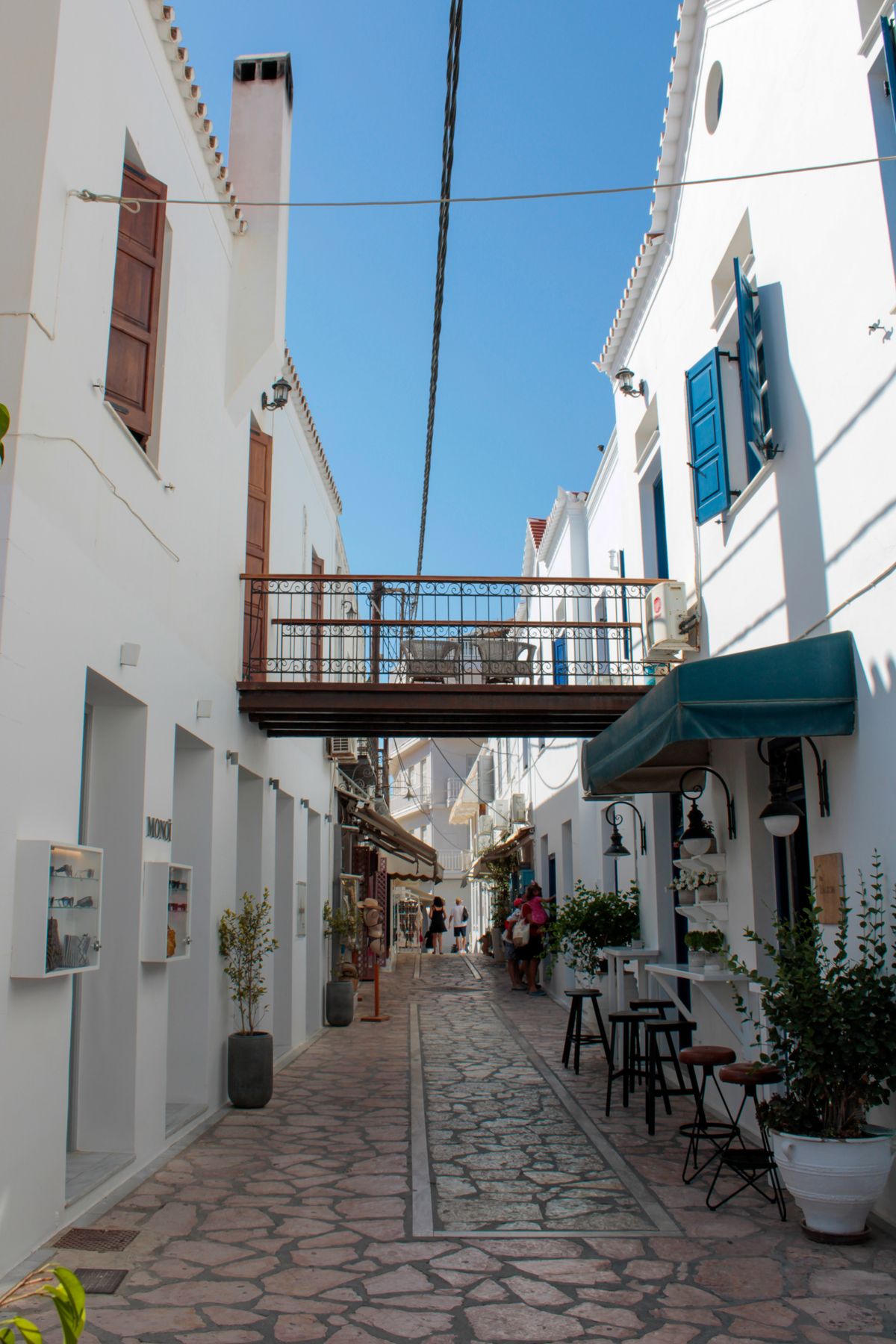
Kos has a specific, under-appreciated superpower: it is almost completely flat. In a country where most islands are essentially mountains emerging from the sea — with everything that implies for stroller navigation, elderly relatives, and early-morning beach walks with a sleeping infant — Kos’s pancake terrain is a genuine revelation.
Tigaki Beach is the island’s standout family destination: a long, wide strip of fine sand with shallow water that extends far into the bay, sunbed rental services, tavernas within walking distance, and a gently organized atmosphere that never tips into resort overload. Marmari Beach, slightly further west, offers similar qualities with a quieter feel.
Bicycles are a legitimate family transport option. Kos Town rents bicycles of every description — including child trailers and tandems — and a dedicated cycling path runs along the north coast for several kilometers. This is a genuine option for families with children aged four and up, not merely a nice theory.
Kos Town itself is worth time. The Castle of the Knights of Saint John (distinct from Rhodes but equally dramatic) looms over the harbor. The ancient ruins of the Asklepieion — the famous healing sanctuary associated with Hippocrates, the father of medicine — offer a half-day cultural excursion that school-age children find more engaging than a standard museum visit.
Multi-generational families consistently rate Kos as their top choice precisely because it accommodates everyone: grandparents can cycle or stroll the flat promenade, toddlers can wade safely, and teenagers can take windsurfing lessons. The island’s all-inclusive resort culture means lower cognitive load for parents trying to manage the logistics of feeding and entertaining multiple generations simultaneously.
Practical notes: Direct flights from Europe. All-inclusive resorts from €90–180/night. Family apartments from €60–120. Excellent stroller accessibility island-wide. Medical clinic in Kos Town.
7. Lefkada: West Coast Drama, East Coast Calm
Leftkada occupies a distinctive position on this list: the only island here that doesn’t require a ferry crossing from the mainland. A causeway bridge connects it to the Greek mainland near Preveza, making it drivable from Athens in under four hours and ferry-free for families with heavily loaded cars.
The east coast is for families. Agios Ioannis, Lygia, and Vasiliki beaches along the sheltered eastern shore offer calm, shallow, warm water and a gentle sandy approach that works beautifully for young children. The west coast — Porto Katsiki, Egremni — is among the most dramatic scenery in all Greece, but its steep cliffs and deep water make it better suited as a viewing destination for young families, and a swimming destination for older children and teenagers.
Nidri, the island’s main resort town, provides the practical infrastructure: restaurants, boat rental, grocery shops, and ferry connections to neighboring Ionian islands for day trips. It is not the most beautiful town on any list, but it functions efficiently as a family base.
Active families find Lefkada particularly rewarding. Vasiliki Bay is internationally known among windsurfers; lessons are available for teenagers and adults. The mountainous interior offers moderate hiking trails accessible to children aged eight and up. Boat rentals from Nidri allow independent exploration of otherwise inaccessible coves.
Practical notes: No ferry required — drive from Athens or fly to Aktion Airport (Preveza), approximately 30 minutes away. Family villas with private pools from €80–150/night. Small hotels from €70–130/night. A car is essential — many of the best beaches require driving.
Comparison Table: Which Island is Right for Your Family?
| Island | Best For | Stroller-Friendly | Beach Quality | Water Park | Direct Flights | Approx. Cost/Night |
|---|---|---|---|---|---|---|
| Naxos | Toddlers, budget families, relaxation | ⭐⭐⭐⭐ Good | ⭐⭐⭐⭐⭐ Excellent | None | No (ferry only) | €60–120 |
| Paros | Beach lovers, island hopping, teens | ⭐⭐⭐⭐ Good | ⭐⭐⭐⭐⭐ Excellent | None | No (ferry only) | €70–130 |
| Crete | Extended stays, culture, all ages | ⭐⭐⭐ Fair–Good | ⭐⭐⭐⭐⭐ Varied & excellent | Yes (multiple) | ✅ Yes | €60–150 |
| Rhodes | School-age kids, history + water parks | ⭐⭐⭐ Fair–Good | ⭐⭐⭐⭐ Very good | ⭐⭐⭐⭐⭐ Excellent | ✅ Yes | €100–200 |
| Corfu | All ages, lush scenery, Venetian culture | ⭐⭐⭐⭐ Good | ⭐⭐⭐⭐ Very good | ⭐⭐⭐⭐⭐ Large water park | ✅ Yes | €80–150 |
| Kos | Toddlers, stroller families, grandparents | ⭐⭐⭐⭐⭐ EXCELLENT | ⭐⭐⭐⭐ Very good | Yes (beach clubs) | ✅ Yes | €90–180 |
| Lefkada | Active families, teens, villa holidays | ⭐⭐⭐ Fair | ⭐⭐⭐⭐ Very good (east coast) | None | No (Aktion nearby) | €70–150 |
Quick Decision Guide: Which Island for Your Family?
🍼 Best for Toddlers (0–3 years)
🏆 Naxos — extraordinary shallow water, relaxed pace, no party scene, family-run studios.
🏆 Kos — flat terrain, stroller-perfect, shallow calm beaches, all-inclusive options.
Strong alternative: Paros, eastern Crete.
🎒 Best for School-Age Children (4–11 years)
🏆 Crete — Knossos Palace, CRETAquarium, gorge walks, boat trips, diverse beaches.
🏆 Rhodes — medieval castle, water park, organized beaches, cultural richness.
Strong alternatives: Naxos, Paros, Corfu.
🏄 Best for Teenagers (12+)
🏆 Paros — windsurfing, island hopping, social atmosphere, variety.
🏆 Crete — adventure sports, cultural depth, wider activity range.
Strong alternatives: Rhodes, Lefkada, Corfu.
👨👩👧👦 Best for Multi-Generational Groups (3 Generations)
🏆 Crete — something for everyone across every age and energy level.
🏆 Kos — flat and walkable, accessible for grandparents, safe for toddlers, active for teens.
Strong alternatives: Rhodes, Paros.
💶 Best Budget Family Trip
🏆 Naxos — affordable accommodation, no entrance fees for beaches, excellent taverna value.
🏆 Paros — slightly trendier but still genuinely family-budget-friendly.
Strong alternative: Eastern Crete.
🏛️ Best for Culture & History
🏆 Crete — Minoan civilization, Palace of Knossos, mountain villages, Venetian harbors.
🏆 Rhodes — Medieval Knights’ Quarter, Grand Master’s Palace, layered civilizations.
🌿 Best for Nature & Active Families
🏆 Lefkada — dramatic west coast cliffs, hiking, water sports, unspoiled feel.
🏆 Crete — gorges, mountain villages, coastal walks, ecological diversity.
For nature-focused families with older children, Zakynthos’s sea turtle nesting experience at Laganas Bay deserves special consideration — watching loggerhead turtle hatchlings make their first journey to the sea is an experience children genuinely never forget.
Sample Family Itineraries
7 Days in Naxos (Toddler-Friendly)
Days 1–2: Arrive by ferry, settle near Agios Prokopios beach. Beach days, shallow wading, early taverna dinners by the harbor.
Day 3: Explore Naxos Chora (old town). The Portara marble arch at sunset, the pedestrian lanes, ice cream. Simple beach afternoon.
Day 4: Day trip to Koufonisia by boat — turquoise lagoon, natural rock pools. Back to Naxos by evening.
Day 5: Drive inland to the marble village of Apiranthos. Local pottery, mountain air, easy walking for older children.
Day 6: Plaka Beach. Long, calm, unhurried. Kayaking for older children, wading for little ones.
Day 7: Relax, pack, evening ferry departure.
10 Days in Crete (Multi-Region Road Trip)
Days 1–2: Arrive Chania. Old harbor, Venetian streets, family-friendly nearby beaches.
Days 3–4: Day trips from Chania — lagoon boat excursion, village drive into the White Mountains, Agioi Apostoloi Beach.
Days 5–6: Drive east to Rethymno (1 hour). Long town beach, Venetian fortress afternoon, promenade evenings.
Days 7–8: Drive to Heraklion area (1.5 hours). Full day at Knossos Palace, CRETAquarium visit, Stalis Beach.
Days 9–10: Relax, final meals, departure.
7 Days in Corfu (Family Comfort)
Days 1–2: Arrive direct flight. Base near Paleokastritsa. Explore coves, beach days, monastery visit.
Day 3: Corfu Town excursion. Liston promenade, old town walk, fort, afternoon gelato.
Day 4: Full day at Corfu’s water park.
Day 5: Glyfada Beach day — different beach, long sandy stretch.
Day 6: Boat trip exploring hidden coves. Evening at the harbor.
Day 7: Depart.
8 Days in Rhodes (Culture + Beach)
Days 1–2: Arrive direct flight. Settle in Faliraki area. Beach days, recover from travel.
Day 3: Lindos day — morning beach at Lindos Bay, afternoon village exploration.
Day 4: Rhodes Old Town. Castle, medieval streets, Knights’ Quarter, taverna lunch inside the walls.
Day 5: Water park — full day.
Days 6–7: Beach relaxation, local exploration, boat trip.
Day 8: Depart.
When to Go: Seasonal Planning for Families
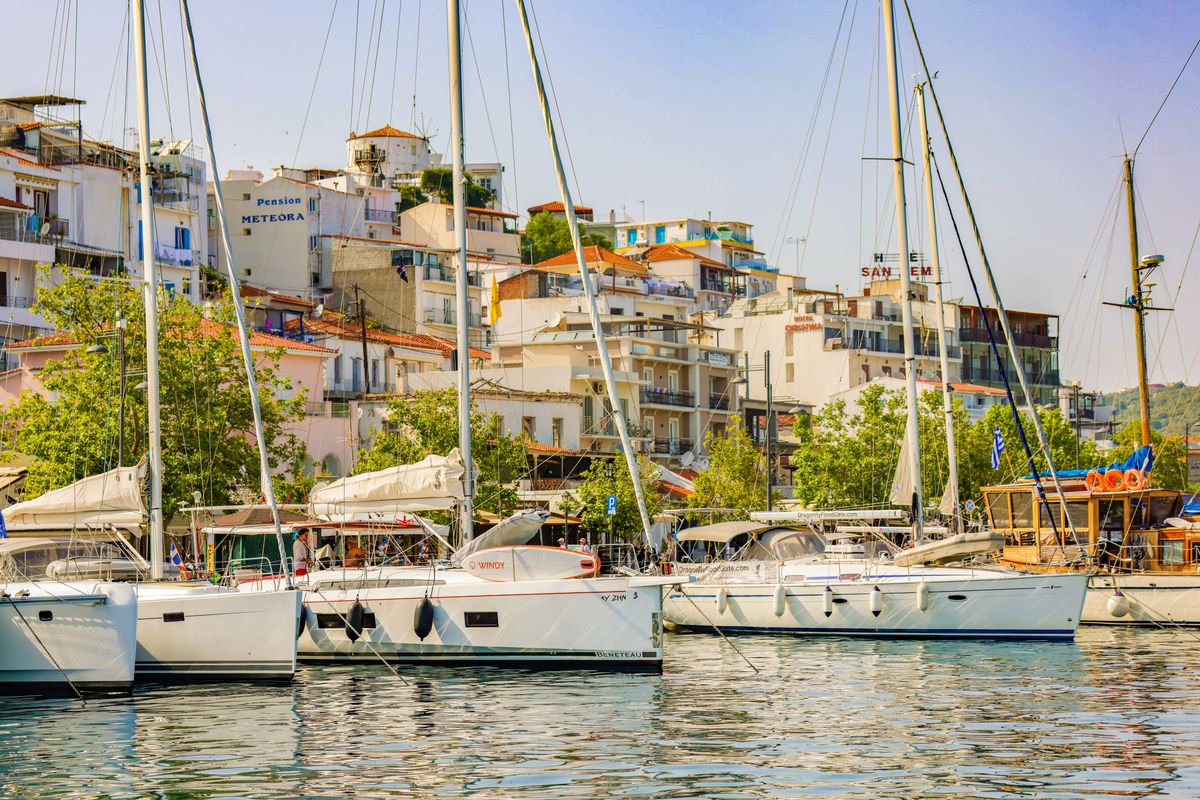
Timing your Greek island holiday is one of the highest-leverage decisions you’ll make.
June: The Ideal Family Sweet Spot
Temperatures of 25–28°C, warm but not ferocious. All facilities open and fully staffed. Water warm enough for extended swimming. Moderate crowds — peak season beginning but not yet overwhelming. Northern European school holidays beginning, making late June ideal. Prices mid-range. Our strongest recommendation for most families.
July–August: Full Summer, Full Heat
All facilities open. Water very warm. Peak season crowds and prices. Temperatures regularly exceed 30°C and can reach 35–38°C on Aegean islands. Plan midday rest (12–3 PM) and early-morning/late-afternoon beach sessions. The energy is maximum, but so is everything else.
September: The Value and Warmth Window
Sea temperature at its annual peak — 26–27°C. Crowds thinning as European families return to school. Prices dropping noticeably. All major facilities still open. Our guide to September in Greece as a travel sweet spot covers this month in detail — it is genuinely one of the most rewarding times to visit with older children. Special bonus: September is when loggerhead turtle hatchlings emerge at Zakynthos’s protected beaches.
May: Spring Quietness
Pleasant temperatures (20–25°C) and empty beaches. Some seasonal restaurants and attractions not yet open. Sea still cool (18–19°C) — less ideal for swimming holidays with young children. Excellent for active families who want hiking, village exploration, and off-season tranquility.
Practical Safety, Health & Logistics
Beach Safety
Always observe flag warnings: green flag means safe swimming, yellow means caution and limited swimming, red means do not enter the water. Never override a red flag with a toddler. Blue Flag-certified beaches provide the highest baseline of safety, cleanliness, and amenity access.
Medical Care
Pharmacies (marked with the green cross sign: ΦΑΡΜΑΚΕΙΟ) are found in all island towns and often have English-speaking staff. EU citizens should carry their European Health Insurance Card (EHIC) for reciprocal health access. Non-EU travelers should arrange comprehensive travel insurance before departure. Crete, Rhodes, Corfu, and Kos have proper hospitals; smaller islands have clinics.
Transportation with Children
Greek law requires car seats for children under 150 cm in height. Car rental agencies can provide them with advance notice (budget approximately €8–15/day). Book early in peak season — supply is genuinely limited.
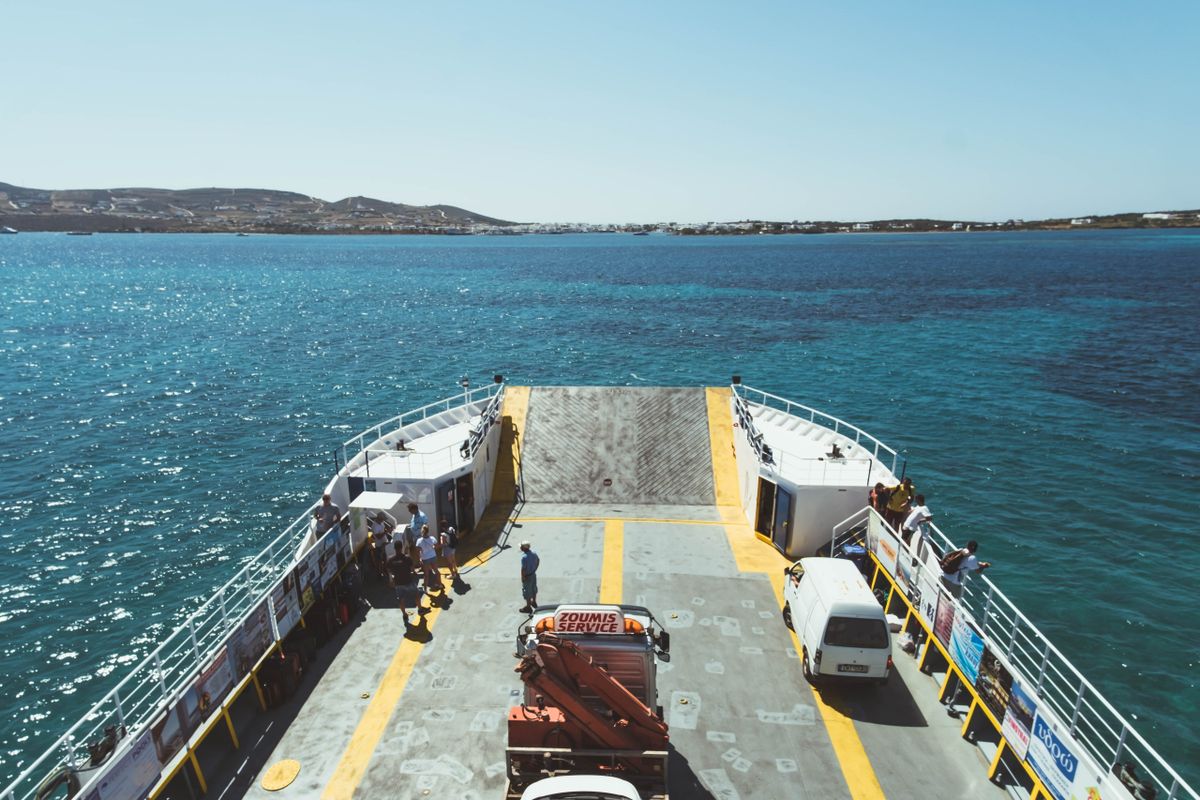
Ferry travel with children on modern Greek ferries is comfortable: large vessels have restaurants, air-conditioned lounges, and deck space. Book ahead for specific seating — open decks become extremely hot in July–August.
What to Pack
- SPF 50+ sunscreen — the UV index in Greece in July is extreme
- Rash guards and swim shirts for children’s extended water time
- Water shoes — rocky beach entries require protection
- Mosquito repellent — coastal areas June–September
- A lightweight stroller if you have one — it will be used
- Motion sickness medication for ferry travel with toddlers (consult your doctor)
Budget Guidance
For a family of four, approximate daily budgets:
– Budget travel: €150–200/day (self-catering accommodation, mix of taverna lunches and home cooking, free beaches)
– Mid-range: €250–350/day (hotel with breakfast, daily taverna lunches and dinners, occasional paid activities)
– All-inclusive resort: €400+/day (everything included, no logistical decision-making)
Planning Your Trip: Useful Resources
Official tourism: The Visit Greece official website provides destination overviews, event calendars, and practical entry information.
Ferry planning: Ferryhopper aggregates Greek ferry schedules and prices, making it straightforward to compare routes, durations, and operators across multiple islands.
Beach quality: The Blue Flag website lists all certified beaches by island and region — an excellent first filter when researching where to take young children swimming.
You don’t travel to Greece with children to check boxes. You travel here to watch them taste their first real honey-soaked yogurt, to see them run barefoot across a flagstone square at midnight while an old man smiles from the next table, and to feel—if only for ten days—that the world is a little softer, a little slower, and a little more beautiful than you remembered.
The Bottom Line: Greece Rewards Family Travel
Greece is not a destination that merely tolerates families. It is one that actively welcomes them, feeds them well, provides them with some of the safest and most beautiful shallow swimming water in the Mediterranean, and offers — at almost every age level — an experience that leaves children genuinely enriched rather than simply entertained.
The decision of which island ultimately comes down to your family’s specific combination of ages, energy levels, budget, and what you want to feel at the end of ten days. Use this guide as your decision framework. Read it once, match your family to the profiles, and then stop overthinking it — because most Greek islands, on a warm July morning with the sea that particular shade of blue and the smell of bread from the bakery on the corner, are better than any plan you made for them.
Visit Visit Greece to start planning. Check ferry connections on Ferryhopper. And pack the sunscreen.