September in Greece: Why It’s the Secret Sweet Spot for 2026
Every year, millions of travelers fight their way through the sweating, jostling, hot-concrete chaos of Greece in July and August — and every year, a quieter group of wiser wanderers books September. They know something the package-holiday crowd has missed. They know about the sea.
Because here is the thing about Greece in September: the water is warm. Not just swimmable — warmest of the entire year warm, sitting at 23–25°C across most of the coastline. The air, meanwhile, has eased off from its August intensity. The crowds have thinned. The prices have dropped. And the tavernas — freed from the frantic production line of peak season — are cooking with a little more soul again.
If you have ever come back from a Greek summer holiday feeling mildly bruised by the experience — too many people on the beach, too much waiting, too little sleep — September is the antidote you did not know you needed.
This is the month when Greece remembers what it is.
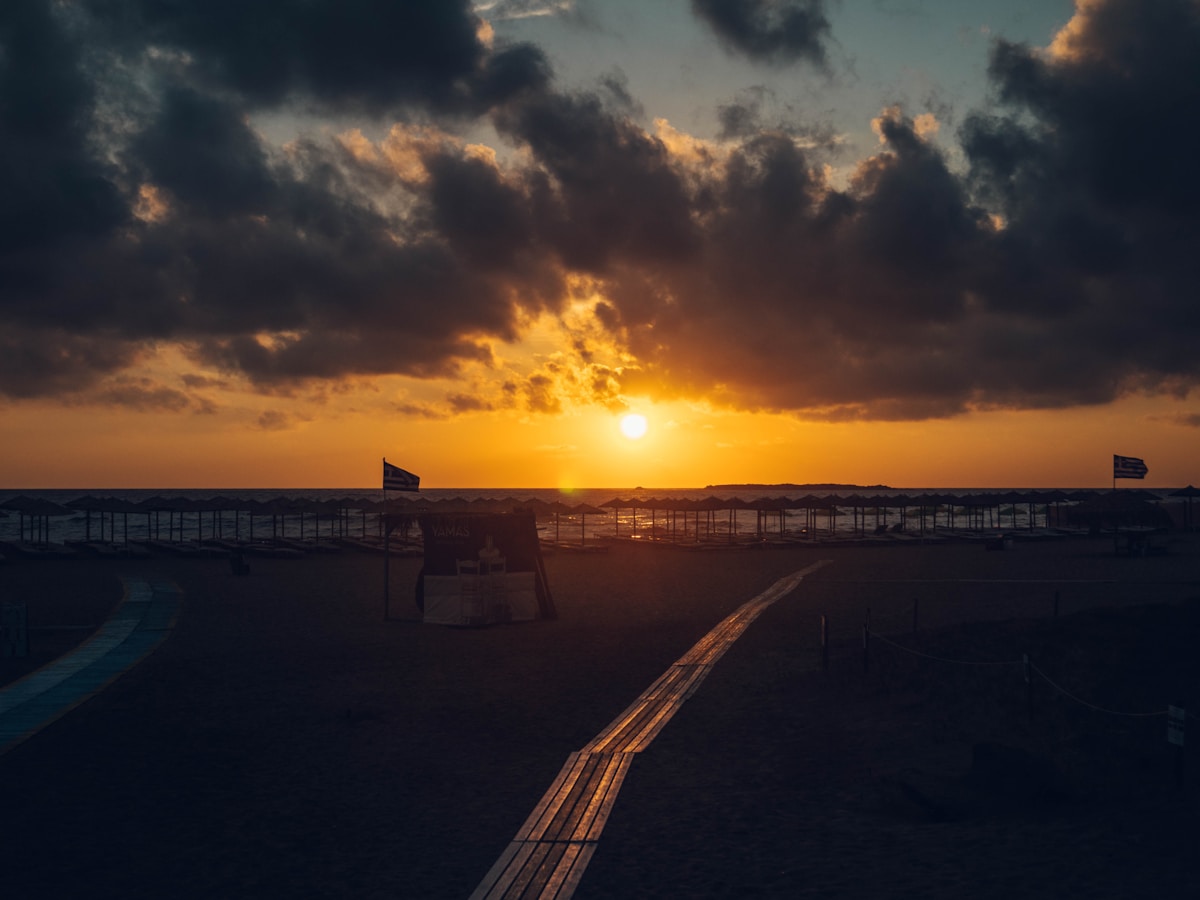
The sea remembers the sun it has held since June. By September, it gifts that warmth back — a thousand miles of liquid amber waiting just a step from the shore.
September Weather: The Magic Combination
Greece in September sits in a climatic sweet spot that is genuinely rare in European travel. It is neither the oppressive heat of high summer nor the unpredictability of autumn. It is something in between — and for most travelers, it is precisely right.
Air Temperature: Warm Without the Punishment
Depending on where you are, September temperatures range from around 23°C in the northern mainland and mountain regions up to 30°C in the southern islands, Athens, and the Dodecanese. That is summer warmth by any measure — but it no longer carries the ferocious intensity of August, when midday heat in Athens or Rhodes can feel genuinely punishing.
By September, the light has softened. Mornings are fresh and inviting. Midday is warm but rarely overwhelming. Evenings are a pleasure — the kind where you can actually sit outside without needing a second cold drink in your hand just to survive.
Sea Temperature: The Warmest Month of the Year
This is the detail that surprises most first-time September visitors: the sea in September is not just still warm — it is at its annual peak, sitting at 23–25°C across most coastal areas. The Mediterranean stores heat slowly and releases it even more slowly. By September, it has been absorbing sun for three straight months. The result is water that feels almost silky — inviting for long sessions of swimming, snorkeling, and simply floating.
For anyone who has ever tip-toed into a cool Aegean sea in June and felt vaguely betrayed — September is the correction.
Sunshine and Golden Light
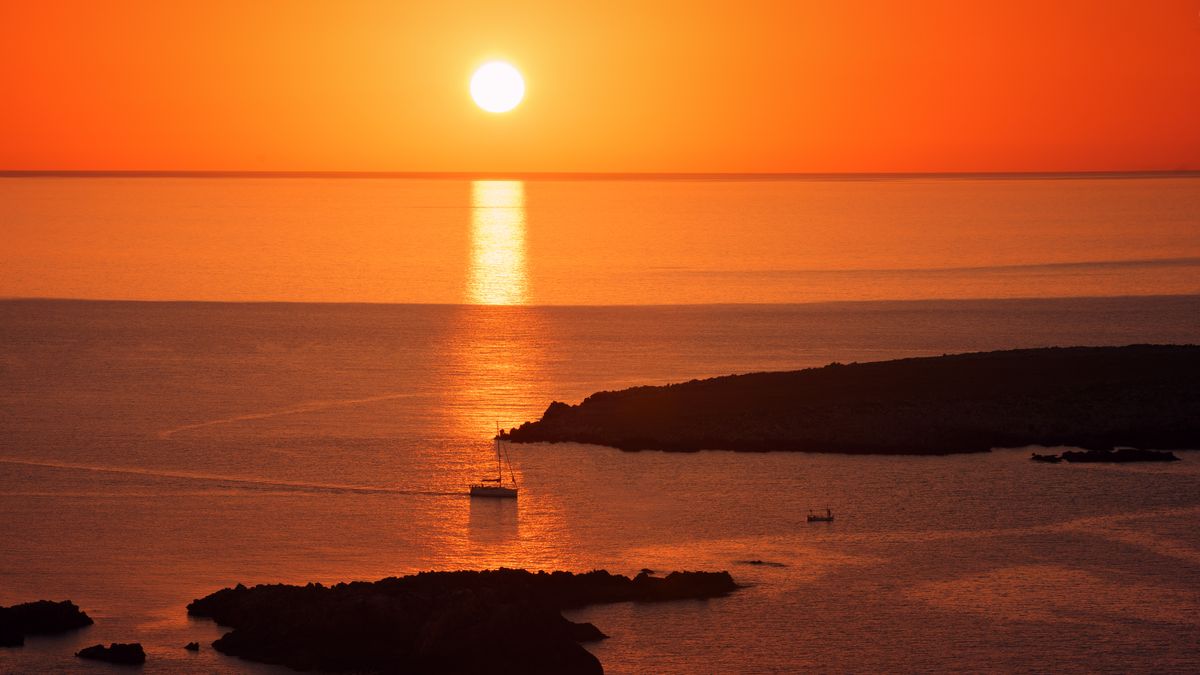
At the start of September, Greece still enjoys 11–12 hours of sunshine per day. That tapers gently to 10–11 hours by the end of the month — still generous. More usefully for photographers and anyone who simply appreciates beautiful light, September’s sun sits lower in the sky than in summer. The golden hour arrives earlier, lasts longer, and casts that warm, horizontal, honey-colored glow that makes whitewashed walls, terracotta rooftops, and turquoise water look almost impossibly beautiful.
If you have ever scrolled through a travel photograph of a Greek island and thought: how is that light even real? — this is the month.
Less Rain, Lower Humidity
September remains one of Greece’s driest months, with rainfall rare except occasionally toward the very end of the month in northern regions. Humidity drops to a more comfortable average of around 54.6%, noticeably lower than the sticky peak of July–August. This single factor — less humidity — can transform a sightseeing day from a mild ordeal into genuine pleasure.
Crowds and Tourist Traffic: Why September Feels Different
The Dramatic Drop After Summer School Holidays
The turning point is school. Across most of Europe, summer school holidays end in late August. Families with children — the core demographic of peak-season Greek tourism — go home. And almost immediately, the atmosphere across the islands and the mainland begins to shift.
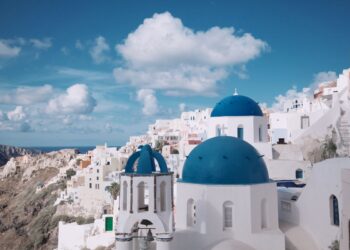
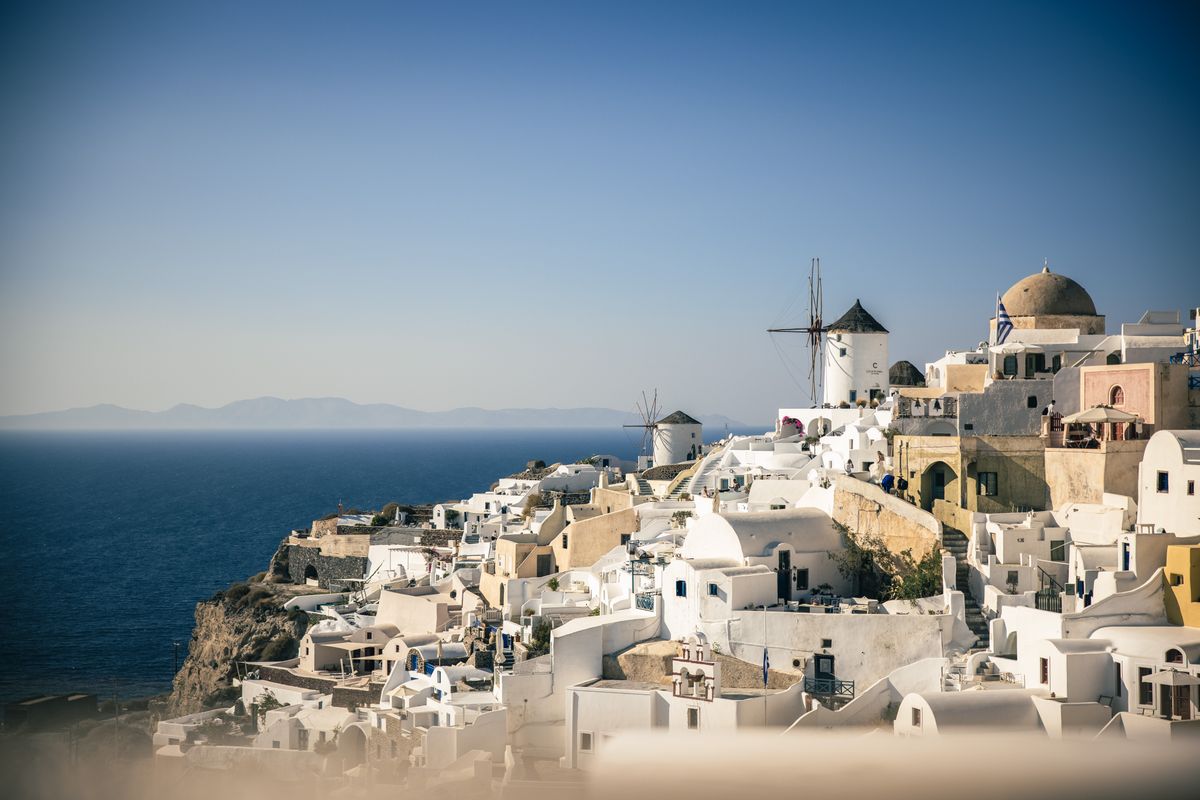
In early September (roughly the 1st to the 15th), the change is noticeable but gradual. Popular islands like Santorini, Mykonos, and Crete are still busy; the infrastructure is humming at full capacity. But the frantic edge is gone. You can find a table at a good taverna without a wait. You can walk through the streets of Oia without being carried along by a human current.
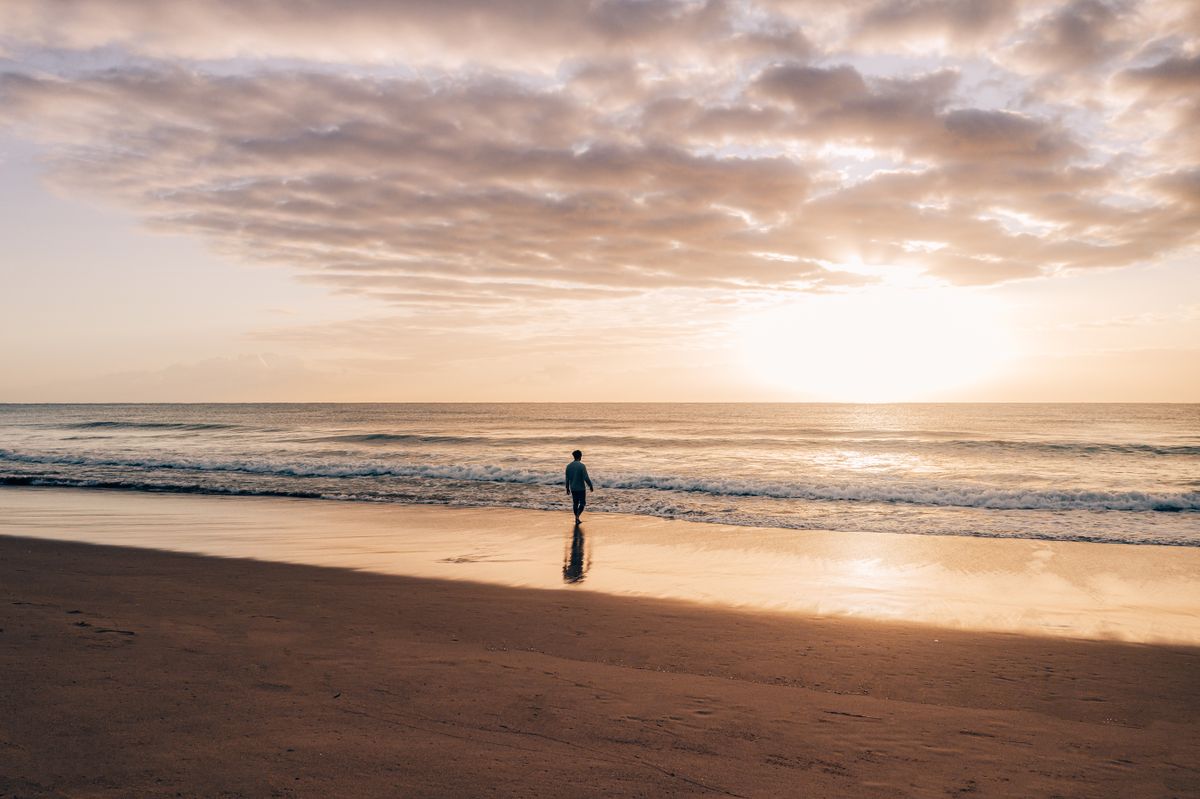
In late September (the 16th onward), the change becomes more profound. Beaches that felt suburban in August recover something closer to their natural state. The tourist-to-local ratio tips. Greeks who retreated from their own villages and towns in July quietly return — to their bars, their tables at the kafeneio, their evening walks along the waterfront.
This is the moment that experienced travelers chase. This is when a Greek island starts to feel like a Greek island again.
Which Islands and Regions Are Quieter
Not all of Greece depressurizes at the same rate. Some pointers:
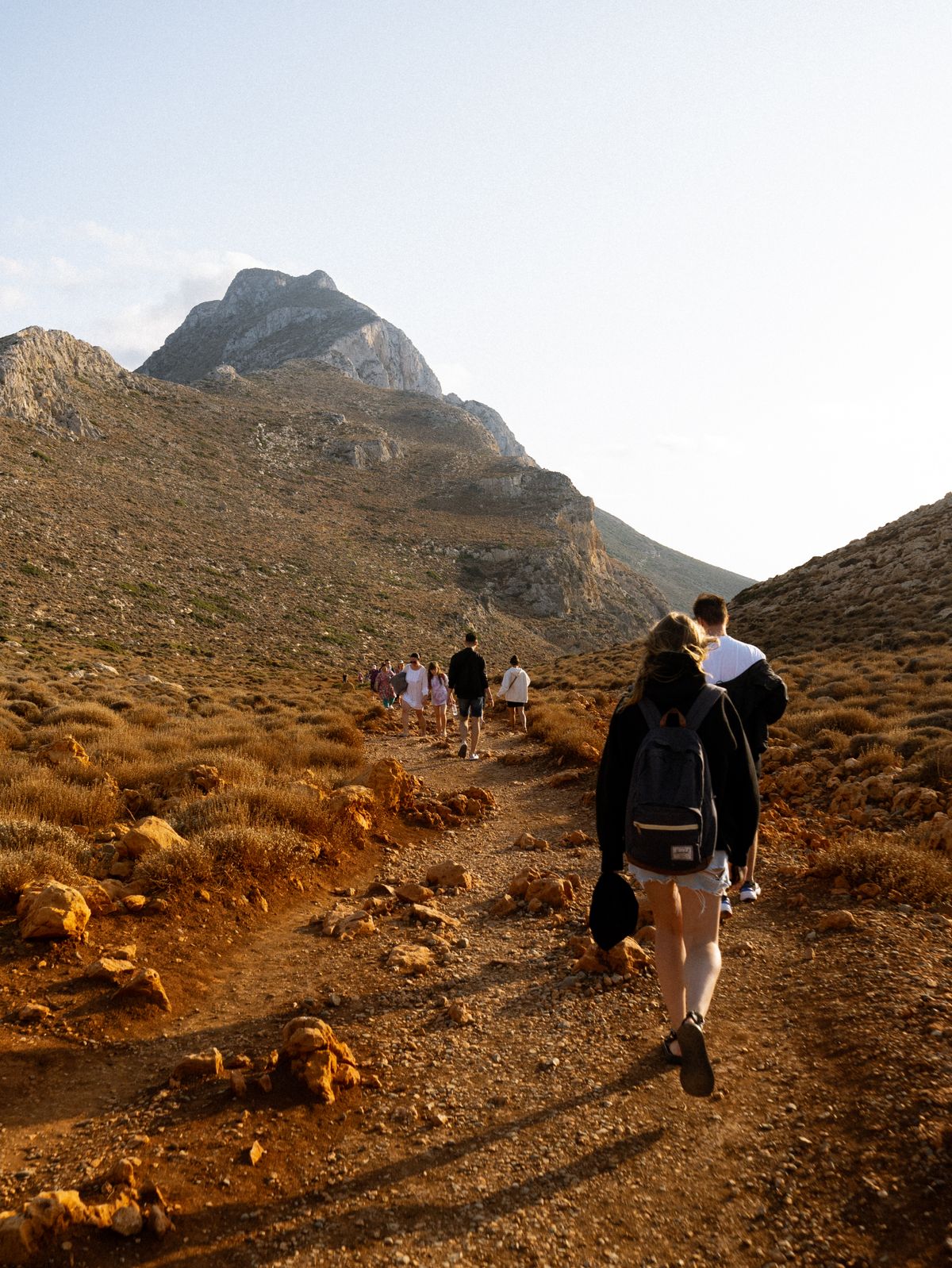
- Dodecanese (Rhodes, Karpathos, Symi, Patmos): Crowd reduction is described by Greek tourism sources as “enormous.” Rhodes in particular — which can feel almost claustrophobic in August — becomes a very different proposition. The Byzantine Old Town breathes again. You can explore cobbled lanes without shoulder-to-shoulder competition.
- Smaller Cyclades (Amorgos, Serifos, Sifnos): These islands never attracted the same mass tourism as Santorini or Mykonos, and in September they reach something close to perfect: warm, golden, functioning, and genuinely quiet.
- Ionian Islands (Corfu, Zakynthos, Kefalonia, Lefkada): Greener, cooler, and historically less overrun than the Aegean. September makes them feel like a well-kept secret even when they are not.
- Mainland (Peloponnese, Meteora, Zagori): International tourist numbers thin significantly; culture-seekers who come in September often have entire archaeological sites nearly to themselves.
Still popular but more manageable: Santorini, Mykonos, and Paros remain in demand through September — but at a human scale. Book accommodation ahead, but don’t be discouraged.
Infrastructure Still Open (Unlike October–November)
This matters more than many travelers realize. September occupies a unique position in the Greek tourism calendar: the crowd intensity of summer has passed, but the infrastructure of summer is fully intact. Hotels are open. Restaurants are operating at full capacity. Ferry routes are still frequent. Beach clubs, water-sports operators, and tour companies are all running.
By November, much of the island accommodation closes for winter. By October, schedules are already thinning. September gives you the peace of shoulder season with none of the inconvenience.
Prices: The “Tumble” After Summer Holidays
Greek tourism professionals have a direct way of describing what happens to prices in September: they tumble.
Flights Drop 30–50%
Compared to July–August peak, September flights to Greek destinations are typically 30–50% cheaper. Not marginally cheaper — significantly cheaper. This is largely a function of supply and demand: as school holidays end and families stop traveling, airline load factors drop and prices follow. For a couple or a small group, this saving alone can fund several extra nights.
Flights are still more expensive than October or November, when Greece moves into proper off-season. But in September you are paying lower prices while still getting the warmest sea and the full experience. That is the value proposition.
Accommodation: Hotels and Rentals Ease Up
Family resorts and hotels that geared their pricing toward the school-holiday market see the sharpest drops — 20–40% off peak-season rates is realistic. Independent boutique hotels tend to be more stable in price, but they become significantly easier to book, and some offer better availability of their best rooms at standard rates.
The practical effect: you can afford a better hotel in September than you could have in August for the same budget. Or you can spend the same and keep the money.
The Sweet Spot Logic
The phrase “shoulder season” sometimes implies compromise — that you are accepting a diminished experience in exchange for a discount. September in Greece is the rare exception where this logic inverts. You are paying less and getting a better experience. The sea is warmer than in June. The crowds are gone. The food is at its harvest-season best. The light is extraordinary.
This is genuinely the best value month for Greece travel — not in spite of the experience, but because of it.
Activities and Experiences: Water, Land, and Culture
Swimming in the Warmest Sea
We have said this before, but it bears repeating: the sea is at its annual warmest in September. For dedicated swimmers, snorkelers, and divers, this is the defining reason to come now rather than in June. Water this warm invites longer sessions, more comfortable diving, and a general sensory pleasure that cooler waters simply cannot match.
Sailing and yacht charter conditions are also excellent — the Etesian winds that scour the Aegean in July and August are calmer, making multi-day island-hopping by sailboat more comfortable. Kayakers and paddleboarders will find calmer seas and fewer crowded beach clubs to navigate around.
Hiking and Outdoor Exploration
September unlocks the mainland and mountain Greece that summer heat largely forecloses. The Zagori region in northwestern Greece — a UNESCO Cultural Landscape of stone-arched bridges, forested gorges, and 46 traditional villages — is at its most accessible. The Vikos Gorge, one of the deepest in the world, can be walked in full-day comfort without the brutal midday temperatures of summer.
Meteora, the extraordinary monastic complex perched on towering sandstone pillars, is similarly transformed in September. Archaeological sites across the country — the Acropolis, Mycenae, Delphi, Knossos — become something closer to contemplative experiences rather than endurance tests.
The Aegina Pistachio Festival (Fistiki Fest)
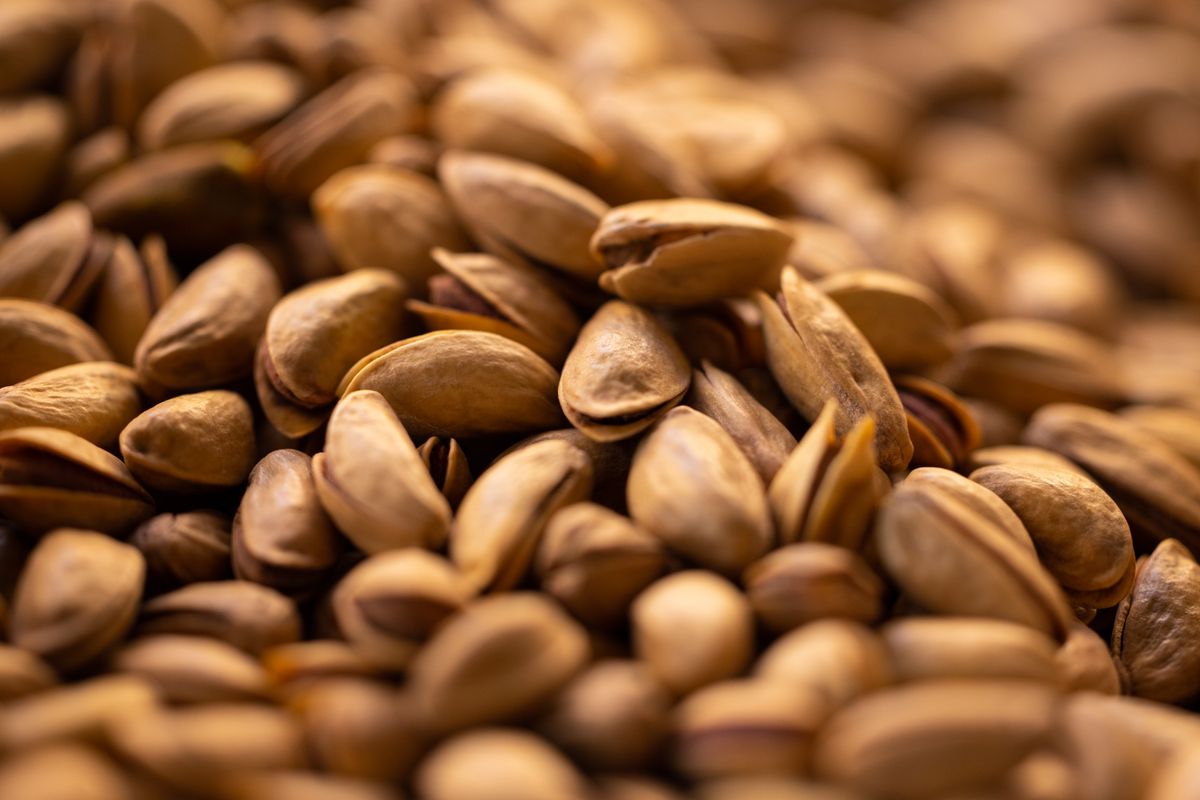
If you need one event to anchor a September trip from Athens, make it this one. Every mid-September, the island of Aegina — just 30–40 minutes by ferry from Piraeus — hosts its annual Fistiki Fest, celebrating what many consider the world’s finest pistachios.
Aegina’s pistachios (or fistikia Aeginis) are protected by PDO (Protected Designation of Origin) status, and the festival that celebrates the harvest is genuinely wonderful: open-air concerts, cooking demonstrations, art exhibitions, wine and food pairings, and market stalls piled high with nuts in every format imaginable — fresh, roasted, salted, in pastries, in liqueur. It is local, joyful, and completely unpretentious. Exactly the kind of thing that no travel highlight reel adequately captures.
Grape Harvest and Wine Festivals
Late September marks the beginning of the grape harvest across Greece’s wine regions. From the vineyards of Naoussa in northern Greece to the volcanic terroir of Santorini, from Crete’s mountain wineries to the Ionian islands, harvest season transforms rural Greece into something fragrant and celebratory.
Many wineries and wine villages offer harvest experiences — from formal vineyard tours and tastings to the more old-fashioned pleasure of helping pick or trample grapes. Wine tourism in Greece is a growing and genuinely rewarding sector, and September is its best month.
Village Feasts and Local Celebrations
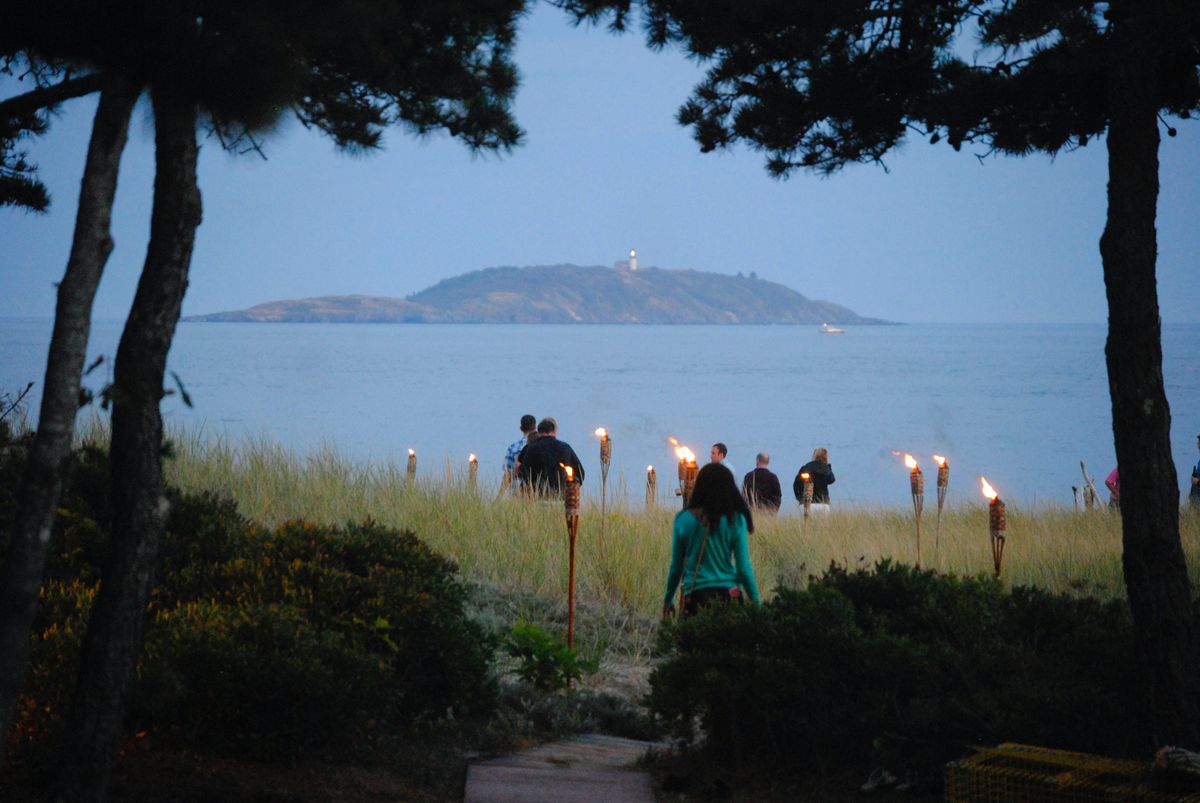
Throughout September, Greek villages observe their local saints’ days with panayiri — community feasts involving open-air music, dancing, roasted meat, and wine that flows freely. These are not staged for tourists. They are the social fabric of Greek village life, and in September, with fewer outsiders around, they are easier to wander into, be welcomed at, and actually experience.
Best Destinations for September 2026
Cyclades Islands: The Quieter Alternative
The Cyclades in September offer a masterclass in what the Greek islands can be when they are not overwhelmed. The smaller, less-celebrated islands — Amorgos, Serifos, Sifnos — are particularly rewarding: warm, beautiful, unhurried, with local tavernas that have the time and inclination to cook properly.
Folegandros, one of the most spectacularly positioned islands in the entire Cyclades — its main village perched on a dramatic cliff above the sea — is at its absolute best in September. The summer crowds thin, the golden evening light falls perfectly on the white walls of the Chora, and the island reveals the character that makes it special.
For those who prefer more amenities, Santorini and Paros remain excellent in September — busier than the smaller islands, but genuinely more manageable than August, and the caldera sunsets lose none of their extravagance.
Walk the Street of the Knights in September and the stones speak. The light through the archways is honey-gold. The air carries the scent of late jasmine — and you realize the medieval world has been waiting for you.
Dodecanese Islands: Warmest Waters, Dramatic Crowd Drop
The Dodecanese sit in the southeastern Aegean, closer to Turkey than to Athens, and they enjoy some of the warmest sea temperatures in Greece. In September, they also enjoy one of the most dramatic crowd reductions of any island group.
Rhodes, Greece’s fourth-largest island and one of its most visited, undergoes something close to a personality change in September. The medieval Old Town — a UNESCO World Heritage Site and arguably the finest preserved medieval city in the Mediterranean — becomes walkable again. The Street of the Knights, the Palace of the Grand Masters, the harbor where the Colossus once stood: all of these deserve unhurried contemplation, and September provides it.
Karpathos, the proudly traditional Dodecanese island between Rhodes and Crete, is another September standout. Isolated enough to have preserved customs and dialects found nowhere else in Greece, it rewards explorers who come when the island has space to reveal itself — which is exactly what September allows.
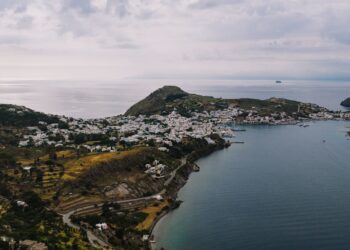
For quiet island beauty, Symi, Patmos, and Leros each offer September at its most serene.
Crete: The All-Season Anchor
Greece’s largest and most diverse island operates at full capacity in September, with the crowds beginning to ease on the northern coast beaches while the interior — the gorges, mountain villages, and wine regions of the Psiloritis range — becomes genuinely comfortable for exploration.
The Samaria Gorge, Europe’s longest, is more pleasurable in September’s cooler temperatures. The wine villages around Heraklion are actively harvesting. And Chania’s Venetian harbor, beautiful in any season, acquires a particular magic in September evenings when you can finally get a table and take your time.
Ionian Islands: Greener, Cooler, Calmer
The Ionian islands — Corfu, Zakynthos, Kefalonia, Lefkada — have a different character from the Aegean. They are lusher, greener, more Italian-influenced in their architecture and cuisine. They also tend to attract a different kind of tourist: more independent, less package-holiday oriented.
In September, with families gone and the sea still warm, the Ionians feel wonderfully balanced. Zakynthos’s famous Navagio Beach — the shipwreck cove that has launched a thousand travel photos — is both beautiful and less impossible to visit. Kefalonia’s vineyards are approaching harvest. Lefkada’s lagoon beaches glow in the early autumn light.
Mainland: Peloponnese, Meteora, and Zagori
For travelers who want more than beaches, September on the Greek mainland is revelatory. The Peloponnese road trip circuit — taking in Nafplio’s neoclassical waterfront, the cliff-top Byzantine ghost-city of Mystras, the medieval sea-fortress of Monemvasia, and the raw lunar landscape of the Mani peninsula — is best traveled in the cooler clarity of September, when heat is not an adversary and cultural sites can be explored at length.
Meteora’s rock monasteries, suspended over the Thessalian plain, belong to September. The crowds that pack the viewing platforms in summer have thinned; the light that catches the columns of sandstone has acquired that particular September quality — warm, directional, and extraordinary.
And Zagori — the mountain world of stone-arched bridges and slate-roofed villages in northwestern Greece — enters its finest hiking season. The Vikos Gorge trail, the villages of Papingo, Monodendri, and Vitsa: all of this rewards the traveler who comes when the mountains have cooled but before winter closes them down.
Practical Tips for September Travel to Greece
What to Pack
September in Greece calls for a light bag with a small amount of forward planning:
- Clothing: Light cotton and linen — shorts, sundresses, skirts, breathable shirts. Pack one light layer (a sweater or cardigan) for evenings, which do begin to cool by late September.
- Footwear: Comfortable walking shoes for sightseeing and village exploration; sandals or water shoes for beaches.
- Sun protection: Do not underestimate September’s sun. UV levels remain high even as temperatures moderate. High-SPF sunscreen, a wide-brimmed hat, and quality sunglasses are non-negotiable.
- Hydration: A refillable water bottle. The heat is less brutal than August, but walking in direct sun still demands regular drinking.
- For hikers: If you are heading to Zagori, Crete’s gorges, or the Peloponnese mountains, add moisture-wicking layers and a waterproof shell — mountain weather can shift.
- Light rain jacket: Optional but sensible for late September, particularly in the Ionian islands and northern mainland.
Ferry Schedules and Booking Strategy
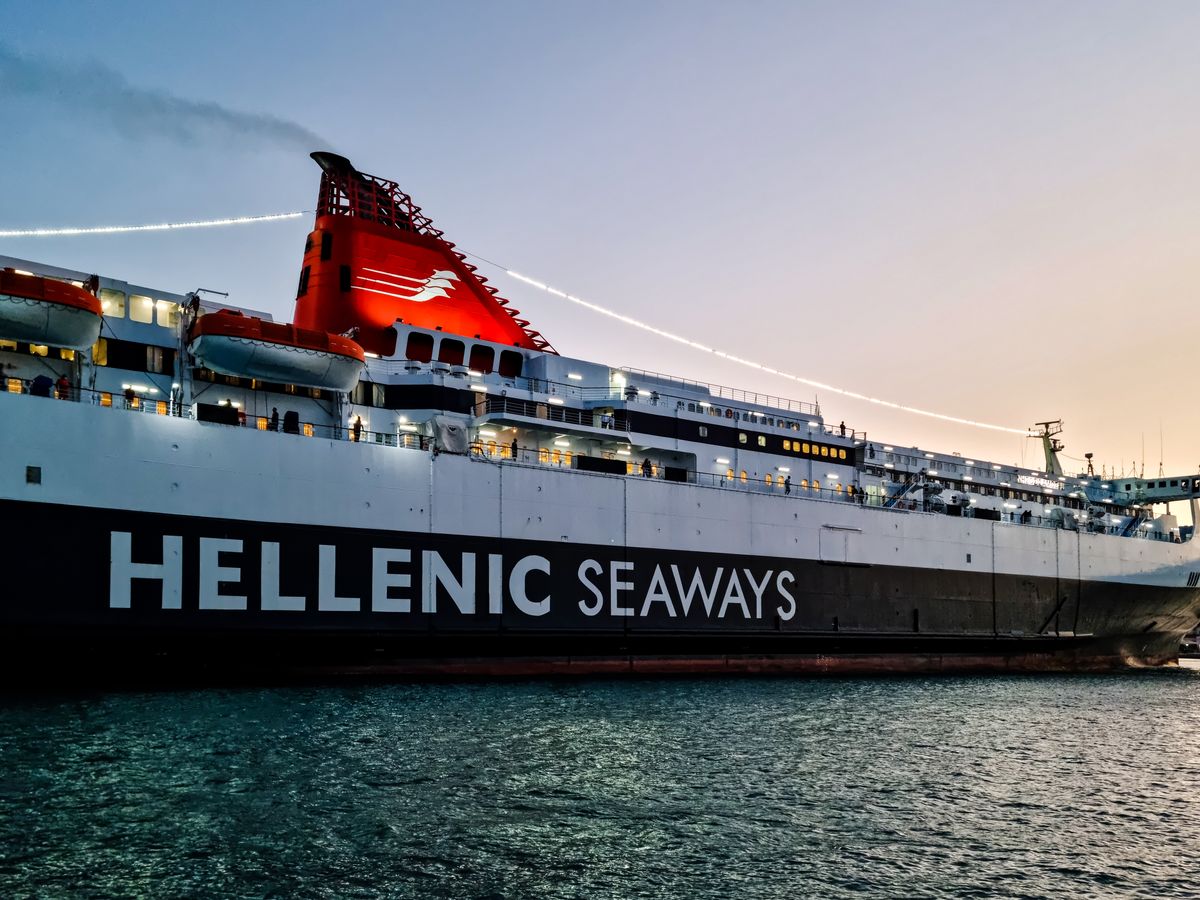
Ferry services to all major destinations — Crete, Rhodes, Cyclades, Dodecanese — continue with multiple daily sailings through September, though they begin gradually reducing from their August peak. Secondary routes to smaller islands may drop to once-daily or less frequent schedules.
Booking timeline:
– Flights: Book 4–6 weeks ahead for the best combination of price and availability.
– Accommodation: Book 3–4 weeks ahead; flexibility is much greater than in summer, but good properties in popular spots still fill.
– Ferries: Reserve 1–2 weeks ahead. Far more available than July–August, but direct booking through operators like Hellenic Seaways or ferry booking platforms is recommended.
– Activities and tours: Most don’t require advance booking. Popular organized trips (day sails, diving excursions) can be reserved 2–3 days ahead once you arrive.
– Restaurants: Reservations needed only for upscale or fine-dining establishments. Tavernas and casual spots welcome walk-ins.
What’s Open
Everything you need is open in September: hotels, tavernas, archaeological sites, museums, beach clubs, water-sports operators, ferry services. Unlike October and November — when island businesses close progressively and the infrastructure of tourism begins to wind down — September operates at full capacity with noticeably less pressure.
Why September 2026 Is the Year to Go
Greece consistently tops European travel preference surveys, and 2026 is no exception. Visa’s Travel Trends 2026 report explicitly names Greece as the leading European destination for travelers from the US, UK, France, and Germany — surpassing Italy and outpacing the rest of the Mediterranean.
The same research notes a measurable shift in traveler mentality: more people are actively seeking fewer crowds and more authentic experiences over the packaged intensity of peak season. They are willing to travel in shoulder season. They are looking for the Greece that exists when the machinery of mass tourism has briefly stepped aside.
September 2026 is where those two trends intersect. The demand for Greece is higher than ever. The desire to experience it without being overwhelmed is stronger than ever. And September — with its warm sea, its quieter streets, its harvest festivals, and its extraordinary light — is exactly the answer.
Savvy travelers already know this. The ones who have been to Greece in July, or who know someone who has, know that the “classic” Greek holiday experience is not in August. It is in the quieter, more honest, more beautiful month that follows.
Conclusion: Book September for Smarter Greece Travel in 2026
This is the Greece that knows itself — unhurried, unburdened, golden in every sense. It didn’t disappear in August; it just waited until September to breathe.
Let’s set it out plainly. In September, you get:
- The warmest sea temperatures of the entire year — 23–25°C, perfect for extended swimming
- A dramatic drop in crowds — temples, beaches, and tavernas returning to human scale
- Flights 30–50% cheaper than peak season
- Hotels 20–40% cheaper — with better rooms and more availability
- A full and functioning tourism infrastructure — nothing is closed
- Harvest festivals — the Aegina Pistachio Fest, grape harvest celebrations, village saints’ days
- Cooler temperatures for sightseeing, hiking, and exploration without heat exhaustion
- That extraordinary September light that makes Greece look exactly like you always hoped it would
This is the month that Greece’s most devoted visitors return to, year after year. Not because it is perfect in theory — but because, in practice, it delivers everything that July and August promise and rarely quite manage to provide.
Wherever you choose to go — the cliffs of Folegandros, the stone villages of Zagori, the beaches of Milos, the ancient towns of the Peloponnese, or the traditional soul of Karpathos — September will make it better.
Plan early. Book smart. And travel in the month the locals love best.
Explore visitgreece.gr for official destination guides, ferry schedules, and regional travel information.