
Choosing where to stay in Athens is less about finding a single “best” neighbourhood and more about matching your base to the way you want to use the city. A first-time visitor who wants to walk to the Acropolis will make a different choice from someone who values restaurants, nightlife, a quieter local rhythm or easy access to the Athens Riviera.
The historic centre is compact enough for many major sights to be explored on foot, but Athens is a large, busy city beyond the postcard core. This guide compares the areas that make the most sense for visitors, explains their trade-offs and includes a small number of well-known hotel examples. For a broader overview of the city’s monuments, museums, food and coast, continue with the complete Athens travel guide.
Quick answer: the best Athens area for your trip
| Priority | Best area to consider | Why it works | Main trade-off |
|---|---|---|---|
| First visit and ancient sights | Plaka or Acropolis/Koukaki | Walkable access to the Acropolis, museum, Ancient Agora and old centre. | Popular, busy and often priced accordingly. |
| Food, markets and nightlife | Monastiraki or Psyrri | Restaurants, bars, shopping and excellent central transport. | Noise and crowds, especially around the busiest streets. |
| Central transport and convenience | Syntagma | Metro, airport connection, shopping and a broad range of hotels. | Less neighbourhood atmosphere than Plaka or Pangrati. |
| A quieter local-feeling base | Pangrati | Cafés, squares, restaurants and a more residential rhythm near the centre. | Fewer headline sights immediately outside the door. |
| Upscale city break | Kolonaki | Shopping, galleries, museums and a polished central setting. | Higher prices and some uphill walking near Lycabettus. |
| Sea, beaches and resort-style evenings | Glyfada or Vouliagmeni | Coastal walks, swimming options and a different pace from downtown. | Longer journeys to the Acropolis and historic centre. |
| Early ferry or cruise | Piraeus | The port and metro are close, making an early departure simpler. | It is a port city, not the best base for a first Athens sightseeing stay. |
Before booking: three decisions that matter
How much will you walk? The central sightseeing zone is very walkable, but streets rise towards the Acropolis and Lycabettus, pavements can be uneven and summer heat changes the practical distance between two places. A hotel that looks close on a map may still involve stairs, slopes or a noisy route home.
Do you need a direct airport connection? Syntagma and Monastiraki are especially convenient for visitors using the metro network. The official OASA visitor information confirms that Athens combines metro, tram, buses and trolleybuses, with airport services and reloadable ATH.ENA tickets. Check current fares and operating information on OASA before travelling rather than relying on an old blog post.
Is this an Athens sightseeing stay or a coastal stay? Glyfada and Vouliagmeni can be excellent if the sea is part of the plan, but they are not interchangeable with a central base. Do not book the Riviera expecting to walk to the Acropolis, and do not book Plaka expecting a beach-resort holiday.
Plaka: best for a classic first visit
Plaka is the most recognisable historic-centre neighbourhood and the easiest recommendation for travellers who want Athens to feel immediately historical. Its lanes sit below the Acropolis, with the Roman Forum, Ancient Agora, Syntagma and much of the pedestrian archaeological core within a manageable walk. The official Athens guide describes Plaka as picturesque and full of historic landmarks and shops, while also warning visitors to expect crowds.
Stay here if you want to leave the hotel and begin sightseeing on foot, return easily for a rest, or enjoy an evening walk among neoclassical streets. It is particularly convenient for a short first visit and for travellers who value location over a quiet residential atmosphere. Check the exact street before booking: some rooms face lively pedestrian routes, restaurants or late-night activity.
Hotel examples: Electra Palace Athens is a well-known luxury option in the wider Plaka area, with an Acropolis-facing position and rooftop facilities. Plaka Hotel is a more straightforward central option whose official site highlights its rooftop views and proximity to the old centre. These are examples, not rankings; compare the room position, cancellation terms and current rate for your dates.
Acropolis and Koukaki: best for museums and a calmer central base
Koukaki and the streets around the Acropolis Museum offer a strong compromise between sightseeing convenience and a more lived-in feel than the busiest parts of Plaka. The pedestrian route around the Acropolis, the museum, Filopappou Hill and the restaurants of the south-central core are close at hand. The area is not silent, but it often feels less like a souvenir district than the most concentrated parts of Plaka and Monastiraki.
This is one of the best choices for couples, repeat visitors, museum-focused travellers and anyone who wants to walk to the Acropolis without sleeping directly above the busiest tourist lanes. The southern edge of the area becomes more residential, so inspect the route to the metro station and the slope to your accommodation. A street-level map pin does not show every incline.
Hotel examples: Herodion Hotel is a prominent four-star property near the Acropolis and museum; its official information places it close to both and lists a roof garden. AthensWas is a high-end design hotel on Dionysiou Areopagitou, with the archaeological site and Acropolis Museum nearby. Both suit travellers who prioritise immediate access to the historic core, but neither should be presented as a budget choice.
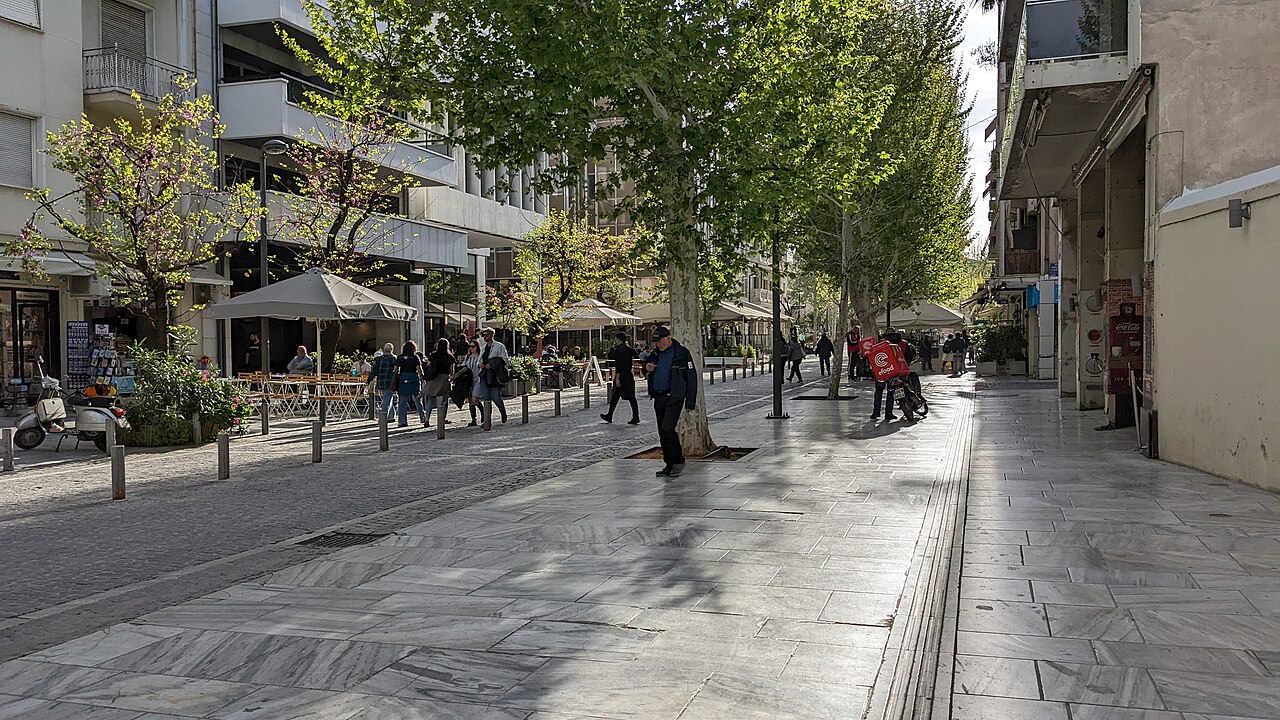
Monastiraki and Psyrri: best for energy, food and transport
Monastiraki is the city’s most intense visitor hub: flea-market streets, food, rooftop views, metro connections and a constant flow between Plaka, the Agora and Psyrri. Psyrri adds bars, tavernas and a more nightlife-oriented atmosphere. The area is excellent for travellers who want to be in the middle of things and who will use public transport or walk almost everywhere.
The limitation is equally clear. Square-facing rooms and streets around bars can be noisy, while the visual energy that makes the area fun can feel tiring after several nights. Families and light sleepers should look for strong soundproofing and a room away from the main square. If you have an early airport departure, the metro location is useful, but confirm the service you need rather than assuming every connection runs at every hour.
Hotel examples: A for Athens is directly by Monastiraki Metro Station and is known for its rooftop Acropolis view. 360 Degrees Hotel Athens is also beside Monastiraki Square, with a rooftop restaurant and a central position. These properties illustrate the area’s appeal: views and location, with the need to check noise and room orientation.
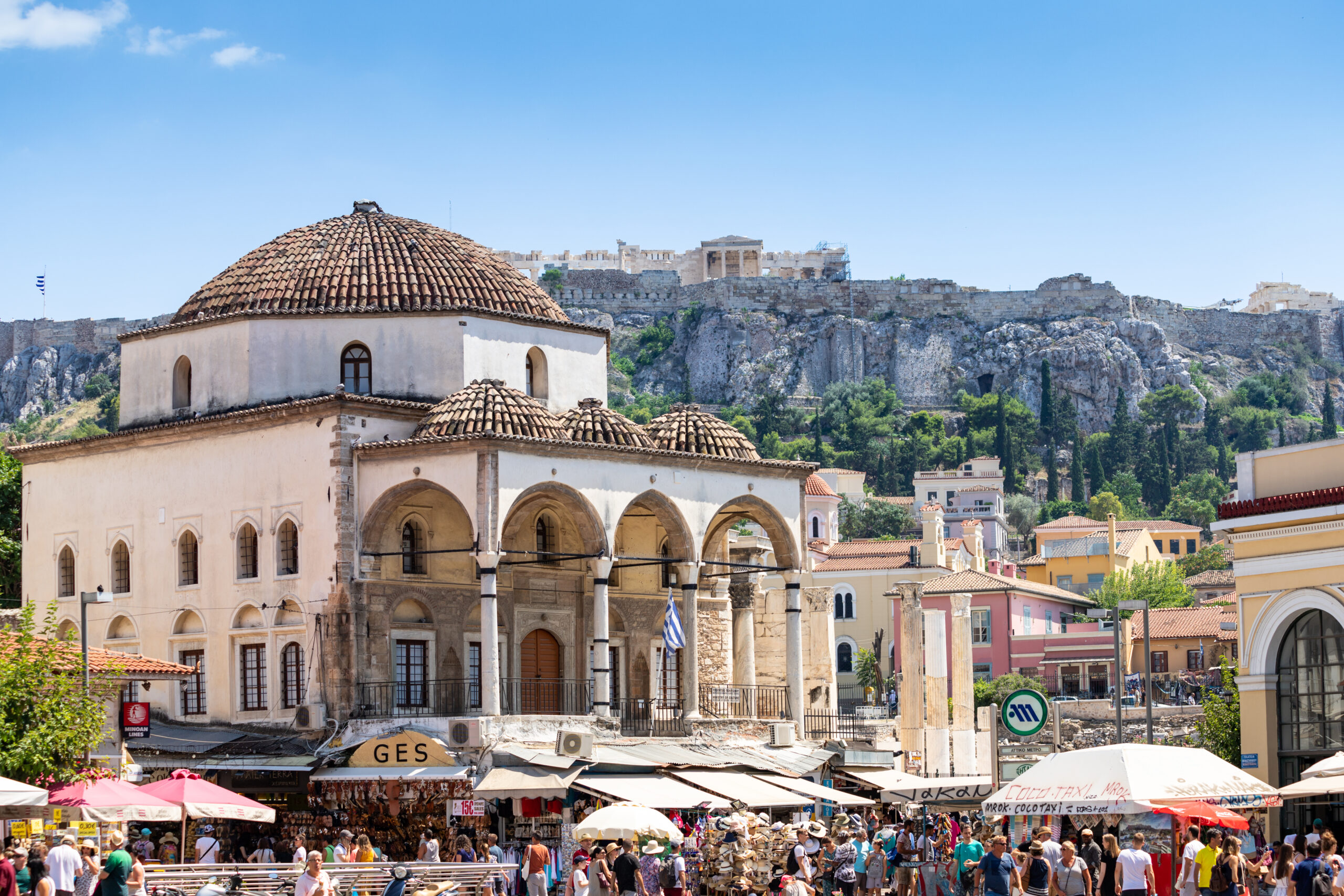
Syntagma: best for convenience and a polished short stay
Syntagma is the practical centre of Athens. The square, Parliament, National Garden, Ermou shopping street and the city’s main metro interchange make it a useful base for a short stop, a business trip or a first visit that includes airport transport. Plaka and Kolonaki are close enough to reach on foot, while the metro expands the choice of museums and neighbourhoods.
Syntagma feels more urban and official than Plaka. That is useful if you want reliable transport, larger hotels and a straightforward route to different parts of the city, but it is less intimate at street level. Read recent information about demonstrations, road closures or major events if your dates coincide with a national celebration, because the square is also a civic and political focus.
Hotel examples: Electra Metropolis Athens is on Mitropoleos Street near Syntagma, Ermou and Plaka. Athens Capital Hotel – MGallery Collection is positioned by Syntagma and presents a more design-led luxury stay with strong central access. Compare the immediate surroundings, not only the hotel facilities, if you prefer a quieter night.
Kolonaki: best for an upscale, urban Athens
Kolonaki sits between central Athens and the lower slopes of Lycabettus. It is the city’s established choice for galleries, higher-end shopping, restaurants, cafés and a more polished urban atmosphere. The Acropolis is not outside reach, but the area is better understood as a sophisticated city base than as an archaeological-site doorstep.
Choose Kolonaki if you enjoy returning to good restaurants, want a quieter hotel street and do not mind walking downhill towards Syntagma or taking a taxi back uphill. It suits longer city breaks and travellers who have already seen the main monuments. Check the hill and the exact location carefully if mobility or luggage is a concern.
Hotel examples: The Modernist Athens occupies a former Canadian Embassy on a quieter Kolonaki street and is aimed at a design-conscious, boutique-style stay. Athens Capital Hotel – MGallery Collection is another recognised luxury option at the Kolonaki/Syntagma edge. The boundary between the two areas matters less than the route to the metro and the slope outside your chosen address.
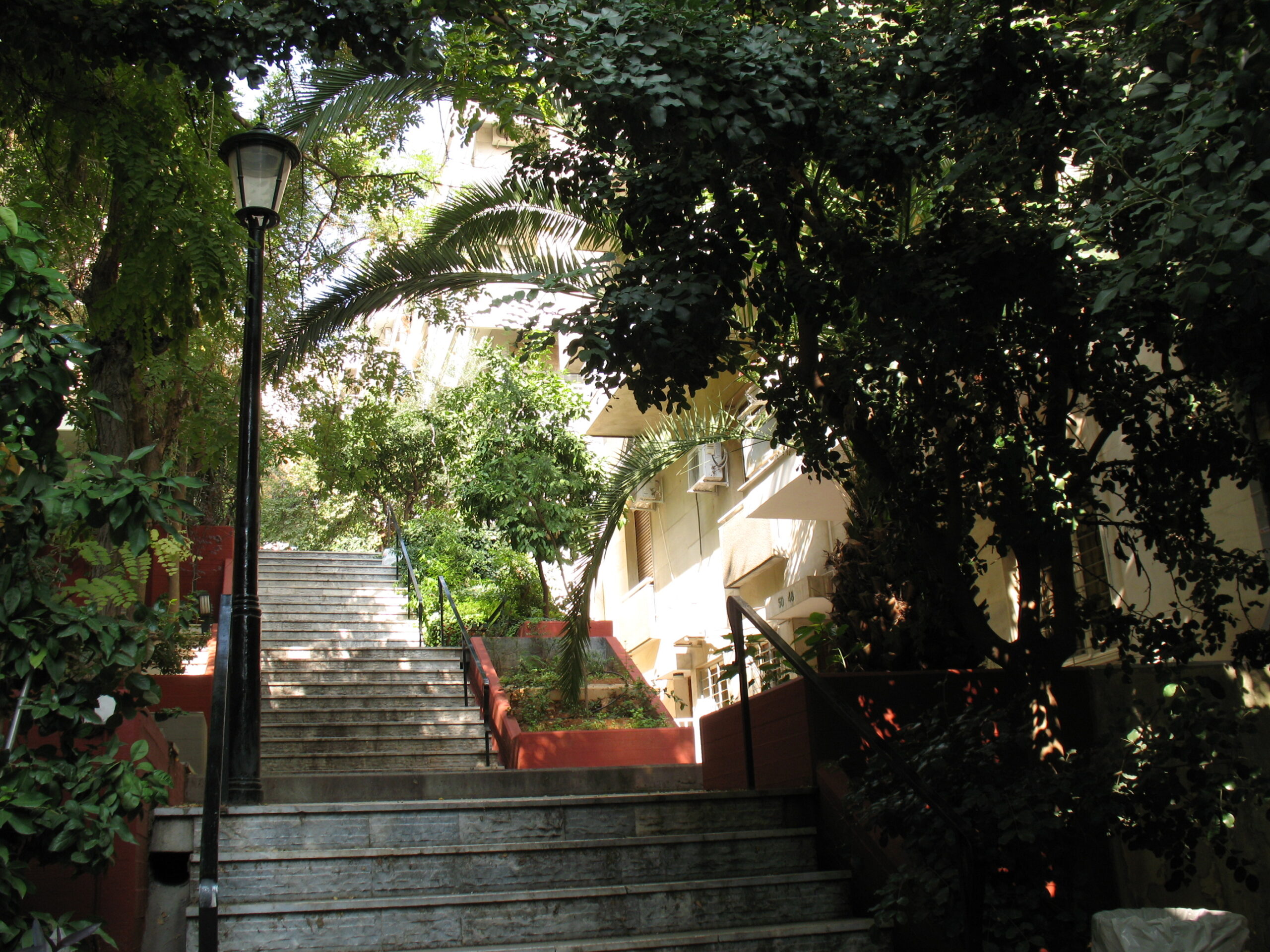
Pangrati: best for a more local rhythm
Pangrati is central without feeling designed around short-term visitors. Its squares, cafés, independent restaurants and proximity to the Panathenaic Stadium make it appealing to travellers who want neighbourhood life after the monuments close. The official Athens guide describes it as a leafy area of squares and cafés with a long connection to the city’s intellectual and cultural life.
The trade-off is transport convenience. Pangrati is walkable from the National Garden and Stadium, but not every part of it sits beside a metro station. For a stay here, use the exact address to judge buses, walking routes and taxi access rather than treating “Pangrati” as one compact point.
Hotel example: The Omnia Collection Pagrati offers serviced-apartment accommodation in the neighbourhood and may suit travellers who value more space or a residential base. This is a different proposition from a full-service central hotel, so check reception arrangements, cleaning, breakfast and cancellation conditions carefully before booking.
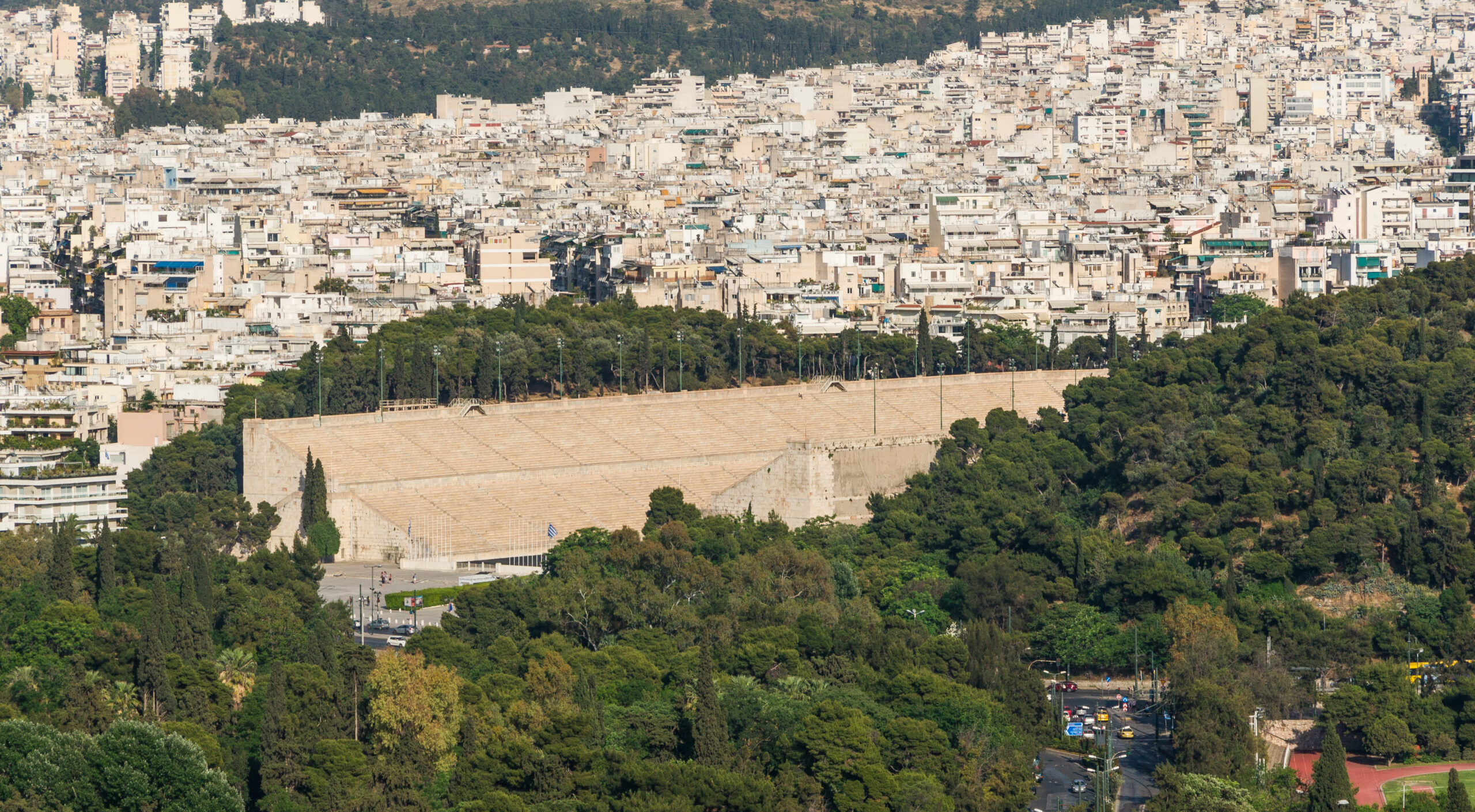
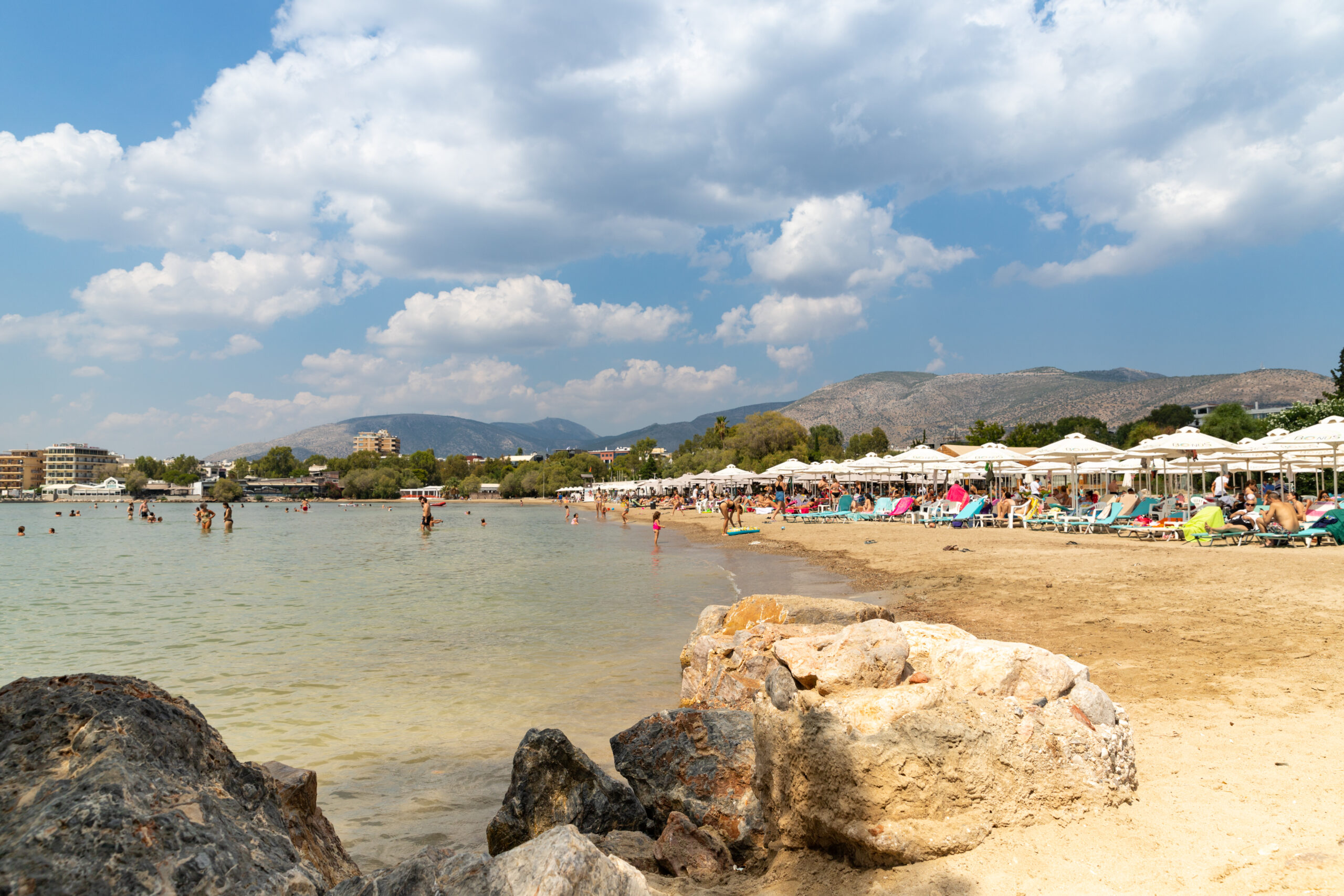
Glyfada and Vouliagmeni: best for the Athens Riviera
Glyfada and Vouliagmeni are the right choice when swimming, seaside restaurants, coastal walks and a resort-style finish are central to the trip. They are not simply “better” versions of central Athens: they are a different base. The official Athens guide places both among the coastal neighbourhoods and describes Glyfada as a lively shopping and seaside area, while Vouliagmeni has a more upscale, holiday-like character.
Glyfada is usually the more practical choice for shopping, restaurants and a lively coastal town feel. Vouliagmeni is more resort-oriented and is closer to some of the Riviera’s most recognisable swimming and waterfront settings. In both cases, allow substantially more time for downtown sightseeing than you would from Plaka or Syntagma. The tram and buses can help, but verify current routes and journey times with OASA.
Hotel examples: One&Only Aesthesis is a luxury beach resort in Glyfada, suited to travellers who are deliberately choosing a resort stay. In Vouliagmeni, The Margi is a well-known boutique hotel near the beaches, with a more intimate proposition. Both sit at the luxury end of the market; they should not be used as generic recommendations for budget or central sightseeing trips.
Piraeus: useful for ferries, not usually for a first Athens stay
Piraeus can make sense when you have a very early ferry, a cruise departure or a specific interest in the port’s restaurants and waterfront. A hotel close to the metro simplifies the morning and may be more sensible than crossing Athens with luggage before a sailing.
For a normal first visit, however, Piraeus is usually less convenient than staying in the historic centre. The Port Square Hotel is a recognised option near the port and metro, but treat it as a transit or port-focused choice rather than a substitute for a central Athens base.
Where to stay in Athens by traveller type
| Traveller | Best starting point | Why | Check before booking |
|---|---|---|---|
| First-time couple | Plaka, Koukaki or Syntagma | Easy access to the classic sights and evening restaurants. | Noise, slopes and whether an Acropolis view is actually included. |
| Family with young children | Koukaki, Syntagma or a quieter Plaka street | Walkable sights, food options and simpler transport. | Lift, room size, shade and distance from late-night streets. |
| Food and nightlife traveller | Psyrri, Monastiraki or Pangrati | Strong restaurant, bar and café choice. | Night noise and the walk back after midnight. |
| Luxury city break | Kolonaki, Syntagma or Acropolis/Koukaki | High-end hotels, dining and central cultural access. | Whether the hotel’s premium price reflects location, room type or facilities. |
| Beach-focused traveller | Glyfada or Vouliagmeni | Coastal pace, swimming and seaside evenings. | Travel time to central Athens and seasonal beach operations. |
| Early ferry passenger | Piraeus or a central hotel near direct metro access | Reduces the risk of a rushed port transfer. | The exact ferry gate, first metro/bus service and luggage plan. |
Should you book a famous hotel by name?
Recognisable hotels can be useful landmarks, especially in a city with a large and constantly changing accommodation market. They also make the article more practical than a list of anonymous “best hotels”. But a famous name is not a guarantee that the room will suit your trip. The same property may contain quiet rear rooms, noisy street-facing rooms, small entry-level rooms and expensive suites with very different value.
Use the examples above as a starting shortlist, not as a ranking or an endorsement. Compare the exact room category, location within the neighbourhood, breakfast policy, lift access, cancellation terms, resort or city taxes where applicable, and recent independent guest feedback. Prices change sharply by season and event calendar, so fixed nightly rates would be misleading.
How many nights should you stay?
For a first Athens visit, three nights is a comfortable minimum if you want the Acropolis, one or two museums, neighbourhood walks and an unhurried meal. Two nights can work, but the choice of base matters more because you have less time to absorb a delayed arrival or a hot afternoon. Four or five nights allow a slower city rhythm and make a coastal or day-trip addition more realistic.
If you plan to continue by ferry, do not automatically spend the final night in Piraeus. Compare the sailing time, your luggage and the first available transport from the hotel. For a nearby island escape, the Aegina guide is a natural companion to an Athens stay; for mainland archaeology, compare the logistics of Delphi or Nafplio before committing to a long day out.
Common booking mistakes in Athens
- Choosing a hotel by neighbourhood name without checking the exact street and nearest transport.
- Paying for an Acropolis view without confirming whether it is from the room, balcony, rooftop or a limited angle.
- Booking the Riviera for a short sightseeing trip and underestimating the return journey to the historic centre.
- Assuming a central location means a quiet night; Plaka, Monastiraki, Psyrri and Syntagma can all be lively.
- Ignoring lifts, stairs and slopes when travelling with children, large luggage or reduced mobility.
- Relying on old public-transport fares or timetables instead of checking OASA for the current season.
The verdict
For most first-time visitors, Plaka, Koukaki, Monastiraki and Syntagma are the safest starting points, with the choice depending on whether you value atmosphere, museums, nightlife or transport. Pangrati and Kolonaki make more sense when you want the city beyond the standard sightseeing circuit, while Glyfada and Vouliagmeni should be chosen deliberately as coastal bases. Piraeus is a practical exception for ferry and cruise logistics.
The best hotel is therefore the one that solves your actual Athens problem: walking to ancient sites, sleeping well, reaching the airport, eating locally or finishing the trip beside the sea. Start with the area, then compare the hotel.
Research and review note: this guide was checked in July 2026 against the Official Athens Guide, OASA, and the official websites of the named hotels and accommodation providers. Hotel facilities, room types, transport services, prices, availability, beach operations and neighbourhood conditions can change. Confirm the details and current terms directly before booking.


_in_Athens,_Greece.jpg)
.jpg)


.jpg)