Thessaloniki at a Glance
| Planning point | What to know |
|---|---|
| Best for | Food, layered history, museums, city walks and a mainland Greek city break |
| Best time to visit | Late spring and early autumn for walking; summer for coastal day trips |
| How long to stay | Three nights for the main city; four or five if adding a day trip |
| Airport | Thessaloniki Makedonia Airport (SKG), southeast of the centre |
| Getting around | Walk in the centre; use Metro Line 1, buses or taxis beyond it |
| Car? | Usually unnecessary in the centre; useful for Vergina, Halkidiki or Olympus |
Why Thessaloniki Deserves Your Time
Thessaloniki is a strong alternative to an island-first Greek itinerary: a walkable northern city where Roman, Byzantine, Ottoman, Jewish and modern Greek histories sit close together. Thessaloniki has the food culture of a capital that has spent two thousand years absorbing influences from the Balkans, the Levant, and Asia Minor. Its waterfront runs for roughly five kilometres between the port and the Concert Hall, while the UNESCO-listed Paleochristian and Byzantine property includes fifteen monuments and the city walls. This is also a city where markets, bakeries, meze restaurants and late-night cafés remain part of everyday life. Thessaloniki joined UNESCO’s Creative Cities Network in Gastronomy in 2021 — recognition of a wider food ecosystem rather than a claim that every restaurant is exceptional.
What makes Thessaloniki particularly compelling is how much it compresses into a walkable centre. The Roman Arch of Galerius stands a few hundred metres from a functioning daily fish market. A fourth-century rotunda built as an imperial mausoleum sits above craft-beer bars and vintage record shops. The Byzantine city walls offer views across a city of more than a million people that feels, at street level, remarkably human-scaled. Compared with Athens, Thessaloniki offers a more compact first visit, a strong food identity and easier walking between many central sights; Athens remains the broader choice for classical monuments and national museums. Factor in the day trips to Vergina, Halkidiki, and Mount Olympus, and the case becomes even stronger.
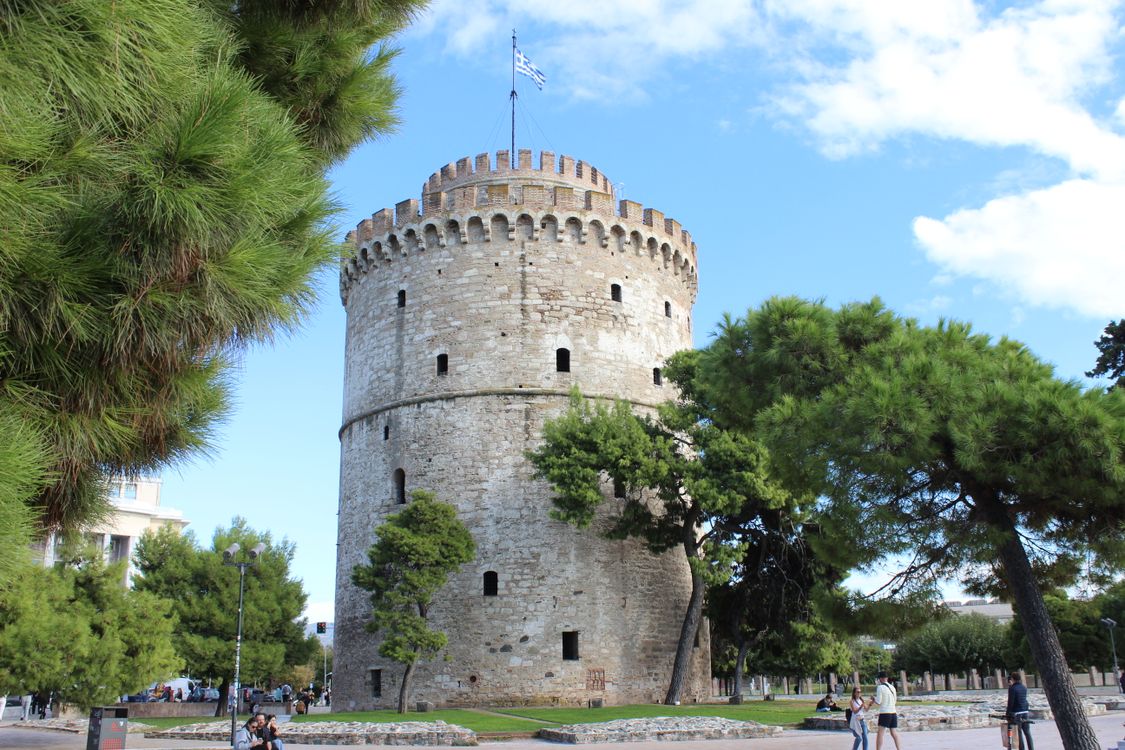
Photo: Dimitris Mourousiadis, Pexels
Best Time to Visit
Thessaloniki rewards visits in nearly every season, though some months are markedly better than others. Late spring and early autumn are usually the easiest seasons for long city walks. Summer can be hot, particularly in the middle of the day, although it is useful for combining the city with nearby beaches. Winter brings shorter days and more changeable weather, but museums and markets remain practical reasons to visit. Check event calendars separately because festival dates and programmes change.
| Season | Temperature | Pros | Cons |
|---|---|---|---|
| May – Jun | Usually warm, with comfortable walking conditions | Long daylight and good conditions for city walks | Weekends and events can increase demand |
| Jul – Aug | Hotter and sunnier; midday heat is possible | Good for coastal day trips and late evenings | Heat can make uphill walks uncomfortable |
| Sep – Oct | Mild to changeable; conditions vary by month | Cultural events and fewer peak-summer pressures | Rain and cooler evenings are possible |
| Nov – Mar | Cooler, with shorter days and more variable weather | Museums and markets remain practical year-round | Less reliable weather for long outdoor days |
September and October can work well for walking, but event dates and programmes should be checked separately. The Thessaloniki International Film Festival is held in autumn, while Dimitria also has a seasonal cultural programme. May is another useful month for a city break before the hottest part of summer.
How to Get There
Thessaloniki Makedonia Airport (SKG) is the city’s main air gateway, with domestic and international services that vary by season and airline. Check the airport and airline schedules for the dates of your trip rather than assuming a year-round route.
The airport is southeast of the centre. The Transport Authority currently lists the 01X airport service, the 01N night service and the 79 route connecting the airport with IKEA; routes, stops, fares and operating times should be checked through the official TheTA information before departure. A taxi is the simpler option with heavy luggage or a late arrival, but the final cost depends on the current tariff and traffic.
By train, Athens and Thessaloniki are connected by Hellenic Train services, but journey times and departures can change. By road, the route follows the tolled motorway network; allow for traffic, stops and current road conditions rather than relying on a fixed travel time.
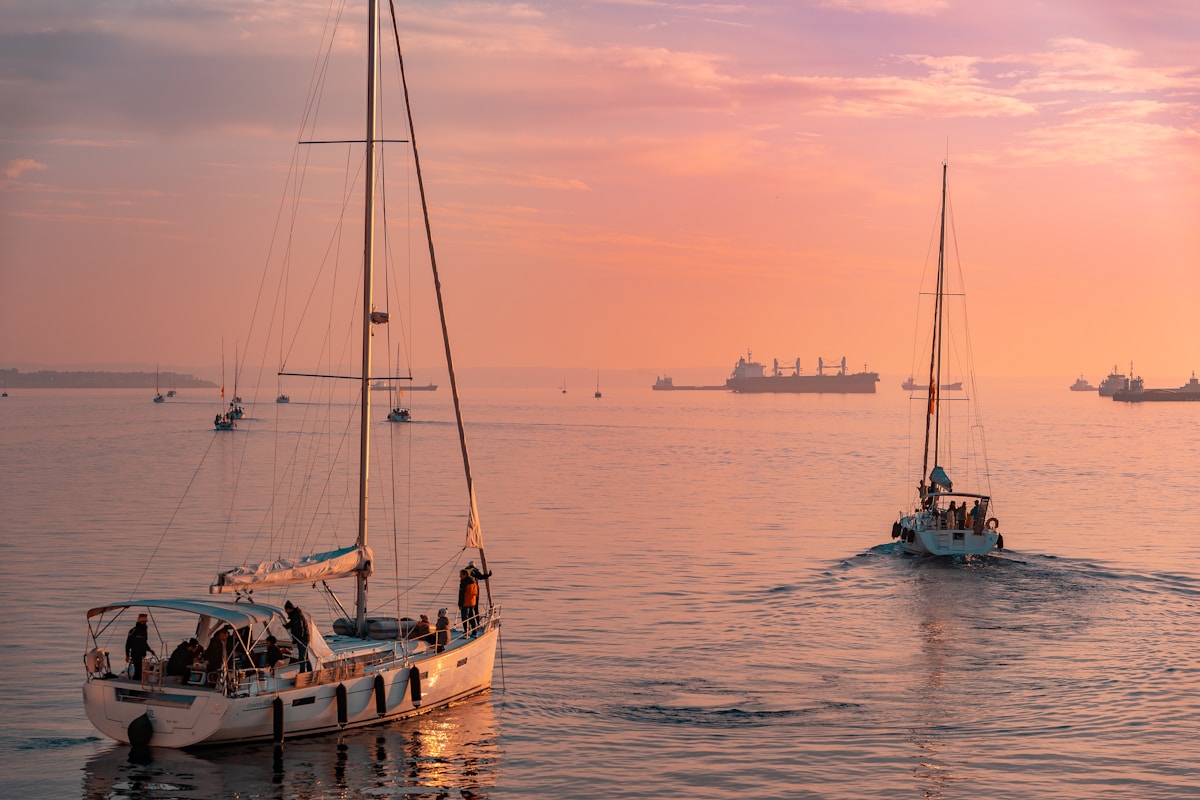
Photo by Jim Makos on Unsplash
Getting Around the City
Much of central Thessaloniki is practical to explore on foot. The waterfront links the port, the White Tower and the eastern promenade, while Ano Poli requires a steep uphill walk. In hot weather, or for travellers with mobility limitations, a taxi can be the more comfortable choice.
The Metro
The operational Line 1 runs 9.6 kilometres from New Railway Station to Nea Elvetia through the centre, with 13 underground stations. The system is automated and uses platform screen doors. The operator currently lists service from approximately 05:15 to 23:00, with first and last departures from the two terminals; verify live announcements before travelling. The official Metro ticket page lists a €0.60 basic ticket and a €2.50 24-hour Metro ticket, but Metro and bus fare products are separate. Venizelou station also exposes archaeological remains found during construction. The five-station Kalamaria extension is a separate operational update: check the official Metro and TheTA pages for its live status and fares.
Buses and Taxis
TheTA oversees the city’s urban transport information, while buses serve the airport, railway station, intercity bus terminals and the wider urban zone. Airport and ordinary bus products are not interchangeable: the official TheTA fare pages list separate rules for urban, peri-urban and special routes. Taxis are useful for Ano Poli, late arrivals and luggage. For day trips outside the city, a car is often more practical, but compare the driving, parking and guided-tour options first.
Fifteen UNESCO Monuments in One City
Thessaloniki’s UNESCO World Heritage property, inscribed in 1988, is the serial site ‘Paleochristian and Byzantine Monuments of Thessalonika’. It includes fifteen monuments, including churches, fortifications and the city walls. These monuments are woven into the fabric of a working city rather than gathered in one enclosed archaeological park. The concentration of early Christian and Byzantine heritage is one of the city’s defining strengths.
What to See: History and Heritage
The White Tower
The cylindrical tower on the waterfront is Thessaloniki’s best-known landmark. It is generally dated to the fifteenth century and formed part of the city’s fortifications; later uses included a prison. Its name and uses changed over time, and the tower was restored as a museum of the city’s history. Today it houses a museum tracing the city’s history from antiquity to the present, arranged across six storeys with an observation platform at the top offering panoramic views over the gulf. It is a useful starting point for understanding how Thessaloniki’s layers of history — Macedonian, Roman, Byzantine, Ottoman, Jewish, modern Greek — sit on top of one another.
The Rotunda and Arch of Galerius
Built in the early fourth century as part of the palace complex of the Roman Emperor Galerius, the Rotunda is a major Roman monument in the city. Its dome preserves fragments of an elaborate mosaic decoration, and the building later served as a church and mosque before becoming a monument and exhibition space. Admission and opening hours change; check the Ministry of Culture’s current monument listing before visiting. Nearby, the Arch of Galerius (known locally as Kamara) stands on Egnatia Street. Its surviving reliefs depict episodes from the emperor’s military campaigns.
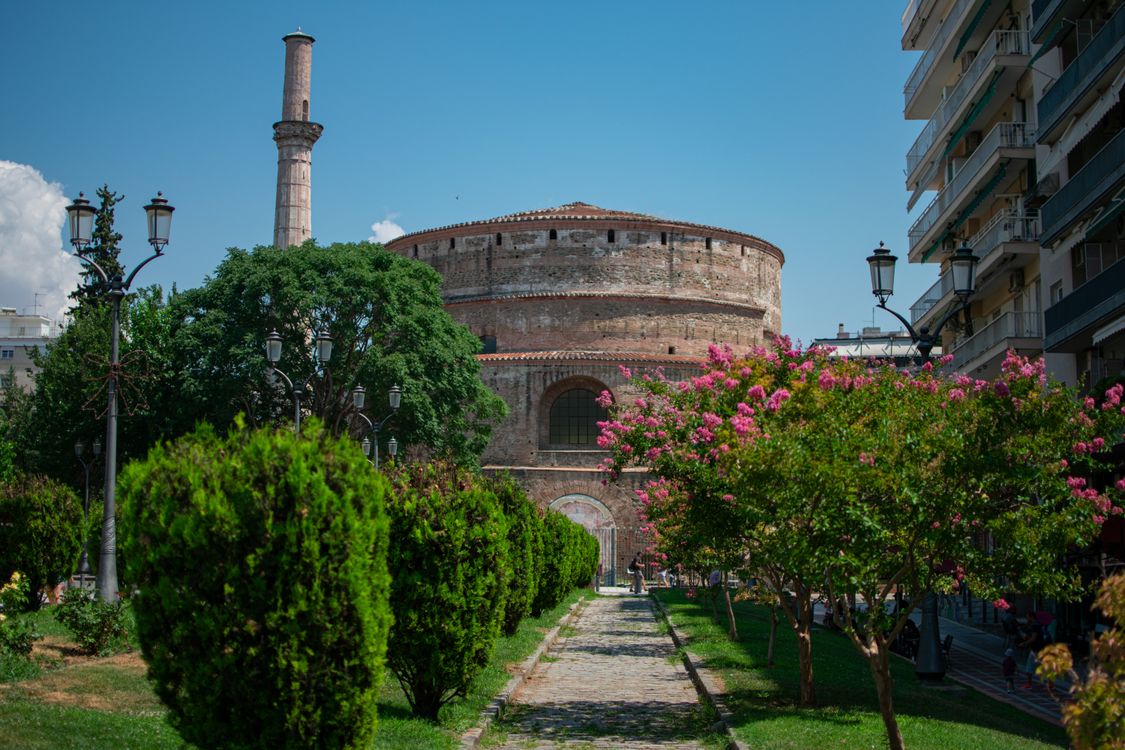
Photo: Lazy Photography, Pexels
The Church of Agios Dimitrios
Dedicated to the patron saint of the city, this basilica is an important religious and historic monument. The original church was built in the fifth century on the site where, according to tradition, the Roman officer Dimitrios was imprisoned and martyred for his Christian faith. The present building was reconstructed after the fire of 1917, while early mosaics survive inside. The crypt below the church is associated with the saint’s tradition and has its own visitor arrangements; check current access information before travelling.
Museums
The Archaeological Museum of Thessaloniki houses Macedonian artefacts, including gold work associated with Aigai and Pella. Its collections cover the prehistoric period through late antiquity. The museum’s official visitor page lists seasonal hours: 09:00–17:00 daily from 1 April to 31 October, and 09:00–17:00 daily with Tuesday closure from 1 November to 31 March. The listed ticket is €10, reduced €5; confirm before travelling.
Adjacent to it, the Museum of Byzantine Culture presents Byzantine culture through objects and themes including religious art, daily life, trade and burial practices. Its official visitor page lists seasonal opening hours and €10 general admission (€5 reduced). The White Tower has separate hours and ticket information; confirm both before planning a museum day.
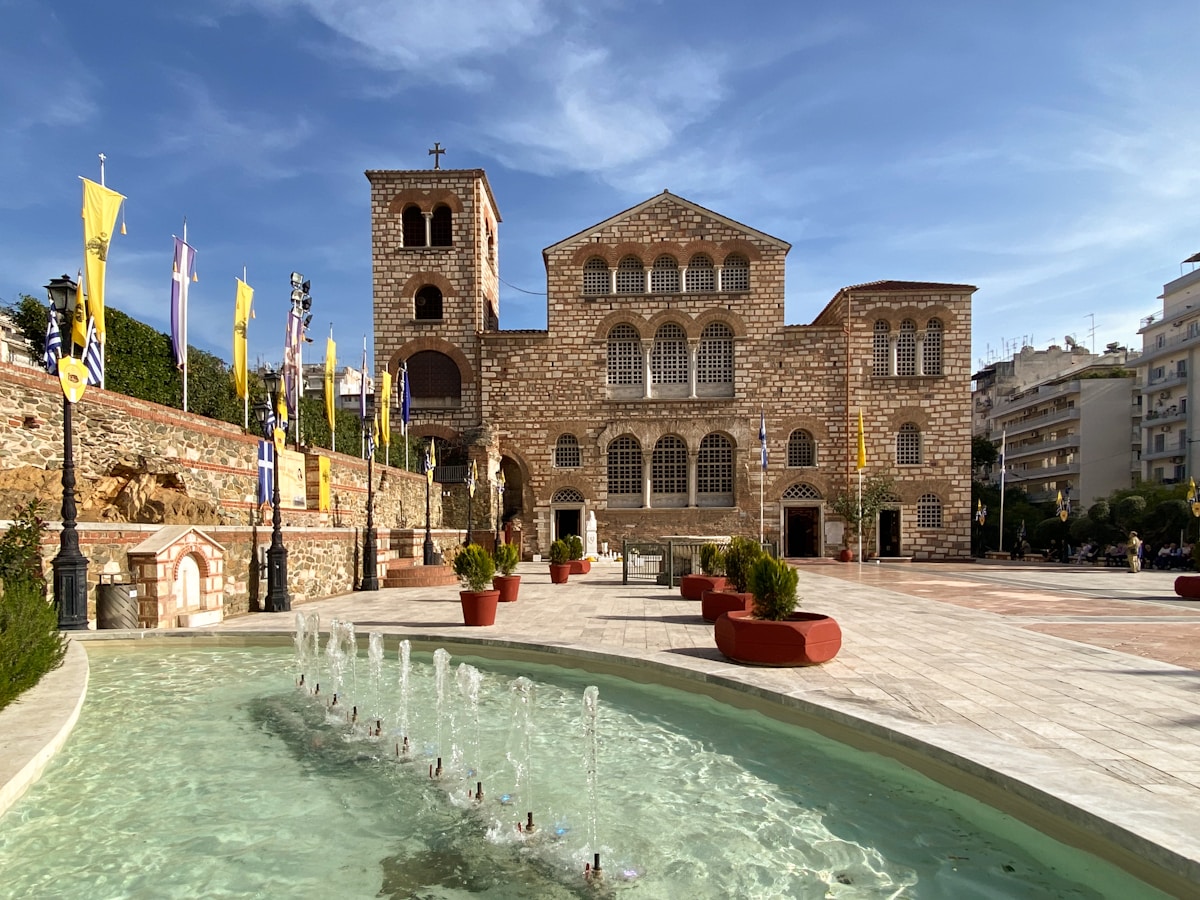
Photo by Linda Gerbec on Unsplash
The Waterfront and Neighbourhoods
Nea Paralia — The Waterfront Promenade
Thessaloniki’s seafront promenade runs for approximately five kilometres from the port to the Concert Hall. It includes wide pedestrian sections, green spaces and sculpture installations including Georgios Zongolopoulos’s umbrella group. The promenade passes the White Tower and continues past open lawns, playgrounds and the Alexander the Great equestrian statue. It is easy to enjoy in shorter sections, especially in the late afternoon.
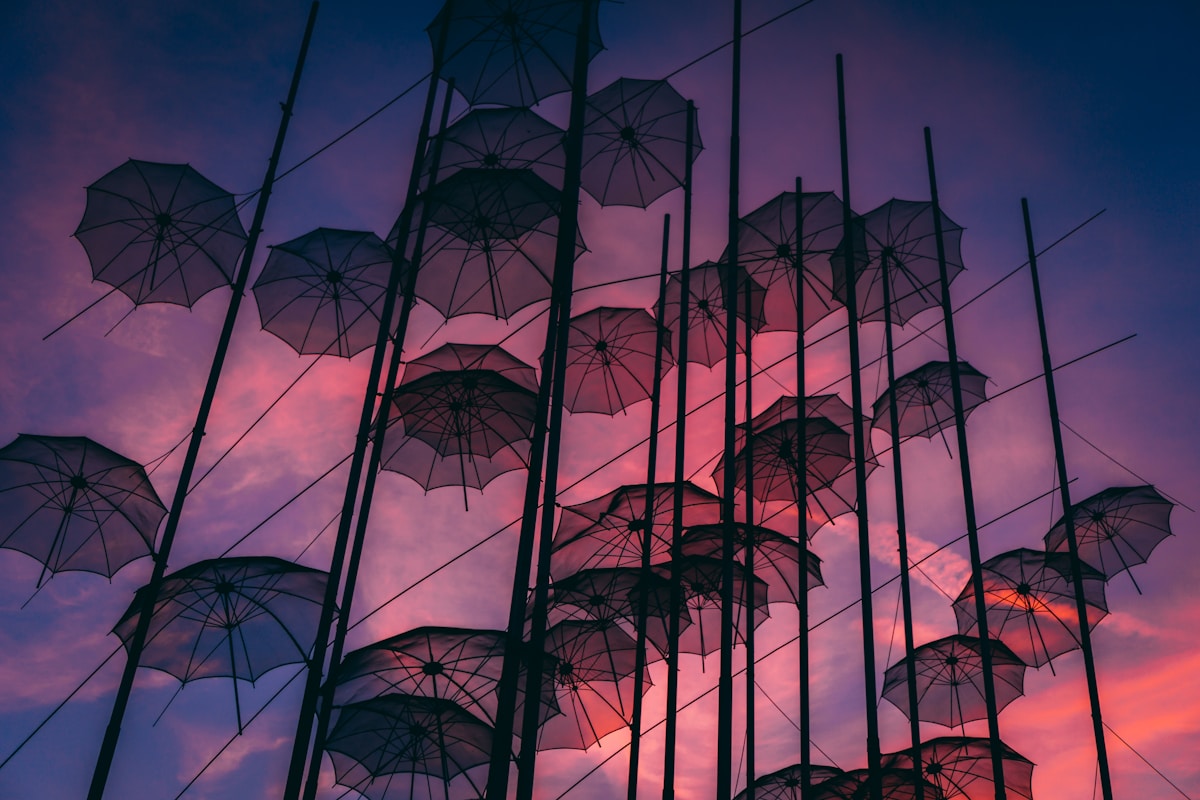
Photo by Jim Kalligas on Unsplash
Aristotelous Square and the Market District
Aristotelous Square is the grand civic centre of Thessaloniki. Designed by French architect Ernest Hébrard after the Great Fire of 1917 destroyed most of the old city, it frames a broad plaza of neoclassical arcaded buildings that opens towards the sea. The square is lined with cafés, and surrounding streets contain the city’s main commercial activity — international brands on Tsimiski Street, covered markets a few blocks inland.
The Modiano Market, housed in a renovated interwar building, and the adjacent Kapani Market are practical places to see the city’s food trade and choose a casual meal. Both are working markets with fishmongers, butchers, spice vendors, cheese sellers and olive merchants; check current opening patterns before visiting. The produce reflects Thessaloniki’s culinary breadth, from peppers and smoked meats to olives and phyllo.
Ladadika
The historic warehouse district west of Aristotelous Square now contains a dense concentration of restaurants, bars and meze houses in renovated buildings. The atmosphere is sociable and moderately touristic, while locals also eat and drink here. On weekend evenings, the district can be busy and noisy.
Ano Poli — The Upper Town
Ano Poli (Upper Town) largely escaped the 1917 fire and remains a steep, atmospheric district of Ottoman-era houses, narrow lanes, Byzantine churches and sections of the surviving city walls. The streets climb steeply from the modern centre, but the Trigonio Tower area offers broad views across the city and gulf. The area also has tavernas and cafés with a quieter evening atmosphere than the busiest streets below.
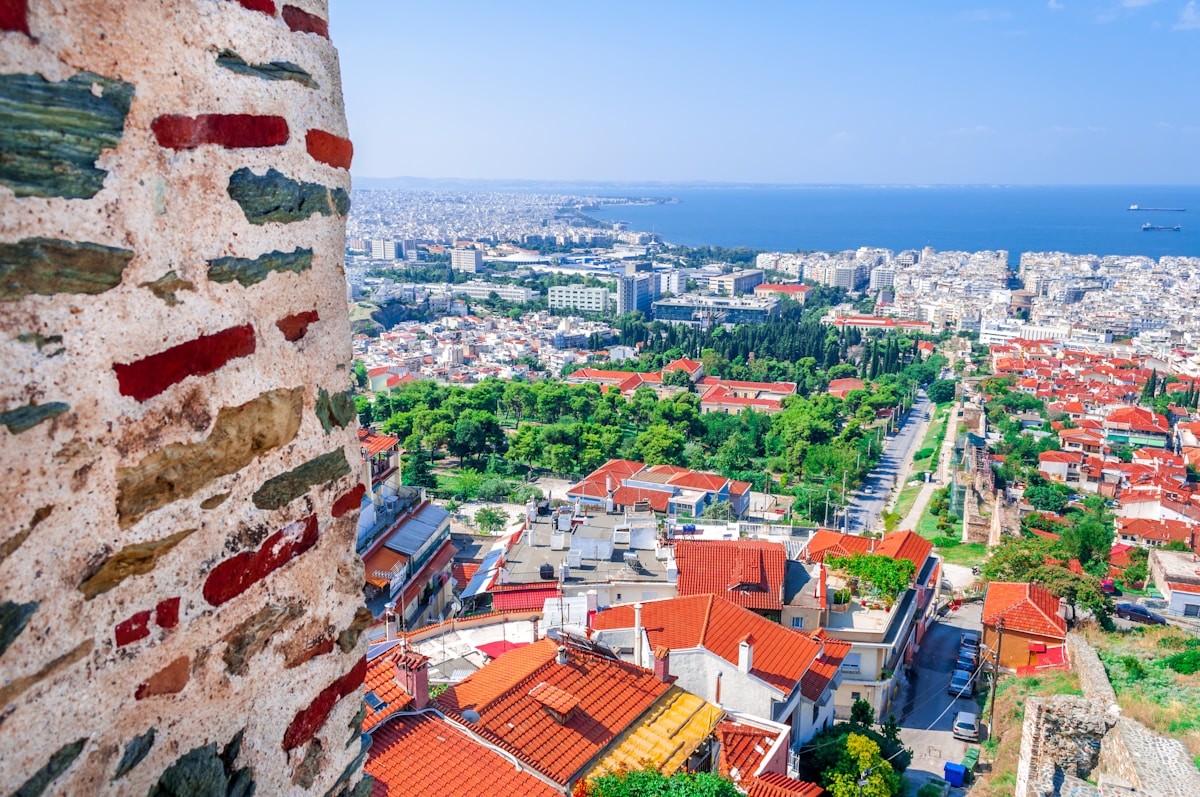
Photo by Dragos Gontariu on Unsplash
Valaoritou and the Rotonda District
Between the Rotunda and the old commercial centre, the Valaoritou and Rotonda neighbourhoods form the creative heart of the city. Independent record shops, basement galleries, craft-cocktail bars, and renovated industrial spaces sit alongside traditional workshops that have occupied these streets for generations. It is a useful area for independent bars, cafés and a more contemporary side of the city after the main sights close. The Thessaloniki International Film Festival’s main venue, the Olympion cinema, is nearby on Aristotelous Square.
Food: Greece’s Culinary Capital
Thessaloniki’s food culture is a central part of city life. The morning often starts with bougatsa: crisp phyllo pastry filled with semolina custard, dusted with icing sugar and cinnamon. It is also available in savoury versions, and bakeries make it a practical breakfast between walks.
The city’s culinary identity was shaped by the 1923 population exchange and by earlier Jewish, Ottoman, Balkan and Macedonian influences. Asia Minor refugee communities added recipes and techniques that remain visible in pastries, meat dishes and small shared plates.
The dishes worth seeking out reflect these layered influences. Soutzoukakia are spiced meatballs in tomato sauce associated with Asia Minor cuisine. Trigona Panoramatos are crisp phyllo triangles filled with custard and syrup, associated with Panorama. Bouyiourdi, baked cheese with tomatoes and peppers, is another useful dish to look for on a meze menu. Souvlaki and gyros remain easy choices between sights.
The tsipouradiko tradition is part of the city’s food culture. In these small meze houses, tsipouro is served with small shared dishes, and the meal is usually more informal and unhurried than a conventional restaurant dinner. Athonos Square and the central market district are useful areas to explore, but menus, opening hours and atmosphere vary by venue.
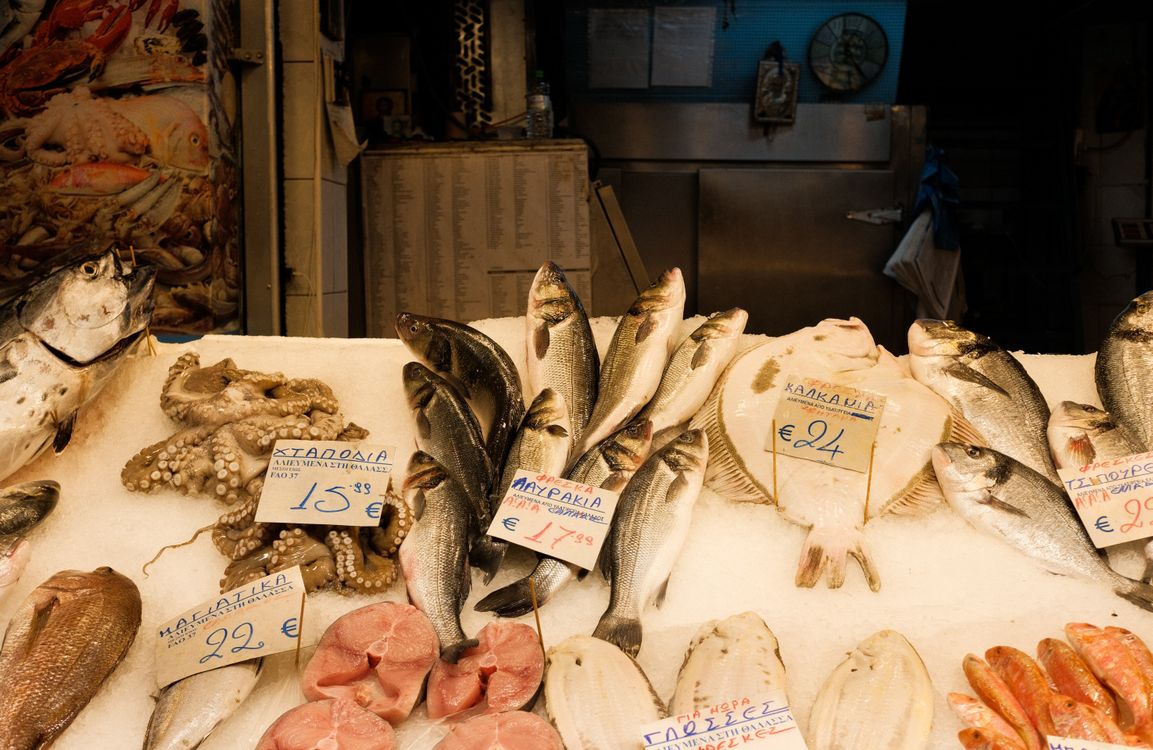
Photo: Paula Schmidt, Pexels
Day Trips from Thessaloniki
Thessaloniki’s position in northern Greece makes it a practical base for selected day trips. Choose one excursion for a three-night visit; longer stays allow more, but travel time and seasonal opening hours still matter.
Vergina — The Royal Tombs of Aigai
Vergina lies west of Thessaloniki and contains the royal tombs and wider archaeological remains of Aigai, the first capital of the ancient Macedonian kingdom. The tomb traditionally identified as Philip II’s contains rich royal grave goods, including a gold larnax, armour and a funeral wreath. The Archaeological Site of Aigai has its own current opening hours, ticket rules and visitor guidance. Check the official Ministry of Culture or museum page before setting out. A visit can be combined with Pella, the later Macedonian capital associated with Alexander the Great’s birthplace, but the combination requires realistic driving time.
Halkidiki
The three-pronged peninsula south of Thessaloniki offers organised beaches, seaside villages and a wide range of coastal bases. Kassandra is the most developed of the three main fingers; Sithonia is generally more forested and road-trip oriented. The third peninsula, Athos, is home to the monastic republic of Mount Athos. Entry requires a special permit and women are not permitted to enter, but boat cruises from the western coast of Sithonia offer views of the monasteries from the water. For a shorter coastal outing, consider Perea, Epanomi or another destination on the Thermaic Gulf, checking traffic and beach conditions first.
Mount Olympus and Dion
Mount Olympus rises south of Thessaloniki, with access depending on whether you are visiting Dion, Litochoro, a lower walking route or a high-mountain trail. The mountain is a national park, and a visit to Litochoro or the ancient Macedonian site of Dion is more manageable than attempting a high-mountain route without preparation. Allow time for the chosen route, parking and weather conditions.
Other Day Trips
The Pozar thermal baths, set in a forested gorge in the Pella region, can be combined with a stop at the waterfalls of Edessa, although the full outing is long from Thessaloniki. The Naoussa wine region, known for Xinomavro, can be paired with other destinations in western Central Macedonia. Lake Kerkini, a Ramsar wetland north of the city, is a strong choice for birdwatching and nature, but requires an early start or an overnight stay for a relaxed visit.
Where to Base Yourself
| Area | Best For | Walking | Nightlife | Notes |
|---|---|---|---|---|
| Aristotelous Square | First-timers, convenience | Excellent | Moderate | Central to the main sights; prices vary by property |
| Ladadika | Nightlife, dining | Excellent | High | Can be noisy on weekends |
| Rotonda / Navarino | Culture, creative scene | Excellent | Moderate–High | Near universities; younger crowd |
| Ano Poli (Upper Town) | Atmosphere, quiet | Steep hills | Low | Beautiful but requires fitness; less convenient |
| Waterfront / Nikis Ave | Sea views, families | Excellent | Low–Moderate | Higher-end hotels; scenic walking |
For a first visit, the Aristotelous Square area offers a convenient balance of access and atmosphere. Ladadika suits travellers focused on eating and drinking, though light sleepers should check the exact street and accommodation. Ano Poli suits travellers who value atmosphere and views over flat, central walking; the steep streets matter in summer or after a long day of sightseeing.
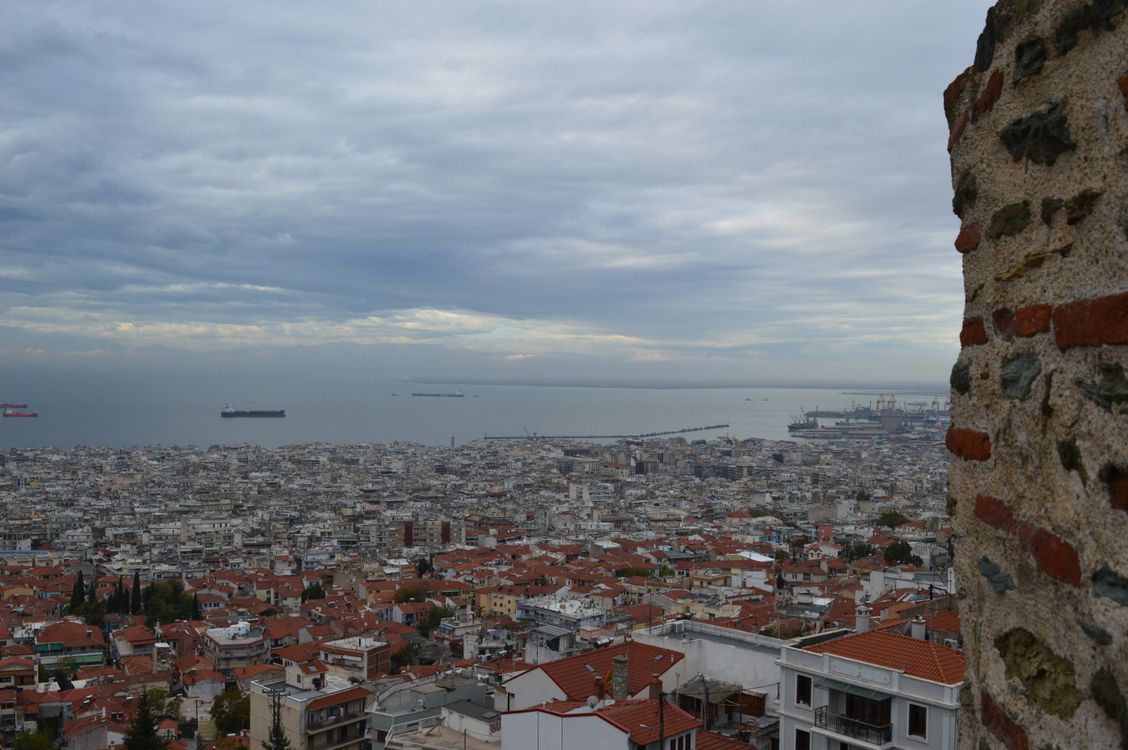
Photo: Maris Uuetoa, Pexels
How Many Days to Spend
Three nights is the minimum for covering the city’s main attractions, markets, and food scene at a comfortable pace. With four or five nights, you can add a full day trip to Vergina and Pella, or spend a day on the beaches of Halkidiki. A week allows for multiple day trips and a more thorough exploration of the neighbourhoods, evening dining traditions, and secondary museums. Two nights is possible but will feel rushed, particularly if you want to visit both the Archaeological Museum and the Museum of Byzantine Culture — each deserves at least two hours.
Who Should Visit — and Who Might Prefer Elsewhere
Thessaloniki is particularly well suited to:
- Travellers who care about food and want to eat like a local rather than from a tourist menu
- History and archaeology enthusiasts, especially those interested in Byzantine and Macedonian heritage
- Visitors looking for an urban Greek experience beyond Athens
- Couples or solo travellers who enjoy walking cities, neighbourhood cafés, and late dinners
- Travellers using the city as a base for northern Greece day trips
It may not be the right choice for:
- Beach-focused holidays — the nearest good swimming is at least 30 minutes away by car
- Families with young children seeking resort-style infrastructure — the city is better for families with older children who enjoy culture, food, and walking
- Travellers who have only a few days in Greece and prioritise island scenery — the city rewards slower, more immersive visits
- Anyone who struggles with steep hills, as Ano Poli and some Byzantine churches involve significant climbing
Practical Tips and Common Mistakes
Visit the markets. Kapani and Modiano are useful places to see the city’s food trade. Morning is generally the most practical time for a market visit, but opening hours and individual businesses vary.
Try the metro. Even if you don’t need it for transport, the stations — especially Venizelou — display archaeological finds from the Byzantine and Roman periods that were uncovered during construction. The system is clean, modern, and impressive.
Walk the waterfront. The promenade from the port towards the Concert Hall is roughly five kilometres in total. You do not need to walk the entire route: choose a shorter section if the weather is hot or your time is limited.
Don’t try to visit too many churches in one day. The UNESCO-listed churches are scattered throughout the city, and while some are clustered together, attempting all fifteen in a single day will exhaust even dedicated architecture enthusiasts. Choose three or four that genuinely interest you.
Check Vergina before you go. The royal tombs and wider Aigai complex have seasonal opening hours and ticket information that can change. An early start can make the underground museum more comfortable, particularly during busy periods.
Plan parking before hiring a car. Central streets can be busy and parking arrangements vary by accommodation. A car is more useful for day trips than for sightseeing in the central districts.
Don’t eat only in Ladadika. The district has plenty of restaurants, but other options are found near the markets, around Rotonda and in Ano Poli. The hillside suburb of Panorama is associated with trigona pastries and offers a different setting from the centre.
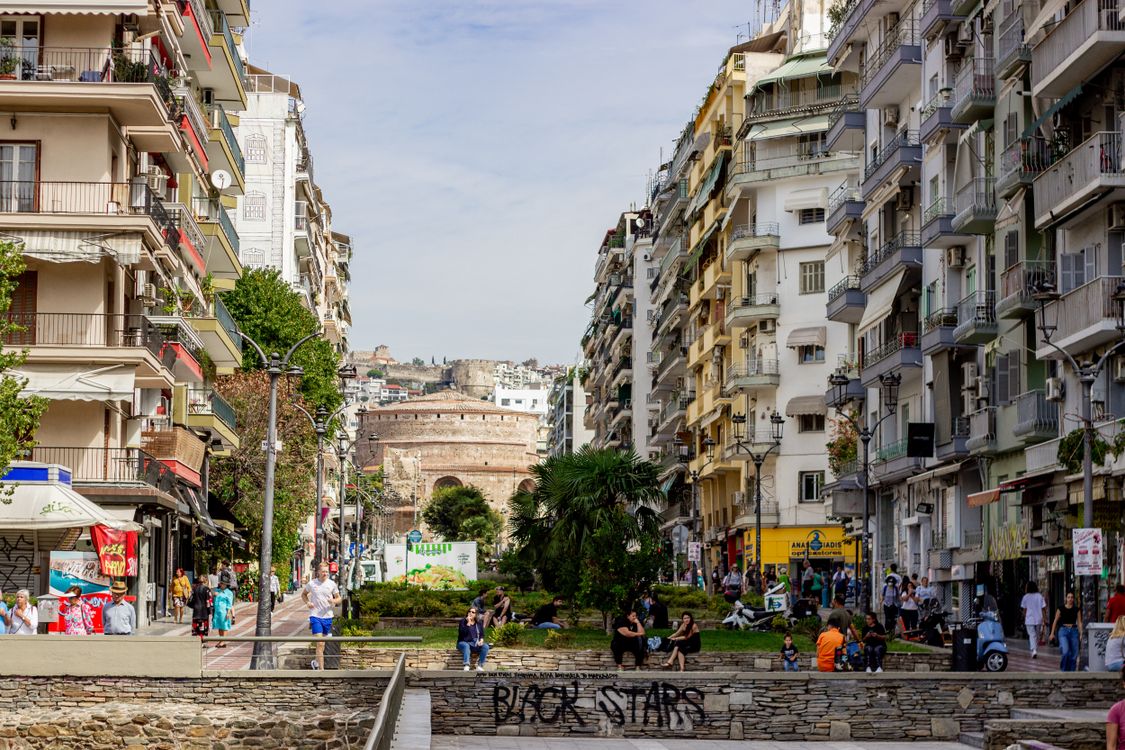
Photo: Natalia Sevruk, Pexels
Thessaloniki’s Place in a Wider Greece Trip
Thessaloniki works well as either a standalone city break or a component of a broader northern Greece itinerary. Common combinations include Thessaloniki with Meteora, a road trip through Zagori and the Vikos Gorge, or a longer route towards Pelion. Distances and journey times vary by route, traffic, weather and transport mode, so plan each combination as a separate travel leg rather than assuming it is a simple day trip. The combination of city culture, food and accessible archaeological sites makes Thessaloniki a useful base for exploring northern Greece.
For travellers who have already visited Athens and the popular islands, Thessaloniki offers a fundamentally different perspective on Greece. It is more urban and mainland-oriented than a resort destination, with a food culture and layered history that reward a slower visit.
Research and review note: Transport fares, Metro operations, museum hours, admission fees and seasonal routes can change. Confirm current details with the official operator or institution before travelling.