Long before the Parthenon was built, before the word “sommelier” existed in any language, people on Crete were pressing grapes into wine on stone slabs worn smooth by centuries of bare feet. That’s not a romantic exaggeration for a travel blog — it’s what the archaeologists found at Vathypetro, a few kilometres outside Heraklion, where a Minoan winepress dating to around 1600 BC still sits in situ, the oldest known example in Europe. Crete has been making wine, more or less without interruption, for roughly four thousand years.
What’s remarkable isn’t just the age of the tradition. It’s that Crete never fully surrendered to the international grape varieties that colonised so much of the Mediterranean over the last century. Drive twenty minutes south of Heraklion today and you’ll find vineyards still planted with Vidiano, Vilana, Liatiko, Kotsifali and Mandilaria — grapes that exist almost nowhere else on earth, tended by families who can trace their involvement in the local wine trade back generations, if not further.
This is a guide to Crete’s wine country — not a checklist of tasting rooms, but an attempt to explain why the wine tastes the way it does, why the villages that make it look the way they do, and how the whole business connects to the olive oil, the wild greens, the raki and the long lunches that make up what everyone now calls the Cretan diet. If you’re planning things to do in Crete beyond the beaches, this inland world of vineyards and stone villages is one of the most rewarding detours the island offers.
Crete doesn’t sell its wine to you with a story. It just hands you the glass and waits to see if you notice the four thousand years underneath it.
A History Older Than the Word “Vintage”
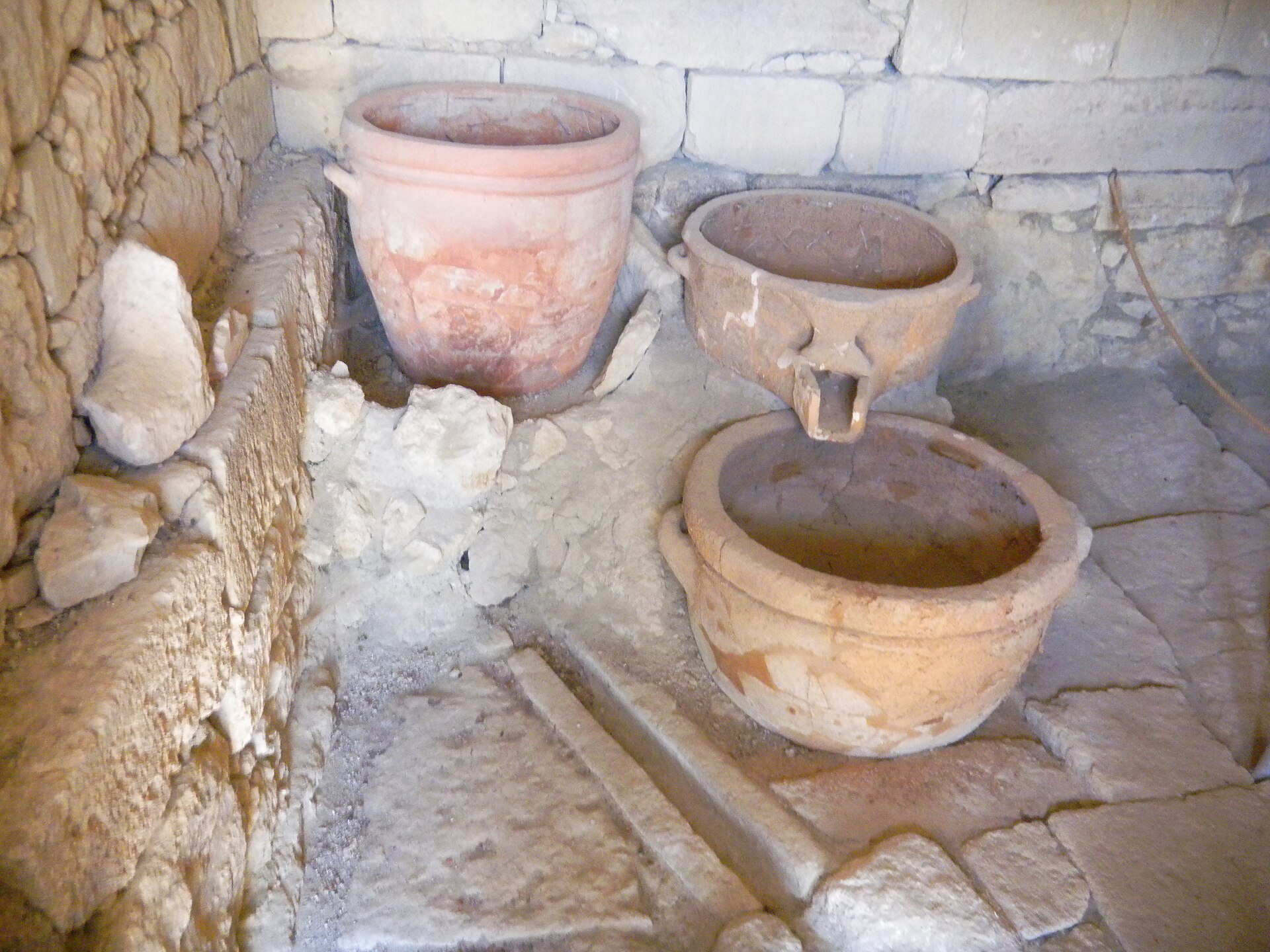
The Minoans weren’t casual about wine. At Vathypetro, the shallow treading floor drains into a collection vat through a channel carved directly into the stone — a design so effective that later Greek, Roman and even some traditional Cretan presses barely improved on it. The site was excavated in 1949 by the archaeologist Spyridon Marinatos, and what he found suggested industrial-scale production rather than a household hobby: storage rooms full of pithoi, evidence of olive oil pressing alongside the wine, and a kiln for pottery to hold it all.
The Minoans exported what they made. Cretan amphorae have turned up in excavations as far afield as Pompeii and Lyon, evidence of a trade network that carried the island’s wine around the Mediterranean world centuries before Rome existed in any recognisable form. That export habit didn’t stop when the Minoan palaces fell. Through the Classical, Byzantine and Venetian periods, viticulture on Crete kept going, and during the centuries of Venetian rule — from the 13th to the 17th century — wine became one of the island’s principal exports, sold under names that still show up in old shipping records from Candia, as Heraklion was then known.
The 20th century was less kind. Ottoman-era neglect, phylloxera, and the general upheaval of Crete’s modern history took a toll on the old vineyards, and much of what survived was replanted with an eye to quantity rather than quality. The real turning point came from the 1960s onward. The Lyrarakis family, who had been growing grapes outside Alagni since 1966, began bottling under their own name and quietly rescued grape varieties — including Dafni and Plyto — that had been reduced to a handful of surviving vines. The Archanes cooperative, whose roots stretch all the way back to 1933, kept the local blending traditions alive through decades when nobody outside Crete was paying attention. Between them, and a handful of other stubborn families, they proved these indigenous grapes could make wine worth travelling for.
Meet the Grapes: Crete’s Indigenous Varieties
If you know Greek wine mainly through Assyrtiko from Santorini, Crete will feel like a different country. Almost none of its most interesting bottles use grapes you’ll recognise from anywhere else, and that’s precisely the appeal. Here’s what to look for on a wine list or a tasting menu:
| Grape | Colour & Style | Where It Shines | Good With |
|---|---|---|---|
| Vidiano | White, aromatic, almost oily texture | Central and eastern Crete, higher altitude sites | Soft cheeses, herb-heavy lamb |
| Vilana | White, crisp, citrus-driven | Peza PDO, especially at altitude | Grilled fish, salads with olive oil |
| Liatiko | Red, pale, aromatic, dry or sun-dried sweet | Dafnes PDO, Sitia | Slow-cooked goat, aged graviera |
| Kotsifali | Red, soft tannin, plum and spice | Peza and Archanes PDOs (blended) | Pork, tomato-based stews |
| Mandilaria | Red, deep colour, high tannin and acidity | Blended into Peza, Archanes and Sitia reds | Grilled red meat, hard cheeses |
| Romeiko | Red, versatile, earthy, sometimes oxidative | Traditional village production, western Crete | Cured meats, strong cheeses |
Kotsifali is worth a special mention because it grows almost nowhere outside Peza and Archanes — it’s genuinely a Cretan curiosity, softer and more perfumed than Mandilaria, which supplies the tannin and backbone in the blends that carry both PDO names. On its own, Kotsifali can be almost too gentle; paired with Mandilaria, the two make more sense together than either does solo, which is presumably why generations of Cretan winemakers landed on the combination and never saw a reason to change it.
Peza, Archanes and Dafnes: The Heartland
Nearly 70% of all Cretan wine comes out of the Heraklion regional unit, and if you only have a day to spend on this, this is where to spend it. Wine tourism organisations here have mapped out what’s known locally as the Wine Roads of Heraklion, which splits into two loose routes: an eastern loop through Archanes and Peza, and a western route through Dafnes. Neither is signposted quite as clearly as, say, a route through Tuscany, so a rented car and a downloaded map matter more than they might elsewhere.
Archanes: A Village Sitting on Its Own History
Archanes is the kind of place that rewards slow walking. The old town — all cobbled lanes, restored Venetian-era houses and pots of geraniums on windowsills — has won awards for its restoration, and beneath parts of it lies a Minoan palatial complex that’s still being excavated, a genuine rival to Knossos in scale even if it gets a fraction of the visitors. The village sits at around 400 metres, cupped by fertile plains and vineyards, with Mount Giouchtas rising behind it — the mountain where local legend places the burial site of Zeus himself, its silhouette said to resemble a sleeping face when viewed from certain angles.
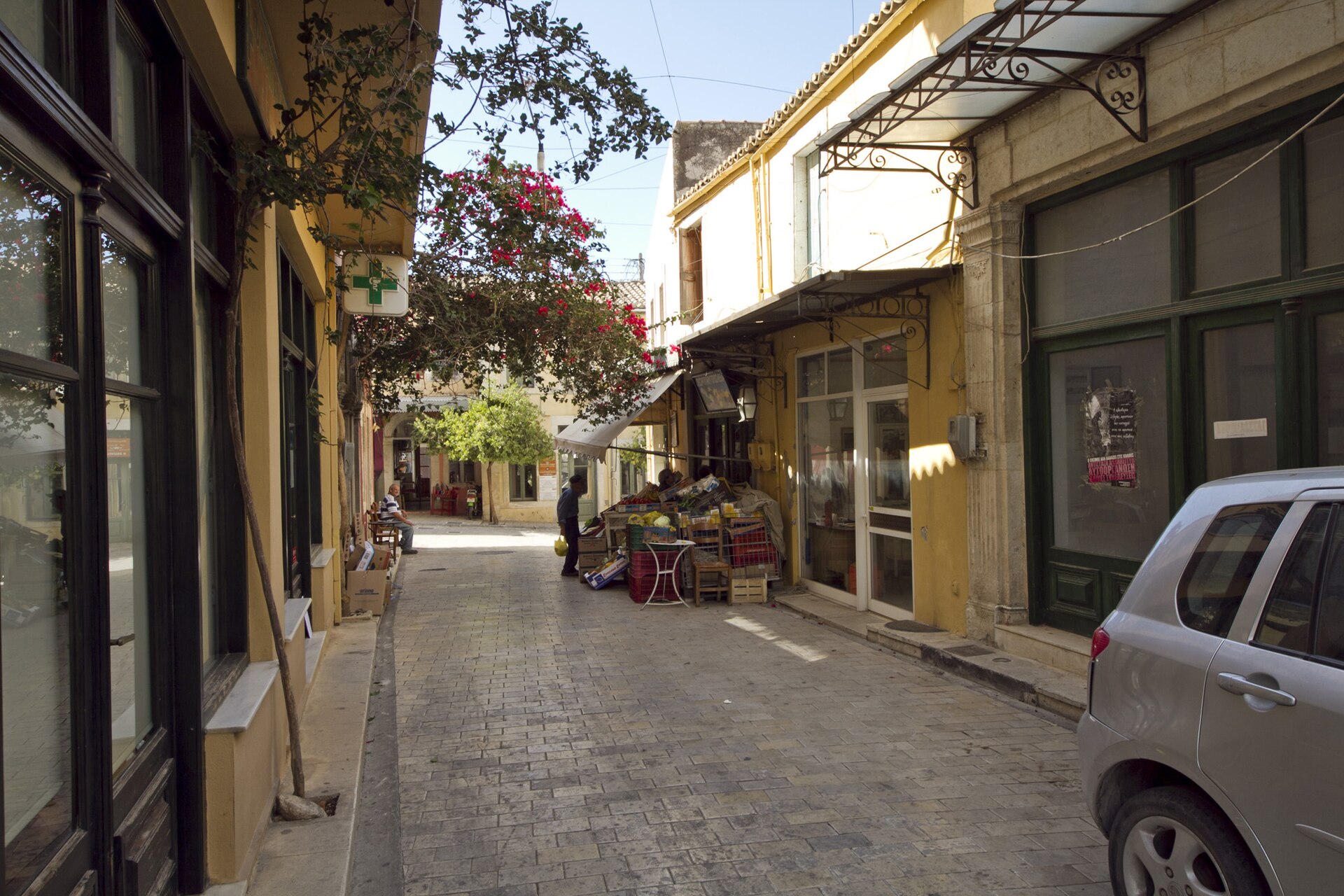
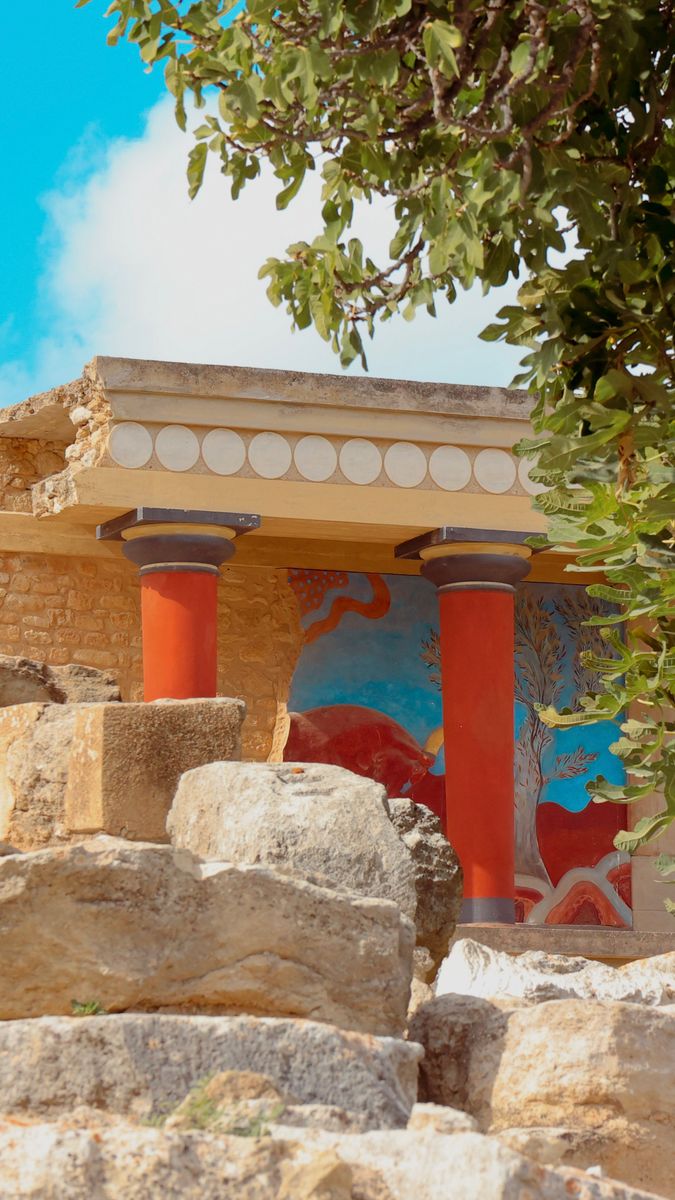
Four kilometres south is Vathypetro itself, where you can see the winepress that started all this. It’s a modest site by the standards of Knossos — no grand throne room, no reconstructed frescoes — but standing over a wine press that was in use when the pyramids of Giza were still relatively new does something that a museum case full of pottery shards can’t quite manage.
Peza and Dafnes: The Working Vineyards
Peza itself is less a single village than a scattered wine region — the appellation covers a wide arc of hills southeast of Archanes, with vineyards required to sit above 300 metres so the vines are forced into deeper root systems on calcareous, free-draining soil. It’s unglamorous, agricultural countryside, which is part of the charm: this is where the actual work happens, not a stage set for it. If you visit one producer here, make it Lyrarakis — a family estate that has done more than perhaps anyone else to champion Crete’s forgotten grape varieties, and whose Vidiano bottlings have earned the grape an international following it never had before. Their tasting room, set among the vines near Alagni, is warm, unhurried and run by people who clearly love what they do.
Dafnes, over to the west, is Liatiko country. The Douloufakis family have been working this land for generations, and their commitment to sustainable viticulture and the Liatiko grape in particular has helped put the Dafnes appellation on the map. A visit to their cellar is a fine introduction to how a single grape can express itself across dry reds and honeyed, sun-dried sweet wines — two faces of the same vine. The village of Dafnes takes its wine seriously enough to throw a party about it, too: the Dafnes Wine Festival has run every July in the village square for around fifty years, a genuinely local affair with folk dancing, live music and, obviously, a great deal of wine — worth timing a summer visit around if festivals are your thing, though it’s worth checking exact dates closer to the time since they can shift slightly year to year.
Beyond Heraklion: The Western Vineyards
Most of Crete’s wine story happens around Heraklion, but the western half of the island has its own quieter chapter. Inland from Chania, in the foothills of the White Mountains, a handful of producers took a different approach in the late 20th century — planting Rhône varieties like Syrah, Grenache, Mourvèdre and Roussanne rather than doubling down on indigenous grapes. The Manousakis family, whose winery sits in the village of Vatolakkos about twenty minutes south of Chania, are the best-known example: they farm organically, using regenerative methods, and their Nostos wines have a warmth and depth that reflect both the Rhône heritage and the Cretan terroir in equal measure. A tasting at Manousakis — with live music on Sunday evenings through the summer — is one of the most enjoyable afternoons western Crete can offer. Nearby, the Karavitakis estate has earned a devoted following for its elegant Vidiano expressions, proving the grape thrives in the west as well as the east. Tasting them back to back with a Peza red makes an interesting point about how differently the island’s two halves think about wine.
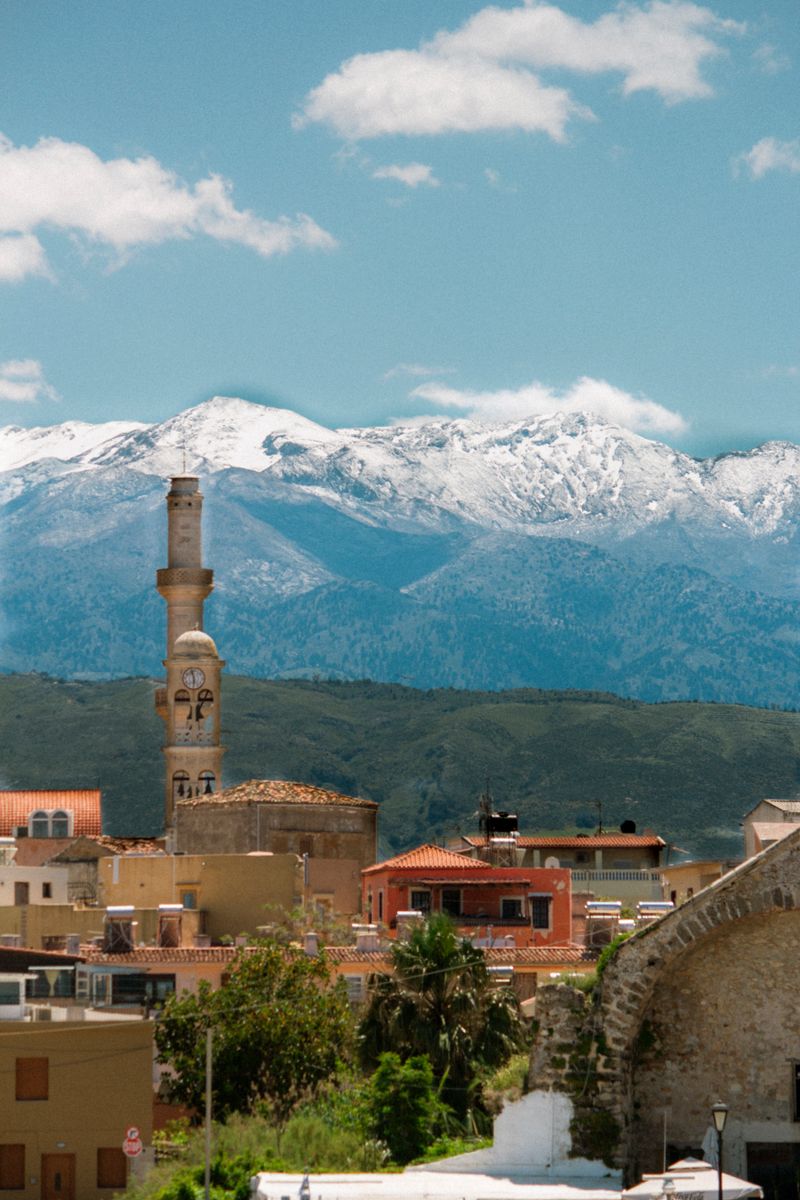
Further inland again, the Amari Valley threads through high mountain villages between the Psiloritis and Kedros ranges — one of the most scenic drives on the island, and one where Vidiano vines share the slopes with olive terraces and very little tourist traffic. If you’re staying in Sfakia or anywhere on Crete’s wild south coast, the Amari Valley makes a sensible inland detour on the way back north — a complete change of pace from the gorges and cliffs of the south.
Tsikoudia: What Happens After the Wine
Nothing gets wasted in Cretan winemaking, and tsikoudia is the proof. Once the grapes are pressed, the leftover skins, stems and seeds — the pomace — go into a copper still known as a kazani, heated traditionally over a wood fire, with the vapour travelling through a long copper coil and condensing back into a clear, potent spirit that typically lands somewhere between 40 and 65% alcohol.
In the east of the island people mostly call it raki; around Chania it’s almost always tsikoudia, from the local word for grape pomace, and the two names occasionally cause genuine confusion among visitors trying to order the right thing. What doesn’t change from village to village is the ritual around it: distillation is usually a communal event, whole families gathering their pomace together and taking turns at the still, sometimes running it non-stop for days depending on the size of that year’s harvest. The Manousakis family distil their tsikoudia from Roussanne pomace, which gives it a subtle floral edge you won’t find in a village-made batch — a lovely refinement of the tradition without losing any of its spirit. If you’re offered a glass anywhere on the island, the polite response is a simple “Yamas” and the understanding that it’s meant to be shared, not sipped alone.
Ask a Cretan grandmother about tsikoudia and she’ll tell you it cures colds, heartbreak and bad moods. She won’t be wrong about at least one of those.
How the Wine Meets the Table
None of this exists in isolation from Cretan food, and that’s really the point of visiting wine country rather than just ordering a bottle at home. The island’s cuisine — heavy on olive oil, wild greens, legumes, goat and fresh cheese — developed alongside these same grapes over the same centuries, and the pairings that locals take for granted are worth knowing before you sit down.
Vilana, being crisp and citrusy, is the default match for grilled fish and the kind of olive-oil-drenched salads that show up at every taverna table on the island. Vidiano has enough weight and aromatic complexity to stand up to soft, tangy cheeses like anthotyro, or a lamb dish built on wild oregano and thyme. The reds work harder: Kotsifali-Mandilaria blends are built for slow-cooked meat, the kind that’s been in a clay pot since mid-morning, while a dry Liatiko does something unexpectedly elegant alongside aged graviera. The sweet, sun-dried version of Liatiko — made the way sweet wines have been made here for centuries, by drying the grapes before pressing — is dessert in a glass, and pairs naturally with the honey-soaked pastries that show up at the end of a Cretan meal.
If you’ve read our guide to Sifnos as a foodie island, you’ll recognise the pattern: in Greece, the most interesting food destinations are rarely the ones with the most restaurants per square kilometre. They’re the ones where the wine, the oil, the cheese and the cooking all come from the same small radius, and where the connections between them are still visible if you go looking. Crete’s wine country is that principle taken to its logical extreme.
When to Go
Two windows stand out. April and May bring mild temperatures, blooming vines and a countryside that’s green rather than scorched, with none of the summer crowds clogging the roads up to Archanes. September shifts the mood entirely — this is harvest season, when the timing depends on grape variety and altitude but generally runs from late August into October, and wineries are at their most alive, with grape-crushing and, in some villages, small harvest festivals layered on top of the everyday work.
Summer itself — June through August — is when most people actually visit Crete, drawn by the beaches, and wineries do stay open, but book ahead if you want a proper tasting rather than a rushed group slot. Our guide to visiting Greece in September covers the broader case for shoulder-season travel, and wine country is one of the strongest arguments in its favour: cooler days, thinner crowds, and grapes actually coming off the vine while you’re there to see it.
Getting There and Getting Around
Heraklion International Airport is the obvious gateway, with frequent connections to Athens and, in summer, a good spread of direct flights from European cities. Chania’s airport works well too if you’re planning to spend more time in the west of the island, though its international schedule thins out considerably outside summer. Ferries from Piraeus run overnight to Heraklion and are a genuinely pleasant, if slower, alternative if you want to bring a car over from the mainland.
Once you’re on the island, a rental car stops being optional the moment you leave the coast road. The wine villages are connected by decent but narrow roads that wind through olive terraces and vineyard rows, with limited public transport — the regional KTEL buses reach the bigger wine villages a few times a day, but a self-drive itinerary gives you the freedom to actually stop when a view or a roadside stall demands it. A compact car handles the Heraklion wine roads comfortably; if you’re heading up into the Amari Valley or the foothills near Chania, something with a bit more clearance is worth the extra cost.
Where to Stay in Crete’s Wine Country
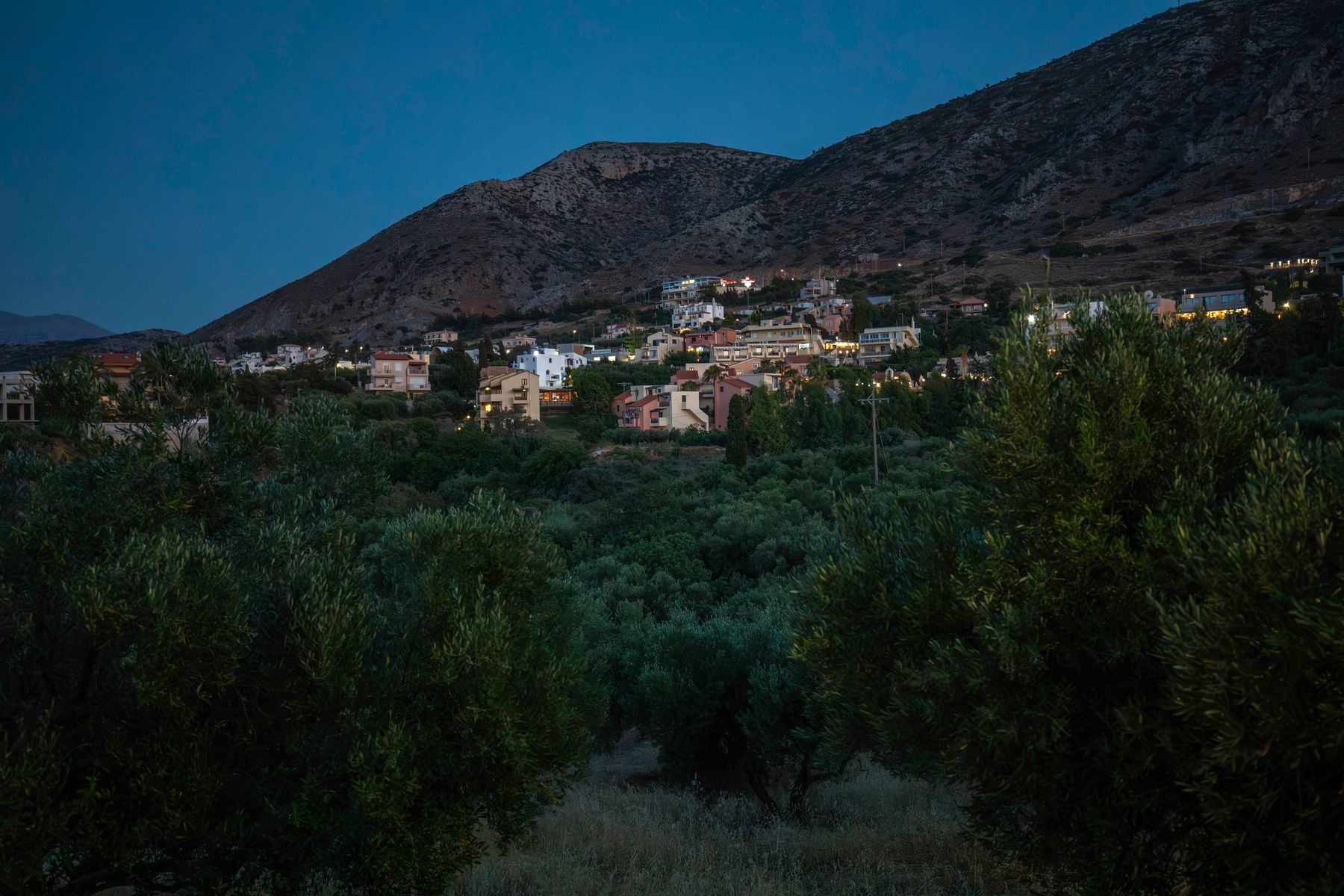
The countryside around Archanes and Peza has a growing handful of small guesthouses and agritourism stays, several of them on working vineyard or olive land, which puts you close enough to walk to a tasting rather than drive. It’s the quietest option and the one that leans most into the theme of the trip, though it does mean evenings are genuinely rural — lovely if that’s what you want, less so if you’re hoping for nightlife.
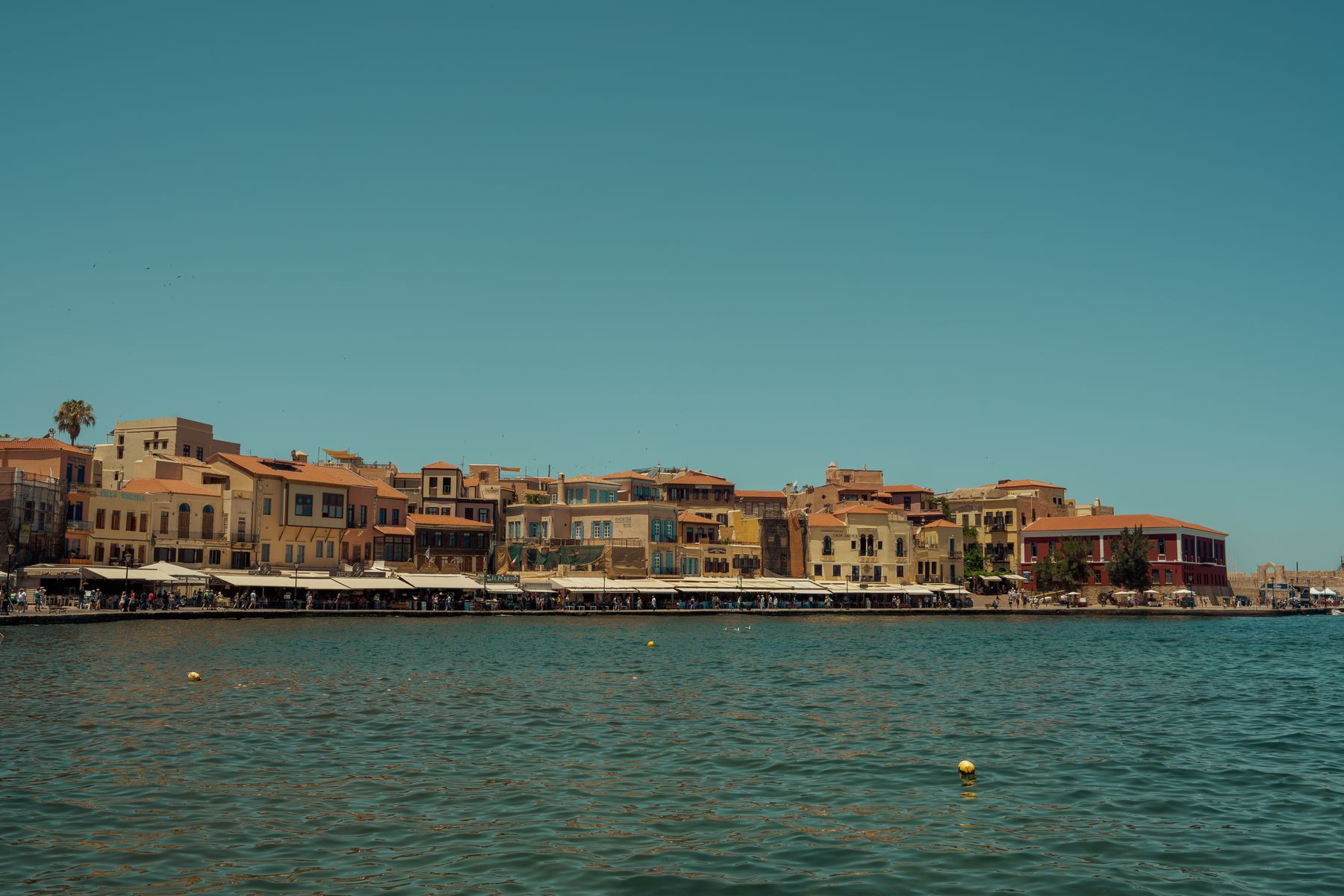
Basing yourself in Heraklion itself is the more practical middle ground: the wine roads are a short drive away, and you get the city’s restaurants, the archaeological museum and easy onward travel by ferry or plane. For anyone splitting time between east and west Crete, the old town area of Chania works the same way for the western vineyards — walkable, well-connected, and close enough to Vatolakkos and the Amari Valley for an easy day trip without an early start.
Tours and Day Trips vs. Going It Alone
A guided tour makes sense if you want to taste widely without worrying about driving afterwards — most operators run half-day or full-day trips out of Heraklion or Chania, generally covering two to four wineries with food pairings built in, and they’re a genuinely relaxed way to spend an afternoon. The trade-off is pace: group tours move on a schedule, and if you fall in love with one particular Vidiano, you may not get as long with it as you’d like.
Self-driving gives you the opposite trade-off. You can linger, detour to Vathypetro on a whim, or skip a winery entirely if the last one has already made your point for the day. Many family-run producers welcome walk-ins, though it’s worth calling or emailing ahead in peak season, and it’s sensible to carry some cash, since smaller producers don’t always take cards. Either way, tasting fees for a guided cellar visit tend to run in the range of a few tens of euros per person for several wines and a cheese plate — worth confirming directly with the winery before you go, since pricing and formats vary a good deal between a family cellar and a larger commercial operation.
Why This Corner of Crete Is Worth the Detour
It would be easy to visit Crete for a week without ever seeing a vineyard — to stick to the coast, tick off a beach or two, and go home having missed a part of the island that locals would argue matters more than any single stretch of sand. The wine country west and south of Heraklion isn’t dramatic in the way the Samaria Gorge or the Libyan Sea coastline are dramatic. It’s quieter than that, and slower, and it asks you to care about grape varieties and appellation rules that most people have never heard of.
But it’s also the part of Crete where the island’s full timeline is most visible at once — Minoan stone presses, Venetian export ledgers, twentieth-century revival, and a next generation of winemakers — people like the Diamantakis and Silva Daskalaki families, quietly building reputations that reach well beyond the island — now exporting Vidiano and Liatiko to markets that had never heard of either grape a decade ago. Spend a day in Archanes, taste a Kotsifali-Mandilaria blend with lunch, and walk down to Vathypetro afterwards, and you’ll understand something about Crete that a week on the beach simply won’t tell you.
The information in this article was researched and verified as of July 2026. Prices, transport options, schedules, and conditions may have changed since publication — we recommend double-checking key details before your trip.